
Selecting the right waterproof pouch for your child requires matching the gear to the specific activity. A child attending weekly swimming lessons needs a pouch designed for full submersion to protect items like smartwatches or transit cards from pool water. Conversely, a child heading out on a school field trip benefits more from a lightweight, splash-resistant pouch that offers quick access to pocket money and hand sanitizer. Understanding these distinct environments helps you choose a pouch that balances protection, convenience, and safety.
Understanding Waterproof Needs: Submersion vs. Splash Protection
To make an informed choice, it is essential to understand the difference between submersion protection and splash resistance. Submersion protection means the pouch can be completely underwater without letting moisture inside. This level of protection relies on heavy-duty sealing mechanisms, such as triple zip-lock tracks, roll-top closures secured with buckles, or hard plastic clamp bars. These designs create an airtight barrier that keeps water out even when submerged.
Splash resistance, on the other hand, is designed to repel light rain, accidental spills, or damp hands. These pouches typically feature water-resistant coated zippers or fabric treated with a durable water repellent coating. While they are highly effective for daily school use, they are not airtight. If dropped into a swimming pool, water will eventually seep through the zipper teeth or stitched seams.
Products mentioned in this guide
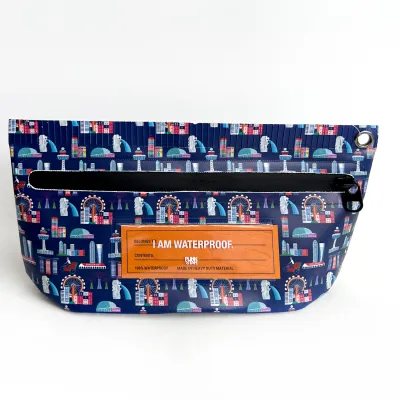
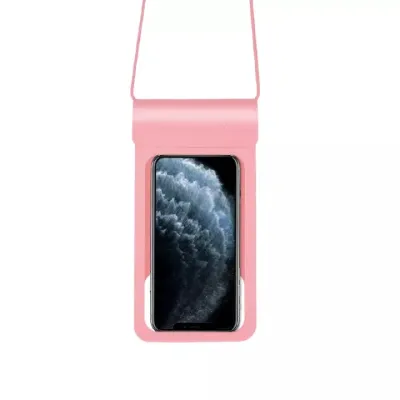

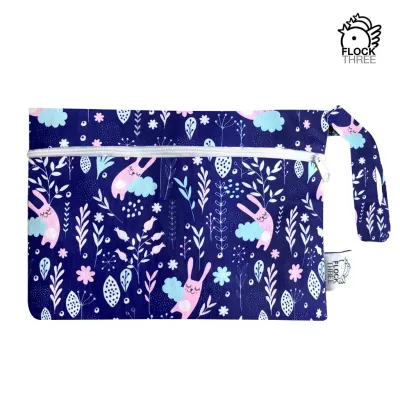


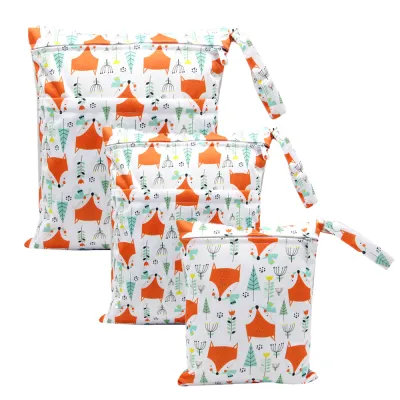

Prices are valid at publication and may change. Please refer to the product page for the latest price.
When shopping, always check the manufacturer’s specifications on the product packaging. Look for clear indications of water depth limits and maximum exposure duration. Materials also play a key role; thermoplastic polyurethane (TPU) and polyvinyl chloride (PVC) offer excellent water resistance and flexibility, though TPU tends to remain more pliable and durable over long-term exposure to pool chemicals.
Pouch Styles for Swimming Lessons and Water Activities
For swimming lessons and water park excursions, the primary goal is keeping the pouch secure and dry during active water play. The style of the pouch determines how easily your child can manage it. Crossbody straps, waist packs, and wrist straps are popular options that keep the pouch attached to the body, reducing the risk of it floating away or sinking to the bottom of the pool.

Safety must be the top priority when selecting any wearable gear for children. If you choose a pouch with a lanyard or neck strap, verify that it features a quick-release breakaway buckle. This safety mechanism ensures that if the strap catches on pool ladders, play equipment, or another child, it will instantly snap open to prevent strangulation. Caregivers should always supervise children during water activities, regardless of the gear they wear.
Before your child jumps into the pool, teach them to perform a quick sealing check. When closing the pouch, gently press out most of the air before sealing the final track. Leaving a tiny amount of air inside can provide helpful buoyancy if the pouch is dropped in the water, but trapping too much air can put unnecessary pressure on the seals. Ensure all clips or zip tracks are fully aligned and locked from end to end.
Bag Options for School Outings and Daily Excursions
School outings, museum visits, and outdoor field trips call for a different set of features. In these scenarios, your child needs quick access to their belongings without wrestling with complex airtight seals. Lightweight pouches made from water-resistant coated fabrics, such as polyurethane-treated polyester or nylon, are ideal for daily carry. These materials protect contents from sudden tropical downpours while remaining lightweight and comfortable to wear all day.
Organization is key for school-aged children. Look for pouches with multiple compartments or external mesh pockets. This allows your child to separate wet items, like a damp hand towel, from dry essentials like their student identification card, pocket money, or a small snack. Easy-pull zippers with fabric tabs are much easier for young fingers to operate during a hurried lunch break.
Comfort and ergonomics should not be overlooked. Choose a pouch with wide, adjustable straps that distribute weight evenly across your child’s shoulders or waist. A pouch that bounces excessively or digs into the skin will quickly be discarded, defeating its protective purpose. Ensure the size of the pouch is appropriate for your child’s age and physical build so it does not hinder their movement during active excursions.
Can One Waterproof Pouch Handle Both Scenarios?
It is tempting to look for a single waterproof pouch that can transition seamlessly from the swimming pool to the classroom, but this hybrid approach comes with significant trade-offs. Using a heavy-duty, fully sealed submersion pouch for daily school outings can be impractical. These airtight pouches do not breathe, which can lead to internal condensation in warm, humid climates. Additionally, the multi-step sealing process can frustrate a child who needs to quickly retrieve a transit card or tissue.
Conversely, relying on a splash-proof school pouch for swimming lessons or boating trips is a recipe for damaged electronics or soggy personal items. Standard water-resistant zippers and stitched seams are not designed to withstand water pressure, and even a brief drop into the shallow end of a pool can result in immediate flooding of the pouch.
A practical compromise is using a small, fully sealed dry bag as an internal organizer. Your child can place their phone or smart tracker inside the sealed pouch, which then sits inside their regular water-resistant school backpack. However, for active water sports or dedicated swimming lessons, investing in a separate, specialized waterproof waist pack or crossbody pouch remains the safest and most reliable choice.
Safety Checks and Maintenance for Kids' Waterproof Gear
Regular maintenance is essential to ensure your child’s waterproof gear continues to perform reliably and remains safe to use. Before every outing, perform a quick visual inspection of the pouch. Check the seams for any signs of peeling or separation, inspect the plastic body for creases or tiny cracks, and test the buckles to ensure they click securely into place. Over time, exposure to sun, heat, and chlorine can degrade plastic materials and weaken adhesive seals.
Proper cleaning after use is crucial for hygiene and longevity. After a day at the pool or beach, rinse the pouch thoroughly inside and out with clean, fresh tap water to remove chlorine, salt, and sand. Avoid using harsh detergents or abrasive sponges, which can strip away water-resistant coatings. Hang the pouch open in a shaded, well-ventilated indoor area to dry completely. Never store a damp pouch in a school bag or closet, as this creates a breeding ground for mold and mildew.
Knowing when to retire a waterproof pouch is vital for protecting your child’s valuables and ensuring their safety. If you notice any stiffness in the sealing tracks, persistent cloudiness in the plastic, or a buckle that fails to stay latched under gentle tension, it is time to replace the gear. Regularly checking the manufacturer’s guidelines for wear limits will help you make timely replacements.
Frequently Asked Questions (FAQ)
How can I test a waterproof pouch's seal before my child uses it in the pool?
To verify the integrity of a waterproof pouch, perform a simple dry test at home. Place a dry sheet of paper towel or tissue inside the pouch and seal it completely according to the manufacturer’s instructions. Submerge the sealed pouch in a sink or bucket of water, holding it down with a heavy object for about ten minutes. While submerged, gently squeeze the pouch and watch for any continuous streams of air bubbles, which indicate a leak. Afterward, dry the outside of the pouch thoroughly before opening it; if the paper towel inside is completely dry, the seal is secure and ready for use.
Is it safe for young children to wear waterproof pouches around their necks?
Wearing any strap or lanyard around the neck presents a serious strangulation hazard for young children, particularly during active play, swimming, or when using playground equipment. If a neck strap must be used, caregivers must verify that it is equipped with a functional breakaway safety clasp designed to release instantly under tension. For optimal safety, consider alternative carrying styles such as adjustable waist straps, secure wrist straps, or attaching the pouch directly to a flotation vest or backpack. Continuous adult supervision is always necessary to ensure children remain safe while wearing any gear near the water.

Community discussion
Share your experience or ask a question. Comments are reviewed before publication.