
Choosing the best Usbettas portable mat depends on matching the specific environment of your outing—such as a local park, a family trip, or a daily infant care drop-off—with the mat’s physical specifications. Parents must evaluate key factors like weight, folded dimensions, and surface materials to find a model that balances comfort with portability. By checking the manufacturer’s labels and verifying safety guidelines, you can select a mat that fits seamlessly into your daily routine.
Identifying Core Requirements for Your Outings
Before comparing different models, define where and how you will use your portable mat most frequently. A mat designed for a stationary afternoon at a park requires different features than one meant for rapid transit through busy transport hubs. Identifying these primary scenarios helps narrow down the physical properties you need to prioritize.
For stationary outdoor activities, such as picnics or playdates on the grass, cushioning and ground protection are paramount. These outings typically involve longer periods of sitting or crawling, meaning the mat must shield your baby from damp soil or uneven terrain. In contrast, mobile transit demands a lightweight, highly compressible design that fits easily into a diaper bag or a compact stroller basket.
Products mentioned in this guide
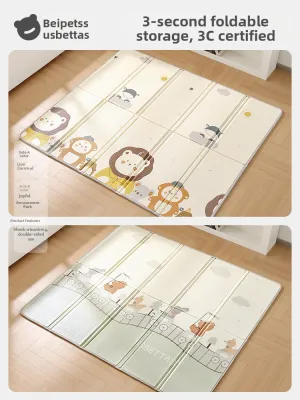
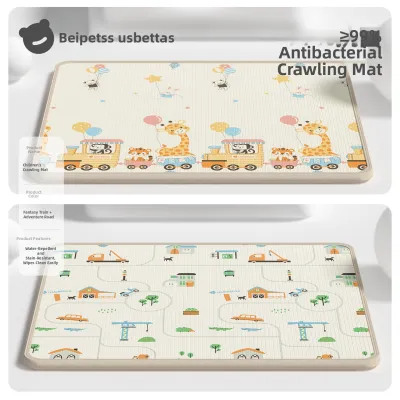
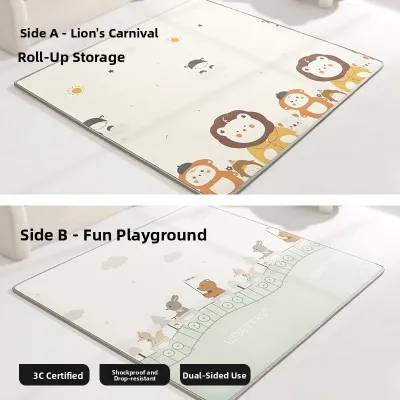
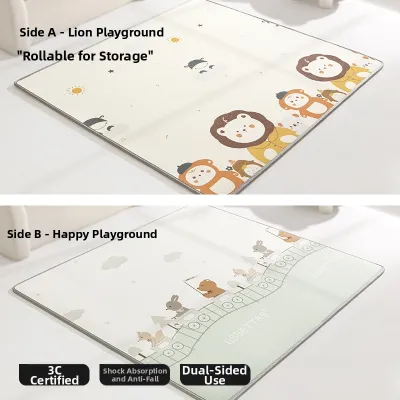
Prices are valid at publication and may change. Please refer to the product page for the latest price.
Daycare drop-offs and indoor transitions introduce another set of constraints, particularly regarding space and hygiene. Childcare facilities often have strict rules about the size of personal items that can fit into designated cubbies. Furthermore, mats used in shared indoor environments need to be exceptionally easy to sanitize to prevent the transfer of dirt and germs.
Finally, always align the mat’s physical design with your baby’s current developmental stage. A newborn who is just beginning supervised tummy time has different support needs than an active toddler who is constantly crawling on and off the mat. Checking the manufacturer’s age and weight recommendations ensures the mat provides a safe and appropriate surface for your child’s current physical abilities.
Matching Mat Features to Specific Environments
Different outing environments present unique challenges that require specific product features. By matching the mat’s specifications to your surroundings, you can ensure a comfortable and hassle-free experience for both you and your baby.

Park Visits and Outdoor Play
When planning outdoor play sessions at local parks or grassy fields, the ground conditions dictate your choice of mat. Uneven ground, twigs, and damp grass can quickly make a thin mat uncomfortable or damp. To ensure a pleasant experience, prioritize checking the manufacturer’s stated thickness and cushioning levels on the product label.
The surface material of the mat must be resilient enough to withstand outdoor elements while remaining easy to clean. Look for specifications that indicate water-resistant or wipeable top layers, which allow you to quickly clean up spilled drinks, mud, or grass stains. A quick wipe with a damp cloth should be sufficient to restore the surface during your outing.
Additionally, pay close attention to the base material of the mat. Outdoor surfaces can be slippery, especially when grass is damp or when placed on smooth park pavilion tiles. Verify the product instructions to ensure the underside features an adequate grip or non-slip texture to keep the mat securely in place while your baby moves.
Travel and On-the-Go Transit
For families frequently on the move, whether navigating public transport or packing for a weekend getaway, portability is the deciding factor. A bulky mat can quickly become a burden when you are already carrying a diaper bag, stroller, and other baby essentials. Therefore, you must carefully evaluate the folded dimensions of the mat against your available storage space.
Before purchasing, measure your primary diaper bag or the under-seat basket of your stroller. Compare these measurements with the folded dimensions listed in the Usbettas product specifications to ensure a hassle-free fit. A mat that folds down compactly prevents you from having to carry extra bags during your journey.
Weight is another critical specification to verify. Check the product’s stated weight to ensure it is manageable for a single caregiver to carry alongside a baby. Look for models that feature integrated carrying straps, shoulder bands, or quick-folding mechanisms that allow you to pack up the mat with one hand while holding your child with the other.
Daycare Drop-offs and Indoor Transitions
Transitioning your child to a daycare or infant care facility requires a portable mat that meets both space limitations and hygiene standards. Many facilities have specific guidelines regarding the size of personal bedding and play mats allowed in classrooms. Verifying the unfolded dimensions of the mat ensures it fits comfortably within designated play zones or individual sleep cubbies.
Hygiene is a top priority in shared childcare environments where multiple children interact. Check the material composition list on the product packaging to ensure it complies with your facility’s hygiene policies. Materials that do not trap dust or fibers are often preferred by daycare administrators to maintain a clean indoor environment.
Lastly, review the manufacturer’s cleaning instructions to confirm how the mat should be sanitized. In a daycare setting, mats must be cleaned frequently to prevent the buildup of bacteria. Ensure the mat can withstand regular washing or sanitizing routines as recommended by the manufacturer without degrading the material or losing its shape.
Essential Specifications to Verify Before Use
To make an informed decision, parents should rely on verifiable product specifications rather than general brand assumptions. Before finalizing your choice, create a checklist of critical data points to confirm on the physical product packaging or the manufacturer’s official listing. This ensures the mat you select aligns perfectly with your practical needs and safety standards.
First, verify the exact unfolded and folded dimensions, along with the total weight of the mat. Do not rely on visual representations in marketing photos, as these can sometimes be misleading regarding scale. Knowing the precise measurements allows you to plan exactly where the mat will fit in your home, vehicle, or travel bags.
Second, examine the material composition details. Look for specific information regarding waterproof layers, water-resistant coatings, or specialized backing treatments. Understanding what each layer is made of helps you determine how well the mat will block moisture from the ground and how easy it will be to wipe clean after messy play sessions.
Third, locate the manufacturer’s age, weight, or developmental stage recommendations. These guidelines are established to ensure the mat provides adequate support and safety for your child’s specific growth phase. Using a mat outside its recommended developmental range can compromise its effectiveness and safety.
Finally, carefully read the specific care instructions provided by the manufacturer. Pay close attention to recommended washing temperatures, detergent restrictions, and whether the mat can be machine dried or must be air-dried. Following these instructions precisely preserves the integrity of the materials and prevents premature wear.
Safety Boundaries and Everyday Maintenance
Establishing safe usage routines and proper maintenance habits is essential for protecting your baby and extending the lifespan of your portable mat. Portable mats are designed primarily for supervised play, tummy time, and active transitions. Unless explicitly certified by the manufacturer for unsupervised sleep, these mats must never be used as a primary sleep surface or left in a crib or playpen unattended.
For everyday maintenance, adopt a proactive cleaning routine. Wipe up any liquid spills, food drops, or spit-up immediately to prevent stains and moisture penetration. Use only mild, manufacturer-approved cleaners that are safe for baby gear, avoiding harsh chemical solvents that could degrade the water-resistant coatings or irritate your baby’s skin.
After cleaning, always ensure the mat is completely dry before folding and storing it away. Trapping moisture inside a folded mat, especially in warm or humid climates, creates an ideal environment for mold and mildew to grow. If you observe any signs of tearing, peeling layers, or structural degradation, stop using the mat immediately and consult the manufacturer for guidance.
Frequently Asked Questions (FAQ)
Can I use a Usbettas portable mat for my baby's tummy time?
Yes, provided you verify the product label to ensure the specific model is recommended for your baby’s age and developmental stage. Tummy time should always take place on a firm, flat surface to support your baby’s developing neck and shoulder muscles. Ensure the mat is laid completely flat on the floor, free of any loose blankets or toys, and maintain constant adult supervision throughout the entire session.
How do I know if the mat is safe for sensitive skin?
To determine if a mat is suitable for sensitive skin, carefully inspect the material composition list printed on the product packaging or the manufacturer’s official website. Look for certifications or labels indicating the materials are free from common irritants. If your baby has known allergies or highly sensitive skin, consult your pediatrician before use to verify if the specific synthetic or natural fibers used in the mat are safe for your child.

Community discussion
Share your experience or ask a question. Comments are reviewed before publication.