
Quick Guide: Matching Potty Types to Your Home
Embarking on the potty training journey is a major milestone for both you and your toddler, but walking into a baby store or browsing an online marketplace can quickly feel overwhelming. With dozens of options available, the decision usually comes down to three primary categories: standalone potties, toilet seat reducers, and travel potties. Each type serves a distinct purpose, and the right choice depends heavily on your home layout, your child’s physical readiness, and your personal preferences regarding cleanup.
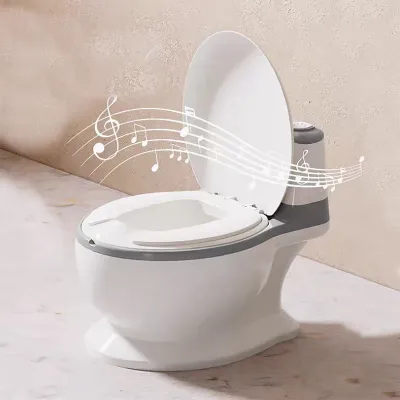
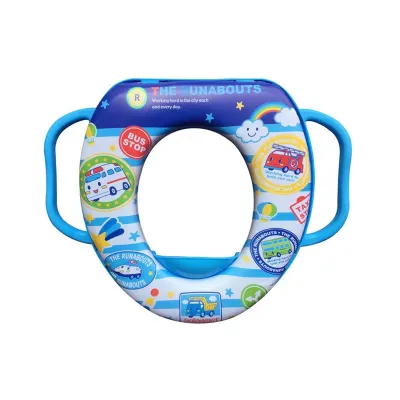
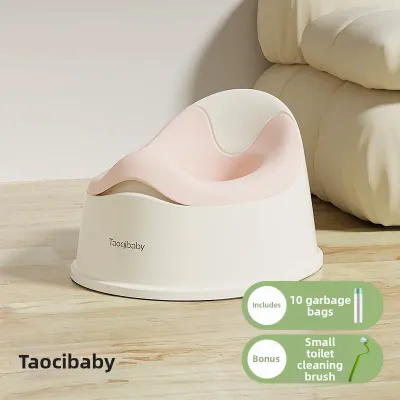
A standalone potty is a miniature, self-contained toilet that sits directly on the floor, offering a highly accessible and non-intimidating option for beginners. A seat reducer is an adapter that fits securely over your existing adult toilet seat, shrinking the opening so your child can sit comfortably without the fear of falling in. Finally, travel potties are lightweight, highly portable solutions designed to maintain consistency when you are away from home, whether you are visiting relatives or running errands.
To find the perfect match, you must balance your available bathroom space, your toddler’s level of physical independence, and how much hands-on cleaning you are prepared to do. This guide will walk you through the practical realities of each option, helping you assess your household setup so you can select a potty that makes the transition as smooth and stress-free as possible.
Products mentioned in this guide
![[SG STOCK] Potty Training Toilet Easy to Clean Cute Duck Baby Potty Training Seat with Splash Guard Toddler Toilet Seat](https://img.lazcdn.com/g/p/43b322c9eeaf92e9ebff6db15b96d8af.jpg_400x400q80.jpg_.webp)
Prices are valid at publication and may change. Please refer to the product page for the latest price.
Assessing Your Bathroom Space and Household Setup
Before purchasing any potty training gear, it is essential to take a close look at your physical living space. In many Singapore homes, particularly HDB flats or apartments with compact layouts, bathroom floor space is at a premium. A standalone potty requires dedicated floor space where it will not block walkways, prevent the bathroom door from opening fully, or become a tripping hazard during late-night bathroom visits. If your bathroom is exceptionally narrow, you may find yourself constantly moving a standalone unit out of the way, which can quickly become frustrating.

If you are leaning toward a seat reducer, you must evaluate your existing adult toilet. Not all toilet seats are shaped the same; some are round, while others are elongated or square-edged. You will need to measure the dimensions of your toilet bowl and check the underside of the seat reducer to ensure a snug, wobble-free fit. A loose or shifting seat can frighten a toddler and set back their progress. Additionally, consider the height of your toilet. Because a standard toilet is too high for a toddler to climb independently, you will need to factor in the space required for a sturdy step stool.
Another critical aspect of your household setup is the wet-dry division of your bathroom. If your bathroom lacks a separate shower screen and the floor frequently gets wet, a standalone potty sitting on the floor might collect water underneath, leading to hygiene issues. In contrast, a seat reducer keeps the child off the wet floor but requires you to have a dry, accessible spot to hang or store the adapter when adults need to use the toilet. Evaluating these daily logistical details beforehand will prevent you from buying gear that simply does not fit your lifestyle.
Standalone Potties: Independence and Floor-Level Comfort
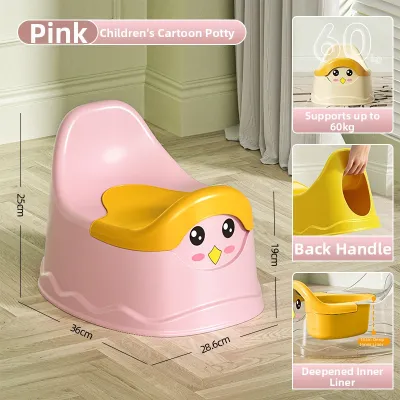
Standalone potties are often the default choice for parents starting the training process, and for good reason. Because they sit directly on the floor, they allow your toddler to sit down and stand up completely independently, without needing an adult to lift them or assist with a step stool. This low-to-the-ground positioning is highly ergonomic; it allows your child to plant their feet firmly on the floor, which naturally positions their body in a squat that makes bowel movements much easier and more comfortable.
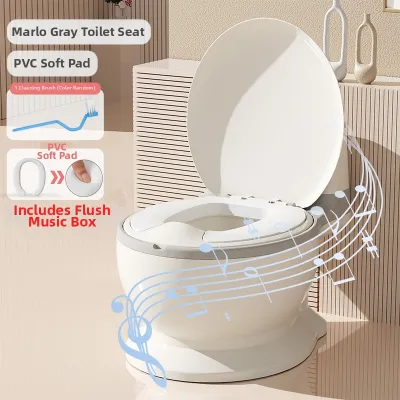
For many toddlers, the sheer size of an adult toilet can be intimidating. The loud, rushing sound of a flushing toilet and the deep water bowl can trigger anxiety in sensitive children. A standalone potty provides a sense of security because it is entirely child-sized, non-threatening, and belongs exclusively to them. You can also place a standalone potty in a playroom or living area during the very early days of training, ensuring that the potty is always within sight and quick reach when your toddler suddenly realizes they need to go.
However, standalone potties come with a significant trade-off: the cleanup process. Because these units are self-contained, they do not flush. Every successful potty visit requires you to manually carry the inner bowl to your adult toilet, empty the contents, rinse it out, and sanitize it. This routine must be performed immediately to prevent odors and staining. Additionally, standalone potties occupy permanent floor space, which can make a small bathroom feel cluttered and require extra effort to sweep and mop around.
Seat Reducers: Space-Saving and Direct Toilet Transition
For families dealing with limited bathroom space or those who want to bypass the manual cleaning of a standalone bowl, seat reducers are an excellent alternative. These inserts sit directly on top of your adult toilet seat, instantly converting it into a child-friendly size. The most significant advantage of a seat reducer is the streamlined cleanup. Once your child is finished, the waste goes directly into the toilet bowl, and all you have to do is flush. There is no manual emptying, rinsing, or scrubbing of a separate container.
Using a seat reducer also helps familiarize your toddler with the adult toilet from day one. They get used to the height, the bathroom environment, and the sound of the flush as part of their normal routine, which can make the eventual transition to using public restrooms and school toilets much easier. Because the reducer is compact, it can be hung on a simple adhesive hook on the side of the toilet tank or wall when not in use, keeping your bathroom floor completely clear.
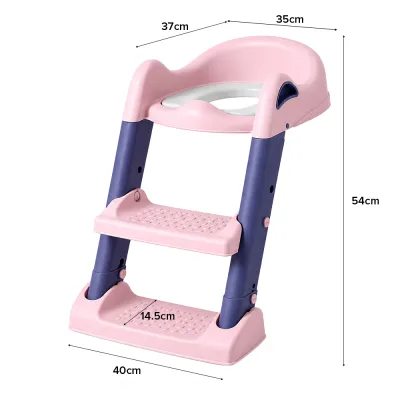
Despite these benefits, seat reducers require more adult involvement and physical coordination from your child. Your toddler will need a sturdy step stool to climb up to the toilet seat safely. If they are still developing their balance, the height of the adult toilet can feel scary, and they may worry about falling in. Furthermore, whenever an adult needs to use the toilet, the reducer must be removed and set aside, which can be inconvenient in a single-bathroom household where multiple family members share the same facilities.
Travel and Portable Potties: Managing On-the-Go Needs
Potty training does not stop when you leave the house, and managing your toddler’s needs while on the go requires careful planning. A travel potty is an invaluable tool for maintaining consistency and preventing accidents when you are away from your home setup. If your child is accustomed to a specific routine, encountering unfamiliar, loud, or poorly maintained public restrooms can cause them to hold their urine, leading to discomfort and setbacks.
Travel potties generally fall into two categories: foldable seat reducers and self-contained portable potties. Foldable seat reducers are compact adapters that fold down to fit into a diaper bag or backpack. They can be placed over public toilet seats to provide a clean, familiar surface for your child. Self-contained portable potties, on the other hand, are freestanding units that can be used in the back of a car, at a park, or on a beach. These typically utilize disposable, absorbent liners that you can tie up and discard in a trash bin, eliminating the need for immediate washing.
When choosing a travel potty, consider your typical outings and transportation methods. If you rely on public transport or walk frequently, a lightweight, highly compact folding seat reducer is usually the most practical choice. If you drive regularly, keeping a sturdier, self-contained portable potty with disposable liners in your car boot ensures you are always prepared for traffic delays or sudden emergencies. Whichever style you choose, prioritizing hygiene by carrying sanitizing wipes and wet bags is essential for managing these on-the-go situations smoothly.
Matching the Potty to Your Toddler's Readiness and Size
Selecting the right potty is not just about your bathroom layout; it must also align with your toddler’s physical development and temperament. Children grow at vastly different rates, and a potty that works perfectly for a petite two-year-old might be uncomfortable or unstable for a taller, heavier three-year-old. Before making a purchase, check the manufacturer’s weight limits and physical dimensions to ensure the potty can safely support your child.
When your child sits on the potty, their feet should be flat on the floor or on a step stool, with their knees bent at a slightly higher level than their hips. This posture relaxes the pelvic floor muscles, making it much easier for them to eliminate. If a standalone potty is too small, your child’s knees will be pushed up too high, causing discomfort. Conversely, if a seat reducer is paired with a step stool that is too low, their legs will dangle, which can cause muscle tension and make them feel insecure.
Your child’s temperament and sensory preferences also play a major role. A child who is highly sensitive to noise or sudden movements may struggle with a seat reducer on a loud, automatic-flushing toilet. For these children, starting with a quiet, low-profile standalone potty in a calm corner of the home can build the necessary confidence. As they become more comfortable with the process, you can gradually introduce them to the adult toilet. Observing your child’s reactions and being willing to adjust your approach will prevent the potty from becoming a source of anxiety.
Essential Safety and Usability Features to Verify
When evaluating different potty models in a store or online, there are several critical safety and usability features you should verify on the product packaging or manufacturer specifications. Because toddlers are naturally active and still developing their balance, stability is the absolute highest priority. Look for standalone potties and step stools that feature wide, non-slip rubber bases or rubberized feet that grip the floor securely, preventing the unit from sliding when your child sits down or stands up.
Another essential feature to check is the splash guard. A well-designed splash guard is high enough to prevent urine from spraying outside the bowl, which is particularly important for boys but also helpful for active girls. However, the guard should not be so high or rigid that it makes it difficult or painful for your child to sit down or get off the potty. Look for soft, integrated splash guards that offer protection without creating a physical barrier.
Hygiene and ease of cleaning should also guide your decision. Examine the potty for any deep crevices, seams, or decorative grooves where liquid and bacteria can accumulate. A smooth, seamless plastic design with an easily removable inner bowl is much simpler to wipe down and sanitize. Finally, verify that the materials used are durable, BPA-free, and meet local safety standards. Taking the time to check these physical details before you buy will ensure a safer, more hygienic experience for your entire household.
Frequently Asked Questions (FAQ)
Can I use both a standalone potty and a seat reducer?
Yes, using both types simultaneously is a highly effective strategy for many families. Placing a standalone potty in your child’s main play area ensures they have immediate access when they are first learning to recognize the urge to go, while installing a seat reducer in the bathroom helps them practice using the adult toilet. This dual approach provides consistency across different rooms, reduces the likelihood of accidents during play, and makes the eventual transition to using the adult toilet full-time much more natural.
How do I clean and maintain a training potty safely?
To maintain proper hygiene, empty standalone potties into the adult toilet immediately after use, rinse the bowl with water, and wash it with mild soap and warm water. For seat reducers and step stools, wipe them down regularly with a damp cloth and a gentle, child-safe disinfectant. Always check the manufacturer’s instructions before using harsh chemical cleaners or placing any parts in a dishwasher, as strong chemicals can degrade the plastic and compromise the structural integrity of the potty over time.
What if my toddler refuses to use the potty I bought?
If your toddler refuses to use a specific potty, try to identify if the cause is physical discomfort, a fear of heights, or anxiety about the flushing sound. You can address this by letting your child help select a new potty or seat reducer, which gives them a sense of control over the process. If the resistance continues, it is often best to temporarily pause training for a few weeks and reintroduce the potty in a low-pressure way, ensuring the experience remains positive and stress-free.

Community discussion
Share your experience or ask a question. Comments are reviewed before publication.