
Selecting the right toy organisers is not just about keeping a nursery tidy; it is about supporting your child’s physical and cognitive growth. The ideal storage setup changes as your baby develops, shifting from high, caregiver-managed caddies to low, open shelves, and eventually to modular sorting systems. By aligning your storage choices with your child’s milestones, you create a safer, more engaging environment that encourages independent play and learning.
Quick Guide: Matching Toy Organisers to Developmental Needs
As your child grows, their interaction with their surroundings changes. In the first few months, infants are passive observers, meaning caregivers handle all toy retrieval and sanitisation. Consequently, storage during this stage focuses on keeping items clean, dust-free, and within easy reach of adults.
Once mobility begins, the storage dynamic shifts. Crawlers and early walkers need to see and reach their toys safely, requiring a transition to low-lying, open-front organisers. At this stage, the physical design of the organiser—such as its height, stability, and the absence of heavy lids—becomes a primary safety consideration.
Products mentioned in this guide
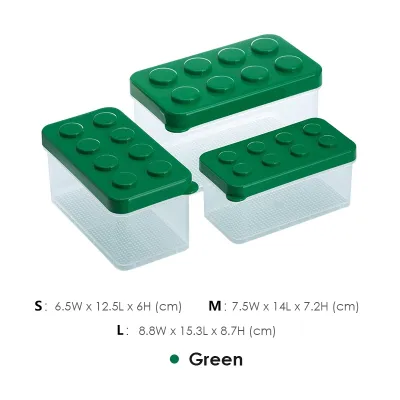
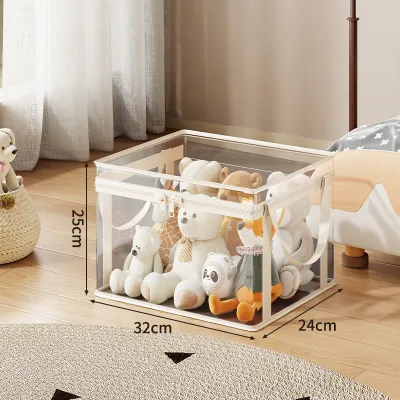
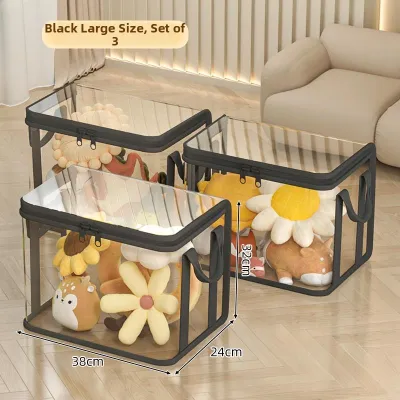
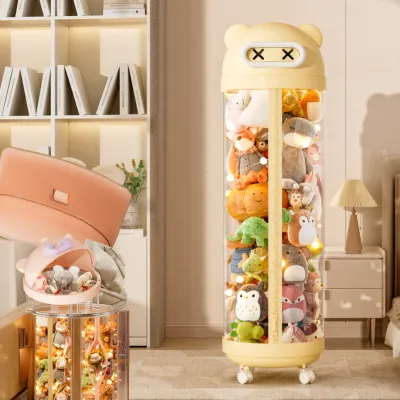
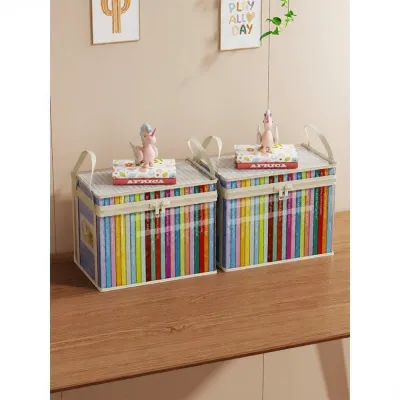
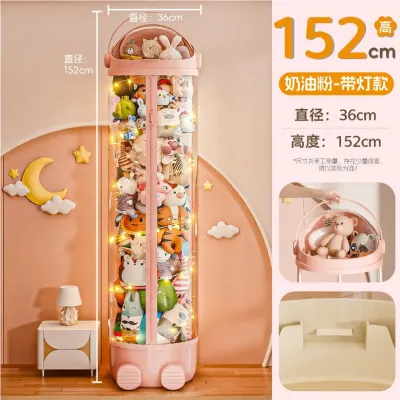
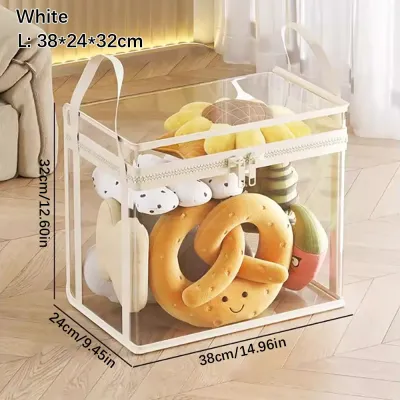
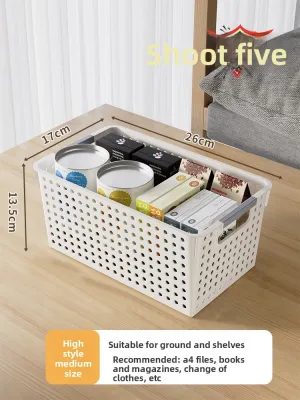
Prices are valid at publication and may change. Please refer to the product page for the latest price.
When choosing any storage unit for a nursery, safety must remain the absolute baseline. This involves verifying that units are constructed from sturdy, non-toxic materials, checking for stable bases, and ensuring that any tall or heavy furniture can be securely anchored to the wall. Understanding these shifting needs helps you select versatile pieces that can adapt to your home’s layout and your child’s growing capabilities.
Toy Organisers for Infants (0–6 Months): Caregiver-Managed Storage
During the first six months, your baby’s toys consist primarily of high-contrast cards, soft rattles, sensory balls, and teethers. Because infants cannot yet retrieve toys themselves, the primary goal of storage is to keep these items clean, organised, and easily accessible for parents. Caregiver-managed storage keeps small items off the floor and away from dust, ensuring they remain hygienic for a baby who explores the world primarily with their mouth.

Closed bins, portable caddies, and hanging organisers are excellent choices for this stage. A portable storage caddy with multiple compartments allows you to carry a selection of toys, nappies, and wipes from the nursery to the living room effortlessly. Hanging organisers that attach securely to the side of a changing table or wardrobe keep essential sensory items within arm’s reach while keeping the floor clear.
When selecting these early storage solutions, material checks are essential. Look for organisers made from wipeable surfaces or breathable, machine-washable fabrics that can be easily sanitised. Check the structural integrity of hanging organisers, ensuring that straps, hooks, and seams are robust and show no signs of fraying.
Toy Organisers for Crawlers and Early Walkers (6–18 Months): Safe Exploration
Between 6 and 18 months, babies undergo a massive physical transformation as they learn to sit, crawl, pull up to stand, and eventually take their first steps. During this highly active phase, toy storage must transition to support safe, independent exploration. Low, open shelving units allow babies to see their toys clearly, encouraging them to make choices and crawl over to retrieve what interests them.
Ideal organisers for this stage include low open shelves, soft fabric bins, and forward-facing book displays. Forward-facing bookshelves display the covers of books rather than the spines, which helps pre-verbal children identify their favourite stories. Soft, lightweight fabric bins are excellent for holding plush toys or wooden blocks, as they do not have sharp corners or heavy structures that could cause injury if tipped over.
Physical safety is paramount during this stage of rapid motor development. Because babies will naturally use furniture to pull themselves up to a standing position, any storage unit must be exceptionally stable. Avoid deep bins where a baby might lean in too far and lose their balance. It is also critical to avoid organisers with heavy wooden lids or drawers that could trap little fingers.
Toy Organisers for Toddlers (18–36 Months): Independence and Sorting
As children enter the toddler years, their cognitive abilities expand to include basic categorisation, sorting, and a strong desire for autonomy. Toy organisers for this stage should not only store items but also serve as tools that teach organisation and responsibility. When toddlers can easily access and put away their own toys, they develop a sense of ownership over their play space.
Modular cube storage systems, clear plastic tubs, and dedicated toy rotation shelves are highly effective for toddlers. Modular systems allow you to configure the storage to fit your space, keeping some bins low for daily access and others higher up for toys that require adult supervision. Clear bins are particularly useful because they allow toddlers to see exactly what is inside without dumping the entire contents onto the floor.
You can encourage independent tidying by using simple visual cues on your storage bins. Attaching pictures or simple line drawings of blocks, dolls, or cars to the front of each bin helps toddlers understand where each item belongs. When managing larger, heavier toys, place them on the lowest shelves of the organiser to prevent the unit from becoming top-heavy.
Essential Safety Checks for Nursery Toy Storage
Before introducing any toy organiser into your child’s room, conducting a thorough safety inspection is vital. Children’s furniture must withstand active daily use, making physical stability and material safety non-negotiable. Taking the time to verify these details protects your child from common household hazards.
Wall Anchoring and Stability Always check the manufacturer’s instructions regarding wall-tying kits and anchoring hardware. Any storage unit that is tall, top-heavy, or features drawers or shelves that a child could climb must be securely anchored to the wall. In Singapore’s high-rise apartments, concrete walls require specific masonry plugs and screws, so ensure you use the correct hardware recommended by the manufacturer or consult a professional installer.
Physical Hazards and Pinch Points Inspect the organiser thoroughly for potential physical hazards before assembly and during use. Run your hands along all edges to check for sharp corners, splinters, or rough plastic seams. Verify that there are no small, detachable parts—such as plastic caps, decorative knobs, or loose screws—that could become choking hazards. Ensure that any moving parts, such as hinges or sliding tracks, have built-in safety stops to prevent pinch points.
Material and Finish Verifications Examine the product labels and manufacturer specifications to verify the safety of the materials used. Look for non-toxic, lead-free finishes on wooden or painted units, and ensure plastic bins are free from harmful chemicals like BPA. Read the care instructions carefully to understand how to clean the surfaces without degrading the protective finishes.
Adapting Your Storage System as Your Child Grows
Investing in versatile, adaptable storage systems can save you time and money as your child transitions through different developmental stages. Instead of replacing your furniture every year, look for modular designs that can be reconfigured. For example, a low, horizontal shelving unit used during the crawling stage can often be turned vertically or stacked with additional units to become a taller bookcase as your child grows.
You can also repurpose early infant storage solutions for other nursery needs. A portable toy caddy that once held rattles and teethers can easily transition into a craft organiser for crayons and safety scissors, or a storage bin for socks and hair accessories. Hanging organisers can be moved inside wardrobes to store shoes, winter wear, or bedding, extending their usefulness long after the baby stage.
However, it is important to know when to retire or replace an organiser. Regularly inspect your storage units for signs of wear, such as sagging shelves, loose joints, or cracked plastic bins. If a unit’s structural integrity is compromised, or if your child’s physical size and strength have outgrown the safety limits specified by the manufacturer, it is time to decommission the organiser.
Frequently Asked Questions (FAQ)
How often should I rotate toys in the organiser?
Toy rotation is an excellent way to keep your child engaged without overwhelming them with too many choices. Rather than following a rigid calendar schedule, observe your child’s play patterns; when you notice they are ignoring certain items or dumping bins without playing, it may be time to swap them out. Using opaque bins stored out of sight in a wardrobe or storeroom is a great way to keep resting toys hidden, maintaining their novelty when they are reintroduced. Always check the manufacturer’s guidelines for storage conditions to ensure toys kept in closed cupboards do not suffer from moisture or material degradation.
Are fabric bins safer than plastic or wood for babies?
No single material is universally superior, as each has distinct physical characteristics and safety considerations. Fabric bins are lightweight and soft, making them excellent for preventing impact injuries and eliminating pinch points, but they lack the rigidity needed to support heavy items. Plastic bins are highly durable and easy to wipe clean, though they can crack under heavy impact. Wooden organisers offer exceptional structural stability but are heavy and require careful inspection for splinters or sharp corners. When choosing fabric bins, always inspect them for small removable parts, zippers, or decorative buttons that could pose a choking hazard, and read the care labels to ensure they can be washed.

Community discussion
Share your experience or ask a question. Comments are reviewed before publication.