
Finding a suitable thick portable baby mat for outdoor use in Singapore requires balancing cushioning, moisture resistance, and heat management. Because the tropical climate brings high humidity, sudden rain showers, and intense sunlight, a standard indoor play mat is rarely sufficient. A practical outdoor mat must protect your baby from uneven park terrain while remaining easy to fold, carry, and clean.
To make an informed choice, parents should focus on verifying material specifications, checking waterproof backings, and assessing how well the mat folds down for transport in a stroller basket or car trunk. Rather than searching for a single universal option, the decision comes down to matching the mat’s material and thickness to your specific outdoor activities, whether that is a picnic at East Coast Park or a playdate on the lawn at the Singapore Botanic Gardens.
Essential Features for Outdoor Baby Mats in Singapore
Singapore’s grass is often damp, even on sunny afternoons, due to high humidity and morning dew. A mat without a proper moisture barrier will quickly absorb water, leaving your baby damp and uncomfortable. Look for mats with a designated waterproof or highly water-resistant bottom layer that prevents ground moisture from seeping through to the top surface.
Products mentioned in this guide
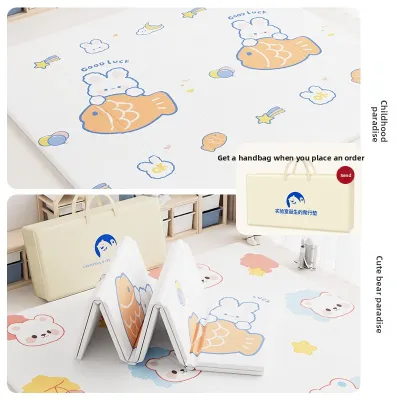
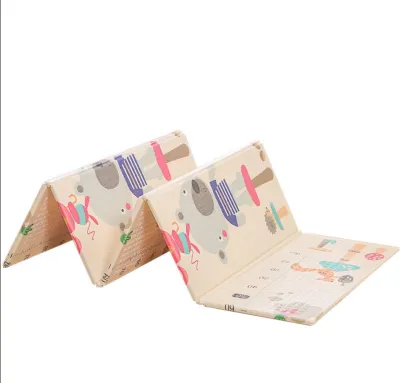
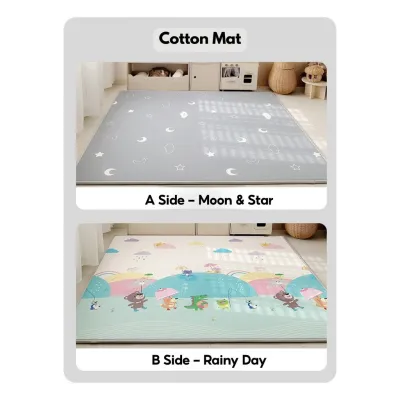
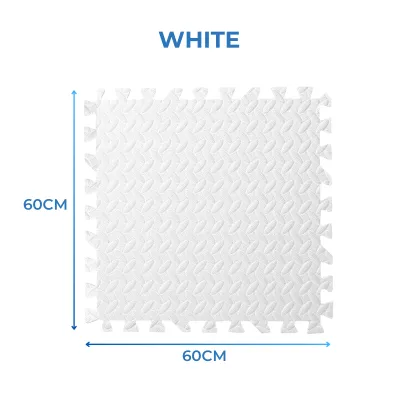
![[Buy 10 Free 2] 2.5cm Thick Interlocking Foam Floor Tiles 30x30cm EVA Foam Play Mats for Babies and Toddles Puzzle PlayMat](https://img.lazcdn.com/g/p/94a77a980b04e18d614dcbe5b227e5c1.jpg_400x400q80.jpg_.webp)
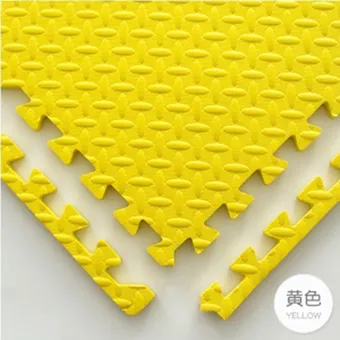
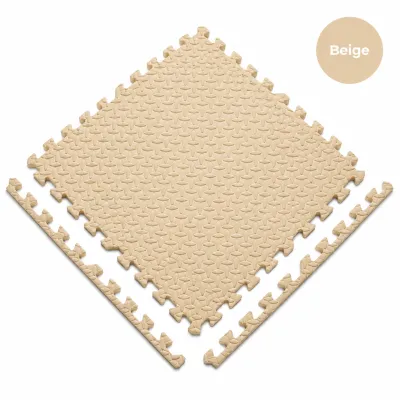
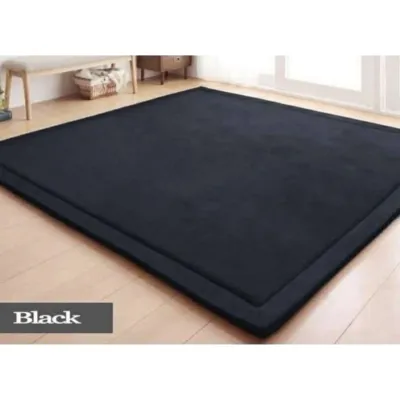
Prices are valid at publication and may change. Please refer to the product page for the latest price.
The intense tropical sun can degrade materials rapidly. UV rays break down certain plastics and fade fabrics, which can lead to cracking, peeling, or a loss of cushioning over time. Checking the manufacturer’s specifications for UV resistance or colorfastness can help ensure the mat survives repeated outdoor exposure without deteriorating.
Outdoor environments introduce dirt, grass stains, spilled milk, and sticky food residue. A practical outdoor mat must feature a surface that you can wipe down instantly with a damp cloth or baby wipe. Avoid intricate textures or deep crevices where dirt can become permanently trapped, as these require intensive scrubbing that is difficult to manage while away from home.
A thick mat is only useful if you can easily transport it to your destination. Look for lightweight designs that feature integrated folding lines or rolling mechanisms. Built-in carry straps, dedicated travel bags, or handles make it much easier to carry the mat alongside a stroller, diaper bag, and other baby essentials.
Comparing Mat Materials for Humid and Hot Climates
Singapore’s year-round heat and humidity place unique demands on baby gear. When selecting a thick portable mat, the material composition directly affects how hot the surface gets under the sun and how well it resists mold in humid storage conditions.

Some materials trap heat, creating an uncomfortable, sweaty surface for a crawling baby, while others may absorb ambient moisture and develop musty odors if stored in a closed closet. Understanding these material properties allows you to choose a mat that remains cool, dry, and hygienic.
Closed-Cell Foam Mats
Closed-cell foam, such as XPE or expanded polyethylene, is highly popular for outdoor use due to its reliable cushioning and natural moisture resistance. The closed-cell structure prevents water from penetrating the interior, making it easy to wipe dry after a sudden downpour or a spill.
However, foam can retain heat when exposed to direct sunlight, causing the surface to feel warm to the touch. Additionally, prolonged exposure to intense heat can cause some foam materials to warp or degrade. When purchasing a foam mat, always check the product packaging for non-toxic material labels and verify that the foam is free from harmful chemicals like formamide, heavy metals, and phthalates.
Padded Fabric and Quilted Mats
Padded fabric and quilted mats offer a softer, more traditional blanket-like feel that many babies find comfortable. These mats often fold down into compact sizes, making them easy to slip into a stroller basket or carry over your shoulder.
To be practical for outdoor use, a fabric mat must feature a robust, waterproof backing material, such as polyester with a polyurethane coating. Without this barrier, moisture from the grass will quickly soak through the padding. Keep in mind that fabric mats generally require machine washing and have longer drying times compared to foam, meaning you must plan for laundry cycles after outdoor excursions.
Silicone and Rubber-Backed Options
Mats featuring silicone or natural rubber backings provide strong grip on smooth park pavilions, wooden decks, or slightly uneven grassy slopes. This slip-resistant quality keeps the mat firmly in place while your baby practices rolling, sitting, or crawling.
The trade-off for this stability is weight; rubber and heavy silicone options are significantly heavier than lightweight foam or fabric mats, which can make them cumbersome during long walks. While they are highly durable and easy to hose down, they require thorough air-drying on both sides before storage to prevent slipping hazards and musty smells.
Balancing Thickness, Cushioning, and Portability
When choosing an outdoor baby mat, thickness is a primary consideration for protecting your baby from hard ground, hidden pebbles, and tree roots. However, thicker is not always better if it makes the mat too bulky to transport. Finding the right balance requires looking beyond the millimeter measurements on the box.
To assess impact protection, consider the terrain where you plan to use the mat. If you frequently visit parks with hard-packed soil, gravel, or concrete pathways, a thicker mat (typically around 1 to 2 centimeters) is beneficial. For soft, well-maintained lawns, a slightly thinner, more flexible mat may provide sufficient comfort while being much easier to pack.
The physical density and rebound properties of the mat are often more important than thickness alone. A thin, high-density foam mat can offer enhanced shock absorption compared to a thick, low-density mat that bottoms out completely under your baby’s weight. Press down firmly on the mat before buying to see how quickly it springs back; a supportive rebound indicates better cushioning.
Finally, consider how the mat’s thickness affects its folded or rolled dimensions. A very thick mat may not fit into standard stroller storage baskets or might take up the entire trunk of a compact car. Measure your stroller’s storage compartment and compare it to the manufacturer’s folded specifications to ensure you can transport the mat without hassle.
Building Your Shortlist: A Pre-Purchase Verification Checklist
Before finalizing your purchase, it is essential to verify specific product details rather than relying solely on marketing claims. Use this checklist to evaluate candidate mats against your family’s needs and Singapore’s environmental conditions:
- Verify age and weight recommendations: Check the manufacturer's documentation to ensure the mat is rated for your baby's specific developmental stage. Some mats are designed primarily for newborn tummy time, while others are robust enough to support active toddlers.
- Check safety certifications: Look for independent safety certifications on the official product label. Verify that the mat complies with international toy safety standards (such as EN71 or ASTM F963) to ensure it is free from lead, phthalates, and other hazardous substances.
- Review care and cleaning instructions: Ensure the manufacturer's cleaning guidelines align with your lifestyle. If you prefer machine washing, confirm that the fabric mat can withstand regular laundry cycles without clumping. For foam or rubber mats, verify that they can be cleaned with standard mild household soaps.
- Confirm folded dimensions: Measure your stroller basket, car boot, or home storage space. Compare these measurements with the mat's folded or rolled dimensions to guarantee a convenient fit.
- Assess supervision requirements: Remember that no mat replaces active adult supervision. Always check the manufacturer's safety warnings regarding outdoor placement, especially near water bodies, slopes, or areas with potential insect hazards.
Frequently Asked Questions (FAQ)
Can I leave a thick portable baby mat outside in the sun?
Leaving a thick portable baby mat in direct sunlight for extended periods is not recommended. Intense UV exposure can degrade synthetic materials, causing foam to become brittle, colors to fade, and waterproof backings to peel. Furthermore, dark-colored mats or dense foam can absorb significant heat, raising the surface temperature to a level that could cause discomfort or skin irritation for your baby. Always set up your mat in a shaded area, such as under a park tree or a canopy, and store it indoors when not in use.
How do I clean a baby mat after a picnic on damp grass?
To clean your mat after outdoor use, start by shaking off any loose grass, dirt, or sand. For waterproof foam or rubber-backed mats, wipe down both sides with a soft cloth, mild soap, and lukewarm water. If you are using a fabric mat, follow the manufacturer’s specific washing instructions, which often involve a gentle machine cycle. Crucially, allow the mat to air-dry completely in a well-ventilated, shaded area before folding and storing it. Storing a damp mat in a humid environment like Singapore will rapidly lead to mold and mildew growth.

Community discussion
Share your experience or ask a question. Comments are reviewed before publication.