
Transitioning your child from a bottle or breast to a kids cup with straw is a major developmental milestone that requires matching the cup’s design to their growing physical capabilities. Rather than relying on a one-size-fits-all solution, selecting the right cup involves evaluating your child’s age, oral motor skills, and coordination. A well-designed straw cup encourages healthy oral development, helps prevent spills, and fosters independence during meal times. By understanding the specific features needed at each stage—from soft, slow-flow transition cups for infants to durable, high-capacity travel bottles for older toddlers—you can ensure a smooth, frustration-free transition. This guide outlines how to evaluate and choose the best straw cup for your child’s developmental stage, ensuring safety, hygiene, and ease of use.
Why Developmental Stages Dictate Straw Cup Design
Children develop oral motor skills rapidly during their first three years, and their drinking vessels must evolve alongside these milestones. In the early months, infants rely on a suckling reflex, drawing liquid from a nipple with a forward-and-backward tongue movement. Transitioning to a straw cup requires a mature sucking pattern, where the tongue retracts, the lips seal tightly, and the cheeks contract to create suction. This shift supports swallowing coordination and strengthens the muscles of the jaw, lips, and tongue, which are foundational for speech development.
Physiological readiness for a straw cup typically aligns with other weaning milestones, such as sitting upright independently, showing curiosity about family meals, and successfully swallowing pureed foods. Introducing a straw cup too early can lead to coughing or fluid entering the airway if swallowing coordination is not yet mature enough to handle the flow rate. Conversely, delaying the transition past the first year can make it harder to break the habit of bottle-feeding, which may impact dental alignment over time.
Products mentioned in this guide
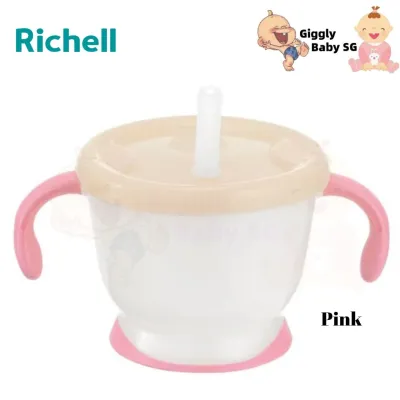
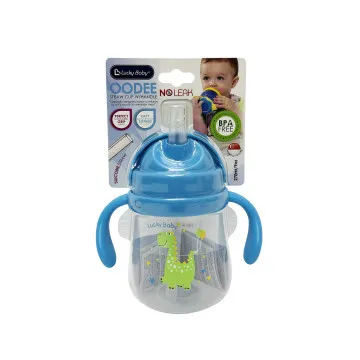
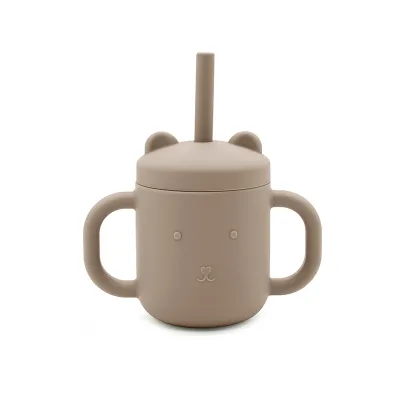
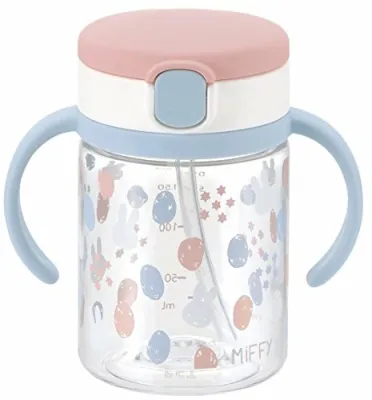
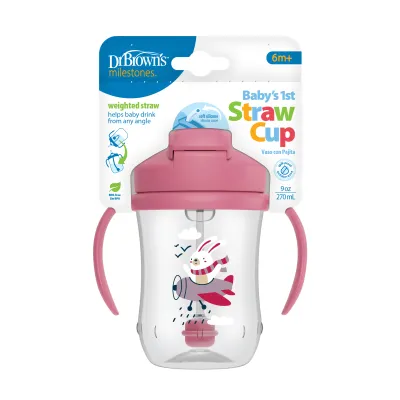
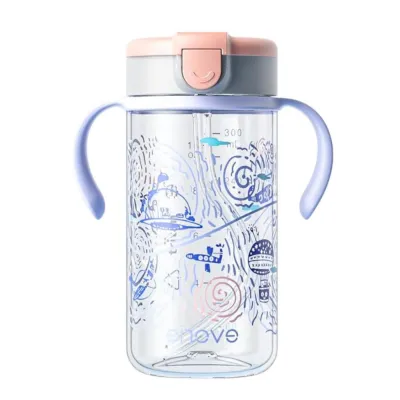
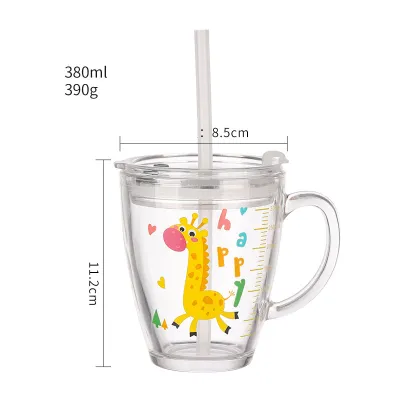
Prices are valid at publication and may change. Please refer to the product page for the latest price.
As your child grows, their physical coordination and grip strength change, requiring adaptations in cup ergonomics. A six-month-old needs a lightweight cup with prominent handles and a highly responsive, soft straw that requires minimal effort to draw liquid. An older toddler, possessing refined hand-eye coordination and greater physical strength, benefits from a larger, handle-free cup that mimics adult drinking patterns while offering robust leak protection to withstand active play. Matching the cup’s design to these shifting capabilities prevents frustration and supports natural developmental progression.
Core Features to Verify Before Purchasing
When shopping for a toddler straw cup, parents must carefully evaluate technical specifications and design elements to ensure safety and usability. The straw material is the primary point of contact, making medical-grade or food-grade silicone the standard choice for beginners due to its flexibility and softness on sensitive gums. For older toddlers, firmer materials may be appropriate, but they must still be checked for durability against biting. Additionally, look closely at the valve mechanism inside the straw; while spill-proof valves prevent messy cleanups, some require significant suction force that can frustrate a younger child who is still learning the basic mechanics of straw drinking.

The cup’s body material dictates its durability, weight, and maintenance. Common options include polypropylene plastic, food-grade stainless steel, and borosilicate glass wrapped in protective silicone sleeves. Plastic cups are lightweight and drop-resistant, but you must verify they are labeled free from BPA and BPS. Stainless steel offers exceptional durability and temperature retention—ideal for warm tropical climates—but adds weight that might tire a younger infant. Glass provides an inert surface for taste and hygiene but requires careful supervision and protective casing to prevent breakage.
Ergonomics and ease of cleaning are critical factors impacting daily utility. For infants, dual handles angled slightly downward facilitate a natural grip and encourage self-feeding. When evaluating models, check the complexity of the lid and valve assembly; cups with numerous small, interlocking parts or deep crevices are highly prone to trapping moisture and organic residue. Opt for designs that can be fully disassembled, are dishwasher-safe according to manufacturer instructions, and include a dedicated cleaning brush.
Material Safety and Certification Checklist
Before finalizing any purchase, check the product packaging or manufacturer website for specific safety certifications. Look for compliance with international safety standards, such as those set by the European Committee for Standardization (EN 14350) or the US Food and Drug Administration (FDA). These certifications verify that the materials used have undergone testing for chemical migration and mechanical safety. Additionally, inspect the product for clear age-rating labels, as manufacturers design cups to meet specific safety thresholds for choking hazards and structural integrity based on the target age group.
6 to 12 Months: First Sips and Transitioning
The introduction of a straw cup between six and twelve months is primarily about exploration and learning rather than high-volume hydration. At this stage, breast milk or formula remains the primary source of nutrition, so water intake from a cup should be limited to small, supervised sips during meals. To facilitate this learning process, look for transition cups featuring extremely soft, flexible silicone straws that mimic the familiar texture of a bottle nipple. These straws should have a rounded or flattened tip that sits comfortably in a small mouth without poking the palate.
Anti-choke and slow-flow mechanisms are vital during this initial phase to prevent the infant from drawing in more liquid than they can comfortably swallow. Many transition cups utilize a cross-cut valve at the base of the straw that only opens when the child applies active pressure with their lips or tongue. This design prevents gravity-fed pooling of liquid in the mouth, reducing the risk of coughing. A small capacity, typically between 120ml and 180ml, keeps the overall weight manageable for tiny hands and prevents water from becoming warm during a meal.
Parents should closely monitor their child’s adaptation signals during this phase. If your baby consistently coughs, sputters, or shows distress when using the straw cup, it is a clear sign to pause the transition. Revert to breastfeeding or bottle-feeding for a few weeks before trying again, or consult a pediatric professional or lactation consultant to evaluate their oral motor development. Always supervise your infant closely during cup use, ensuring they remain seated upright to minimize any risk of choking.
12 to 24 Months: Supporting Independent Drinking
As toddlers enter their second year, their physical activity increases dramatically, and their drinking habits shift toward independent hydration throughout the day. During this stage, the ideal straw cup must balance effective leak prevention with an accessible flow rate. While highly restrictive spill-proof valves are convenient for parents, they can encourage toddlers to bite down hard on the straw to get liquid, which can lead to poor oral habits or damage to the straw. Look for cups that feature a moderate-flow valve that requires less suction but still seals reliably when the cup is tipped over or dropped.
Durability becomes a paramount concern as toddlers test gravity by throwing cups from high chairs or strollers. Look for robust, drop-resistant materials such as thick, BPA-free polypropylene or double-walled stainless steel. The lid mechanism should be secure enough to withstand high-impact drops without popping open, yet simple enough for an older toddler to eventually learn to operate. Slide-to-open or flip-top lids are particularly useful, as they protect the straw from dirt and germs when the cup is tossed into a diaper bag or stroller basket.
Hygiene maintenance is critical during this active phase, as cups are frequently dropped on the floor or taken outdoors. Toddlers often backwash food particles into their cups, creating a breeding ground for bacteria if not cleaned promptly. Choose models featuring simple, intuitive disassembly with minimal parts. Avoid cups with permanently attached straws or complex internal valving that cannot be reached with a brush. Regularly inspect the straw for wear, especially if your toddler chews on the silicone, and replace the assembly immediately if you notice tears or deep bite marks.
2 to 3 Years: Advanced Flow and Portability
By the age of two, most toddlers have developed excellent swallowing coordination and hand-eye control, allowing them to transition to cups that closely mimic adult drinking patterns. At this stage, you can phase out highly restrictive spill-proof valves in favor of low-resistance or valve-free straws. These free-flowing straws require very little suction force, allowing your child to drink quickly and naturally. This transition supports mature swallowing patterns and prepares them for using standard open cups without a lid.
As your child’s physical activity and outdoor adventures increase, their hydration needs grow, requiring a larger cup capacity. Look for insulated travel bottles or larger straw cups with a capacity of 250ml to 350ml. Insulated stainless steel is highly beneficial for keeping water cool during extended outings, especially in warm climates. Portability features, such as integrated carry loops, carabiner clips, or recessed handles, allow toddlers to carry their own cups, fostering a sense of responsibility and independence.
While portability and capacity are key, safety and spill prevention remain important for travel. Look for cups with secure, leak-proof locking lids that completely seal the straw when closed, preventing accidental leaks in backpacks or car seats. This is also an excellent time to begin introducing open cups during structured family meals at home. You can evaluate your child’s readiness for open cups by observing their ability to control the tilt of a straw cup without spilling and their overall hand-eye coordination during play.
Cleaning Routines and When to Replace the Cup
Maintaining a rigorous cleaning routine is essential to ensure your child’s straw cup remains safe and hygienic. Because straw cups feature narrow tubes, valves, and silicone seals, they are highly susceptible to trapping moisture, milk residue, and organic matter, which can quickly lead to mold growth. After every use, completely disassemble the cup, separating the straw, valve, lid, and silicone gaskets from the main body. Rinse all parts under warm running water to remove immediate residue before washing.
For thorough cleaning, use a mild, unscented dish soap and specialized cleaning brushes, including a long, narrow wire brush designed specifically for straws. Gently thread the brush through the entire length of the straw and valve to scrub away hidden buildup. If manufacturer instructions permit, you can place disassembled parts on the top rack of a dishwasher or use a steam sterilizer. Avoid exposing silicone parts to excessive heat or harsh chemicals, which can cause the material to degrade, warp, or lose its seal. Lay all components out on a clean towel in a well-ventilated area to dry completely before reassembling.
Regular inspection of the cup’s components is vital for ongoing safety. Over time, silicone straws and valves will degrade from repeated washing, biting, and general wear. Inspect these parts weekly for signs of physical damage, such as deep bite marks, tears, cracks, or discoloration. Damaged silicone can easily tear further, creating a severe choking hazard if a small piece breaks off in your child’s mouth. If you observe any structural damage, or if mold has penetrated the porous silicone and cannot be completely removed, stop using the product immediately and replace the straw or valve assembly using official manufacturer replacement parts.
Frequently Asked Questions (FAQ)
When is the right time to introduce a straw cup?
Most pediatric professionals recommend introducing a straw cup around six months of age, coinciding with the introduction of solid foods. Look for developmental readiness signs rather than relying solely on age. Your baby should be able to sit upright independently with good head control, show active interest in what you are drinking, and successfully swallow smooth purees without pushing them out of their mouth with their tongue. If your child struggles initially, do not force the transition; instead, offer the cup for short, low-pressure practice sessions during meals and consult your pediatrician if you have concerns about their oral motor development.
How can I prevent mold inside the straw valve?
Preventing mold requires immediate disassembly and thorough drying after every single use. Never allow milk, juice, or water to sit in the cup overnight, as this creates an ideal environment for mold spores to multiply. Use a dedicated, ultra-thin straw brush to scrub the interior of the valve and straw with warm, soapy water. After washing, ensure all parts are placed in a well-ventilated drying rack with the straw positioned vertically so water can drain completely. If you notice any black spots or persistent odors that do not disappear after a thorough scrub, discard the affected silicone parts immediately and replace them.
Do weighted straws offer a real advantage for beginners?
Weighted straws can be highly beneficial for infants transitioning from bottles, as they feature a heavy anchor at the bottom of the straw that moves with the liquid. This design allows the child to drink from almost any angle, even when tilting the cup backward—a habit carried over from bottle-feeding. However, weighted straws often feature more complex valve designs and extra crevices, which increases cleaning difficulty and requires meticulous inspection for damage. Parents should weigh this convenience against the added maintenance effort, check the manufacturer’s age recommendations, and transition to a standard straw once the child learns to keep the cup upright.

Community discussion
Share your experience or ask a question. Comments are reviewed before publication.