
Transitioning your baby from a standard nipple bottle to a straw cup is a significant developmental milestone. In Singapore, parents often introduce straw bottles between 6 and 9 months of age to support oral muscle development and fine motor skills. However, keeping these narrow, flexible silicone tubes clean poses a unique challenge. Milk fats, formula residues, and juices easily cling to the inner walls of the straw, creating a breeding ground for bacteria and mold if not thoroughly scrubbed. This risk is particularly high in Singapore’s warm, humid climate, where moisture-loving microorganisms can multiply rapidly.
There is no single universal tool that fits every baby bottle straw perfectly. Finding the best straw cleaner brush depends entirely on matching the brush’s outer diameter, handle length, and wire flexibility to the specific design of your baby’s bottle brand, whether you use Pigeon, Munchkin, or Philips Avent. Using an incompatible brush can either leave hidden residue behind or permanently tear the delicate silicone components, compromising the bottle’s leak-proof seals.
Quick Answer: Matching Brushes to Bottle Brands
Selecting the right straw cleaner brush requires a clear understanding of your bottle’s internal geometry. Because baby bottle manufacturers design their straws to meet different developmental stages and leak-prevention standards, the internal diameter, length, and path of the straws vary significantly. A brush that is perfect for a straight, wide straw will easily ruin a delicate, weighted straw system.
Products mentioned in this guide
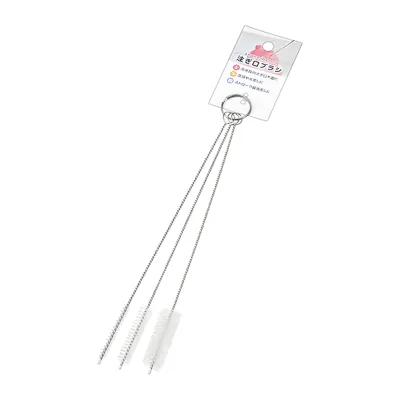

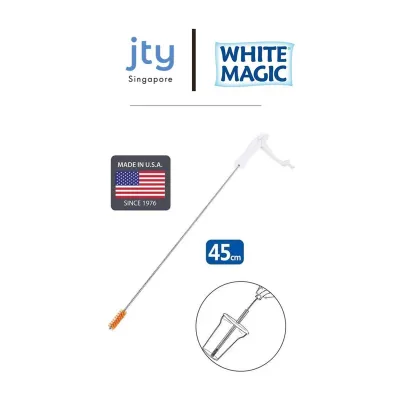
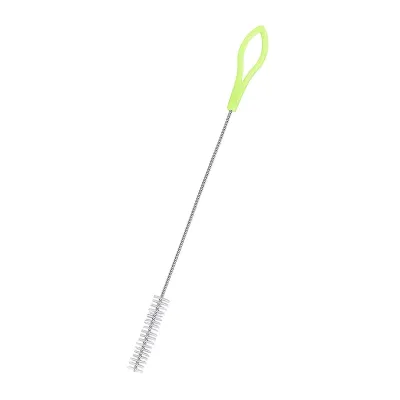
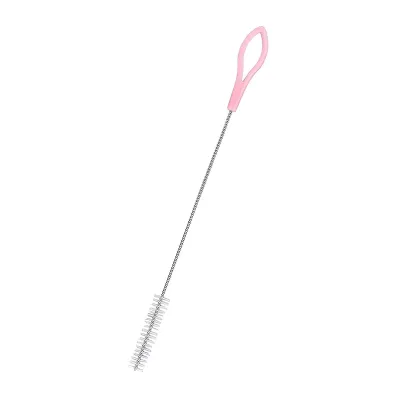
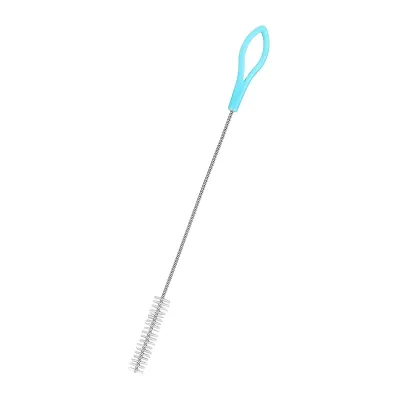
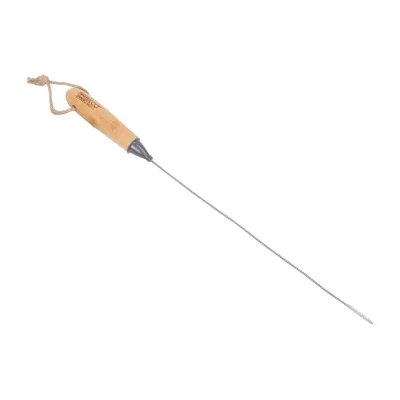
Prices are valid at publication and may change. Please refer to the product page for the latest price.
To simplify your decision, use this conditional framework to match your bottle brand with the correct brush type:
- For Pigeon Straw Bottles: Choose a slim, moderately firm brush with dense nylon bristles. Pigeon straws generally follow a direct, straight, or slightly angled path, requiring a brush that provides consistent scrubbing friction along a stable silicone wall.
- For Munchkin Weighted Straw Cups: Select an ultra-flexible, thin wire-core brush with very soft bristles. The brush must be highly pliable to navigate the tight angles near the weighted base without dislodging the internal weight or puncturing the thin silicone tubing.
- For Philips Avent Bendy Straw Cups: Look for a flexible brush featuring a smooth, rounded protective tip (such as a looped wire or silicone cap). This design prevents the metal core from piercing the delicate integrated bite valve at the top of the straw.
Before purchasing any brush, always verify the exact dimensions of your specific bottle model’s straw. Manufacturers frequently update their product lines, meaning straw diameters can change between different versions of the same cup. Checking the product packaging or the manufacturer’s official documentation is the safest way to ensure a correct fit.
Key Dimensions to Check Before Buying
To find a straw cleaner brush that cleans effectively without causing damage, you must evaluate three critical physical dimensions: bristle width, brush length, and core flexibility.

Inner Diameter vs. Bristle Width
For a straw cleaner brush to remove greasy milk film, its bristles must be slightly wider than the straw’s inner diameter when uncompressed. This slight oversizing ensures the bristles bend and exert continuous outward pressure against the silicone walls, scrubbing away dried residue. However, if the bristles are too wide or stiff, inserting the brush will require excessive force. This force stretches and warps the silicone, eventually causing micro-tears where bacteria can hide, or splitting the straw entirely.
Straw Length and Brush Reach
Your cleaning brush must be long enough to pass completely through the straw, extending slightly beyond the opposite end. If a brush is too short, you will be unable to clean the middle portion of the tube, leaving a band of unscrubbed milk fat that can quickly spoil. Measure the total length of your bottle’s straw and select a brush with a handle that offers at least two to three centimeters of extra reach to ensure thorough, end-to-end cleaning.
Flexibility and Bend Radius
Modern baby bottles often feature curved straws or weighted bases that bend as your baby tilts the cup. A standard, rigid wire brush cannot navigate these curves. You must check the flexibility of the brush’s core wire. A high-quality brush uses a resilient, flexible wire that can bend at a tight radius to follow the straw’s contour, returning to its straight shape afterward without snapping or kinking.
Brand-Specific Straw Designs and Brush Requirements
Different brands utilize distinct straw designs to prevent leaks and help babies drink comfortably. Understanding these brand-specific variations will guide you to the correct brush design.
Pigeon Straw Bottles
Pigeon’s straw bottle lines, such as the Mag Mag and Petit Straw Bottle series, are widely popular in Singapore. These bottles typically feature a two-part silicone straw system: a straight upper nozzle that the baby sips from, connected to a slightly angled lower tube that reaches the bottom of the bottle. The silicone used in Pigeon straws is relatively thick and durable, designed to withstand moderate wear.
To clean these straws, look for a brush with a slim profile and dense, firm nylon bristles. Because the path is relatively direct, a moderately firm brush works best to scrub away stubborn milk residue. However, because Pigeon designs different flow rates and straw sizes based on the baby’s age and developmental stage, always check your specific model’s manual to ensure the brush diameter is not too large for younger infant models.
Munchkin Straw Cups and Bottles
Munchkin is famous for its Click Lock Weighted Straw Cups, which allow babies to drink from any angle by utilizing a heavy weight at the bottom of a highly flexible silicone tube. While this design is excellent for active toddlers, it creates a complex, narrow, and highly delicate cleaning path. The silicone tubing is thinner than standard straws to allow for maximum movement inside the cup.
For Munchkin weighted straws, you must use an ultra-slim, highly flexible wire-core brush. The wire must be pliable enough to bend easily around the weighted connector at the bottom without pulling the weight loose or tearing the thin silicone. Avoid stiff, thick, or cheap rigid brushes, as forcing them into a Munchkin straw can easily puncture the tube or damage the internal weight mechanism.
Philips Avent Straw Bottles
Philips Avent Bendy Straw Cups feature a unique design where the lower part of the straw is curved to help babies drink naturally up to the last drop. Additionally, the upper part of the straw contains an integrated, spill-proof bite valve. This valve remains closed until the baby applies gentle pressure with their mouth, preventing messy leaks.
Cleaning this bite valve requires extreme caution. If you use a brush with a sharp, exposed wire tip, you risk puncturing the delicate valve membrane, which will cause the cup to leak constantly. Choose a brush with a smooth, rounded protective tip—such as a looped wire end or a silicone-coated tip. The brush must be flexible enough to navigate the lower bend while remaining soft enough to clean the valve area where milk residue frequently pools.
Material and Bristle Types: What Works Best for Baby Straws
The materials used in your straw cleaner brush directly impact its cleaning efficacy, durability, and safety. Parents must weigh the pros and cons of different bristle and core materials.
Nylon Bristles
Nylon is the most common material used for straw brushes. It offers excellent scrubbing power, easily cutting through greasy milk fats and formula residue. However, the quality of the nylon matters. Look for soft, high-grade nylon bristles. Stiff, low-grade nylon can create microscopic scratches on the inner surface of silicone straws. Over time, these tiny scratches collect milk proteins and harbor bacteria, making the straw difficult to sanitize.
Silicone Brushes
Silicone straw brushes are highly durable, non-porous, and naturally resistant to bacterial growth. They are incredibly gentle and will not scratch your baby’s bottle components. The trade-off is that silicone bristles are typically thicker and less abrasive than nylon. They may struggle to slide into very narrow straws, and they often lack the scrubbing friction needed to remove dried-on, sticky formula or milk residue.
Wire Core Considerations
The core wire holds the bristles together and provides the structural support needed to push the brush through the straw. In Singapore’s humid environment, rust is a major concern. Avoid cheap brushes with uncoated iron or low-grade steel cores, which can rust within weeks of exposure to water. Rust transfer onto baby feeding items is a serious health hazard. Instead, look for brushes made with food-grade 304 stainless steel or those featuring a protective nylon coating over the wire.
Always check the product label to verify that the brush is made from food-grade, non-toxic materials and carries a certified BPA-free claim. This ensures no harmful chemicals leach into your cleaning tools.
How to Verify Compatibility and Clean Safely
Once you have selected a brush, practicing safe cleaning techniques will protect your baby from bacteria while extending the lifespan of your bottle components.
The Fit Test
Before using a new brush for the first time, perform a gentle fit test. Slowly insert the brush into the dry straw. If you feel strong resistance, or if the silicone begins to bunch up and stretch, stop immediately. The brush is too thick and will damage the straw. Conversely, if the brush slides through with absolutely no resistance and you can see gaps between the bristles and the straw walls, the brush is too thin and will not clean effectively. A proper fit should feel snug but slide smoothly with gentle pressure.
Cleaning Technique
To clean the straw safely, follow these steps:
- Wet both the straw and the brush with warm water.
- Apply a drop of mild, baby-safe dish liquid directly to the brush bristles.
- Gently insert the brush into the straw, using a steady push-and-pull motion.
- Rotate the brush slightly as you move it back and forth to ensure the bristles contact all sides of the inner wall.
- Avoid aggressive sawing or twisting motions, which can wear down the silicone.
Valve and Joint Care
Many modern straw cups use one-way valves or complex connectors to prevent leaks. Never force a straw brush directly through a one-way bite valve or anti-colic vent, as this can permanently tear the seal. Instead, disassemble all removable parts according to the manufacturer’s instructions. Clean the valves and connectors gently by hand using warm, soapy water, or use a specialized, ultra-soft valve brush if recommended by the manufacturer.
Drying and Storage
Because Singapore experiences high relative humidity, drying your cleaning tools and bottle parts thoroughly is essential to prevent mold growth. After rinsing, shake off excess water from both the straw and the brush. Place them on an elevated drying rack in a well-ventilated area, preferably near a window or in a room with good air circulation. Never store damp brushes in enclosed cupboards or drawers. If you notice any black spots, persistent odors, or physical damage on the straw or the brush, stop use immediately and replace the component.
Frequently Asked Questions (FAQ)
Can I use a regular pipe cleaner instead of a dedicated straw brush?
No, you should not use standard craft pipe cleaners to clean baby bottle straws. Craft pipe cleaners are not manufactured to food-grade standards and often contain sharp, exposed wire ends that can easily puncture or slice through delicate silicone. Additionally, the fuzzy fibers on craft pipe cleaners are prone to shedding. These tiny synthetic fibers can remain trapped inside the straw and be accidentally ingested by your baby. Craft pipe cleaners also lack the structural stiffness and dense bristle design required to strip away greasy milk fats effectively.
How often should I replace my baby's straw cleaner brush?
As a general guideline, you should replace your baby’s straw cleaner brush every one to three months, depending on how frequently it is used. However, visual inspection is your most reliable indicator. You must replace the brush immediately if you notice the bristles becoming frayed, flattened, or falling out, as worn bristles will no longer clean the straw effectively. Additionally, discard the brush if the wire core becomes bent out of shape, shows any signs of rust, or if the protective tip coating wears off, exposing sharp metal edges that could damage your baby’s bottle straws.

Community discussion
Share your experience or ask a question. Comments are reviewed before publication.