
Potty training is a major developmental milestone for toddlers in Singapore, marking a significant transition toward self-reliance. A reliable step stool is essential to bridge the physical gap between a small child and standard adult-sized bathroom fixtures. Because Singaporean homes, particularly HDB flats and condominiums, often feature compact bathroom layouts with tiled floors that frequently get wet, selecting the right stool requires careful consideration of safety, size, and ergonomics. Rather than choosing a generic model, parents must evaluate how a stool fits their specific toilet height, bathroom space, and child’s physical development.
Why Standard Household Stools Fall Short for Potty Training
Standard household stools, such as those designed for adults to reach high shelves or simple plastic utility stools, are not engineered for the unique physical dynamics of a toddler. These general-purpose stools often have a narrow base and a high center of gravity, making them highly prone to tipping when a child shifts their weight unevenly. When a toddler climbs onto a stool to reach a toilet, they do not climb vertically; they lean forward and push laterally, which can easily cause a standard stool to slide or flip. Potty-specific step stools are designed with a flared base and a lower center of gravity to counteract these lateral forces.
Furthermore, standard stools lack the ergonomic design required to support a toddler’s posture during bowel movements. Proper elimination requires a squatting posture where the knees are elevated slightly above the hips, relaxing the puborectalis muscle. A standard stool rarely provides the correct height or surface area to allow a child to plant both feet firmly while seated on the toilet. Without this physical support, toddlers often experience anxiety from dangling their legs, leading to muscle tension that can make bowel movements difficult and uncomfortable.
Products mentioned in this guide
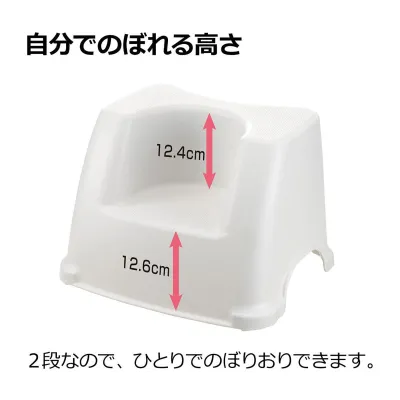
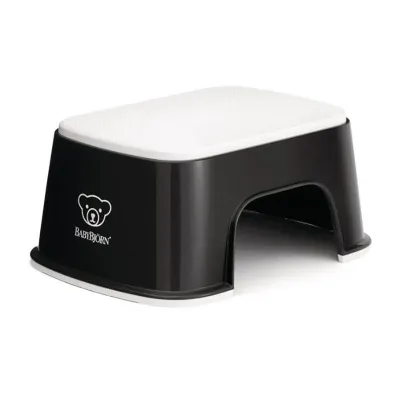
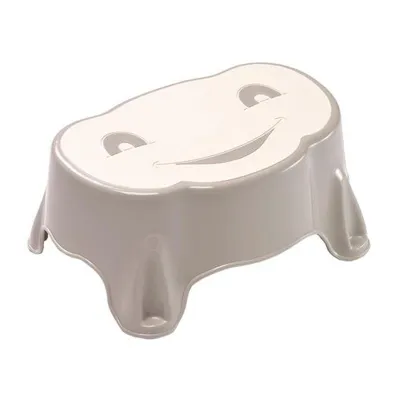
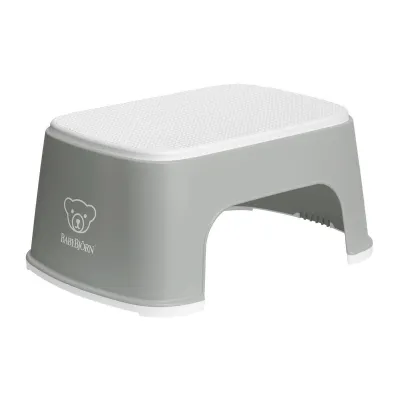
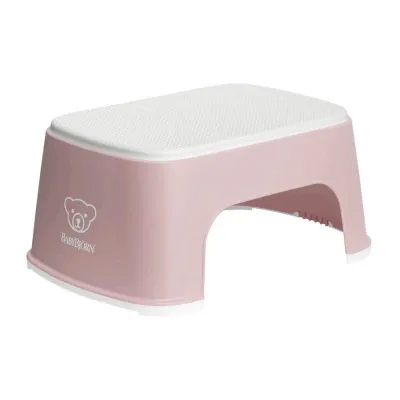
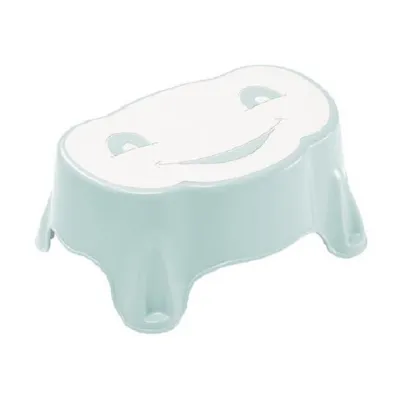
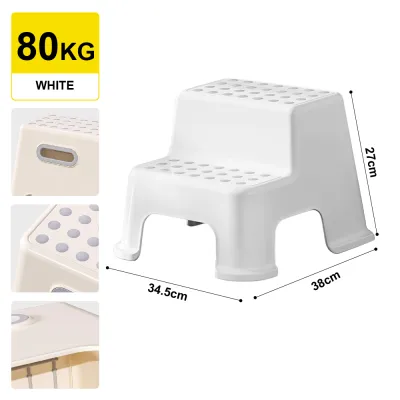
Prices are valid at publication and may change. Please refer to the product page for the latest price.
Using makeshift climbing aids, such as plastic storage boxes or inverted buckets, introduces severe safety hazards in a bathroom environment. Singapore’s humid climate means bathroom floors are frequently damp, reducing friction between the stool and the floor tiles. Makeshift items lack specialized rubberized feet or non-slip bases, making them highly unstable on wet ceramic or porcelain surfaces. Investing in a dedicated potty training step stool ensures that the interface between the floor and the stool remains secure, minimizing the risk of slips and falls.
Key Safety and Design Features to Evaluate Before Buying
When evaluating step stools on online marketplaces or in physical baby stores, base stability must be your primary consideration. Look for stools that feature a wide, flared footprint where the bottom of the stool is significantly wider than the top stepping surface. This design distributes the child’s weight evenly across a larger surface area, preventing the stool from tipping even if the toddler stands near the edge. Additionally, inspect the underside of the stool for continuous rubberized trim or heavy-duty non-slip rubber feet rather than small, glued-on pads that can easily peel off over time.

Surface traction is equally critical to prevent slipping when your child is barefoot or wearing socks. The top surface of the step stool should feature a textured pattern, such as raised rubber dots, a molded grid, or a complete rubberized mat bonded to the plastic. This textured surface provides the necessary grip for wet feet, which is common in Singapore’s wet-and-dry bathroom setups. Avoid stools with completely smooth plastic tops, as these become incredibly slick when exposed to water, condensation, or spilled liquids.
The step configuration should match both your toilet’s height and your toddler’s current gross motor skills. Single-step stools are excellent for older, taller toddlers who only need a slight boost to reach the toilet seat comfortably. However, younger or smaller toddlers often struggle with the high step-up of a single-step model, making a two-step or multi-step stool a safer choice. Multi-step designs allow children to climb incrementally, using their hands for balance, which builds confidence and reduces the risk of missteps.
Given the high humidity levels in Singapore bathrooms, material selection directly impacts hygiene and product longevity. Prioritize non-porous, high-quality plastics or treated wood that resist moisture absorption, mold, and mildew. Seamless designs with minimal crevices are much easier to wipe down and sanitize, preventing the accumulation of urine splashes and bacteria. Ensure that any rubberized parts are securely integrated into the design so that moisture cannot trap underneath them, which can lead to black mold growth.
Matching the Step Stool to Your Bathroom Layout and Toilet
The physical layout of your bathroom plays a decisive role in determining which step stool form factor is most practical. Freestanding step stools are highly versatile and can be easily moved aside when adults need to use the toilet. In compact Singaporean bathrooms, where space around the toilet bowl is often limited by nearby shower screens, sinks, or bidet sprays, a freestanding stool with a curved front profile is ideal. This curved design allows the stool to slide flush against the base of the toilet pedestal when not in use, keeping the walkway clear.
For households seeking an all-in-one solution, stool-and-seat combinations—often referred to as potty ladder chairs—provide an integrated step and toilet seat reducer. These ladders attach directly to the adult toilet bowl, ensuring that the step is always perfectly aligned with the seat. While these models offer excellent stability and help toddlers feel secure, they have a significantly larger physical footprint when deployed. If you choose this option, verify that your bathroom has sufficient floor space to accommodate the ladder’s incline and that you have a convenient spot to store it when folded.
Managing space in shared family bathrooms requires careful planning, especially in smaller apartments. If your bathroom cannot accommodate a permanent freestanding stool, look for foldable or nesting designs that can be collapsed and tucked into the gap between the toilet and the wall. Slim-profile stools that fold flat are highly convenient, but you must ensure that the folding mechanism locks securely in place when open to prevent accidental collapsing while your child is standing on it.
Before making a purchase, it is essential to perform an obstacle check in your specific bathroom. Measure the clearance around the base of your toilet, taking note of any floor traps, water inlet pipes, or bidet hose mountings that might obstruct the stool. Some modern wall-hung or square-base toilets have unique shapes that do not accommodate standard curved stools. Ensuring that the stool can sit completely flat and flush against the toilet structure is vital for preventing wobbling during use.
Ensuring Proper Posture and Ergonomic Fit for Your Toddler
Achieving the correct ergonomic posture is one of the most overlooked aspects of successful potty training. To facilitate natural, strain-free bowel movements, a toddler’s body should be positioned in a squat-like posture, with their knees raised slightly above their hips. This angle aligns the rectum for easier elimination and prevents straining. If a step stool is too low, the child’s legs will dangle or stretch straight out, making it difficult for them to bear down comfortably and safely.
To determine the ideal stool height for your child, you must measure your bathroom setup. Use a measuring tape to find the distance from the bathroom floor to the top of your toilet seat (with the lid open). Next, measure your toddler’s lower leg length from the back of their knee to the sole of their foot when they are sitting down. The difference between the toilet height and your child’s leg length represents the minimum height your step stool needs to be to allow their feet to rest flat while seated.
The width and depth of the stool’s stepping surface must be sufficient to support both of your child’s feet completely. A toddler should be able to stand, turn around, and sit down on the toilet without their heels or toes overhanging the edges of the stool. A spacious platform allows the child to adjust their stance naturally to find a comfortable position. If the platform is too narrow, the child may feel unstable, leading to anxiety and a reluctance to use the toilet independently.
Because toddlers grow rapidly, adjustable or modular step stools offer excellent long-term value. Some models feature removable steps or adjustable height settings that can be lowered as your child grows taller. This adaptability ensures that the stool remains ergonomically correct throughout the entire potty training journey. Additionally, adjustable stools are highly practical for multi-child households, allowing siblings of different ages and heights to share the same bathroom setup safely. If your child experiences persistent physical discomfort or developmental delays during toilet training, consult a pediatrician or occupational therapist for personalized guidance.
A Practical Pre-Purchase Checklist for Online and In-Store Shopping
Before finalizing your purchase on any e-commerce platform or at a local baby boutique, run through a practical verification checklist. First, locate the manufacturer’s official specifications to verify the weight limits and recommended age ranges. Even if a stool looks sturdy, its internal structural reinforcement may only be rated for lighter weights. Ensuring the stool can support your child’s current weight—with room to grow—is a fundamental safety requirement.
Next, look for safety compliance indicators in the product description or packaging. While specific certifications vary globally, reputable manufacturers will state compliance with international toy or children’s furniture safety standards, which you should verify directly on the product label. If shopping online, read through customer reviews with a critical eye, filtering for feedback from users who have similar tiled bathroom floors. Look for mentions of whether the stool slides when wet, how easy it is to clean urine splashes from the crevices, and whether the rubber feet stay securely attached.
Finally, verify the retailer’s return and exchange policies before checking out. Because minor measurement discrepancies can prevent a stool from fitting flush against your specific toilet model, having the option to exchange or return the product is highly beneficial. Keep all packaging intact upon delivery until you have physically tested the stool’s fit, stability, and height compatibility in your actual bathroom.
Frequently Asked Questions (FAQ)
When should I introduce a step stool for potty training?
Introduce a step stool when your toddler shows signs of physical readiness to transition from a standalone potty chair to the adult toilet. This readiness typically includes the ability to climb stairs independently, follow simple two-step instructions, and express a desire for independence. Introducing the stool too early, before your child has developed the balance to climb safely, can lead to falls and create negative associations with potty training. Always supervise your child closely during the initial introduction phase to ensure they learn how to step up and turn around safely.
How do I clean and maintain a bathroom step stool?
To maintain hygiene and preserve the integrity of the materials, clean the step stool regularly using mild dish soap and warm water. Avoid using harsh chemical bleach, abrasive scrubbing pads, or strong solvents, as these can degrade the plastic, wear down textured surfaces, and cause rubberized non-slip feet to detach. After washing, wipe the stool completely dry with a clean towel and allow it to air dry in a well-ventilated area before placing it back on the bathroom floor. Periodically inspect the stool for structural cracks, loose joints, or worn-out rubber pads to ensure it remains safe for daily use.
Can a potty step stool be used for other purposes like reaching the sink?
Many freestanding, sturdy step stools can double as a boost for toddlers to reach the bathroom sink for handwashing and tooth brushing, provided the stool’s height is compatible with your basin. However, you should never use integrated potty ladder chairs or toilet-attached combinations for this purpose, as they rely on the toilet bowl for structural support and are highly unstable when freestanding. Regardless of the stool design, always maintain active adult supervision when your child is using a stool near water sources to prevent accidental slips, overreaching, or falls.

Community discussion
Share your experience or ask a question. Comments are reviewed before publication.