
Introducing your baby to a cup is a major milestone in their weaning journey, marking a key transition from bottle or breast to independent drinking. While it is tempting to pick up the first colourful cup you see on the shelf, the type of straw or spout your child uses plays a critical role in their oral development. The right choice is not dictated by age alone, but by your child’s unique developmental pace, motor skills, and oral coordination.
To choose the right sippy cup straw, you must look beyond the age recommendations on the packaging and observe your baby’s readiness. Beginners aged 6 to 9 months benefit from soft, flexible spouts or short training straws with bite valves that mimic their familiar feeding actions. As they reach 9 to 12 months, weighted straws and valve-free designs help them learn active suction. By 12 to 18 months, straight straws and 360° rim cups promote mature swallowing patterns and dental health, preparing them for open cups from 18 months onwards.
Quick Guide: Matching Straw Types to Weaning Milestones
Navigating the transition from breast or bottle feeding to a cup can feel overwhelming with the sheer variety of options available. A helpful way to approach this transition is to view it as a progressive pathway that supports your baby’s natural oral development. You will generally start with soft silicone spouts or beginner training straws, progress to weighted straws that allow drinking from any angle, move on to 360° rim cups and straight straws, and ultimately transition to standard open cups.
Products mentioned in this guide
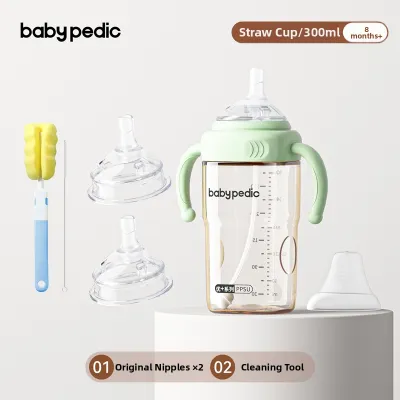
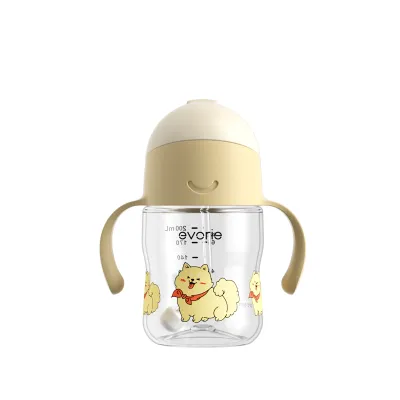
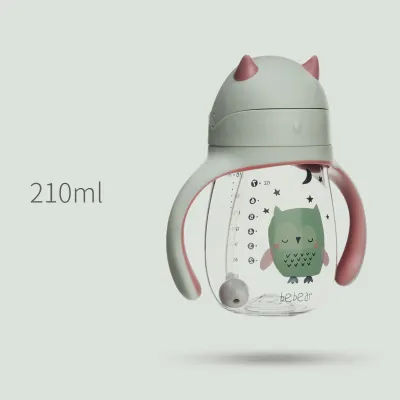
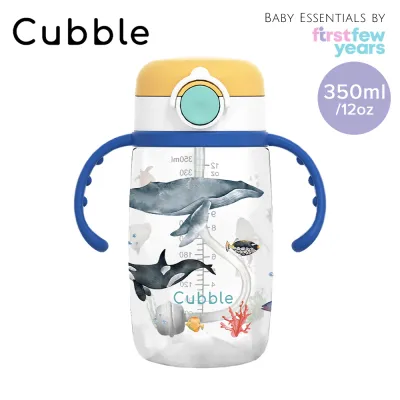
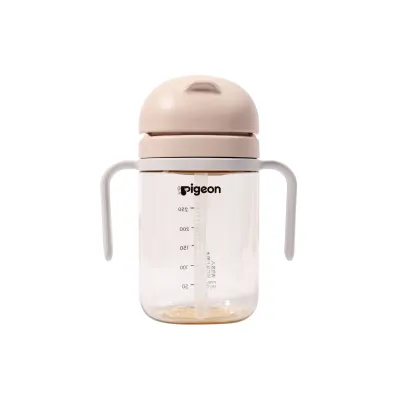
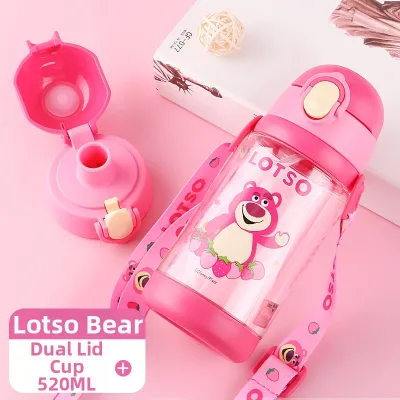
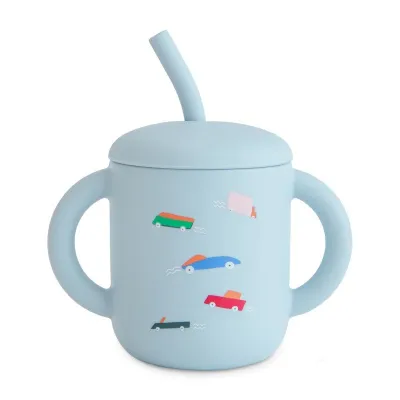
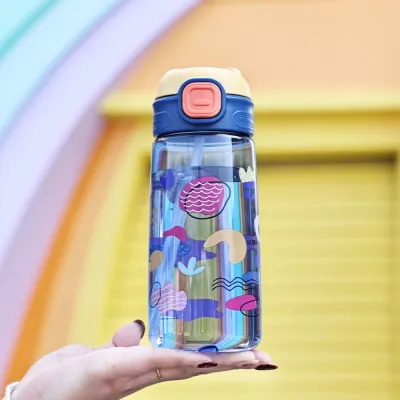
Prices are valid at publication and may change. Please refer to the product page for the latest price.
While manufacturers print age ranges on their packaging, these numbers are only general guidelines. Your baby’s individual oral motor skills, physical stability, and overall weaning progress are the true indicators of readiness. Some babies may master a straight straw early, while others might prefer the familiar feel of a soft spout for a longer period.
There is no single “best” straw type that suits every child. The right choice is the one that matches your child’s current developmental stage, helping them build coordination without causing frustration. Forcing a baby to use a cup that is too advanced can lead to liquid refusal, while keeping them on a beginner cup for too long can delay the development of mature drinking habits.
Why Oral Motor Skills Matter When Choosing a Straw
When babies nurse or drink from a bottle, they use a primitive sucking reflex that involves a forward-and-backward movement of the tongue, often referred to as suckling. As they grow and begin eating solid foods, their oral cavity undergoes significant changes. To drink from a cup or a straw successfully, they must develop a new set of oral motor skills, including a strong lip seal, tongue lateralization, and coordinated swallowing.

A proper lip seal requires the baby to close their lips tightly around the straw or cup rim, preventing liquid from escaping and creating the necessary suction. Tongue lateralization—the ability to move the tongue from side to side—and tongue retraction are also essential for managing liquids safely in the mouth. Different cup designs interact with these developing skills in distinct ways, directly impacting oral muscle tone and even dental alignment.
For instance, traditional hard spouts often encourage the tongue to remain forward under the spout, which can prolong the infant suckling pattern and potentially affect dental development if used long-term. In contrast, open straws and 360° cups encourage the tongue to retract and the lips to actively work, which helps strengthen the cheeks, lips, and jaw. These active movements support the physiological foundation needed for mature chewing and swallowing.
While choosing the right cup is an important part of the weaning process, it is essential to monitor how your child responds to different drinking mechanisms. If your baby consistently struggles with swallowing, exhibits frequent coughing or choking while drinking, or shows signs of delayed oral motor milestones, consult your paediatrician or a pediatric speech-language pathologist. These professionals can provide personalized guidance and rule out any underlying feeding difficulties.
Recommended Sippy Cup Straw Types by Developmental Stage
Transitioning your baby to a straw cup is a gradual process that requires patience and practice. Rather than strictly following calendar dates or switching cups overnight, you should introduce new drinking mechanisms based on your baby’s comfort, interest, and coordination. Introducing a new cup during a relaxed, supervised mealtime is often the most successful approach.
6 to 9 Months: Soft Spouts and Beginner Training Straws
When your baby is between 6 and 9 months old, they are typically just starting their weaning journey and learning to sit with support. At this stage, introducing small amounts of water alongside breastmilk or formula helps them get used to the concept of a cup. Soft silicone spouts and short beginner straws, which often feature built-in bite valves, are excellent tools for this initial introduction.
These soft spouts are gentle on sensitive, teething gums and feel familiar to babies accustomed to the soft texture of a bottle nipple or breast. Beginner straws with bite valves require the baby to bite down slightly to release the liquid, which bridges the gap between the familiar suckling reflex and the new action of active sipping. This design is highly effective at minimizing spills, which keeps early mealtimes manageable for parents.
However, these beginner designs have clear limitations. Prolonged use of bite valves can hinder the development of a mature swallowing pattern because they encourage a biting motion rather than pure suction. For this reason, soft spouts and bite-valve straws should be viewed as short-term training tools rather than long-term solutions. Once your baby understands how to draw liquid up the straw, it is time to introduce freer-flowing options.
9 to 12 Months: Weighted Straws and Valve-Free Designs
As babies reach 9 to 12 months, they generally develop better trunk control, can sit upright independently, and are eager to feed themselves. This is the perfect window to introduce weighted straws and simple, valve-free silicone straws. Weighted straws feature a small weight at the bottom of the tube that moves with the liquid, allowing your baby to drink successfully even if they tilt the cup upside down or hold it at an awkward angle.
Valve-free silicone straws represent a significant developmental step forward. Because they do not require the baby to bite down to get liquid, they demand that the baby use their lip closure and cheek muscles to draw the liquid upward. This active suction promotes excellent oral motor development and helps strengthen the muscles used in speech and chewing.
While valve-free designs are highly beneficial for muscle development, they do come with practical considerations. Without a valve to block the flow, these cups are prone to leaking when tipped over, dropped, or shaken. To balance developmental benefits with convenience, use valve-free straws during supervised mealtimes at the high chair, and save leak-resistant weighted straws for stroller rides or active play.
12 to 18 Months: 360° Rim Cups and Straight Straws
By the time your toddler reaches 12 to 18 months, their oral motor skills are becoming highly refined. They are ready to transition toward mature drinking patterns that closely mimic how adults drink. This stage is the ideal time to introduce 360° edge cups and straight, non-weighted straws. 360° cups allow your toddler to sip from any part of the rim, but a silicone seal prevents spills when they are not actively drinking.
The primary benefit of 360° cups is that they support normal muscle development by requiring the same lip and tongue movements as an open cup. Dental professionals generally prefer these cups over hard spouts because they do not rest between the teeth or press against the palate. Straight, non-weighted straws are also excellent at this stage, as they encourage proper tongue positioning and prevent the tongue from thrusting forward.
Keep in mind that some toddlers may experience a slight learning curve when first using a 360° cup. It can take some trial and error for them to figure out the specific bite-and-sip mechanism required to break the silicone seal. Be patient and offer plenty of encouragement as they practice this new skill, as it serves as an excellent stepping stone to open cups.
18 Months and Beyond: Open Cups and Advanced Transition
At 18 months and beyond, your toddler is ready to begin mastering the ultimate goal of the weaning process: drinking independently from a standard open cup. While specialized sippy and straw cups are incredibly convenient for travel, regular practice with a small, easy-to-grip open cup is essential for their physical coordination and confidence.
To facilitate this transition, look for small open cups designed specifically for toddler hands, or use cups with advanced, free-flowing straight straws for everyday meals. Using a small cup with a weighted base can help prevent accidental tipping. Practising with very small amounts of water at a time ensures that any accidents remain minor and easy to clean up.
Managing the inevitable spills is a natural part of this learning phase. Encouraging your toddler to practice during supervised meals, and praising their efforts rather than focusing on the mess, will build their confidence. Over time, their hand-eye coordination and swallowing control will mature, allowing them to navigate standard cups with ease.
Essential Safety, Material, and Cleaning Checks
When choosing any sippy cup straw for your baby, ensuring the product is safe, hygienic, and durable is paramount. With numerous options available in Singapore, parents can find cups across various price points, from budget-friendly models under S$15 to premium, durable options ranging from S$15 to over S$35. Regardless of the price, running through a strict safety and maintenance checklist is crucial.
Material Verification Always check product labels and packaging to verify that the cup and straw are made from high-quality, food-grade silicone and BPA-free plastics. Look for clear compliance with local and international safety standards. Do not assume a cup is safe simply because of its brand name or aesthetic appeal; always rely on explicit label verification to ensure the materials are free from harmful chemicals.
Hygiene and Mold Prevention Singapore’s warm, humid climate creates an environment where damp feeding accessories can quickly become breeding grounds for black mould. To prevent this, choose cups that can be fully disassembled. This means you must be able to easily remove the straw, the valve, and any silicone seals or gaskets. Weighted straws and complex valve mechanisms are particularly high-risk areas for mould because liquid can easily become trapped in tiny crevices. Always use a dedicated, narrow straw brush to scrub these parts thoroughly, and ensure every component is completely dry before reassembling the cup.
Wear and Tear Inspection Silicone is a soft, flexible material that is susceptible to damage, especially when your baby starts teething. Make it a habit to regularly inspect all silicone straws, spouts, and valves for bite marks, tears, or structural weakening. A torn piece of silicone can easily detach during drinking and pose a serious choking hazard. Establish a strict safety rule in your household: if you detect any compromise in the material, stop using the cup immediately and replace the damaged part or the entire cup.
Temperature Limits Before sterilising or cleaning your baby’s cup, check the manufacturer’s guidelines regarding temperature limits, dishwasher safety, and microwave use. While many silicone straws can withstand high heat, certain plastic bodies or weighted components can warp, degrade, or release chemicals when exposed to extreme temperatures. Following the manufacturer’s specific care instructions will preserve the integrity of the materials and keep your baby safe.
Frequently Asked Questions (FAQ)
When should I transition away from valve straws?
Bite-valve straws are excellent for early beginners because they prevent spills, but they should be phased out once your baby understands how to draw liquid without chewing on the straw. This transition typically occurs between 9 and 12 months. Moving to a valve-free straw encourages your baby to use their lip and cheek muscles actively, supporting proper oral muscle development and preventing the habit of chewing on cups.
Do straw cups support speech development better than hard spouts?
Straw cups and 360° rim cups promote the active lip seal, cheek strength, and tongue retraction that are used in mature swallowing and speech production. However, they are not a guaranteed cure or the sole driver of speech development. If you have any concerns about your child’s speech milestones or oral motor progress, it is always best to consult a qualified speech-language pathologist or your paediatrician.
How can I effectively clean weighted straws to prevent mold?
To prevent mould in weighted straws, disassemble the cup fully immediately after use and flush the straw with warm, soapy water. Use a dedicated, extremely narrow straw brush to scrub the entire length of the tube, paying close attention to the area around the weight and the valve. Allow all parts to air dry completely in a well-ventilated area before reassembling, and check the manufacturer’s instructions to see if the components are safe for boiling or steam sterilisation.

Community discussion
Share your experience or ask a question. Comments are reviewed before publication.