
Selecting the right silicone straw for your toddler is not a one-size-fits-all decision. The ideal choice depends on your child’s current suction strength, chewing habits, and physical drinking posture. While a soft, restricted-flow straw is excellent for an infant transitioning from a bottle, an older toddler with mature oral motor skills will likely find it frustrating and require a firmer, straight, free-flowing design. By matching specific straw shapes, textures, and flow controls to your child’s observable developmental signals, you can support their learning process, minimize messy spills, and ensure a safe, comfortable drinking experience.
Assessing Your Toddler's Current Drinking Stage
Before comparing different straw designs, it is essential to evaluate your child’s current oral motor development. Transitioning to a straw requires a completely different set of muscle movements than drinking from a breast or bottle. Look for observable signs of readiness, such as the ability to form a consistent, tight lip seal around a tip and coordinate swallowing without coughing or sputtering.
If your toddler is currently in an active teething phase, their instinct will be to bite down on any object placed in their mouth. Frequent biting requires a straw with greater material thickness and a resilient texture to withstand constant pressure. Always check the manufacturer’s age, weight, and developmental guidelines printed on the product packaging. These guidelines are designed to align with typical developmental milestones, helping you avoid introducing a straw that is too advanced for your child’s current coordination level.
Products mentioned in this guide
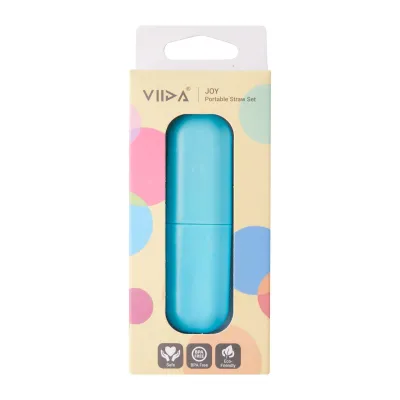
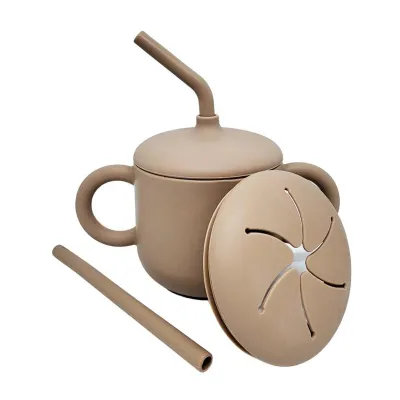

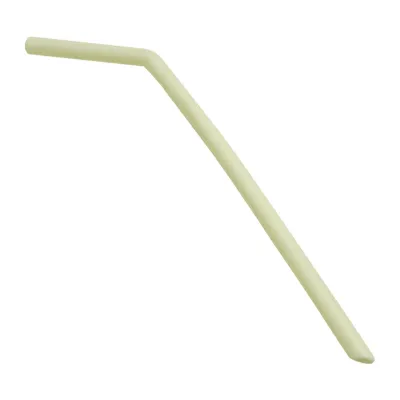
Prices are valid at publication and may change. Please refer to the product page for the latest price.
Bent vs. Straight Silicone Straws: Matching Shape to Posture
The physical shape of a silicone straw directly influences how your toddler positions their head and neck while drinking. Bent straws are highly beneficial for early transitioners and younger toddlers who are accustomed to tilting their cups backward. A bent design allows the child to drink comfortably while keeping their head in a neutral, upright position, which reduces the risk of choking. This shape is particularly compatible with specialized sippy cup lids and weighted straw systems. When choosing a bent straw, always inspect the angle of the bend to ensure it can be thoroughly cleaned with a standard brush, as tight angles can sometimes trap liquid residue.

Straight straws, on the other hand, are better suited for older toddlers who have developed excellent neck control and posture. These straws are ideal for open cups, tall bottles, and standard toddler tumblers. Because straight straws do not restrict the angle of entry, they encourage the child to look straight ahead or slightly downward while drinking.
In Singapore’s warm, humid climate, keeping your toddler hydrated during outdoor trips to the playground is essential, making a reliable, leak-proof straw cup a daily necessity. Before purchasing, verify the physical compatibility of the straw with your existing cup lids. The straw should easily reach the bottom of the cup without bending excessively or forcing the child to tilt their head back uncomfortably to get the last drop.
Soft vs. Firm Tips: Adapting to Chewing and Teething
The texture of the straw tip plays a critical role in protecting your toddler’s sensitive gums and developing teeth. Soft, highly flexible silicone tips are the preferred choice for early transitioners and active teethers. These tips mimic the familiar, gentle feel of a bottle nipple or breast, providing comfort to sore gums while the child learns a new drinking mechanism. When selecting a soft straw, look for manufacturer claims of bite-resistance and check the product label for structural integrity features, such as reinforced walls near the tip.
As toddlers grow and move past the heavy chewing phase, they require firmer silicone tips. A firmer straw provides the necessary structural feedback that helps older children refine their lip placement and suction control. It also resists collapsing under stronger suction.
Regardless of the firmness you choose, make it a habit to inspect the straw tip regularly. Look closely for tiny tears, punctures, or detached pieces. Because silicone can degrade over time with heavy use, any sign of structural compromise serves as an immediate choking hazard indicator, meaning the straw must be discarded immediately.
Flow Rates and Valve Designs: Managing Liquid Intake
Managing how quickly liquid flows through the straw is vital for preventing coughing, gulping, or accidental spills. Variable flow rates are designed to match a child’s suction strength. Restricted-flow straws are ideal for younger toddlers who are still learning to coordinate their breathing and swallowing. These designs often feature built-in bite-valves or cross-cut slits at the tip. These valves remain closed until the child applies gentle pressure with their lips or teeth, effectively controlling the liquid release and preventing messy leaks when the cup is tipped upside down or dropped on the floor.
Free-flow or standard-flow straws do not have these internal barriers, allowing liquid to move freely with minimal suction. These are excellent for older toddlers who have mastered the swallow reflex and can handle larger volumes of liquid.
To determine if your child’s current straw has the correct flow rate, observe them closely during meal times. If you notice frequent coughing, excessive gulping, or liquid escaping from the corners of their mouth, the flow rate is likely too fast. Conversely, if your child shows signs of frustration or tires quickly while drinking, the flow may be too restricted, indicating it is time to transition to a freer-flowing design.
Decision Framework: Selecting the Right Straw for Your Child
To simplify your selection process, you can use a straightforward, conditional framework based on your toddler’s current developmental signals. If your child is just beginning the transition from bottles, is actively teething, or frequently coughs when drinking from open cups, prioritize a soft, bent straw with a restricted-flow valve. This combination provides the gentle sensory feedback they need while keeping the flow manageable and preventing spills during active play.
If your toddler is older, demonstrates strong suction, maintains excellent upright posture, and is successfully using open or tall cups, opt for a firmer, straight straw with a standard or free-flow design. This setup supports their mature oral motor skills and allows them to drink larger volumes of water or milk efficiently.
Before making any purchase, always verify that the straw’s diameter and length are physically compatible with your existing cup lids and that the product meets the manufacturer’s stated age recommendations.
Cleaning, Maintenance, and When to Replace
Maintaining strict hygiene is essential when using reusable silicone straws, as their hollow interiors can easily harbor moisture and bacteria. Always use a specialized, slim straw brush to scrub the entire inner canal with warm, soapy water after every use. Before cleaning, check the manufacturer’s specific dishwasher safety instructions, as some silicone straws are top-rack safe while others require hand washing to preserve their shape.
While silicone is highly durable, you should only boil or sterilize the straws if explicitly permitted by the product’s care label. Unapproved high-heat exposure can lead to unintended material degradation, making the silicone brittle or sticky.
Establish a regular inspection routine and look for immediate replacement triggers. If you observe visible bite marks, thinning material, permanent discoloration, or any structural compromise, discard the straw immediately to ensure your child’s safety.
Frequently Asked Questions (FAQ)
Can I use a silicone straw for hot liquids?
Always check the manufacturer’s maximum temperature rating printed on the packaging before using a silicone straw with warm beverages. Silicone is highly heat-resistant, but it can retain heat, creating a risk of burning your child’s sensitive mouth. Because there are no visual indicators to show if a liquid is too hot, it is safest to restrict straw use to cool or lukewarm liquids. Unless the product explicitly certifies safety for hot liquids, avoid using it for hot teas, soups, or freshly boiled water.
How do I know when my toddler is ready to transition from a silicone straw to a regular one?
Your toddler may be ready to transition to a standard hard straw or an open cup when they demonstrate consistent swallowing without biting, maintain a mature lip seal, and show a reduced interest in chewing on their utensils. If you are unsure about your child’s developmental timeline, consult pediatric guidelines or a qualified healthcare professional for personalized weaning advice. To make the transition smoother, gradually introduce firmer silicone tips before moving to paper, bamboo, or reusable hard plastic straws.

Community discussion
Share your experience or ask a question. Comments are reviewed before publication.