
Containing diaper odors in your home requires more than simply throwing waste into a standard plastic bin. True odor control relies on a combination of multi-layer barrier materials, secure closure mechanisms, and proper sizing tailored to your specific disposal system. Standard single-layer grocery bags or thin trash liners are highly permeable, allowing microscopic gas molecules like hydrogen sulfide and ammonia to pass right through the plastic over time. This leads to a persistent, unpleasant scent that can quickly take over a nursery or bathroom.
To maintain a fresh and hygienic living space, caregivers must look beyond generic marketing claims and understand the structural features that actually trap odors. This guide will help you evaluate product claims, match bags to your disposal system, and build a reliable shortlist for your nursery or bathroom without relying on unverified marketing promises. By focusing on material science, closure integrity, and practical usage habits, you can establish a reliable waste management routine that keeps your home comfortable.
Key Features to Look for in Odor-Blocking Diaper Bags
When evaluating diaper disposal bags, the material composition is the most critical factor in preventing gas transmission. Standard low-density polyethylene (LDPE) bags are flexible and inexpensive, but they possess a relatively loose molecular structure that allows odor molecules to slowly seep through. High-performance diaper liners typically utilize co-extruded, multi-layer films that combine different types of polymers. These layers work together to create a dense barrier, significantly slowing down the rate at which gases can escape into the surrounding air.
Products mentioned in this guide
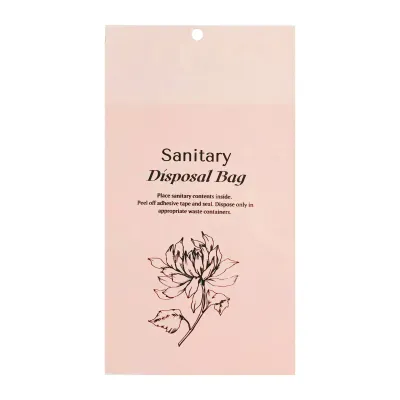
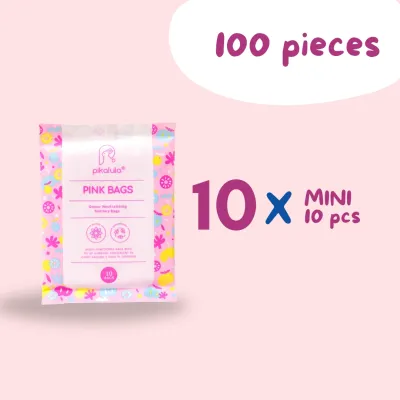
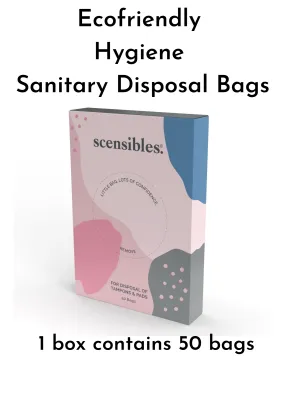

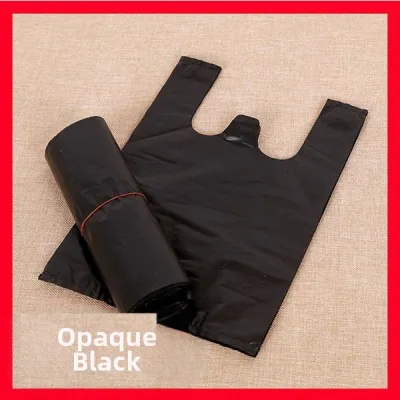
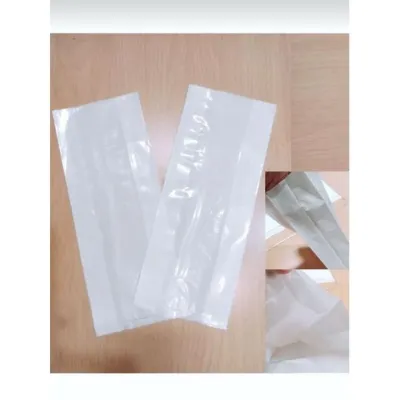
Prices are valid at publication and may change. Please refer to the product page for the latest price.
One of the most effective materials used in these multi-layer films is ethylene vinyl alcohol (EVOH). EVOH is a specialized polymer known for its exceptional gas barrier properties, particularly against oxygen and organic odors. When sandwiched between protective layers of polyethylene, a thin layer of EVOH can dramatically reduce odor transmission compared to standard plastic bags. When shopping for liners, look for products that explicitly mention multi-layer construction or barrier technology in their technical specifications.
Beyond the material itself, the closure mechanism of the bag plays a vital role in containing smells. Even the most advanced barrier film will fail to control odors if the top of the bag cannot be sealed tightly. Common closure designs include drawstrings, tie handles, and continuous roll systems that require manual knotting. Drawstrings offer convenience when lifting the bag out of the bin, but they can sometimes leave a small opening at the center of the cinch. Tie handles allow you to tie a tight, secure knot directly above the waste, which often provides a more reliable seal against escaping gases.
Puncture resistance and seam strength are equally important physical characteristics to consider. Diaper waste is heavy and dense, and the physical pressure inside a full bin can strain the bottom and sides of the bag. Additionally, the adhesive tabs on disposable diapers or the edges of baby wipe packaging can create sharp points that risk puncturing thin plastics. High-quality bags feature double-welded side seams and high-tensile strength polymers that resist tearing under load, preventing catastrophic leaks and spills during disposal.
Matching Bags to Your Diaper Disposal System
Finding the right bag requires understanding the specific design of your diaper disposal bin. Diaper pails generally fall into two categories: proprietary systems that require dedicated refill cassettes, and universal bins designed to work with standard trash bags or universal liners. Proprietary systems often utilize a continuous roll of film housed in a plastic cartridge. This design allows you to pull down the film, tie a knot at the bottom, and cut the bag to size when it is full, minimizing exposure to open air during changes.

While proprietary cassettes offer excellent convenience and a tailored fit, they lock you into a specific brand’s ecosystem, which can increase ongoing household expenses. Universal bins, on the other hand, give you the freedom to choose from a wide variety of third-party liners or standard sanitary disposal bags. These bins often feature a clamp or ring mechanism that holds the bag in place. While they are more economical, they require you to manually open and lift the bag when emptying, which can release a brief burst of trapped odor into the room.
Proper sizing is essential to maintain the integrity of the bag’s odor barrier. If a bag is too small for the bin, you will be forced to stretch the plastic over the rim or pack the waste tightly to maximize space. This stretching thins the polymer layers, compromising the gas barrier and increasing the risk of micro-tears along the seams. Conversely, a bag that is too large will bunch up around the sealing mechanism of the pail, preventing the lid from closing completely and allowing odors to escape into the nursery.
For smaller spaces, travel, or single-use scenarios, standard sanitary disposal bags offer a highly practical alternative. These compact bags are designed to hold one or two diapers at a time, making them ideal for keeping in a diaper bag or using in a guest bathroom. They allow you to seal away waste immediately after a change, providing a temporary barrier until you can transfer the diaper to a larger outdoor bin. This approach is particularly useful when visiting homes that do not have dedicated diaper disposal systems.
Scented Versus Unscented Odor Control Strategies
A common decision caregivers face is whether to choose scented or unscented diaper disposal bags. Scented bags are infused with synthetic fragrances designed to mask the smell of soiled diapers. While this might seem like an appealing solution, masking agents do not actually eliminate or trap odor molecules; they simply add another scent to the air. In many cases, the combination of a strong artificial perfume and diaper waste can create an even more unpleasant and overwhelming odor profile in a confined space.
Furthermore, heavily scented products can pose health and comfort challenges in a household. Newborns and young infants have highly sensitive respiratory systems and delicate skin that can easily be irritated by synthetic fragrances and volatile organic compounds (VOCs). Using heavily perfumed bags in a small, poorly ventilated nursery or bathroom can trigger respiratory discomfort or allergic sensitivities for both the baby and the caregivers. For households prioritizing indoor air quality, avoiding added fragrances is often the safest and most comfortable choice.
Unscented, high-barrier films offer a highly effective alternative by focusing entirely on physical containment. Instead of trying to cover up smells, these bags rely on dense polymer layers to trap gas molecules inside the bag. When paired with a well-designed diaper pail that features rubber gaskets and airtight seals, unscented liners can keep a room completely odor-free without introducing any artificial chemicals into your living environment. This makes them an excellent choice for families with sensitive skin or allergies.
Ultimately, the choice between scented and unscented strategies comes down to a trade-off between temporary masking and permanent containment. If you prefer a completely neutral environment, investing in high-quality, unscented barrier bags is the most reliable path. If you do choose scented bags, look for products that use mild, naturally derived scents and ensure the room remains well-ventilated to prevent the fragrance from building up to uncomfortable levels.
Building Your Shortlist: Pre-Purchase Verification Checklist
Before purchasing a large quantity of diaper disposal bags or committing to a specific pail system, it is wise to establish a systematic verification process. This helps you avoid common pitfalls, such as buying bags that tear easily or finding yourself locked into an expensive refill system. Start by verifying the manufacturer’s material claims. Look past generic marketing buzzwords like “odor-proof” and check the product packaging or official specifications for concrete details, such as the number of layers in the film or the presence of barrier polymers.
Next, calculate the long-term cost of your chosen disposal method to ensure it fits your household budget. Proprietary refill cassettes can vary significantly in price, so it is helpful to calculate the cost per diaper disposal. To do this, check the manufacturer’s estimate of how many diapers a single refill cassette can hold, and divide the retail price in S$ by that number. Compare this figure to the cost of using universal heavy-duty liners or standard sanitary disposal bags to determine the most cost-effective solution for your family over the course of a year.
It is also highly beneficial to check user feedback for real-world performance reports, particularly from caregivers living in warm, humid climates. High humidity and elevated temperatures can put extra stress on plastic materials, adhesives, and closure mechanisms. Look for reviews that specifically mention how well the bags hold up under these conditions, paying close attention to any complaints about seam splitting, drawstring failure, or odor leakage over time. This practical feedback can save you from experiencing messy and unpleasant failures in your own home.
Finally, consider the environmental impact and disposal guidelines of the products on your shortlist. Some bags are marketed as biodegradable or compostable, but these claims often require specific industrial composting conditions to actually break down. Read the fine print on the label to understand how the bags should be disposed of in your local waste management system. By verifying these details beforehand, you can choose a product that is reliable, budget-friendly, and aligned with your household values.
Frequently Asked Questions (FAQ)
Can I use standard sanitary disposal bags for everyday diapering?
Standard sanitary disposal bags are primarily designed for the discreet disposal of small, individual items like feminine hygiene products. Because of this, they are typically much smaller and thinner than dedicated diaper pail liners. While they are highly convenient for single-use scenarios, travel, or keeping in a diaper bag for emergencies, they lack the capacity and heavy-duty barrier properties required to line a main nursery bin.
Using standard sanitary bags for everyday diapering at home would require you to change the bag after almost every diaper change. This approach is not only labor-intensive but also highly uneconomical over time. For your main nursery or bathroom bin, it is much more practical to use high-capacity, multi-layer diaper liners that can hold multiple diapers securely without tearing or allowing odors to escape.
How does room temperature affect diaper bag odor control?
Room temperature and humidity have a direct impact on how quickly odors develop and how effectively bags can contain them. In warm, humid environments, bacteria multiply at a much faster rate inside the diaper pail. This accelerated bacterial activity speeds up the decomposition of organic waste, leading to a rapid increase in the production of strong-smelling gases like ammonia and hydrogen sulfide.
To maintain effective odor control in warm conditions, you may need to adjust your waste management routine. Consider emptying the diaper pail more frequently, even if the bag is not completely full, to prevent gas buildup. Additionally, try to place your diaper bin in a cool, well-ventilated area away from direct sunlight or heat sources, and clean the interior of the bin regularly with sanitizing wipes to keep bacterial growth in check.

Community discussion
Share your experience or ask a question. Comments are reviewed before publication.