
Securing your home’s electrical outlets is a foundational step in creating a safe environment for crawling babies and curious toddlers. As infants transition to crawling and exploring, low-lying wall sockets naturally draw their attention. Choosing the right safety plug cover depends on whether you need to block an empty socket, secure an active plug, or manage dangling cords. While simple plastic inserts have historically been common, modern childproofing strategies rely on sliding plates, box-style enclosures, and integrated cord concealers to provide more reliable protection.
To select the most suitable option for your household, you must evaluate how your family uses each outlet daily. Sockets that host permanent appliances require a different protective approach than those left empty or used only occasionally for vacuuming. By understanding the distinct designs, installation requirements, and practical limitations of each safety cover type, you can establish a robust electrical safety plan tailored to your home’s layout.
Understanding the Main Types of Safety Plug Covers
Childproofing an electrical system involves addressing different types of hazards, from open socket holes to tempting cords that can be pulled. Safety plug covers generally fall into three primary categories, each designed to address a specific scenario in a home with active toddlers. Understanding these categories helps you identify where each type fits best within your living spaces.
Products mentioned in this guide
![Steve & Leif Safety Plug Cover White 4Pcs [Min Purchase 3]](https://img.lazcdn.com/g/p/3edf4abff6cbe12ede78eb0ba18e0ad1.jpg_400x400q80.jpg_.webp)

![Steve & Leif Baby Safety Door Cushion / Safety Plug Cover / Latch / Universal Flexi Lock [Bundle Pick Any 2]](https://img.lazcdn.com/g/p/80fb3d2418ecdb6c3cfafbb7d67e4d10.jpg_400x400q80.jpg_.webp)
Prices are valid at publication and may change. Please refer to the product page for the latest price.
Sliding Outlet Covers
Sliding outlet covers feature an integrated spring-loaded mechanism that automatically slides shut to block the socket holes when a plug is removed. These covers are typically installed by replacing the existing wall faceplate entirely, creating a clean, flush look that does not attract a child’s attention. When you need to use the outlet, you simply insert the prongs of your plug, slide the cover face to align with the socket holes, and push the plug in.
This design is highly practical for frequently used outlets, such as those in living rooms or kitchens where you regularly plug in temporary appliances like vacuum cleaners or iron boards. Because the mechanism snaps shut automatically upon unplugging, there is no risk of forgetting to replace a manual cap. They maintain a low profile, making them less visually interesting to curious toddlers who might otherwise be tempted to play with external attachments.
Box-Style Plug Covers
Box-style plug covers are protective enclosures designed to shield outlets that have appliances permanently or semi-permanently plugged into them. These devices feature a spacious plastic box that snaps or locks shut over the entire outlet, enclosing both the plug and the initial section of the power cord. The cord exits through a small, narrow channel at the bottom of the box, which is too small for tiny fingers to penetrate.
These covers are essential for appliances that must remain connected continuously, such as refrigerators, air purifiers, or nursery baby monitors. Without a protective box, a toddler could easily pull the plug partially out of the wall, exposing live metal prongs. The primary trade-off with box-style covers is their physical size; they protrude significantly from the wall, which requires adequate clearance behind furniture and may limit placement options in tight hallways.
Cord Covers and Shorteners
While blocking the socket is vital, dangling electrical cords present their own set of hazards, including strangulation risks and the danger of a child pulling a heavy appliance off a table. Cord covers, shorteners, and winders work alongside outlet covers to manage excess cable length. These accessories allow you to wind up loose cords into a protective housing or conceal them flat against the wall using rigid plastic tracks.
Using cord management solutions ensures that toddlers cannot grab, pull, or chew on active power lines. For comprehensive safety, these tools should be paired with box-style covers so that the entire electrical path—from the wall socket to the appliance—is kept out of reach. This combined approach is particularly useful in high-traffic areas where entertainment centers, computers, or floor lamps are located.
How to Match the Cover to Your Outlet and Needs
Selecting the right safety plug cover requires matching the specific function of the outlet with the physical layout of your room. A mismatched cover can lead to frustration, such as furniture that cannot be pushed back against the wall, or a cover that is frequently left open because it is too cumbersome to use.

To guide your decision, consider the primary state of the outlet. If a socket is left empty most of the time, a sliding cover is highly efficient. If an outlet hosts a constant power source for essential appliances, a box-style cover is the logical choice. For areas where cords run along the floor or hang from tables, integrating cord tracks or shorteners is necessary to eliminate pulling hazards.
| Cover Type | Primary Use Case | Installation Effort | Visual Bulk |
|---|---|---|---|
| Sliding Covers | Empty, frequently used sockets | Moderate (requires screwdriver) | Low (flush with wall) |
| Box-Style Covers | Active plugs (lamps, air purifiers) | Low to Moderate (screws or adhesive) | High (protrudes from wall) |
| Cord Shorteners | Managing excess cable length | Low (snap-on or wind-up) | Medium (depends on cord volume) |
In some homes, you may encounter non-standard electrical setups, such as bulky smart home adapters, oversized industrial plugs, or multi-plug adapters. Standard safety covers are rarely designed to accommodate these irregular shapes. In such cases, attempting to force a cover to fit can compromise its structural integrity or create an electrical hazard. It is advisable to consult a qualified electrician to discuss alternative safety solutions, such as relocating the outlet or installing a dedicated, lockable utility cabinet.
Key Features to Verify Before Purchasing
Before purchasing any safety plug covers, it is important to verify several technical specifications to ensure they are compatible with your home and capable of resisting a child’s curiosity.
First, verify outlet compatibility. In Singapore, homes standardly use 3-pin Type G sockets. Many safety covers sold online are designed for international socket configurations, such as Type A or Type C, which will not fit local outlets. Carefully check the product dimensions and socket type compatibility listed by the manufacturer to ensure a precise fit.
Second, evaluate the material and build quality. Look for covers made from durable, impact-resistant, and non-toxic plastics. The plastic should be thick enough to withstand physical pressure, such as being bumped by vacuum cleaners or heavy toys, without cracking. Brittle plastics can break easily, creating sharp edges that pose an additional injury risk to young children.
Third, assess the balance between adult usability and child resistance. A safety cover must be difficult for a child to open or bypass, yet simple enough for an adult to operate without tools. If a cover is excessively difficult for adults to open, caregivers may be tempted to leave it unlocked or remove it entirely, defeating its purpose. Because children develop motor skills at different rates, regularly observe your child around the covers to ensure they have not figured out how to manipulate the locking mechanisms.
Safe Installation and Daily Usage Practices
Proper installation and consistent maintenance are critical to ensuring that safety plug covers perform their protective function over time.
When installing faceplate-replacement sliding covers, always turn off the main power supply at your home’s distribution board (DB box) before removing any screws from the existing wall plate. Use a voltage tester to confirm the outlet is completely dead before proceeding. For adhesive-mounted box covers, clean the wall surface thoroughly with rubbing alcohol to remove dust and oils, ensuring a strong bond that a toddler cannot easily pull free.
Establish a routine to inspect all safety covers throughout your home regularly. Look for signs of wear, such as hairline cracks in the plastic, weakened springs in sliding covers, or loose adhesive backings on box enclosures. Over time, exposure to heat and physical impacts can degrade plastic materials, reducing their effectiveness.
If you detect any damage, loose fittings, or mechanical failures, stop using the cover immediately and replace it with a new one. Remember that childproofing products are supportive aids designed to reduce risks; they do not replace active adult supervision. Always monitor children when they are playing near electrical appliances and outlets.
Frequently Asked Questions (FAQ)
Are traditional plastic plug inserts safe for toddlers?
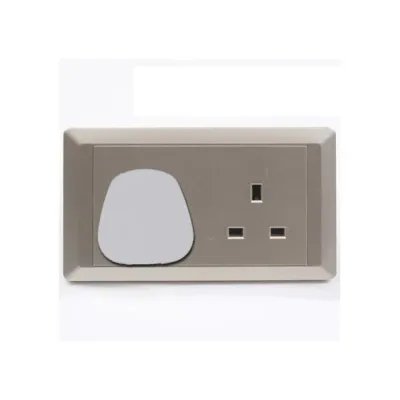
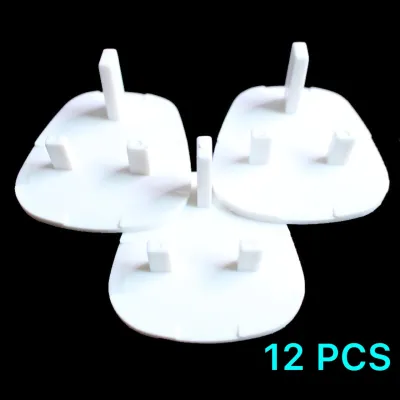
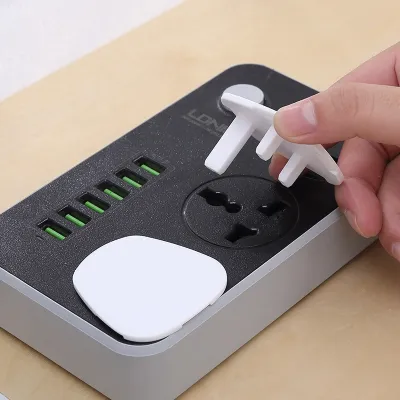
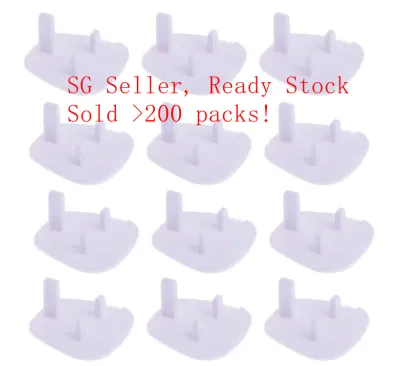
Traditional plastic plug inserts, which press directly into individual socket holes, are widely available but are increasingly discouraged by child safety advocates. The primary concern is that curious toddlers with developing fine motor skills can sometimes pry these inserts out of the wall. Once removed, these small plastic pieces present a significant choking hazard. Additionally, if an adult removes an insert to use the socket and forgets to replace it, the outlet is left completely exposed. Modern alternatives like sliding covers or box-style enclosures are generally preferred because they remain attached to the wall and do not present loose, small parts.
Can I use a box-style cover on an extension cord?
Standard wall-mounted box-style covers are designed specifically for fixed wall sockets and will not fit or secure loose extension cords or power strips. Attempting to force a wall cover onto a power strip can leave gaps or prevent the cover from locking securely. To secure extension cords, look for specialized power strip safety boxes designed to enclose the entire strip and its connected plugs. Alternatively, the most effective strategy is to keep power strips completely out of a child’s reach by mounting them high on walls or securing them behind heavy, immovable furniture.

Community discussion
Share your experience or ask a question. Comments are reviewed before publication.