
Selecting the right child-proofing accessories is a critical step in preparing your home for an active, growing toddler. When evaluating how to protect your child from sharp edges and hard surfaces, matching the specific geometry of your furniture with the appropriate protective materials is essential. By assessing the layout of your living spaces, the materials of your tables, and your child’s current developmental stage, you can make informed decisions about which protective guards will offer the most reliable coverage. This guide provides a practical framework to help you choose, install, and maintain edge and corner protectors effectively, ensuring your home remains a secure environment for exploration.
Assessing Child-Proofing Needs by Room and Furniture Type
Every home features a unique mix of furniture designs, layouts, and materials, which means child-proofing must be approached with a customized plan. The first step is to differentiate between sharp 90-degree corners and long, straight table edges. A sharp corner presents a highly concentrated impact point that can cause significant injury during a fall, requiring dense, localized cushioning. In contrast, long edges on coffee tables, low shelving units, or media consoles present a continuous hazard as children navigate along the length of the furniture, demanding extended, linear protection.
Identifying high-traffic areas where toddlers crawl, pull themselves up, or practice walking is essential for prioritizing your child-proofing efforts. Living rooms, play areas, and hallways are typically the most active zones, where children are highly likely to lose their balance. Low-lying furniture in these spaces often sits directly at a child’s head or eye level during their early developmental milestones, making these pieces the highest priority for immediate protection.
Products mentioned in this guide
Prices are valid at publication and may change. Please refer to the product page for the latest price.
The material of your furniture—whether it is solid wood, tempered glass, powder-coated metal, or laminate—plays a critical role in how well adhesives will bond. Smooth, non-porous surfaces like glass and metal generally provide excellent initial adhesion but may require specialized cleaning to prevent the bond from failing over time. Conversely, textured, oiled, or highly polished wooden surfaces can resist standard adhesives, meaning you must verify the compatibility of the guard’s adhesive with your specific furniture finish before application.
Finally, you must evaluate the height of your furniture relative to your child’s current developmental stage and physical mobility. A low coffee table poses an immediate risk to a crawling infant who is just beginning to push up on hands and knees. As your child transitions to pulling up and cruising along furniture, higher surfaces like dining tables and sideboards become new hazards. Regularly measuring your child’s height against these edges allows you to anticipate and address risks before your child reaches them.
Matching Safety 1st Edge Guard Types to Specific Hazards
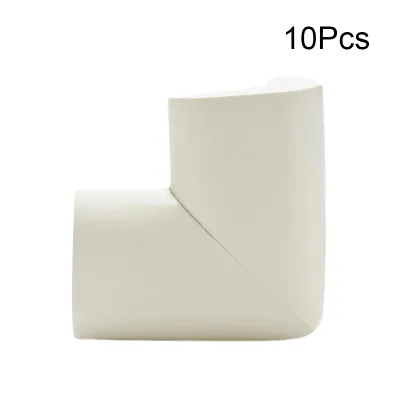
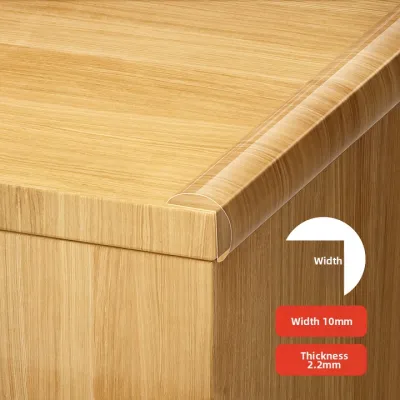
Once you have assessed the hazards in your home, you can begin matching specific types of edge guards to the unique shapes and materials of your furniture. Clear corner cushions are an excellent choice for discrete protection on wooden dining tables, glass desks, or modern minimalist furniture. These cushions are designed to blend seamlessly with the underlying material, providing essential impact absorption at sharp 90-degree corners without drastically altering the aesthetic of your living space or drawing unnecessary attention from curious toddlers. Because they are transparent, they allow the natural beauty of wood grain or the clean lines of glass to remain visible, making them a popular choice for common living areas where parents prefer a low-profile child-proofing solution.

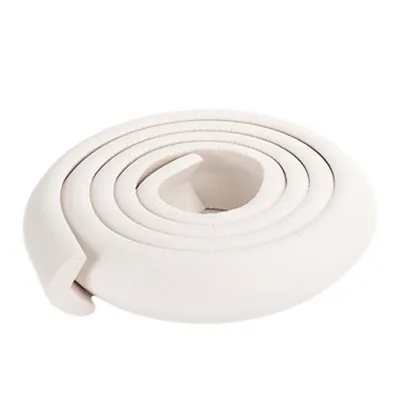
For long, straight edges, customizable foam edge bumpers offer the most practical and comprehensive coverage. These soft, impact-absorbing foam rolls can be cut to the exact length required for coffee tables, low TV stands, or stone fireplace hearths. The continuous coverage ensures that there are no unprotected gaps along the edge, which is particularly important in active play areas where a child might stumble and fall forward. The flexible nature of foam rolls also allows them to wrap around slight curves or irregular edges, providing versatile protection across various furniture designs.
In heavy-duty impact zones where falls are more frequent or high-velocity, selecting thick, multi-surface foam options is highly recommended. These robust guards feature dense, high-impact foam designed to absorb greater forces, making them ideal for low-lying shelves, playrooms, and high-traffic family rooms. The added thickness provides a more substantial cushion, offering peace of mind in areas where active toddlers are running, jumping, or climbing. These heavy-duty options are specifically engineered to withstand the daily wear and tear of an active household while maintaining their protective shape.
Regardless of the style you choose, always verify the product packaging for surface compatibility, intended use cases, and age recommendations. Manufacturers design different guards for specific scenarios, and using a product outside its intended scope can lead to premature adhesive failure or inadequate protection. Carefully reading the manufacturer’s guidelines ensures that the guard you select is fully compatible with your furniture and suitable for your child’s developmental stage. Additionally, checking for specific safety certifications or material testing standards on the packaging can help you make a more informed and confident purchase.
Key Features to Check Before Purchasing
When browsing Safety 1st edge guard options, having a clear checklist of specifications and safety features will help you select the most effective product for your home. First, evaluate the adhesive strength and check for residue-free removal claims on the packaging. A high-quality adhesive must be strong enough to resist the persistent pulling and tugging of a curious toddler, yet gentle enough to be removed eventually without stripping away paint, varnish, or delicate wood veneers. Look for products that specify the type of adhesive tape included and read user instructions regarding the removal process.
Next, compare the material density, thickness, and shock-absorption properties of different guards to match the impact levels of your specific environment. High-density foam offers superior energy absorption, which is crucial for protecting against hard impacts on sharp corners. Thinner, low-profile materials may be sufficient for low-risk areas or higher furniture where the likelihood of a high-velocity fall is lower. Understanding these physical properties allows you to balance the level of protection with the visual impact on your furniture, ensuring that high-risk zones receive the heavy-duty cushioning they require while low-risk areas remain minimally altered.
Safety standards and material composition are paramount when choosing products that your child will interact with daily. Always look for non-toxic material labels, ensuring the guards are free from harmful chemicals, heavy metals, and flame retardants. Furthermore, check for choking hazard warnings on the packaging, particularly for small or detachable parts. Ensure that the design of the corner cushions or edge bumpers does not allow small pieces to be easily bitten off or torn away by an inquisitive child, as this could present a serious safety risk. Regular inspection of the material integrity is also recommended to ensure it does not degrade over time.
Finaly, decide between pre-cut corner pieces and customizable foam rolls based on the required coverage length and the layout of your furniture. Pre-cut corner pieces offer a quick, convenient, and seamless installation for standard rectangular tables and desks. On the other hand, customizable foam rolls provide the flexibility needed to cover long, continuous edges, curved surfaces, or custom-built cabinetry. Measuring your furniture beforehand and calculating the total linear coverage required will prevent shortages during the installation process.
Installation and Maintenance Best Practices
Proper installation and ongoing maintenance are critical to ensuring that your edge guards remain secure and effective over time. Before applying any adhesive, you must follow thorough surface preparation steps to guarantee a strong bond. Clean the furniture surface with an appropriate solvent, such as rubbing alcohol or a mild soap solution, to remove all traces of dust, oils, furniture polish, and grime. Allow the surface to dry completely, as even a small amount of moisture or residue can significantly weaken the adhesive’s ability to bond with the furniture.
Using proper application techniques is essential to avoid air bubbles, misalignment, and peeling edges. When applying the guard, carefully align it with the edge of the furniture and press down firmly, working your way from one end to the other. Applying steady, even pressure across the entire surface of the adhesive helps eliminate air pockets and ensures maximum contact. Once applied, hold the guard firmly in place for the duration recommended by the manufacturer, and avoid touching or testing the bond for at least 24 hours to allow the adhesive to cure fully.
To maintain a safe environment, establish a routine inspection schedule to check for material wear, tearing, or weakening adhesive. Daily exposure to household activity, temperature fluctuations, and curious hands can gradually degrade the protective materials and loosen the bond. Inspect each edge guard weekly, paying close attention to corners and high-traffic areas. If you notice any peeling edges, cracks in the foam, or loose pieces, replace them immediately to prevent them from becoming choking hazards or leaving sharp edges exposed.
When the time comes to remove the edge guards, applying safe removal methods will help prevent damage to your furniture’s underlying finish. Use a hair dryer on a low, warm setting to gently heat the adhesive, which softens the bond and makes it easier to peel away. Slowly pull the guard back at a shallow angle, applying a wood-safe adhesive remover or mild vegetable oil to any remaining residue. Always test these removal methods and cleaning solutions on a hidden, inconspicuous area of the furniture first to ensure they do not discolor or damage the finish.
Frequently Asked Questions (FAQ)
Can edge guards be safely used on glass tables?
Yes, edge guards can be used on glass tables, but they require specific considerations to ensure a secure and safe application. Glass is a highly smooth, non-porous surface, which means standard adhesives may slide or peel if not specifically formulated for glass bonding. Caregivers must check the product packaging to verify that the edge guard and its adhesive are explicitly rated for glass surfaces.
When removing guards from glass, extra care must be taken to avoid scratching the surface or leaving a cloudy residue. Using plastic scrapers instead of metal tools, combined with a glass-safe adhesive remover, helps preserve the clarity and integrity of the glass. Always follow the manufacturer’s instructions for both application and removal to prevent accidental damage.
How do I remove adhesive residue without damaging wood?
Removing leftover adhesive from wooden furniture requires gentle, wood-safe methods to protect the underlying finish. Caregivers should avoid harsh chemical solvents, steel wool, or abrasive scrubbers, which can easily strip away varnish, paint, or wood stain. Instead, applying a small amount of mild vegetable oil, mineral oil, or a specialized wood-safe adhesive remover can help break down the sticky residue.
Before applying any oil or solvent to the visible parts of the furniture, always perform a spot test on an inconspicuous area, such as the underside of the table. Once the adhesive has softened, gently wipe it away with a soft microfiber cloth. Clean the area afterward with a damp cloth and mild soap to remove any oily residue, then dry it thoroughly.
When is it appropriate to remove edge guards?
The decision to remove edge guards should be based on the child’s individual developmental milestones rather than a strict age limit. Once a child has developed stable motor skills, reliable spatial awareness, and consistent physical coordination, the risk of accidental falls against furniture edges decreases significantly. This transition typically occurs when the child can navigate rooms confidently without frequent loss of balance.
Caregivers should consider a gradual removal process, starting with low-risk areas and monitoring how the child interacts with the environment. If new furniture is introduced or if a younger sibling begins crawling, the home’s child-proofing setup must be reassessed. Maintaining protection in high-traffic zones while slowly phasing out guards in quieter rooms allows for a safe and managed transition.

Community discussion
Share your experience or ask a question. Comments are reviewed before publication.