
Choosing the right feeding gear is one of the most practical ways to support your baby’s transition to solid foods. As your child grows, their feeding needs shift rapidly from managing teething drool to mastering the coordination required for self-feeding. Richell offers a diverse range of bibs, cups, and utensils designed to match these developmental milestones. By understanding how to align these products with your baby’s physical abilities, you can create a safer, cleaner, and more encouraging mealtime environment.
To make the best choice, parents must evaluate the materials, design features, and safety specifications of each product against their baby’s current developmental stage. This guide outlines how to identify your baby’s feeding phase, select the most effective bibs and weaning tools, and perform essential safety checks to ensure a smooth feeding journey.
Matching Richell Gear to Your Baby's Developmental Stages
Every baby progresses through weaning at their own pace, making it essential to choose feeding gear based on observable physical milestones rather than age alone. The weaning journey generally transitions through three distinct phases: early drooling and teething, initial puree introduction, and active self-feeding. Recognizing the physical signs of each stage helps you select tools that match your baby’s motor skills and oral development.
Products mentioned in this guide
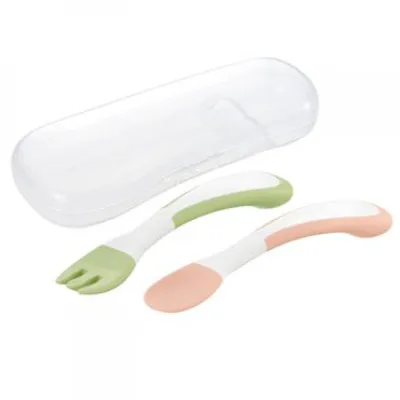
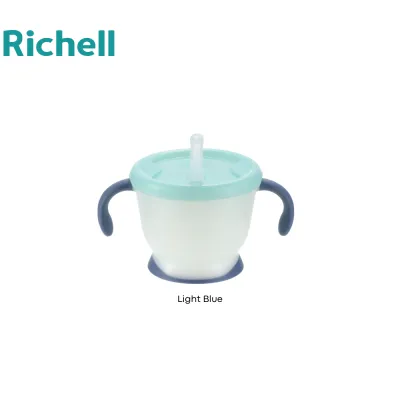
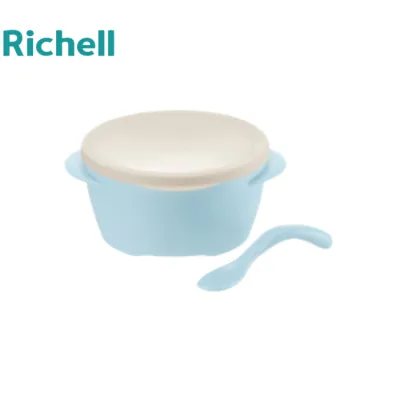
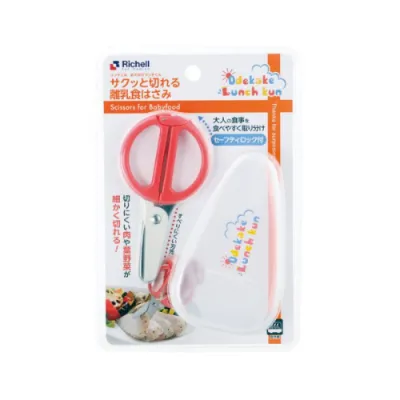
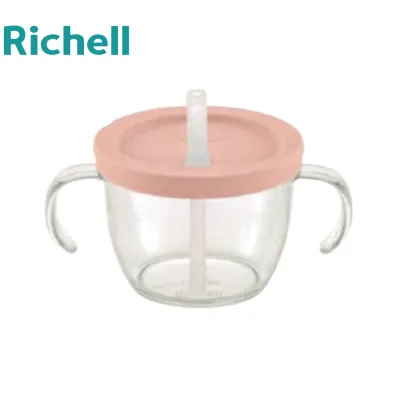
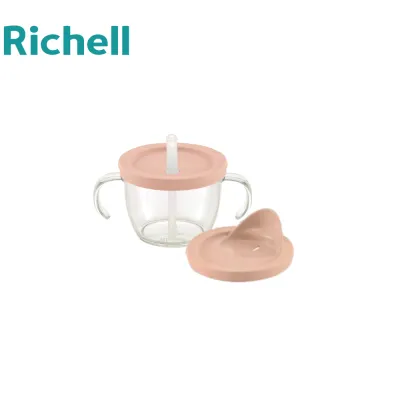
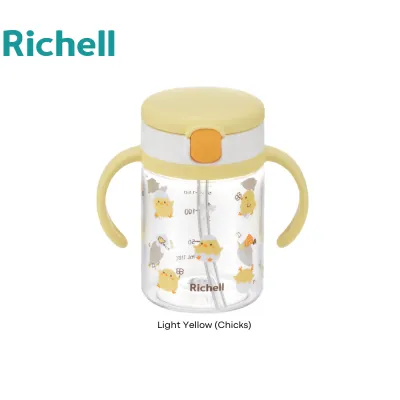
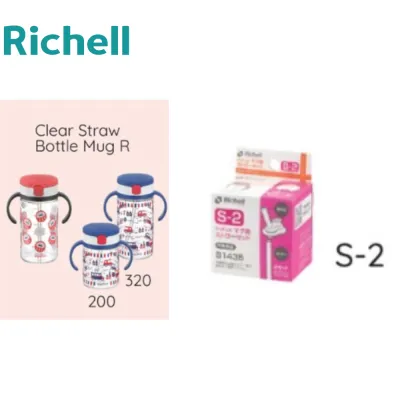
Prices are valid at publication and may change. Please refer to the product page for the latest price.
During the early drooling and teething phase, which typically occurs before solid foods are introduced, babies require maximum moisture protection. At this stage, infants frequently bring their hands and toys to their mouths, stimulating saliva production. The primary goal is to keep the baby’s skin dry and comfortable to prevent drool rashes around the neck and chest.
As babies transition to first purees, usually around six months of age, their physical capabilities change significantly. Before introducing spoon-feeding, ensure your baby can sit upright with minimal support and has achieved good head and neck control. The disappearance of the extrusion reflex—the natural tendency to push solid objects out of the mouth with the tongue—is a critical indicator that your baby is ready for smooth purees.
Active self-feeding represents a major milestone in hand-eye coordination and fine motor skills. This stage is characterized by the baby’s desire to hold the spoon, grasp cups, and pick up finger foods independently. You will observe your baby transitioning from a palmar grasp, using the entire fist to hold objects, to a refined pincer grasp, using the thumb and index finger. Feeding tools for this phase must support these developing grips while minimizing the inevitable spills.
To determine if your baby is ready to transition to the next feeding stage, look for these observable signs:
- Head and Neck Control: Your baby can hold their head steady and upright without assistance during mealtimes.
- Sitting Stability: Your baby can sit comfortably in a high chair with minimal leaning or slouching.
- Reaching and Grasping: Your baby actively reaches for food, spoons, or cups on the table.
- Swallowing Coordination: Your baby can close their lips around a spoon and swallow purees without immediately pushing them out.
Selecting Richell Bibs for Drooling and Early Purees
Choosing the right bib material is crucial for managing mess and protecting your baby’s sensitive skin. During the early teething phase, soft fabric or cotton-blend bibs are highly effective at absorbing liquid drool. These materials feel gentle against the skin and prevent moisture from pooling around the neck. However, fabric bibs quickly become saturated and stained once purees are introduced, making them less practical for active mealtimes.

For solid food introduction, waterproof silicone or coated plastic bibs are much more efficient. Silicone bibs do not absorb liquids, meaning purees and water wipe off instantly. They are highly durable, resistant to deep staining, and can be washed and dried rapidly between meals. When selecting a silicone bib, ensure the material is soft and flexible enough to contour comfortably around your baby’s neck without restricting movement.
Specific design features greatly improve the functionality of a feeding bib. A deep, wide, and structurally supportive food-catching pocket is essential for collecting stray purees and liquids before they reach your baby’s lap or the high chair seat. Look for bibs with adjustable neck closures, such as multi-position snaps or soft silicone bands, which allow you to customize the fit as your baby grows. Wide shoulder coverage is also beneficial, as babies frequently turn their heads during meals, spreading food onto their shoulders.
Proper care and hygiene are vital to prevent mold and bacteria growth on feeding bibs, especially in warm and humid climates. Fabric bibs should be laundered after every use and dried in a well-ventilated area. Silicone bibs can be washed with mild baby-safe dish soap and warm water immediately after mealtimes. Always inspect the neck closure area and the inside of the food-catching pocket regularly, as these crevices can trap moisture and food residue if not cleaned thoroughly.
Choosing Richell Weaning Tools for Active Self-Feeding
As toddlers begin to feed themselves, stability features in tableware become essential for preventing messy spills and broken dishes. Plates and bowls equipped with integrated suction bases are highly effective at keeping tableware firmly attached to the high chair tray. For the best results, ensure the suction base is applied to a clean, smooth, and non-porous surface, such as plastic or glass. Weighted bottoms on training cups also provide stability, helping to prevent the cup from tipping over when your toddler sets it down.
Ergonomic handle designs are critical for supporting a toddler’s developing grip. Early utensils should feature short, thick, and non-slip handles that fit naturally into a palmar grasp. Angled spoon heads can also assist toddlers in guiding food to their mouths more successfully. When transitioning from bottles to cups, look for training cups with dual handles that allow your baby to use both hands for stability, promoting symmetrical motor development.
Drinking cup spouts and straws must align with your baby’s oral development and swallowing skills. Soft silicone spouts or straw trainers help babies learn the sucking motion required for cups without injuring their sensitive gums. Weighted straws are particularly useful for beginners, as they bend and move with the liquid, allowing the baby to drink successfully even when tilting the cup upward. Transitioning gradually to an open-cup rim helps develop mature swallowing patterns.
Before purchasing weaning tools, always perform safety and material durability checks based on the manufacturer’s labels. Verify the heat resistance limits of plastics and silicone to ensure they can withstand your preferred cleaning methods. Check that all components, including straw valves and cup lids, are dishwasher-safe if you plan to use one. Inspect the durability of the materials to ensure they can withstand accidental drops and biting from teething toddlers.
Essential Safety and Specification Checks Before Buying
Prioritising safety when purchasing baby feeding products requires careful attention to product packaging and material certifications. Always verify the age, weight, and developmental suitability guidelines printed on the product packaging. These recommendations are calibrated to match the physical abilities and safety needs of specific stages, helping to prevent choking hazards or developmental frustration.
When examining product labels, look for critical material safety markers to ensure the items are safe for food contact. Verify that all plastic and silicone components are certified BPA-free and phthalate-free. Food-grade silicone and high-quality polypropylene are standard materials for baby feeding products due to their chemical stability and resistance to degradation under normal use.
Regularly inspecting your baby’s feeding gear is essential for maintaining hygiene and safety. Before each use, check silicone straws, valves, and bib pockets for tiny tears, discoloration, or a sticky texture, which can indicate material breakdown. In humid environments, pay close attention to the small crevices inside cup lids and straw mechanisms, as these areas are highly susceptible to mold growth if moisture becomes trapped.
Knowing when to stop using a product is critical for your baby’s safety. Immediately discontinue the use of any feeding tool or bib that shows signs of cracking, tearing, persistent mold that cannot be removed, or structural weakness. Damaged silicone straws or valves can become choking hazards if they tear completely. If a suction base loses its grip or a cup lid no longer seals tightly, replace the item to maintain a safe and hygienic feeding environment.
Frequently Asked Questions (FAQ)
How often should I replace my baby's silicone bibs and weaning cups?
Silicone bibs and weaning cups should be replaced immediately if they show visible signs of degradation, such as deep scratches, tears, discoloration, or a sticky surface texture. Deep scratches can harbor bacteria that standard washing cannot remove, while stickiness indicates that the polymer structure is breaking down. Always consult the manufacturer’s guidelines for the recommended lifespan of specific components, particularly soft silicone straws and valves, which typically require more frequent replacement than solid plastic parts.
Can weaning products be sterilized in boiling water?
Whether a weaning product can be sterilized in boiling water depends entirely on the material composition of each component. You must check the specific heat resistance temperature printed on the product packaging or in the user manual before exposing it to boiling water. While high-grade silicone and certain plastics like polypropylene can generally withstand boiling temperatures, other plastics or decorative prints may warp, melt, or degrade. Always separate all cup components and sterilize only those explicitly labeled as heat-resistant by the manufacturer.

Community discussion
Share your experience or ask a question. Comments are reviewed before publication.