
Selecting the most appropriate QV Baby product for diaper rash depends entirely on the severity of your baby’s skin condition and the specific stage of care required. While QV Baby Wash is formulated for gentle, non-stripping cleansing to remove irritants, QV Baby Cream provides essential hydration for mild dryness and early-stage redness. For moderate to severe irritation, or to prevent moisture damage, QV Baby Barrier Cream acts as a physical shield against wetness and friction. This guide breaks down how to assess your baby’s symptoms and match them to the correct product or layering routine, ensuring safe and effective diaper rash management.
Understanding how these products function allows you to build a logical diapering routine. Diaper rash is rarely a static condition; it can quickly transition from mild chafing to severe inflammation. By learning to identify the visual cues of your baby’s skin and applying the correct formulation, you can support natural healing and prevent future flare-ups.
Assessing Your Baby's Diaper Rash Severity
To choose the right product, caregivers must first evaluate the severity of the diaper rash. Mild diaper rash typically presents as slight pinkness or dry patches on the skin surfaces that come into direct contact with the diaper. At this stage, the baby is usually comfortable, and the skin barrier is only slightly compromised. Simple hydration and gentle cleansing are often sufficient to resolve these early symptoms.
Products mentioned in this guide
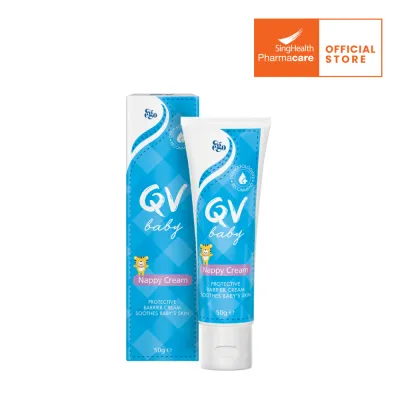
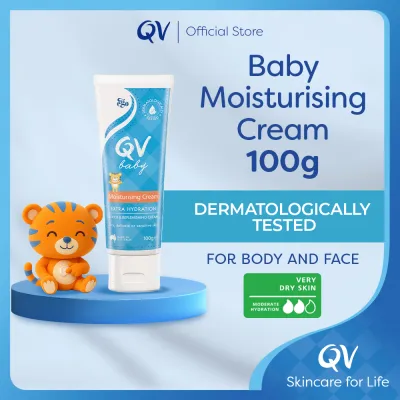
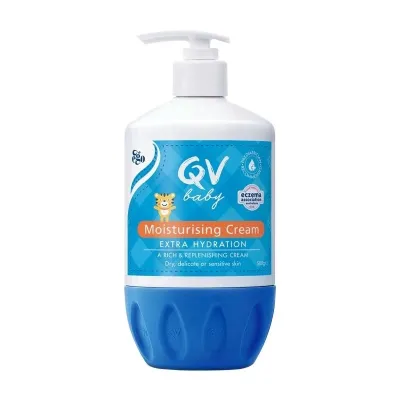
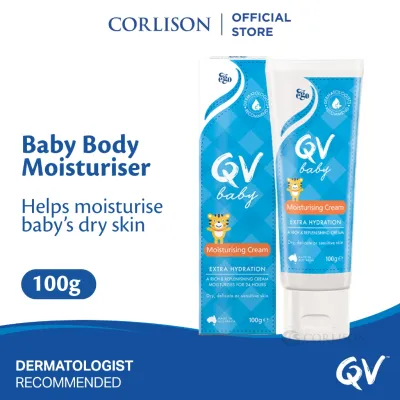
Prices are valid at publication and may change. Please refer to the product page for the latest price.
Moderate diaper rash involves more defined, bright red areas of inflammation. The skin may feel warm to the touch, and there may be slight swelling or small bumps. At this stage, the baby may show signs of discomfort or flinch during diaper changes, especially when the area is wiped. This level of irritation requires a combination of hydration to repair the skin barrier and a physical barrier to prevent further contact with irritants.
Severe diaper rash is characterized by intense redness, peeling, blisters, or open, weeping sores. The rash may spread over a large area, and the baby is likely to be in significant discomfort or pain. In these cases, standard moisturising creams are insufficient, and a thick barrier cream is necessary to shield the raw skin while it heals. Caregivers must also monitor for signs of infection, such as pus, yellow crusting, or a fever, which require immediate medical attention.
It is also important to distinguish simple friction or moisture irritation from potential fungal or bacterial infections. Simple diaper rash, or irritant contact dermatitis, typically spares the skin folds because they are protected from direct contact with urine and stool. In contrast, fungal infections, such as those caused by Candida, thrive in warm, moist environments and usually start in the skin folds, presenting as bright red patches with small “satellite” spots spreading outward. Bacterial infections may feature rapidly spreading warmth, swelling, or pus-filled blisters.
Each skincare step plays a specific role in the overall healing and prevention process. Cleansing removes irritating waste products and old cream residues without causing mechanical friction. Hydrating replenishes lost lipids and moisture in the outer layers of the skin, supporting the natural barrier. Protecting creates a physical shield that prevents urine, feces, and friction from contacting the compromised skin, allowing it to heal undisturbed.
Comparing QV Baby Products for Diaper Rash Care
Infant skin is significantly thinner and more permeable than adult skin, making it highly susceptible to chemical irritants and environmental stressors. When the diaper area is compromised, the natural skin barrier is weakened, allowing irritants to penetrate deeper. Cleansers, moisturisers, and barrier creams serve distinct, complementary roles in managing this vulnerability.

When selecting products for this delicate region, caregivers must carefully inspect product labels. Formulations should be free from common sensitising agents such as synthetic fragrances, common soap surfactants, and alcohol. Fragrances can trigger contact dermatitis on already inflamed skin, while soap can strip away essential lipids, worsening dryness and irritation.
QV Baby Wash: Gentle Cleansing for Sensitive Skin
During diaper changes, removing urine and fecal enzymes is critical, but harsh scrubbing or using highly alkaline soaps can damage the skin barrier. QV Baby Wash is designed as a mild, soap-free cleanser that helps maintain the skin’s natural acidic pH. It is ideal for routine cleansing during bath time or when cleaning up stubborn diaper residues.
Unlike traditional soaps, a soap-free wash uses gentle surfactants that lift away dirt and oils without stripping the skin’s natural moisture. This is particularly important when dealing with diaper rash, as the skin is already vulnerable. The formulation is designed to be low-irritant, making it suitable for daily use on sensitive infant skin.
However, caregivers must recognize the limitations of a wash. While it prepares the skin for subsequent treatments, it does not remain on the skin to provide ongoing hydration or physical protection against wetness. It is a preparatory step, not a standalone solution for active diaper rash.
When purchasing, check the packaging to verify that the product is formulated for sensitive or eczema-prone skin. Look for labels indicating that it is dermatologically tested, non-comedogenic, and free from common irritants like sodium lauryl sulfate (SLS). Always follow the manufacturer’s instructions for use and supervise your baby during bath time.
QV Baby Cream: Hydration for Mild Irritation
When your baby’s skin shows early signs of dryness or mild pinkness, restoring hydration is the primary goal. QV Baby Cream is a rich, moisturising cream formulated to replenish dry areas and support the skin’s natural barrier function. It is best suited for daily maintenance and addressing mild, non-weeping irritation before it escalates.
The cream works by delivering humectants and emollients into the outer layers of the skin, helping to lock in moisture and soothe dry patches. It should be applied to clean, dry skin after a diaper change or bath. Regular use helps maintain skin elasticity and resilience against friction.
Despite its hydrating benefits, a standard moisturising cream has limitations in the diaper zone. It is designed to absorb into the skin rather than sit on top of it. Consequently, it does not provide a sufficiently thick, water-repellent layer to block prolonged contact with wetness and acidic stools.
To maximize the effectiveness of the cream, apply a thin layer and allow it to absorb fully into the skin before putting on a fresh diaper. If the diaper is secured immediately, much of the cream may transfer onto the diaper fabric, reducing its protective value. Ensure the skin is completely dry before application to avoid trapping excess moisture.
QV Baby Barrier Cream: Protection Against Moisture and Friction
For moderate to severe diaper rash, or for babies who are highly prone to irritation, a dedicated barrier cream is essential. QV Baby Barrier Cream is formulated to create a physical, protective shield over the skin. This shield prevents urine, feces, and friction from directly contacting the compromised skin barrier.
The primary function of a barrier cream is to repel water. When reviewing product labels, look for key functional ingredients like zinc oxide or dimethicone, which sit on the surface of the skin to block moisture. These ingredients do not easily rub off, providing long-lasting protection between diaper changes.
To apply a barrier cream effectively, use a generous amount to create a visible, protective layer over the affected area. Think of it as frosting a cake; the cream should shield the skin from view to ensure adequate protection. This thick layer acts as a sacrificial barrier, absorbing the friction from the diaper rather than the skin itself.
It is critical to clean the skin thoroughly and pat it completely dry before reapplying a barrier cream. Applying a fresh layer of barrier cream over dirty skin or residual moisture can trap bacteria, yeast, and irritants against the skin, which can worsen the rash or lead to an infection. Always verify the manufacturer’s warnings regarding application on broken skin.
Decision Guide: Matching the Product to Your Baby's Condition
To manage diaper rash effectively, caregivers can follow a structured decision-making process based on the baby’s current skin condition.
For daily prevention when the skin is healthy, focus on gentle cleansing with QV Baby Wash during baths, followed by a light application of QV Baby Cream to maintain hydration. If your baby is prone to frequent rashes, you can add a thin layer of QV Baby Barrier Cream before bedtime or long car rides when diaper changes are less frequent. This proactive approach helps maintain skin integrity.
When active, mild redness or dryness appears, wash the area gently, pat dry with a clean towel, and apply QV Baby Cream to soothe the irritation. Once the cream has absorbed, apply a layer of QV Baby Barrier Cream to seal in the moisture and protect the area from subsequent wetness. This layering technique addresses both hydration and protection.
For moderate to severe redness, skip the standard moisturising cream and apply a thick layer of QV Baby Barrier Cream directly to clean, dry skin. This provides the heavy-duty protection needed to allow the underlying skin to heal without further irritation. Avoid rubbing the skin during application to prevent further discomfort.
When layering products, always ensure the skin is completely dry between steps. Applying a barrier cream over wet skin or unabsorbed moisturiser can trap moisture, leading to skin maceration and increased irritation. Allow each layer to settle before applying the next.
If the diaper rash does not improve within a few days, or if it worsens despite consistent care, pause over-the-counter skincare. This is the time to consult a pharmacist or doctor for a targeted treatment, such as an antifungal or mild topical steroid, as standard barrier creams cannot cure underlying infections.
Safe Application and When to Seek Medical Advice
Practising proper hygiene during diaper changes is fundamental to preventing the spread of bacteria and yeast. Always wash your hands thoroughly with soap and water before and after every diaper change. Use clean, soft cloths or high-quality wipes, and avoid rubbing the skin roughly; instead, use a gentle patting motion to dry the area.
Before introducing any new skincare product to your baby’s routine, perform a patch test. Apply a small amount of the product to a small, unaffected area of skin, such as the inner forearm, and monitor it for 24 hours. If any redness, swelling, or irritation occurs, discontinue use immediately and consult a healthcare professional.
While most cases of diaper rash can be managed at home, caregivers must remain vigilant for signs of more serious conditions. Seek professional medical advice if you notice any of the following warning signs:
- The rash develops blisters, pus-filled pimples, or open, bleeding sores.
- Your baby develops a fever or seems unusually irritable and in pain.
- The rash spreads beyond the diaper area to other parts of the body, such as the abdomen or arms.
- The skin becomes extremely hot to the touch, swollen, or shows red streaks.
- The rash does not show any signs of improvement after three to four days of consistent care.
Frequently Asked Questions (FAQ)
Can I use QV Baby Barrier Cream on broken or weeping skin?
Manufacturer guidelines generally advise against applying thick, occlusive barrier creams directly to broken, bleeding, or weeping skin. When the skin barrier is severely compromised and weeping fluid, applying a heavy barrier cream can trap moisture, heat, and potential pathogens underneath. This trapped environment can encourage bacterial or fungal growth, potentially worsening the infection. For open wounds or weeping rashes, it is essential to consult a healthcare professional before applying any over-the-counter creams, as they may recommend a specialized treatment.
How often should I reapply QV Baby Cream or Barrier Cream during the day?
You should reapply protective barrier creams with every diaper change to maintain a continuous shield against moisture and irritants. For moisturising creams like QV Baby Cream, the frequency depends on your baby’s skin dryness and the local climate. In dry or air-conditioned environments, which are common in Singapore homes, you may need to apply it multiple times a day. Always ensure the skin is gently cleansed and completely dry before reapplying any product to prevent buildup and allow the skin to breathe.
Is it safe to mix QV Baby products with other diaper rash brands?
While many baby skincare products are gentle, mixing different brands or active ingredients can sometimes lead to skin sensitisation or reduced efficacy. For example, layering products with conflicting formulations might cause the barrier cream to slide off or pill, reducing its protective qualities. To minimize the risk of contact dermatitis or ingredient interactions, it is generally safest to stick to one cohesive product line. If you need to combine treatments, consult a pharmacist or paediatrician to ensure the active ingredients are compatible.

Community discussion
Share your experience or ask a question. Comments are reviewed before publication.