
Managing diaper rash in Singapore’s relentless heat and high humidity requires a strategic approach rather than a single, one-size-fits-all solution. The ideal QV Baby product depends entirely on whether you are trying to prevent daily irritation or treat an active flare-up. For daily prevention, QV Baby Barrier Cream provides a lightweight, breathable shield that protects delicate skin without trapping excessive sweat. For treating active, red, or inflamed diaper rash, QV Baby Nappy Cream offers a thicker, more concentrated formulation containing zinc oxide to soothe irritated skin and block out moisture. Supporting both is QV Baby Cleansing Wipes, which allow for gentle, non-irritating cleanups on the go.
However, the effectiveness of any barrier product in a tropical climate hinges on one critical rule: your baby’s skin must be completely clean and thoroughly dry before application. Applying any cream over damp skin will trap moisture and heat, which can exacerbate inflammation and lead to secondary infections. By understanding how the tropical climate affects infant skin and choosing the appropriate product for your baby’s current skin condition, you can maintain a healthy, rash-free diaper area.
Why Singapore's Tropical Climate Affects Diaper Rash
Singapore’s climate regularly features relative humidity levels exceeding 80% and temperatures hovering around 30°C. In this environment, babies sweat significantly more, especially in the diaper area where synthetic materials and tight elastics restrict airflow. Infant skin is up to 30% thinner than adult skin, meaning its natural barrier function is less developed and highly susceptible to external irritants. When sweat and urine are trapped inside a warm, closed diaper, they break down into ammonia, which raises the skin’s pH from its normal acidic level to an alkaline state. This alkaline shift compromises the skin’s protective barrier, making it highly vulnerable to friction, chafing, and breakdown.
Products mentioned in this guide
Prices are valid at publication and may change. Please refer to the product page for the latest price.
Furthermore, this warm, moist environment acts as an ideal incubator for microorganisms, particularly Candida albicans, the yeast responsible for fungal diaper infections. Unlike standard diaper irritation, which is caused by friction and chemical contact, fungal infections thrive in wet skin folds and require a different management approach. The constant presence of ambient humidity means that sweat does not evaporate quickly from your baby’s skin, leading to a state of prolonged wetness known as maceration. Macerated skin looks slightly waterlogged or wrinkly, and its structural integrity is severely weakened, making even minor friction from a diaper highly damaging.
A common mistake in tropical climates is applying heavy, highly occlusive ointments over skin that is not fully dry. While these thick formulations are designed to block external moisture from urine and stool, they can also act as a seal that traps sweat and pre-existing moisture against the skin. This trapped heat and wetness can trigger prickly heat (miliaria) alongside diaper rash, causing intense discomfort for your baby. Therefore, successful diaper area care in a humid climate requires a delicate balance: removing irritants gently, ensuring the skin is completely dry, and applying a breathable barrier that protects the skin without smothering it.
How to Choose the Right QV Baby Product for Your Needs
Selecting the right diaper care product requires assessing your baby’s skin during every change. Parents must differentiate between daily maintenance and active treatment. Daily maintenance focuses on keeping the skin barrier intact, minimizing friction, and protecting against the occasional wet diaper. This is where lightweight barrier creams and gentle cleansing wipes are most effective, as they are formulated to be easily absorbed or leave a thin, non-sticky layer that allows the skin to breathe during daytime hours when changes are frequent.

Active treatment, conversely, is necessary when the skin is already compromised—showing signs of redness, rough patches, or minor chafing. Here, a thicker, more robust cream is required to physically separate the damaged skin from acidic urine and stool, particularly during overnight sleep when diaper changes are less frequent. The table below outlines the primary differences between the main QV Baby diaper care products to help you make an informed decision:
| Product | Primary Purpose | Key Characteristics | Best Used For |
|---|---|---|---|
| QV Baby Cleansing Wipes | Gentle cleaning | Alcohol-free, fragrance-free, soap-free | Routine diaper changes, on-the-go cleanups |
| QV Baby Barrier Cream | Daily prevention | Light, spreadable, soothing | Mild redness, daily protection, daytime use |
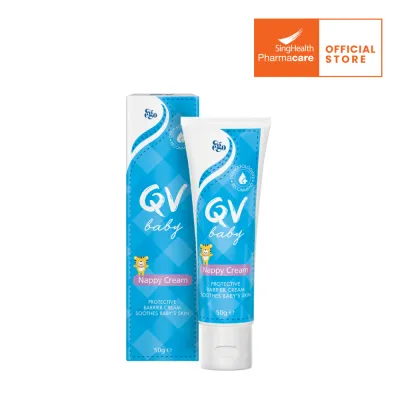
| QV Baby Nappy Cream | Active treatment | Thick, protective, contains zinc oxide | Active diaper rash, overnight protection |
When evaluating QV Baby products, always inspect the packaging labels carefully. Look for key characteristics such as “fragrance-free,” “colour-free,” and “lanolin-free,” as these common additives can further sensitize irritated skin. Additionally, check for the presence of soothing agents like squalane (a natural component of skin lipids) and physical barriers like zinc oxide. Always verify the manufacturer’s age recommendations, specific usage instructions, and allergy warnings on the packaging before the first application. While QV Baby products are designed for sensitive skin, every baby’s skin is unique, and verifying suitability is a crucial safety step.
Recommended QV Baby Products for Prevention and Treatment
QV Baby Cleansing Wipes for Gentle Cleaning
During diaper changes, especially when away from home or when a full wash is impractical, wipes are your primary defense against irritants. QV Baby Cleansing Wipes are designed to gently lift away urine and fecal matter without the need for harsh rubbing, which can cause micro-tears in delicate infant skin. These wipes are formulated to be soap-free, fragrance-free, and alcohol-free, helping to maintain the skin’s natural moisture barrier rather than stripping it away.
In Singapore’s humid climate, the liquid left behind by wet wipes does not evaporate quickly. If a new diaper is fastened immediately after wiping, this residual liquid becomes trapped moisture. Therefore, wipes should always be followed by thorough pat-drying with a clean, dry cloth or a few moments of air-drying. Always check the label to confirm the specific ingredients and ensure the wipes are suitable for your baby’s age and skin sensitivity.
QV Baby Barrier Cream for Daily Prevention
QV Baby Barrier Cream acts as a protective shield against moisture, friction, and biological irritants. It is ideal for babies with normal skin or those experiencing mild, transient redness. Because it has a lighter, more spreadable texture than intensive treatment creams, it is highly suitable for daytime use in Singapore, where heavy creams can feel greasy and uncomfortable. It helps to rehydrate the skin while leaving a thin, protective barrier that prevents urine and stool from making direct contact with the epidermis.
When using the barrier cream, parents should check the tube’s ingredient list to ensure compatibility with their baby’s skin type. The key to using this product effectively in a tropical climate is applying a very thin, even layer. A thick slathering of barrier cream can trap perspiration underneath, potentially causing sweat rashes or clogged pores in the groin folds. A thin, translucent layer is all that is needed to provide robust protection while allowing the skin to breathe.
QV Baby Nappy Cream for Active Rash Treatment
When diaper rash has taken hold, a standard barrier cream may not provide sufficient protection. QV Baby Nappy Cream is formulated as a thicker, more protective barrier designed to soothe active irritation and promote skin healing. It is particularly valuable for overnight use, providing a durable shield that remains intact even during extended contact with wetness while your baby sleeps.
Parents should verify the active ingredients on the product label—specifically looking for zinc oxide, which provides a physical barrier and possesses mild astringent and soothing properties. Because of its thick, water-resistant nature, this cream does not wash away easily. During subsequent diaper changes, parents must gently but thoroughly cleanse the area to remove any old cream buildup. Leftover residue can trap bacteria and sweat, defeating the purpose of the treatment. Use a soft, damp cloth or a gentle baby wash to clean the skin without aggressive scrubbing.
Building a Humid-Weather Nappy Changing Routine
A consistent, structured diaper changing routine is essential for managing skin health in a tropical climate. By following these four steps, you can maximize the efficacy of your QV Baby products and minimize the risk of diaper rash.
- Step 1: Gentle Cleansing: Begin by removing the soiled diaper. Cleanse the area thoroughly using QV Baby Cleansing Wipes or, if at home, lukewarm water and a soap-free baby wash. Avoid rubbing or wiping vigorously; instead, use gentle patting motions to lift away residue. Ensure you clean all the skin folds and creases where sweat and diaper runoff tend to accumulate.
- Step 2: Crucial Drying Techniques: This is the most critical step in a humid climate. Never apply cream to damp skin. Gently pat the area dry with a clean, soft cotton towel. Whenever possible, allow your baby to have a few minutes of "diaper-free time" to let the skin air-dry completely. This brief exposure to air helps cool the skin and ensures no moisture is locked beneath the barrier cream.
- Step 3: Correct Application: Assess the skin's condition. For daily maintenance and healthy skin, squeeze a small amount of QV Baby Barrier Cream and spread a thin, translucent layer over the diaper area, focusing on the buttocks and groin folds. If the skin is red or irritated, switch to QV Baby Nappy Cream, applying a slightly thicker, visible layer to act as a physical shield. Ensure your hands are clean before application to avoid introducing bacteria.
- Step 4: Diaper Fit and Airflow: Select high-quality, breathable diapers that allow heat and moisture to escape. When putting on the new diaper, ensure it is not fastened too tightly. There should be enough space to easily slip two fingers under the waistband. A tight diaper restricts ventilation, increases friction against the skin, and traps heat, which can trigger both diaper rash and heat rash. Additionally, increase the frequency of diaper changes during the hottest parts of the day to minimize the time skin is exposed to wetness.
Safety Boundaries: When to Seek Professional Medical Help
While over-the-counter diaper products are highly effective for prevention and mild to moderate irritation, parents must recognize when professional medical intervention is necessary. If a diaper rash does not show signs of improvement or continues to worsen after three to four days of consistent, proper home care and product application, it is time to consult a doctor. Prolonged inflammation can indicate an underlying issue that over-the-counter creams cannot resolve.
Parents must watch closely for signs of secondary infections, which are common in hot, humid climates. A fungal (yeast) infection often presents as a bright red, shiny rash with distinct borders and small red spots (satellite lesions) spreading beyond the main rash area into the thighs or abdomen. A bacterial infection may present with blistering, pus-filled pimples, oozing, crusting, or a raw, bleeding surface. If your baby develops a fever, becomes unusually irritable, or displays signs of pain when the diaper area is touched, these are clear indicators of a more serious issue.
In any of these scenarios, stop using over-the-counter barrier creams and seek immediate evaluation from a paediatrician or qualified healthcare professional. Do not attempt to treat suspected infections with leftover prescription creams or alternative home remedies without medical guidance, as inappropriate treatments can worsen the irritation and delay proper healing.
Frequently Asked Questions (FAQ)
Can I use QV Baby Barrier Cream and Nappy Cream together?
It is generally unnecessary and counterproductive to layer these two products. QV Baby Barrier Cream is designed for daily prevention, while QV Baby Nappy Cream is a thicker formulation meant for active treatment. Layering them can create a heavy buildup that traps sweat and heat, especially in Singapore’s humid climate. Choose one based on your baby’s current skin condition: the Barrier Cream for daily maintenance, or the Nappy Cream for active rashes.
Are QV Baby wipes safe for newborns with highly sensitive skin?
Yes, but you must always verify the specific product packaging to confirm newborn suitability. QV Baby Cleansing Wipes are formulated to be soap-free, fragrance-free, and alcohol-free, making them suitable for delicate skin. However, a newborn’s skin barrier is exceptionally thin. If you notice any signs of redness, irritation, or an allergic reaction, stop using the wipes immediately and consult your paediatrician. For the first few weeks, some parents prefer using cotton wool and lukewarm water.
How often should I change diapers in Singapore's hot weather?
In Singapore’s hot and humid climate, you should aim to change your baby’s diaper every two to three hours, or immediately after they have soiled it. Prolonged exposure to wetness and warmth accelerates skin breakdown and fungal growth. Frequent changes, combined with thorough drying and a thin layer of protective cream, are the most effective ways to prevent diaper rash in tropical weather.
Community discussion
Share your experience or ask a question. Comments are reviewed before publication.