
Selecting a post-natal binder in Singapore requires balancing physical recovery needs with the practical realities of daily life in a tropical climate. While many new mothers seek out these garments to assist with abdominal support and comfort after childbirth, navigating the wide array of options available in local maternity boutiques and online marketplaces can be overwhelming.
The key to finding the most effective binder lies not in chasing universal brand recommendations, but in understanding your unique body, your delivery method, and the specific material features that will keep you comfortable. This guide provides a comprehensive framework to help you evaluate, verify, and safely select a post-natal binder that supports your postpartum journey.
Understanding the Role of Post-Natal Binders in Recovery
To make an informed purchase, it is essential to clarify what a post-natal binder can and cannot do. During pregnancy, your abdominal muscles and the connective tissue known as the linea alba stretch significantly to accommodate your growing baby. Additionally, the hormone relaxin softens your ligaments, affecting your pelvic stability.
Products mentioned in this guide
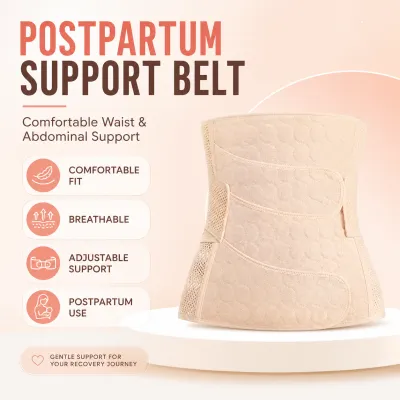
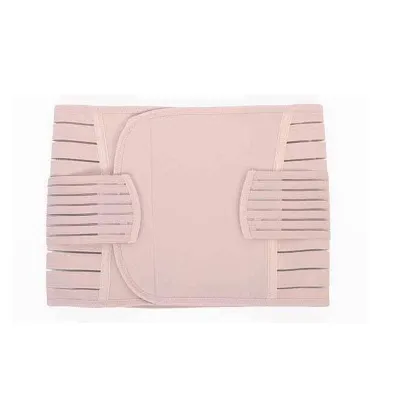
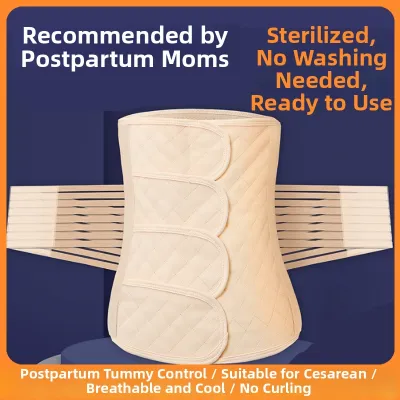
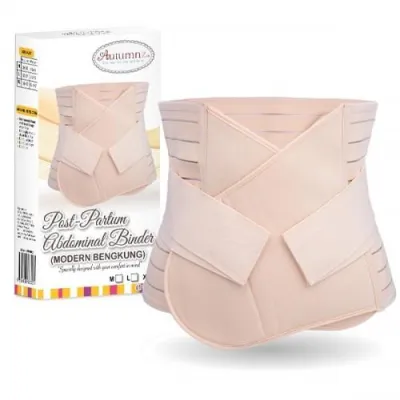
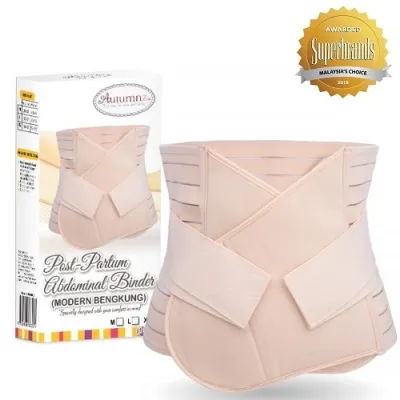
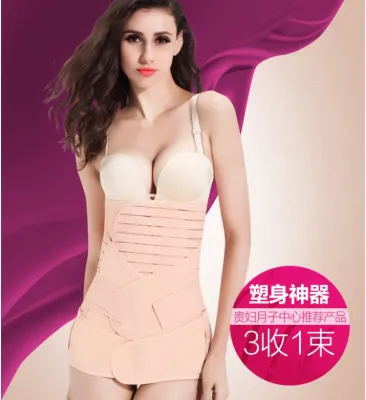
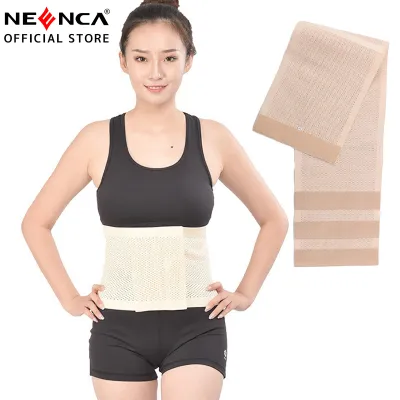
Prices are valid at publication and may change. Please refer to the product page for the latest price.
After delivery, a post-natal binder acts as an external support system, providing gentle compression that can help stabilize your core, improve your posture, and make daily movements—such as sitting up, standing, or lifting your baby—feel more secure.
However, it is crucial to distinguish between general physical comfort and medical treatment. A binder is a supportive garment; it is not a cure for complex postpartum conditions such as severe diastasis recti (abdominal muscle separation) or pelvic floor dysfunction.
While light compression can temporarily hold the abdominal wall in a supportive position, true recovery and muscle rehabilitation require targeted exercises, often guided by a specialized women’s health physiotherapist. Relying solely on a binder without active rehabilitation can lead to muscle weakness over time, as your core muscles may become dependent on the external support.
Furthermore, binders are not weight-loss or slimming tools. Although they can temporarily smooth your silhouette and help manage postpartum fluid retention (edema), they do not burn fat or permanently alter your body shape. Setting realistic expectations will prevent you from tightening the garment excessively in pursuit of rapid aesthetic changes, which can actually hinder your recovery.
Before purchasing or wearing any binder, consulting your obstetrician, gynecologist, or midwife is an absolute necessity. This is especially critical if you have had a Cesarean section, a complicated vaginal delivery, or any pre-existing pelvic floor issues. Your healthcare provider can assess your healing progress and confirm whether your body is ready for external compression, ensuring that your recovery remains safe and uninterrupted.
Key Features to Evaluate for Comfort and Support
When shopping for a post-natal binder in Singapore, the local climate must be a primary consideration. Singapore’s high humidity and warm temperatures mean that wearing an extra layer of thick fabric around your midsection can quickly lead to excessive sweating, heat rash (miliaria), or skin irritation.

To prevent this, prioritize binders made from highly breathable, moisture-wicking materials. Look for open-weave elastic structures, mesh panels, or fabrics blended with natural fibers like bamboo-derived viscose or organic cotton. These materials facilitate airflow and help keep your skin dry, reducing the risk of contact dermatitis.
Adjustability is another critical feature. Your postpartum body will undergo rapid changes in the weeks following childbirth as your uterus contracts (a process called involution) and fluid retention subsides. A binder with limited adjustability will quickly become either too loose to provide support or too tight to wear comfortably.
Opt for designs that feature wide, multi-paneled Velcro straps, hook-and-eye closures, or adjustable wrap mechanisms. These allow you to customize the level of compression across different areas of your abdomen and adjust the fit as your body shape evolves.
The internal construction of the binder also plays a significant role in your daily comfort. Examine the softness of the inner lining and the placement of the seams. Rough seams, stiff edges, or exposed plastic boning can chafe against your skin, particularly when you sit down or bend over.
If you have had a C-section, it is vital that the binder does not have any hard seams or closures that sit directly over your incision site, as this can cause pain, friction, and potentially disrupt wound healing.
Finally, consider the practical aspects of daily wear. As a new mother, your days will be filled with frequent restroom visits, nursing sessions, and diaper changes. A binder that is incredibly complex to put on, requires assistance to adjust, or must be completely removed every time you use the bathroom will quickly become a source of frustration. Look for designs that you can easily secure and adjust independently while standing or lying down.
Comparing Common Styles of Post-Natal Binders
Post-natal binders come in several distinct styles, each offering different levels of coverage, support, and ease of use. Understanding these structural differences will help you select a style that aligns with your recovery goals and lifestyle.
Wrap-around belts and bands are among the most popular choices for the early postpartum weeks. These typically consist of a wide, elasticized band that wraps around your midsection and secures with Velcro. Their primary advantage is their simplicity and high degree of adjustability.
You can easily tighten or loosen the band depending on your comfort level, and they are straightforward to put on while lying down in bed. However, because they are single bands, they can sometimes ride up, bunch, or shift out of place when you transition from standing to sitting, requiring frequent readjustment throughout the day.
Pull-on support shorts or high-waisted panties offer a different approach by providing continuous compression from the mid-thigh or groin up to the underbust. This style is highly effective for stabilizing the pelvic girdle, lower back, and hips, making it a popular choice for mothers experiencing pelvic joint discomfort.
Because they are worn like regular underwear, they stay securely in place without riding up. The trade-off, however, is the difficulty of putting them on. In the immediate days after delivery, pulling a tight, compressive garment up over tender pelvic tissues, perineal stitches, or a fresh C-section incision can be physically challenging and uncomfortable. Consequently, many mothers save this style for a few weeks into their recovery.
Full-torso shapewear and postpartum corsets provide structured, comprehensive coverage from the chest down to the hips. These garments often utilize multiple rows of hook-and-eye closures or zippers, sometimes reinforced with flexible boning to maintain their shape.
While they offer excellent posture support and uniform compression, they require highly precise sizing. If a corset is even slightly too small, it can restrict your natural diaphragmatic breathing, compress your internal organs, and place excessive downward pressure on your pelvic floor. They also tend to be less flexible, which may limit your mobility when bending over to care for your newborn.
Ensuring Safe Usage and Recognizing Warning Signs
Using a post-natal binder safely requires careful attention to sizing, fit, and your body’s physical feedback. To ensure you purchase the correct size, do not rely on your pre-pregnancy clothing sizes or guess your current measurements.
Instead, use a flexible measuring tape to measure your waist and hips. Many manufacturers recommend taking these measurements around the 36th week of pregnancy as a baseline, or measuring yourself a few days after delivery. Always cross-reference your actual measurements with the specific manufacturer’s sizing chart, as sizing standards vary widely between different brands and styles.
Once you have the binder, learning to recognize the signs of an improper fit is crucial for your health. A binder should provide comfortable, supportive compression—similar to a firm hug—but it should never feel painful, restrictive, or suffocating.
If you experience shallow breathing, shortness of breath, acid reflux, or indigestion while wearing the binder, it is likely too tight or positioned too high. Most importantly, pay attention to any sensation of downward pressure in your pelvis.
If you feel like your pelvic floor is being pushed downward, remove the binder immediately. Excessive intra-abdominal pressure caused by a binder that is too tight can strain your pelvic floor muscles and increase the risk of pelvic organ prolapse.
To prevent muscle dependency and skin irritation, establish clear daily wear limits. Healthcare professionals generally advise against wearing a binder continuously throughout the day. Instead, limit your wear to periods when you need the most support, such as when you are standing, walking, or holding your baby, and take regular breaks of several hours to allow your core muscles to engage and your skin to breathe.
You must immediately stop using the binder and consult your doctor, obstetrician, or midwife if you experience any of the following warning signs:
- Localized pain or burning sensations, especially near a C-section incision.
- An increase in postpartum vaginal bleeding (lochia).
- Skin redness, itching, rashes, or blisters under the binder.
- Numbness, tingling, or a cold sensation in your legs or pelvic area.
- Dizziness, lightheadedness, or difficulty taking a deep breath.
A Verification Checklist for Purchasing Your Binder
Before finalizing your purchase from a local maternity boutique, pharmacy, or online retailer in Singapore, use this verification checklist to ensure you are buying a safe, high-quality, and authentic product:
- Verify Material and Care Labels: Check the product description or physical packaging for a clear breakdown of material composition. Ensure it does not contain materials you are allergic to, such as latex. Confirm that the care instructions are practical for your lifestyle, as some binders require hand-washing while others can be machine-washed.
- Review the Return and Exchange Policy: Because post-natal binders are classified as intimate hygiene garments, many retailers in Singapore enforce strict no-return or no-exchange policies once the packaging or hygiene seal is broken. Double-check these terms before buying, especially if you are purchasing in advance and are unsure of your final postpartum size.
- Analyze Verified Customer Reviews: When shopping online, look for detailed reviews from verified purchasers. Focus on feedback regarding the product's long-term durability, whether the Velcro loses its grip after washing, and how comfortable the binder is when sitting down. Ignore reviews that make unverified medical claims, such as promising to cure diastasis recti or guarantee rapid weight loss.
- Purchase from Reputable Sources: To ensure product authenticity and access to reliable customer support, purchase directly from authorized brand websites, established local pharmacies, or reputable physical maternity boutiques. Avoid purchasing from unverified third-party sellers on online marketplaces, as counterfeit or low-quality compression garments may use substandard elastics or dyes that can cause severe skin irritation.
Frequently Asked Questions (FAQ)
Can I wear a post-natal binder while sleeping?
Continuous 24-hour wear of a post-natal binder is generally discouraged by healthcare professionals. Sleeping is a critical period for your body to rest, recover, and restore natural blood circulation.
Wearing a tight compression garment overnight can restrict your breathing, cause skin irritation from trapped sweat, and impede natural muscle recovery. Always follow the specific manufacturer’s guidelines and consult your doctor or midwife before considering any nighttime support.
How soon after delivery can I start wearing a binder?
The timeline depends heavily on your delivery method and individual healing progress. For an uncomplicated vaginal delivery, some mothers may start wearing a light support band within the first few days postpartum, once cleared by their healthcare provider.
For a Cesarean section, it is vital to wait until your obstetrician or midwife inspects the incision and gives explicit approval—usually after the first postpartum checkup or when the wound has closed sufficiently to avoid friction. Early use should always focus on gentle, light support rather than tight compression.
How do I wash and maintain my post-natal binder?
Always check the specific care label on your garment, as materials and structural components vary. Generally, to preserve the elasticity of the fibers and prevent damage to the closures, hand-washing in cool water with a mild, hypoallergenic detergent is highly recommended.
If using a washing machine, place the binder in a mesh laundry bag, select a delicate cycle, and ensure all Velcro tabs are securely fastened to prevent snagging. Always air-dry the binder flat in a shaded area; avoid using a clothes dryer, as high heat can degrade elastic fibers and warp structural panels.

Community discussion
Share your experience or ask a question. Comments are reviewed before publication.