
Selecting the ideal portable baby floor mat for outdoor adventures in Singapore requires a careful balance of comfort, durability, and climate-conscious design. Whether you are planning a family picnic at the Singapore Botanic Gardens, a beach day at Sentosa, or a casual afternoon at a neighborhood park, the right mat serves as a clean, safe, and comfortable boundary between your baby and the outdoor elements. In a tropical environment characterized by high humidity, sudden rain showers, and intense sun, standard indoor play mats often fall short. To find a reliable option among the various portable baby floor mat brands available, parents must look beyond aesthetics and focus on functional specifications that cater to both the local climate and on-the-go convenience. This guide outlines the essential features, material safety standards, and practical maintenance routines to help you make an informed decision for your family’s outdoor outings.
Essential Features for Outdoor Baby Floor Mats
Outdoor surfaces in Singapore present unique physical challenges. Grassy lawns, sandy beaches, and park soils are rarely perfectly flat or free of debris. A mat that is too thin will allow twigs, pebbles, and uneven ground to poke through, causing discomfort for a crawling baby or a sitting toddler. To ensure adequate cushioning, look for portable mats with a minimum thickness of 0.5 cm to 1 cm. High-density materials, such as cross-linked polyethylene (XPE) foam, provide excellent shock absorption and ground insulation without adding excessive bulk to your travel gear.
Tropical grass is notorious for retaining moisture, even on warm, sunny afternoons. Morning dew, recent rain showers, and high humidity levels mean that park lawns are often damp. A true outdoor baby mat must feature a dedicated waterproof or highly water-resistant bottom layer. Materials like thermoplastic polyurethane (TPU) coatings or heavy-duty, tightly woven polyester backings prevent ground moisture from seeping through to the top surface. This dry barrier keeps your baby’s clothes dry and protects them from the chill of damp ground.
Products mentioned in this guide
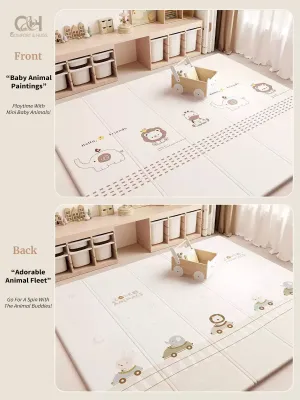
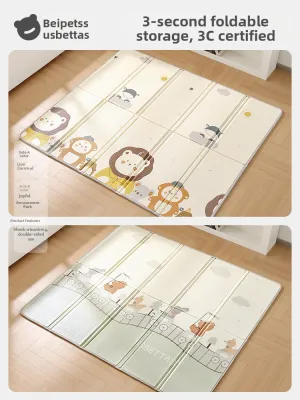
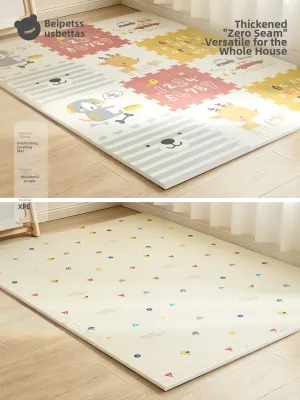
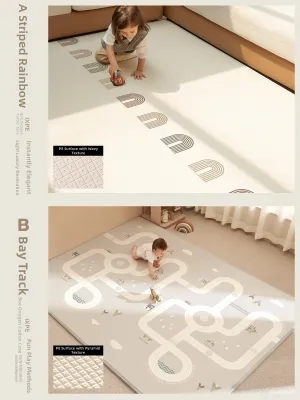
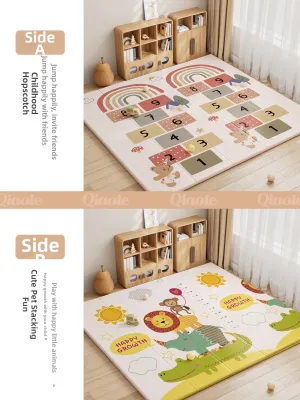
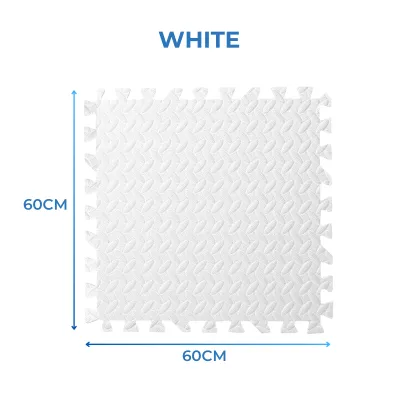
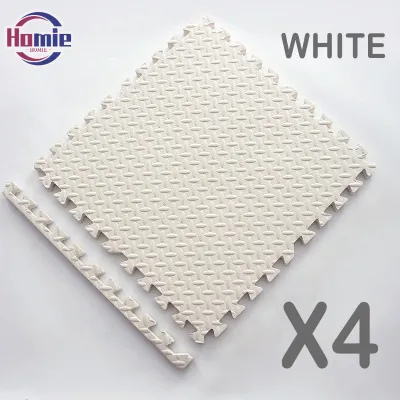
![[Buy 10 Free 2] 2.5cm Thick Interlocking Foam Floor Tiles 30x30cm EVA Foam Play Mats for Babies and Toddles Puzzle PlayMat](https://img.lazcdn.com/g/p/94a77a980b04e18d614dcbe5b227e5c1.jpg_400x400q80.jpg_.webp)
Prices are valid at publication and may change. Please refer to the product page for the latest price.
When placed on dry grass, synthetic turf, or slightly sloped park terrain, mats can easily slide or bunch up as babies roll, crawl, or attempt to stand. A textured, non-slip backing is essential to keep the mat anchored firmly in place. Many outdoor-specific models feature silicone grip patterns on the underside or integrated corner loops. These loops allow you to secure the mat to the ground using soft, baby-safe weights or dedicated anchors, preventing the mat from shifting during active play.
Material and Safety Checks for Tropical Weather
Singapore’s equatorial sun can heat up synthetic materials rapidly, turning an outdoor mat into an uncomfortably hot surface within minutes. Darker colors and certain dense plastics absorb and retain heat, which can irritate delicate baby skin. When evaluating different brands, check the manufacturer’s product specifications for thermal stability and UV-resistance ratings. It is always best to choose lighter, reflective colors and to test the surface temperature with the back of your hand before placing your baby down.

In hot and humid weather, babies sweat easily, making them susceptible to heat rash if they lie on non-breathable surfaces for extended periods. Look for mats that feature a breathable, skin-friendly top layer, such as a cotton-blend fabric or a specially textured, non-sticky foam. Because infants explore their environment by touching surfaces and putting their hands in their mouths, verifying non-toxic certifications is a critical safety step. Look for clear labels indicating that the mat is free from harmful chemicals, BPA, phthalates, and heavy metals, and carries recognized safety certifications like OEKO-TEX Standard 100 or EN71.
The combination of sweat, spilled milk, baby food, and tropical humidity creates a perfect breeding ground for mold and mildew. To prevent microbial growth, prioritize mats made from closed-cell foam or water-resistant fabrics that do not absorb liquids internally. These materials allow spills to sit on the surface rather than soaking into the core, making them much easier to dry quickly and keep hygienically clean.
Evaluating Portability and Storage for Travel
Portable mats generally come in two primary designs: folding (accordion-style) or rolling. Folding mats are highly popular for travel because they fold flat along pre-creased lines, which naturally keeps the dirty bottom side folded against itself and away from the clean top surface. However, frequent folding can cause wear and tear along the creases over time. Rolling mats avoid crease wear but can be bulkier to transport and may curl at the edges when laid out on the ground, requiring weights to keep them flat.
Managing a baby, a stroller, and a diaper bag requires hands-free convenience. A heavy, awkward mat quickly becomes a burden during transit on public transport or when walking through parks. Look for lightweight materials that keep the total weight of the mat under 1.5 kilograms. Built-in carry handles, integrated shoulder straps, or a dedicated zippered travel bag make a significant difference in how easily you can transport the mat from your home to your outdoor destination.
Before purchasing, measure your stroller’s under-seat storage basket or the dimensions of your travel diaper bag. A truly portable mat should fold down to a compact, rectangular shape that easily slides into these spaces. This ensures you do not have to carry the mat separately, leaving your hands free to attend to your baby.
On-the-Go Cleaning and Maintenance Routines
During outdoor play, mats inevitably collect dirt, grass clippings, sand, and food spills. Keep a pack of baby-safe, alcohol-free wet wipes or a damp microfiber cloth handy to clean up spills immediately. For dry debris like sand or dry grass, a quick shake of the mat before packing up is usually sufficient, provided the surface material is smooth and does not generate static electricity.
Never fold and store a damp mat. Trapping moisture inside a folded mat in Singapore’s warm, humid climate will quickly lead to sour odors, bacterial growth, and mold. If the mat gets wet from dew, spills, or cleaning, wipe it down with a dry towel and let it air-dry completely in a shaded, well-ventilated area before packing it into its carry bag. Avoid leaving the mat in direct, intense sunlight for extended periods, as UV rays can degrade the material over time.
Always consult the manufacturer’s care label for deep cleaning instructions. While some fabric-based portable mats are machine-washable on a gentle cycle, foam-based mats (such as XPE or TPU) should only be hand-washed or wiped down with mild soapy water. Avoid harsh chemical detergents, bleach, or fabric softeners, which can degrade the water-resistant coatings and irritate your baby’s sensitive skin.
Frequently Asked Questions (FAQ)
Can I use an indoor baby play mat outdoors?
While it is tempting to bring your indoor play mat to the park, indoor mats are generally not designed to withstand outdoor conditions. They typically lack UV stabilizers, meaning prolonged exposure to Singapore’s intense sun can cause the material to discolor, crack, or degrade. Additionally, rough outdoor surfaces like concrete, gravel, or twigs can easily puncture or scratch delicate indoor mats, and they often lack the heavy-duty waterproof backing needed to block ground moisture. Using an indoor mat outdoors can permanently damage the product and compromise its safety features.
How do I secure a portable mat on a windy day?
Securing a lightweight portable mat on a windy day requires safe, baby-friendly methods. Avoid using sharp metal tent stakes or heavy, hard objects (like large rocks or heavy water bottles) on the corners, as these pose a significant tripping or injury hazard to crawling babies and toddlers. Instead, look for mats designed with built-in corner pockets that can be filled with sand or soft weights. Alternatively, you can use soft, heavy baby gear, such as your diaper bag, a packed stroller organizer, or soft toys, to weigh down the edges safely.

Community discussion
Share your experience or ask a question. Comments are reviewed before publication.