
Choosing the right PiperLuna potty training seat for a toddler starting out depends on matching your child’s physical readiness and confidence level with the specific design format—either a low-to-the-ground freestanding potty or a toilet seat reducer with an integrated step stool. For absolute beginners who may feel anxious about the height of a standard toilet, a stable freestanding model offers a secure, low-risk introduction. Conversely, toddlers who show high motor confidence and want to mimic adults often transition faster using a secure seat reducer that fits directly onto the home toilet.
In typical high-rise apartments and HDB flats, bathroom space is often compact, and high humidity levels mean that ease of cleaning and quick-drying materials are crucial considerations. By evaluating your toddler’s physical cues, your bathroom layout, and the specific safety features of the potty training range, you can select a configuration that minimizes training anxiety and simplifies daily maintenance. Taking the time to assess these factors beforehand ensures a smoother, more positive transition away from diapers.
Understanding Your Toddler's Initial Potty Training Needs
Recognizing when your toddler is physically and developmentally ready is the first step in a successful potty training journey. Physical readiness involves more than just age; it requires specific motor skills, such as the ability to walk to the bathroom independently, sit down on a low seat, and stand up without losing balance. You should also observe their bladder control, noting whether they can stay dry for at least two hours at a time or during afternoon naps. Communication signals are equally vital, as your child must be able to express the physical urge to go through words, gestures, or facial expressions before the event actually occurs.
Products mentioned in this guide
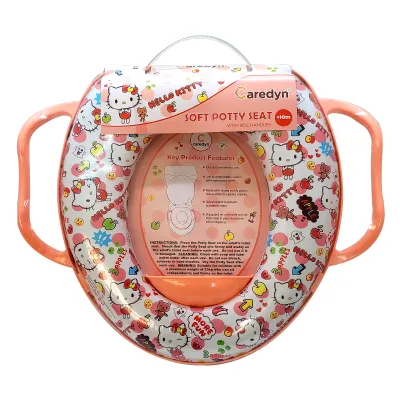
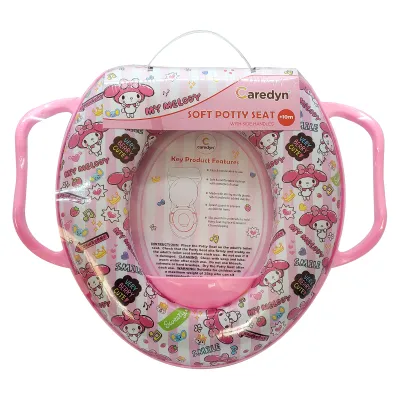
Prices are valid at publication and may change. Please refer to the product page for the latest price.
Assess your toddler’s current mobility and balance alongside their potential fear levels regarding standard adult toilets. To a small child, a standard toilet can look incredibly large, loud, and intimidating. The fear of falling into the water or being startled by a sudden, loud flush can cause significant training setbacks. If your toddler hesitates near the adult toilet or struggles to sit unsupported on low household chairs, they will likely benefit from a potty solution that keeps their feet firmly planted on the ground, providing a physical sense of security and grounding.
Caregiver supervision capacity and bathroom layout constraints also play a major role in your decision. If you are managing multiple household tasks or caring for other young children, a highly stable, low-profile potty that your toddler can use with minimal physical assistance is highly beneficial. Additionally, measure your bathroom floor space carefully. In compact bathrooms, a bulky step-stool setup might block walkways or interfere with shower areas, whereas a small freestanding potty can be tucked away into a corner when not in use, keeping the space functional for the rest of the family.
Key Features to Evaluate in a PiperLuna Potty Seat
When browsing potty training products for beginners, stability and non-slip mechanisms are paramount to prevent tipping during active use. Toddlers often drop their weight heavily when sitting down or wiggle around while trying to find a comfortable position. Look for potty seats that feature robust non-slip rubber grips or silicone pads on the base to prevent sliding on tiled bathroom floors. For seat reducers, verify that the design includes adjustable tightening mechanisms or secure brackets that lock the training seat firmly onto the existing toilet rim, eliminating any wobbling that could startle a hesitant child.

Ergonomic support and comfortable seating materials are essential for keeping your toddler cooperative during long sits. The seat should have a contoured design that supports the natural curve of a toddler’s spine, helping them maintain a comfortable, upright posture. High backrests provide physical reassurance, making the child feel secure and supported. Ensure the plastic or cushioning material is smooth, gentle on sensitive skin, and free from sharp seams or rough edges that could cause discomfort or leave marks.
An integrated splash guard is another critical feature to evaluate, particularly for keeping the surrounding area clean. A well-designed splash guard should be high enough to prevent accidental spills and deflections but shaped in a way that does not interfere with the child mounting or dismounting the seat. Keeping the surrounding floor dry not only reduces your cleaning workload but also prevents slip hazards on wet bathroom tiles, ensuring a safer environment for everyone.
Ease of disassembly and cleaning is crucial for maintaining hygiene in the early, messier stages of training. A well-designed potty seat should have a removable inner bowl or a highly streamlined, one-piece design that minimizes crevices where waste can accumulate. In warm, humid climates, moisture can easily trap bacteria or mold if the product is difficult to wash and dry. Look for lightweight materials that can be quickly rinsed under the tap, wiped down with mild soap, and air-dried without retaining water in hidden hollow sections.
Freestanding Potty vs. Toilet Seat Reducer with Step Stool
A freestanding potty sits directly on the floor, allowing your toddler’s feet to remain flat on the ground. This posture is anatomically optimal for bowel movements, as it mimics a natural squatting position and provides maximum stability. It is highly portable, meaning you can place it in the living room or bedroom during the very first days of training to make the potty immediately accessible. However, the main limitation is that you must manually empty and clean the waste bowl after every single use, which adds to the caregiver’s daily chores.
Conversely, a toilet seat reducer with an integrated step stool allows the toddler to climb up and use the adult toilet directly. This setup fosters a high degree of independence, as children love the feeling of using the “big toilet” just like their parents. It also eliminates the step of emptying a separate bowl, as waste goes directly into the toilet bowl to be flushed. The trade-off is that these units are larger, require assembly, and must be folded or moved aside whenever an adult needs to use the toilet, which can be cumbersome in smaller bathrooms.
Space considerations, storage options, and portability needs vary greatly between households. If your home has multiple bathrooms, you might have the luxury of leaving a step-stool reducer permanently installed on one toilet. However, if you share a single bathroom, a foldable reducer or a compact freestanding potty is much more practical. Consider portability as well; if your toddler spends weekends at a grandparent’s home or if you travel frequently, a lightweight, compact freestanding potty or a simple, non-bulky seat ring that fits into a travel bag will ensure consistency in their training routine.
While a basic freestanding potty might cost around S$20 to S$35, a multi-functional step-stool reducer can range from S$40 to S$75. Investing in a model that matches your specific bathroom layout and your child’s comfort level will save you time and reduce stress. If your budget allows, some families choose to purchase both: a freestanding potty for early training and portability, and a seat reducer with a step stool for transitioning to the adult toilet later on.
Pre-Purchase Checklist and Safety Verification
Before finalizing your purchase on any online marketplace or local retail store, carefully review the manufacturer-specified age, weight, and height limits on the product packaging or listing. Some compact freestanding potties are designed specifically for younger toddlers and may become unstable or uncomfortable if your child is taller or heavier than average. Conversely, step-stool reducers often require a minimum height so the child’s feet can comfortably rest on the step while sitting, ensuring proper physical support.
Verify the presence of recognized safety certifications and non-toxic material claims. Ensure the product is made from high-quality, BPA-free, and phthalate-free plastics that can withstand daily use and frequent cleaning. Avoid products with strong chemical odors or cheap, brittle plastics that could crack under pressure, posing a pinching or scratching hazard to your toddler. Checking these material specifications helps protect your child’s sensitive skin and ensures the product’s long-term durability.
Review return policies, warranty terms, and authentic seller indicators when buying from online retailers. Because toilet shapes and sizes vary, you want to ensure that a seat reducer will fit your specific toilet bowl design (such as round versus elongated shapes) before committing. Reading recent customer reviews can also provide valuable insights into how well the seat fits standard toilet designs, whether other parents found the assembly instructions easy to follow, and how the materials hold up over time.
Frequently Asked Questions (FAQ)
How do I know if my toddler is truly ready to start using a potty seat?
Your toddler may be ready to transition to a potty seat if they show consistent physical and behavioral milestones. Key indicators include staying dry for consecutive hours, expressing discomfort when their diaper is wet or soiled, and showing a genuine curiosity about bathroom habits. Additionally, the ability to follow simple two-step instructions, pull their pants up and down with minimal assistance, and communicate their physical needs clearly are strong signs that they are developmentally prepared to begin training.
What is the safest way to clean and maintain the potty seat between uses?
To maintain optimal hygiene and preserve the integrity of the materials, wash the potty seat or removable bowl after each use with warm water and a mild, non-abrasive liquid soap. Avoid using harsh chemical bleach or abrasive scrubbing pads, which can scratch the plastic surface and create microscopic grooves where bacteria can thrive. Ensure all components are thoroughly dried with a clean cloth or left to air-dry in a well-ventilated area to prevent mold growth, and regularly inspect the non-slip pads and joints for any signs of wear or loosening.

Community discussion
Share your experience or ask a question. Comments are reviewed before publication.