
Selecting the right nail care tool for your baby is a vital part of early grooming that directly impacts their comfort and safety. During the first few weeks of life, a baby’s nails are incredibly soft, thin, and fast-growing, making them prone to snagging or scratching delicate skin. As your child grows, their nails gradually thicken and harden, requiring different tools to achieve a clean, safe trim. Pigeon offers a range of nail care products designed to match these distinct developmental stages, helping caregivers navigate this delicate task with confidence.
To choose the ideal model, you must evaluate your baby’s current age, the physical thickness of their nails, and your own comfort level with different tool designs. For newborns, ultra-thin, short-bladed nail scissors provide the precise control needed to navigate paper-thin nails without pinching the surrounding skin. As your baby transitions into infancy and toddlerhood, specialized baby nail clippers with ergonomic grips and safety guards become more effective at managing tougher nails. By understanding the functional differences between these designs, you can establish a safe, stress-free grooming routine that protects your little one’s hands.
Comparing Pigeon Nail Care Designs: Scissors, Clippers, and Files
Understanding the structural differences between baby nail scissors, clippers, and files is the first step in selecting the right grooming tool. Each design serves a specific purpose tailored to different stages of physical development and nail density. Using the wrong tool can make the process difficult for you and uncomfortable for your baby, so matching the design to their current needs is essential.
Products mentioned in this guide
![Pigeon Baby Nail Clipper [NUHS Pharmacy]](https://img.lazcdn.com/g/ff/kf/S166fb16ec5404fc4a8883648ebd37facJ.jpg_400x400q80.jpg_.webp)
Prices are valid at publication and may change. Please refer to the product page for the latest price.
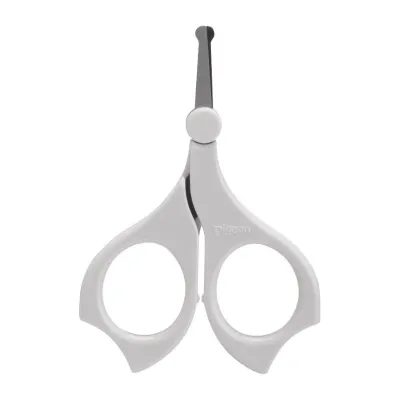
Baby nail scissors are characterized by their thin, curved blades and short cutting edges, which allow for excellent visibility during use. Because you can see the exact point where the blade meets the nail, scissors are frequently recommended for the extremely soft, pliable nails of early infancy. The curved design helps you follow the natural shape of the fingertip, reducing the risk of accidental nicks to the delicate skin underneath.
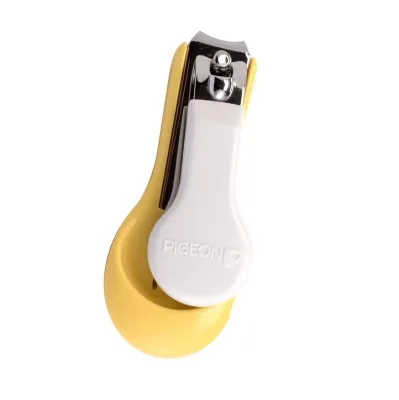
In contrast, baby nail clippers utilize a dual-blade pinching mechanism that cuts the nail in a single, swift motion. This design is highly efficient for older babies whose nails have hardened and grown thicker. However, because the clipper body can partially obstruct your view of the nail bed, these tools require a steady hand and are generally better suited for babies who can hold their hands relatively still.
Baby nail files and emery boards offer a non-invasive alternative that relies on gentle friction to wear down sharp edges. Files are exceptionally safe because they do not feature sharp blades, making them an excellent choice for anxious parents or as a finishing tool after using scissors or clippers. They allow you to smooth out jagged corners that could otherwise catch on clothing or scratch the baby’s face.
Safety features vary widely across these designs to accommodate different caregiver preferences and baby behaviors. Many baby scissors feature rounded tips to prevent accidental punctures if your baby makes a sudden, unexpected movement. Some baby clippers are equipped with protective guards that limit the depth of the cut, while others feature integrated magnifying glasses to help you see the tiny nail plate more clearly.
When selecting a tool, always refer to the manufacturer’s age and developmental guidelines printed on the packaging. These recommendations are carefully calibrated based on average nail thickness and finger size at various months of growth. Checking these labels ensures you are using a tool that is physically compatible with your baby’s current stage of development.
Identifying the Right Pigeon Tool for Your Newborn
The newborn stage presents unique challenges for nail care, as a baby’s nails are exceptionally thin, flexible, and closely bonded to the surrounding skin. During the first few weeks, the boundary between the nail edge and the delicate skin of the fingertip can be difficult to distinguish. Consequently, choosing a tool that prioritizes visibility and precise control is paramount for preventing accidental injury.

Short-bladed, rounded-tip baby scissors are widely considered a highly suitable tool for newborns. The exceptionally thin blades allow you to slide the tool gently under the nail edge without pressing against the sensitive nail bed. Because the blades are short, you have greater control over each small snip, allowing you to trim the nail gradually rather than making a single, blind cut.
The rounded tips of these scissors act as a helpful safety barrier, ensuring that any sudden startle reflex or hand movement does not result in a painful puncture. This design allows you to focus on the cutting edge without worrying about the tips of the scissors causing harm. Many caregivers find that this design provides the peace of mind needed to handle newborn grooming confidently.
Baby nail files serve as an excellent gentle alternative or a supportive finishing tool during the newborn phase. If your baby’s nails are extremely short but sharp, using a fine-grit emery board can safely smooth the edges without the need for blades. If you do use scissors, following up with a quick file ensures that no sharp corners remain to scratch your baby’s delicate facial skin.
Before purchasing any newborn nail care tool, carefully inspect the product label to verify its suitability for infants from birth. Look for clear age indicators, such as “0+ months,” and read any specific manufacturer warnings regarding usage. Ensuring the product is explicitly rated for newborns helps ensure that the blade thickness and handle size are optimized for the tiniest fingers.
When to Transition to a Pigeon Clipper for an Older Baby
As your baby grows, their physical characteristics and behavior will change, signaling that it is time to transition from baby scissors to a dedicated baby nail clipper. This transition typically occurs as the baby’s nails become thicker and more resilient, and as the child becomes more active and curious during grooming sessions. Recognizing these signs helps you maintain an efficient and safe nail care routine.
One of the most prominent observable signs that your baby is ready for a clipper is a noticeable increase in nail thickness and growth rate. If you find that baby scissors begin to bend or slip on the nail rather than cutting it cleanly, the nail has likely hardened beyond the optimal range for scissors. At this stage, a clipper is necessary to provide the clean, decisive cut required for thicker nail plates.
Increased physical activity and a stronger grasp also influence this transition. Older babies are naturally more wriggly and less likely to remain still during a trim. Baby nail clippers designed for older infants often feature wide, ergonomic handles that allow caregivers to maintain a firm, secure grip, reducing the likelihood of the tool slipping if the baby moves suddenly.
Many baby clippers also incorporate safety guards or covers that help position the nail correctly and prevent you from cutting too close to the quick. These guards act as a physical limit, ensuring that only a safe amount of the nail enters the cutting path. This feature is particularly helpful when managing the nails of an active baby who may try to pull their hand away.
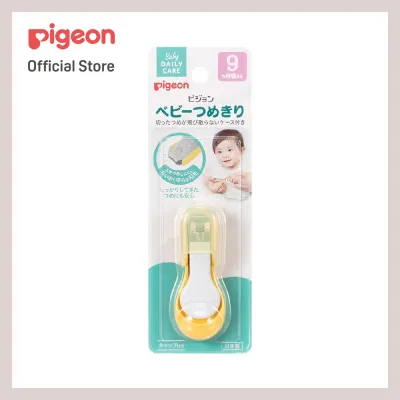
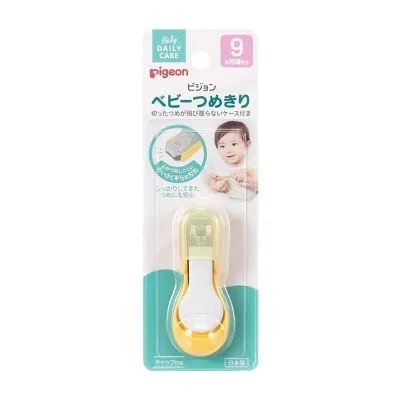
Always verify the specific model’s age guidelines on the packaging before making the switch, as some clippers are designed for babies over nine months or toddlers. If you attempt to use a clipper and find that the cutting edge is too wide for your baby’s fingers, or if the tool feels unstable, stop use immediately. It is generally safer to revert to baby scissors or a file until your baby’s hands have grown sufficiently to match the clipper’s dimensions.
Safe Trimming Practices and When to Consult a Professional
Implementing safe trimming practices is just as important as choosing the right tool for preventing discomfort and injury. Establishing a calm environment and a consistent routine can transform nail care from a stressful chore into a straightforward, manageable task. By prioritizing safety and hygiene, you protect your baby’s delicate hands from accidental harm and infection.
The timing of the trim plays a crucial role in the success of the process. Many experienced caregivers find that trimming nails while the baby is asleep, feeding, or highly relaxed after a warm bath is highly effective. A post-bath trim is particularly advantageous because the warm water temporarily softens the nails, making them much easier to cut cleanly without splitting.
Always ensure you are working in a well-lit room so you can clearly distinguish the nail plate from the underlying skin. When trimming, hold your baby’s hand securely but gently, and use your thumb to press the finger pad away from the nail edge. This technique creates a safe clearance space for the blades, significantly reducing the risk of accidentally catching the skin.
Routine maintenance of your nail care tools is essential for preventing the buildup of harmful bacteria. After each grooming session, wipe the blades of your scissors or clippers with a dry cloth or an alcohol wipe, adhering strictly to the manufacturer’s cleaning instructions. Avoid washing metal tools with water unless the manual explicitly states they are rust-proof, and always store them in a clean, dry place out of your child’s reach.
While minor nail issues are common, certain conditions require you to stop home care and consult a healthcare professional. If you observe signs of infection around the nail bed—such as persistent redness, swelling, warmth, or pus—seek advice from a pediatrician. Additionally, if your baby develops an ingrown nail or if you experience persistent difficulty using the tools safely, a professional can provide guidance and treatment.
Frequently Asked Questions (FAQ)
Can I use standard adult nail clippers on my baby?
Using standard adult nail clippers on an infant is highly discouraged due to the significant risk of injury. Adult clippers are designed for much larger, thicker nails and lack the specialized safety features, such as rounded tips or protective guards, found on baby-specific models. The wide blades of adult tools can easily catch the delicate skin of a baby’s fingertip, leading to painful nicks and potential infections. Always use tools specifically engineered for infant nail care to ensure safety.
How often should I trim my newborn's nails compared to an older baby?
Newborn nails grow remarkably fast and may require trimming two to three times a week to prevent them from scratching their face and body. As your baby grows, their nail growth rate typically slows down slightly, and their nails become firmer. For older babies, a weekly or bi-weekly trim is usually sufficient to keep the nails at a safe length. Regularly inspect your baby’s hands and adjust your trimming frequency based on their individual growth patterns.
What should I do if I accidentally nick my baby's skin while trimming?
If you accidentally nick your baby’s skin, remain calm and immediately rinse the area with clean, cool water. Apply gentle, continuous pressure to the cut using a clean tissue or sterile gauze until the bleeding stops completely. Avoid applying adhesive bandages to your baby’s fingers, as these pose a serious choking hazard if the baby puts their hands in their mouth. If the bleeding does not stop after several minutes of pressure, or if you notice signs of infection later, consult a healthcare professional.

Community discussion
Share your experience or ask a question. Comments are reviewed before publication.