
Selecting the right cotton product for your baby’s daily grooming routine is essential for maintaining their delicate skin barrier and ensuring overall hygiene. Infant skin is incredibly thin and sensitive, making it highly susceptible to friction, irritation, and environmental contaminants. Pigeon offers a range of cotton options, including cotton balls, cotton pads, and specialized baby cotton swabs, each designed for specific tasks. Matching the correct cotton variant to the grooming job—whether it is cleaning the umbilical cord, wiping the diaper area, or clearing the outer ear—helps prevent skin irritation and ensures safe, effective care. By understanding the unique design features of each product, parents can confidently navigate daily hygiene routines while keeping their little ones comfortable and safe.
Understanding Pigeon Cotton Variants and Their Design Features
Pigeon cotton products are tailored to the unique needs of infant skin, which is significantly thinner and more sensitive than adult skin. The product line includes cotton balls, cotton pads, and cotton swabs, each featuring distinct structural differences in thickness, density, and shape. For instance, cotton balls are designed to be soft, fluffy, and highly absorbent, making them ideal for holding liquids and dabbing delicate areas. On the other hand, cotton pads offer a flat, wide, and uniform surface area that allows for smooth wiping across larger skin surfaces without bunching up or losing shape.
When selecting these products, caregivers should inspect the packaging to verify material composition and lint-free claims. High-quality baby cotton is typically made from pure, high-density cotton fibers that resist shredding or leaving loose threads behind during use. Verifying these details on the product label helps ensure that no stray fibers remain on your baby’s skin, which could cause discomfort, trap moisture, or irritate healing areas. The manufacturing process of these products often involves water-jet technology to bind the fibers tightly, a feature that is highly beneficial for maintaining structural integrity during wet applications.
Products mentioned in this guide
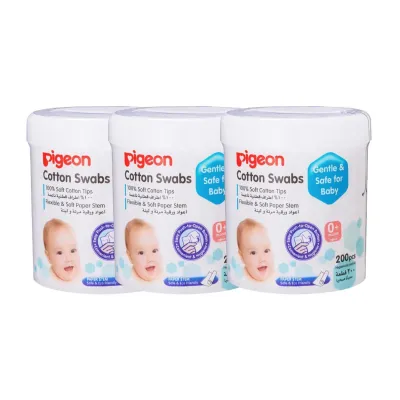
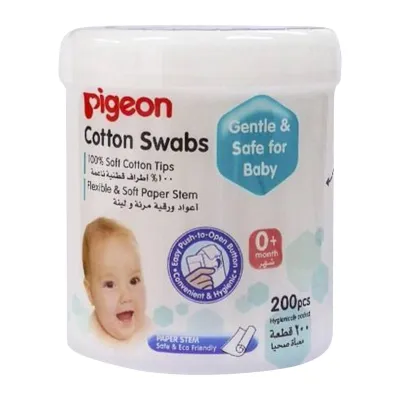
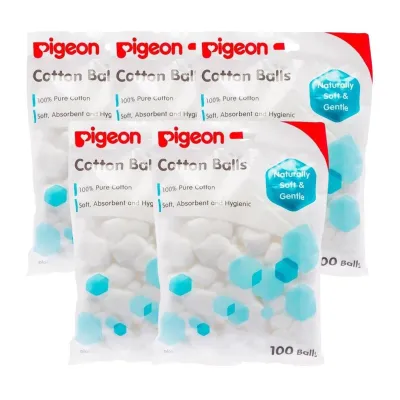
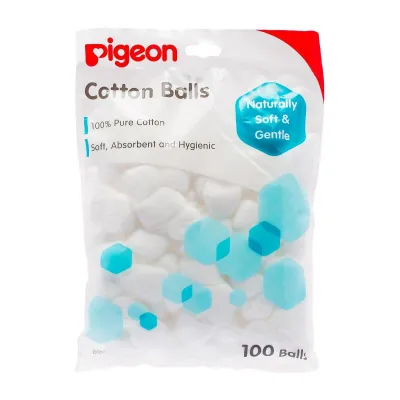
Prices are valid at publication and may change. Please refer to the product page for the latest price.
A key highlight of the product range is the design of baby-specific cotton swabs. Unlike standard adult swabs, these baby swabs often feature a much thinner stem made from flexible paper rather than rigid plastic, which minimizes the risk of applying too much pressure. The cotton tips are also uniquely shaped; some variants include a safety shield design or a bulbous tip that physically prevents the swab from being inserted too deeply into delicate openings like the ears or nose. Other variants may feature a spiral or textured tip, which is highly effective at catching and removing loose dirt or dry mucus from the outer surfaces of the skin.
Matching Cotton Products to Specific Baby Grooming Tasks
Choosing the right cotton format depends entirely on the specific grooming task at hand. Using the wrong variant can lead to inefficient cleaning, skin irritation, or even physical injury. By matching the physical properties of each cotton type to the anatomical area you are cleaning, you can establish a safe and comfortable routine for your little one. This targeted approach not only protects your baby’s delicate skin but also makes the grooming process much faster and more straightforward for parents.

Umbilical Cord Care and Minor Skin Cleaning
For newborns, caring for the healing umbilical cord stump requires extreme gentleness and precision. Cotton balls or soft cotton pads are highly suitable for this task because their broad, plush surfaces allow you to dab the area gently without snagging the healing tissue. The high absorbency of these cotton formats helps apply sterile water or recommended cleaning solutions evenly while lifting away debris without friction. Using a soft, dabbing motion rather than a wiping motion is key to keeping the stump clean without causing unnecessary tension on the surrounding skin.
Before beginning umbilical cord care, check the product packaging to see if the cotton is labeled as sterile or medical-grade, especially if your pediatrician has prescribed a specific cleaning protocol. Standard cosmetic cotton pads may not meet these sterile requirements, so verifying the label is a crucial step in preventing unwanted exposure to environmental contaminants. If your pediatrician recommends keeping the area dry, a dry cotton ball can be gently pressed against the stump to absorb any residual moisture after a bath, helping the cord dry out and fall off naturally.
While routine cleaning is simple, caregivers must monitor the umbilical stump closely for signs of infection. Stop home cleaning immediately and consult a pediatrician if you notice persistent redness around the base of the cord, a foul odor, swelling, or any unusual yellow or green discharge. These symptoms require professional medical evaluation rather than continued home grooming. Additionally, if the area bleeds persistently or if your baby cries when the stump is touched, seek medical advice promptly to rule out any underlying complications.
Ear and Nose Care
Cleaning a baby’s ears and nose requires specialized tools and a very steady hand. Baby-specific cotton swabs, which feature ultra-thin paper stems and safety-bulb tips, are designed specifically for these delicate areas. The safety bulb acts as a physical barrier, making it much harder to accidentally push the swab too deep into a tiny ear canal or nostril. This design provides peace of mind for parents, especially when dealing with a squirming baby who might make sudden movements during grooming.
When performing ear and nose care, establish strict limits on how deep you clean. You should only use the swab to gently wipe the outer folds of the ear (the pinna) and the very outer edges of the nostrils to remove visible, loose mucus. Never insert a cotton swab into the ear canal or deep into the nasal passage, as this can push wax or mucus further inside, potentially damaging the eardrum or irritating sensitive nasal membranes. The inner ear canal is self-cleaning, and inserting any object can disrupt this natural process and lead to painful blockages.
If you observe deep wax buildup, dry crusting that does not budge, or a blocked nasal passage that affects your baby’s breathing or feeding, stop using cotton swabs immediately. Do not attempt to dig out deep blockages yourself, as this can cause trauma to the delicate lining of the nose or ear. Instead, seek professional medical help from a pediatrician, who can safely clear the passages using specialized clinical instruments or recommend safe, infant-friendly saline drops to loosen the buildup naturally.
Diaper Area and General Body Wiping
The diaper area and general skin folds require frequent, gentle wiping throughout the day. Large cotton pads or oversized cotton balls are excellent choices for these tasks because they cover a wider surface area, allowing you to clean your baby quickly and efficiently. Their high absorbency is perfect for applying soothing lotions, baby oil, or warm water to cleanse the skin during diaper changes. Many parents prefer using cotton pads soaked in warm water as a gentle, chemical-free alternative to commercial wet wipes, especially during the first few weeks of life.
When using cotton pads in the diaper area, always check the skin afterward for any leftover lint residue. Loose fibers can easily stick to wet skin or cling to thick barrier ointments, which can trap moisture and lead to friction-induced diaper rash. Choosing high-density, tightly woven cotton pads helps minimize this risk and keeps the skin clean and clear. If you are applying a barrier cream, ensure the skin is completely dry before application, and use a fresh cotton pad to spread the cream evenly without introducing bacteria from your hands.
Maintaining hygiene during and after grooming is essential for preventing the spread of bacteria. Always dispose of used cotton balls and pads immediately in a closed diaper bin or waste container. Never reuse a cotton product, even if a portion of it appears clean, as this can cross-contaminate different areas of your baby’s body. Additionally, avoid flushing cotton products down the toilet, as they do not dissolve like toilet paper and can cause plumbing blockages. Keeping a small trash bin directly next to your changing table can help streamline this process and maintain a sanitary environment.
Essential Safety Checks and Usage Guidelines for Baby Cotton
Before introducing any new cotton product to your baby’s routine, take a moment to perform essential safety checks. Always read the product packaging to verify age recommendations, safety warnings, and intended use statements. Some cotton products are specifically designed for newborns, while others may be better suited for older infants or toddlers who are less prone to sudden movements. Understanding these guidelines helps you choose the safest tool for your baby’s current developmental stage.
Prior to each grooming session, inspect the individual cotton ball, pad, or swab you plan to use. Check for any signs of loose fibers that could easily detach, unusual discoloration, or damage to the outer packaging that might indicate exposure to moisture or dust. If the packaging has been compromised or the cotton looks frayed, discard those pieces to ensure you are only using clean, intact materials on your baby’s skin. Storing your cotton products in a dry place away from direct sunlight also helps preserve their quality and prevents the growth of mold or bacteria.
During grooming, pay close attention to your baby’s physical reactions. If your baby flinches, cries, or shows signs of discomfort, stop the activity immediately. Furthermore, if you notice any sudden skin redness, irritation, or minor bleeding—particularly around the umbilical stump or nose—cease cleaning and assess the area. It is always better to pause and comfort your baby than to rush through a grooming task, which increases the risk of accidental slips or scratches.
For any persistent skin issues, such as chronic diaper rash, dry patches, or if you have questions about medical-grade cleaning requirements, always consult a pediatrician or qualified healthcare provider. Do not rely on standard grooming products to treat active skin infections or medical conditions without professional guidance. Your pediatrician can provide personalized recommendations and ensure that your daily grooming routine supports your baby’s health and comfort.
Planning Your Baby Grooming Kit and Cotton Inventory
Building an efficient baby grooming kit involves planning your cotton inventory based on your daily routines. For daily tasks like diaper area wiping and general face cleaning, you will likely go through cotton pads or balls rapidly, making it practical to keep a larger stock of these items on hand. Specialized items, such as baby cotton swabs for outer ear and nose care, are used less frequently and can be purchased in smaller quantities. Estimating your weekly usage can help you avoid running out of essentials while preventing your storage space from becoming cluttered.
Proper storage is critical to maintaining the hygiene of your baby cotton products. Once a package is opened, transfer the cotton balls, pads, or swabs into clean, dry, and tightly enclosed containers, such as lidded plastic bins or glass jars. This protects the cotton from airborne dust, household moisture, and accidental spills, ensuring that every piece remains sanitary until it touches your baby’s skin. Avoid storing open cotton packages directly on the bathroom counter, where humidity from showers can compromise the cleanliness of the fibers.
Finally, establish a habit of checking the manufacturing dates, batch numbers, or expiration dates printed on the product packaging. While cotton does not spoil like food, older products can lose their softness, become brittle, or accumulate dust if stored improperly over long periods. Keeping track of these dates helps you rotate your inventory, ensuring you always use the freshest and softest cotton for your baby. When purchasing cotton products in bulk, try to use the older packages first to maintain a consistent standard of quality in your grooming kit.
Frequently Asked Questions (FAQ)
Can I use regular adult cotton swabs instead of baby-specific ones?
No, you should avoid using regular adult cotton swabs for baby grooming. Adult swabs are designed with larger cotton tips and thinner, more rigid plastic stems that lack the safety features required for infants. Baby-specific cotton swabs are uniquely engineered with flexible paper stems and specialized safety bulbs or thicker cotton tips that physically prevent deep insertion into tiny ear canals and nostrils, significantly reducing the risk of accidental injury. Using adult swabs increases the likelihood of pushing debris deeper or scratching the delicate inner lining of your baby’s ears or nose.
What should I do if cotton lint sticks to my baby's skin or umbilical stump?
If you notice cotton lint sticking to your baby’s skin or healing umbilical stump, do not try to pull or scrape it off with your fingers, as this can irritate the skin or disrupt healing. Instead, gently dab the area with a clean, damp cloth or a sterile wipe, or let the lint loosen naturally during a warm bath. If the lint does not come off easily, it is often safest to leave it alone and let it fall off naturally rather than risking skin damage through friction. If linting is a persistent issue, check your product labels for lint-free guarantees or consider switching to a higher-density cotton pad or ball designed specifically to resist shedding.

Community discussion
Share your experience or ask a question. Comments are reviewed before publication.