
Selecting the right breast pump depends on how often you plan to express milk, where you will be pumping, and your personal comfort preferences. Pigeon offers manual, single electric, and double electric models, each designed to suit different breastfeeding journeys. By matching your daily routine and lifestyle with the specific features of these pump types, you can find a model that supports your feeding goals without unnecessary stress or expense.
Assess Your Pumping Frequency and Lifestyle
Your daily schedule and how often you plan to express milk are the most critical factors when choosing a pump. If you intend to breastfeed directly and only need to express milk occasionally—such as to relieve engorgement or leave a bottle for a short outing—your needs will differ significantly from someone who plans to pump multiple times a day. Exclusive pumping requires a highly efficient setup that can withstand frequent daily use, whereas occasional pumping allows for simpler, more portable options.
Mobility is another key consideration, especially for mothers returning to work or those who travel frequently. Consider where you will be pumping most often. A compact, lightweight pump is essential if you need to carry it in a diaper bag or commute to an office daily. On the other hand, if you primarily pump at home near a power outlet, portability and battery life might be less critical than overall speed and efficiency.
Products mentioned in this guide
Prices are valid at publication and may change. Please refer to the product page for the latest price.
Budget constraints should also be aligned with your long-term breastfeeding plans. While advanced electric models represent a higher initial investment, they can save significant time and effort over several months or years of use. If you are unsure about your long-term plans, starting with a more accessible option and upgrading later as your routine establishes is a practical approach.
Match Your Needs to the Right Pigeon Pump Type
Pigeon categorizes its breast pumps into three main types: manual, single electric, and double electric. Each category is engineered to address specific pumping frequencies, lifestyle demands, and comfort preferences. There is no single option that suits every mother; the right choice is the one that fits seamlessly into your daily routine and supports your physical comfort.

Understanding the distinct characteristics, advantages, and trade-offs of each pump type allows you to make an informed decision. By evaluating how each model operates, you can select a device that matches your lifestyle and helps you maintain your milk supply comfortably.
Manual Pigeon Breast Pumps
Manual breast pumps are operated entirely by hand, making them highly portable, silent, and independent of electrical outlets or batteries. These pumps are ideal for mothers who breastfeed directly most of the time and only need to express milk occasionally. They are excellent for relieving breast fullness, catching let-down, or preparing an occasional bottle for a partner to feed the baby.
The primary trade-off of a manual pump is the physical effort required. Because you must manually squeeze the handle to create suction, pumping both breasts can be time-consuming and tiring for your hands. This makes manual pumps less suitable for frequent or exclusive pumping sessions where speed and high volume are required.
When choosing a manual model, it is important to check the ergonomic design of the handle to ensure it can be operated comfortably with one hand. Additionally, look for models with fewer parts to make assembly, disassembly, and cleaning straightforward when you are away from home.
Single Electric Pigeon Breast Pumps
Single electric breast pumps offer a balance between portability and automated efficiency. They are well-suited for mothers who pump regularly—perhaps once or twice a day—but do not require the high-speed output of a double pump. A single electric pump is also highly useful for expressing milk from one breast while your baby nurses on the other, helping you multitask during feeding times.
The main limitation of a single electric pump is that it can only express milk from one breast at a time. If you need to pump from both sides, you must do so sequentially, which doubles the total time spent pumping per session. This can be challenging if you have a busy schedule or need to pump quickly during short breaks at work.
Before purchasing, check the range of adjustable suction levels and expression modes to ensure you can customize the pump to your comfort level. It is also wise to verify the motor’s noise level, especially if you plan to use the pump in shared spaces or near a sleeping baby.
Double Electric Pigeon Breast Pumps
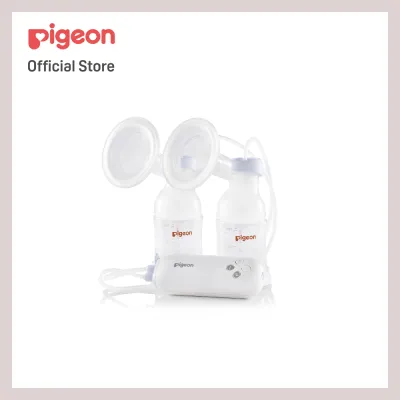
Double electric breast pumps are designed for maximum efficiency, allowing you to express milk from both breasts simultaneously. This type of pump is highly recommended for mothers who pump frequently, those returning to work full-time, or anyone exclusively pumping. Simultaneous double pumping not only cuts your pumping time in half but can also help stimulate and maintain a robust milk supply.
However, double electric pumps generally require a higher initial financial investment. They also consist of more parts, which means more components to wash, sterilize, and assemble for each session. Additionally, because they rely on a motor unit, they are typically heavier and require a reliable power source, such as a wall outlet or a rechargeable battery.
When evaluating double electric models, check if the pump is compatible with standard hands-free pumping bras, which allow you to multitask during sessions. You should also verify the battery specifications, ensuring the charge lasts long enough to cover your typical workday or travel needs without requiring constant recharging.
Verify Flange Fit and Manufacturer Guidelines
An often-overlooked aspect of selecting a breast pump is ensuring a proper flange fit. The flange is the funnel-shaped plastic shield that fits over your breast and nipple. Using an incorrect flange size can lead to physical discomfort, pain, and inefficient milk expression. To find the right fit, measure your nipple diameter at the base before pumping and compare it to the sizing options provided by the manufacturer.
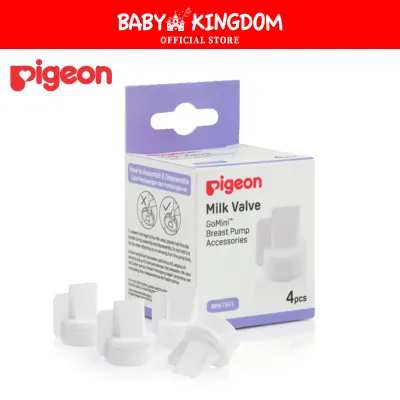
Proper maintenance is also essential for hygiene and the longevity of your pump. Always review the specific model’s user manual for detailed instructions on how to clean and sterilize the parts after each use. Over time, silicone valves and membranes can wear out and lose suction, so check the manual for the recommended replacement schedule for these consumable parts.
Finally, ensure the pump you choose complies with relevant safety standards. Look for official safety certifications on the product packaging or the manufacturer’s website, particularly regarding food-grade, BPA-free materials. Verifying these details helps ensure that the expressed milk remains safe for your baby.
When to Upgrade or Adjust Your Pumping Setup
Your pumping needs may change as your baby grows or as your daily routine shifts. It is important to recognize when your current setup is no longer meeting your needs. Signs such as persistent physical pain during pumping, a noticeable decline in milk output, or a feeling that your breasts are not fully empty after a session suggest that your current pump or settings may need adjustment.
If you started with a manual pump but find yourself returning to work or needing to pump multiple times a day, planning a transition to an electric model can save you time and reduce physical fatigue. Upgrading to a single or double electric pump can make your daily routine much more manageable and help sustain your breastfeeding journey over the long term.
If you experience ongoing discomfort or struggle to maintain your milk supply despite adjusting your pump settings, consider seeking professional guidance. A certified lactation consultant can provide personalized advice on flange sizing, suggest optimal pumping schedules, and help troubleshoot any issues to ensure a comfortable and successful pumping experience.
Frequently Asked Questions (FAQ)
Can I use a Pigeon manual pump if I am exclusively breastfeeding?
Yes, a manual pump can be a highly useful tool even if you primarily breastfeed directly. It is particularly helpful for relieving temporary engorgement when your baby sleeps through a feed, or for catching let-down on one side while your baby nurses on the other. However, if you plan to build a large freezer stash of milk, a manual pump may require too much physical effort and time, making an electric pump a more practical choice for that specific goal.
Are Pigeon breast pump parts interchangeable between different models?
Breast pump parts are generally not universally interchangeable across different models, even within the same brand. Mixing parts between manual and electric models, or between different generations of electric pumps, can compromise the suction strength, damage the motor, or affect the hygienic closed-system barrier. Always consult the official user manual for your specific model or contact the manufacturer to verify compatibility before using alternative replacement parts.

Community discussion
Share your experience or ask a question. Comments are reviewed before publication.