
Selecting the right grooming tools for a newborn is a decision that directly impacts your baby’s comfort, hygiene, and skin health. For parents navigating the vast array of infant care products, choosing a suitable baby comb from Pigeon requires a close look at your newborn’s specific scalp needs. The best Pigeon baby comb for a newborn with a highly sensitive scalp is one that features ultra-soft synthetic bristles for daily smoothing, or a wide-toothed comb with completely rounded, spherical tips for gentle detangling and scalp stimulation.
Because a newborn’s skin is exceptionally thin and their skull is still developing, standard adult hairbrushes or poorly designed baby combs can cause micro-scratches, redness, or physical discomfort. Pigeon offers several grooming options designed specifically to address these developmental vulnerabilities. By understanding the design differences, material safety standards, and proper usage techniques, you can establish a safe, soothing grooming routine that protects your baby’s delicate scalp.
What to Look for in a Pigeon Comb for a Sensitive Scalp
When evaluating a baby comb from Pigeon, your primary focus should be on how the tool interacts with highly sensitive skin. A newborn’s outer skin layer is significantly thinner than an adult’s, making it highly susceptible to irritation, friction, and minor abrasions. Therefore, the design of the comb teeth or brush bristles is the most critical factor to consider before making a purchase.
Products mentioned in this guide
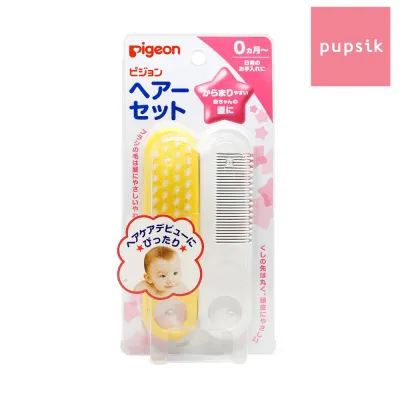
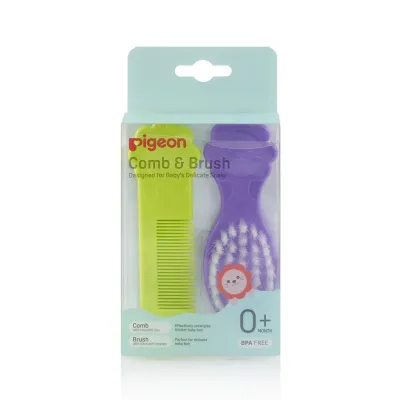
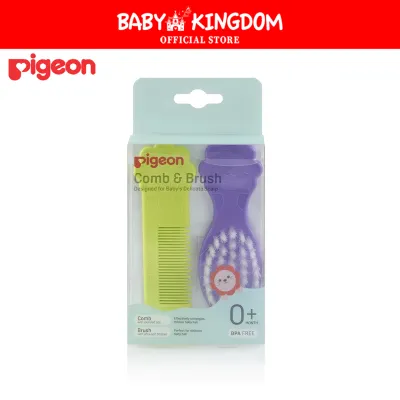
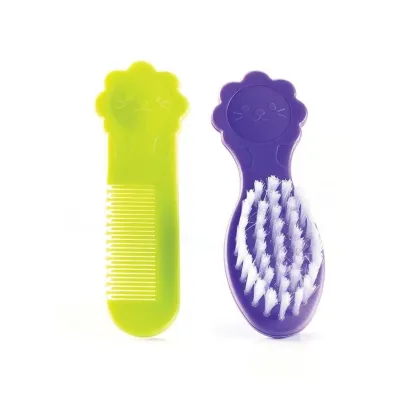
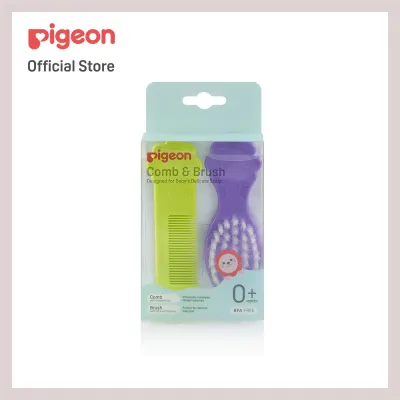
Prices are valid at publication and may change. Please refer to the product page for the latest price.
First, look for ultra-soft bristles or highly flexible, rounded tips. If you are choosing a brush, the bristles must feel incredibly soft to the touch, yielding easily under the slightest pressure. For combs, the teeth must feature rounded, ball-like tips rather than sharp or squared edges. These rounded tips act as buffers, distributing pressure evenly across the scalp and preventing the hard plastic from scratching or scraping the delicate epidermis during use.
Second, material safety is paramount. Because baby grooming tools frequently come into contact with sensitive skin—and may occasionally find their way into a baby’s hands or mouth—the materials must be entirely non-toxic. Parents should verify that the specific Pigeon model selected is labeled as BPA-free (Bisphenol A) and made from hypoallergenic materials, such as high-quality polypropylene for the handles and soft nylon or natural fibers for the bristles. Always inspect the product packaging to confirm these material specifications before your first use.
Third, consider the ergonomics of the handle design. While the comb is meant for the baby’s head, it is designed to be held by the parent. An ergonomic, non-slip handle allows you to maintain a secure, steady grip, which is essential when grooming an active or squirming infant. A handle that is too small, slippery, or awkwardly shaped can cause you to apply uneven pressure or accidentally slip, potentially bumping or scratching your baby’s head.
Finally, always check the manufacturer’s age recommendations and safety warnings printed on the packaging. Pigeon designs different grooming tools for various developmental stages. Some items are explicitly rated for newborns (0+ months), while others are intended for older infants with thicker hair. Verifying these guidelines ensures that the tool’s dimensions, bristle stiffness, and overall structure are developmentally appropriate for your baby.
Which Pigeon Comb Type Suits Your Newborn Best?
To choose the ideal grooming tool, it helps to break down the specific categories of baby combs and brushes available from Pigeon. Each type serves a distinct purpose, and matching their unique design features to your newborn’s hair density and scalp condition will ensure a comfortable grooming experience.

Soft Bristle Brushes for Fine Hair
A soft-bristled brush is typically the safest and most effective starting tool for a newborn with fine, wispy hair. These brushes are designed with ultra-soft synthetic bristles that glide effortlessly over the scalp without causing friction or pulling on delicate hair follicles. The primary function of a soft brush at this stage is not necessarily to detangle, but rather to smooth the hair and gently care for the skin underneath.
One of the key benefits of using a soft-bristled brush is its ability to distribute natural scalp oils. A newborn’s scalp produces sebum, which can sometimes accumulate in specific areas. Gently brushing the hair helps spread these natural oils evenly along the hair shafts, preventing localized dry patches and keeping the scalp naturally moisturized. In Singapore’s warm and humid tropical climate, managing scalp oils is particularly important to prevent sweat and sebum from clogging delicate pores.
Additionally, the gentle stroking motion of a soft brush provides a soothing sensory experience for your baby. Many parents find that brushing their newborn’s hair with a soft brush has a calming effect, making it an excellent addition to a post-bath or pre-bedtime routine. However, it is important to note the limitations of this tool: a soft-bristled brush is not designed to glide through thick tangles, nor is it suitable for aggressively clearing away heavy cradle cap buildup.
Rounded-Tip Combs for Scalp Massage
If your newborn has slightly thicker hair, or if you are looking for a tool that offers gentle scalp stimulation, a rounded-tip comb is an excellent choice. These combs feature widely spaced teeth with prominently rounded, spherical tips. The wide spacing ensures that the comb can pass through fine hair without snagging or pulling, while the rounded tips ensure that any contact with the scalp is entirely safe and non-irritating.
These rounded tips are specifically designed to massage the scalp gently. A light scalp massage can promote local blood circulation and provide a comforting, relaxing sensation for your infant. Furthermore, a rounded-tip comb is highly useful for managing mild cradle cap (infantile seborrheic dermatitis). When used in conjunction with a pediatrician-approved baby oil, the rounded teeth can gently loosen and lift soft, flaking skin without scraping or scratching the underlying raw skin.
Before using any baby comb, parents should personally verify the flexibility and safety of the teeth. A simple and effective way to do this is to gently press the comb teeth against the sensitive skin of your own inner wrist. If the teeth yield slightly under light pressure and feel completely smooth and blunt against your skin, the comb is suitable for your newborn’s head. If the teeth feel rigid, sharp, or scratchy, do not use the tool on your baby.
Standalone Combs vs. Grooming Kits
When shopping for Pigeon grooming products, you will often have to decide between purchasing a standalone comb or brush, or investing in a comprehensive multi-piece grooming kit. Both options have distinct advantages, and the right choice depends on your budget, storage preferences, and long-term grooming needs.
- Standalone Combs and Brushes: Purchasing a single, specialized comb or brush is highly cost-effective if you already own other baby care tools. It allows you to select the exact design that matches your newborn's current hair density without paying for extra items you may not need. Standalone items are typically priced in the lower single-digit range, making them an affordable, highly targeted purchase.
- Comprehensive Grooming Kits: Pigeon grooming kits often bundle a soft brush and a rounded-tip comb with other essential infant care items, such as baby safety scissors, rounded nail clippers, and nasal aspirators. These kits represent excellent value for first-time parents who need to establish a complete grooming setup from scratch. In Singapore, these comprehensive sets are also highly popular as practical baby shower gifts.
- Storage and Hygiene: Many grooming kits come with compact, dedicated travel cases or storage pouches. In Singapore's humid climate, keeping baby grooming tools organized in a protective case is highly beneficial. It prevents the tools from accumulating household dust, pet dander, or airborne moisture, keeping them clean and hygienic between uses.
- Quality Verification: If you decide to purchase a full grooming kit, it is crucial to evaluate the quality and safety of every single item included in the package. Ensure that the scissors have rounded safety tips, the nail clippers are sized appropriately for tiny newborn nails, and all plastic components are sturdy and free from sharp manufacturing seams.
Safe Brushing Techniques for Your Newborn's Delicate Scalp
Even the highest-quality baby comb can cause discomfort or minor injury if used incorrectly. Because a newborn’s scalp is incredibly delicate, practicing proper, gentle brushing techniques is essential to ensure your baby’s safety and comfort during grooming sessions.
To begin, choose a time when your baby is calm, relaxed, and well-fed. Trying to groom an active, hungry, or fussy baby increases the risk of accidental slips or sudden movements that could lead to injury. A highly recommended time for grooming is shortly after a warm bath. The warm water naturally softens the hair and any dry skin on the scalp, making the hair much easier to manage and style with minimal effort.
When brushing or combing, always use incredibly light, gentle strokes. You should never apply downward pressure onto the scalp; instead, let the weight of the brush or comb do the work, allowing the tips to lightly skim the surface of the skin. Always brush or comb in the natural direction of hair growth. If you encounter a small tangle, do not pull or yank the tool. Instead, hold the hair close to the root with your fingers to absorb the tension, and gently work the tangle out from the ends upward.
Special care must be taken when grooming around the fontanelles, which are the soft spots on a newborn’s head where the skull bones have not yet fully fused. The anterior fontanelle (on the top of the head) and the posterior fontanelle (at the back of the head) are highly sensitive areas. When grooming over these spots, use only your softest-bristled brush, and glide it across the skin with virtually zero downward force. Never use a rigid comb or apply any pressure over these soft areas.
Always monitor your baby’s reactions closely throughout the grooming session. If your baby cries, pulls away, or shows any signs of distress, stop grooming immediately. Additionally, inspect the scalp regularly; if you notice any sudden redness, irritation, or broken skin, discontinue use of all grooming tools. Remember that baby combs and brushes are meant for light styling and gentle massage; they should never be used to aggressively scrape, pick, or scratch at the scalp, especially if your baby has an underlying skin condition.
How to Clean and Maintain Your Baby's Grooming Tools
Maintaining strict hygiene for your baby’s grooming tools is essential to prevent the buildup of bacteria, yeast, and mold, which can easily irritate a sensitive newborn scalp. Because these tools come into direct contact with skin oils, sweat, and occasionally baby hair products, they require regular cleaning and proper storage.
After every single use, take a moment to remove any trapped hair, debris, or lint from the bristles or comb teeth. You can easily do this by running your fingers through the bristles or using a clean, dry toothpick to gently clear the spaces between the comb teeth. Removing this debris immediately prevents it from becoming deeply embedded in the tool.
To wash the grooming tools, use mild baby-safe soap or baby shampoo and lukewarm water. Gently work the soapy water into the bristles or across the comb teeth using your fingers. Avoid using harsh household detergents, chemical sterilizers, or boiling water, as extreme heat and strong chemicals can warp the plastic handles, melt the adhesive holding the bristles in place, or cause synthetic bristles to become stiff and scratchy. Always consult the manufacturer’s specific care instructions on the packaging to verify if alternative cleaning methods are safe.
After washing, thorough drying is critical to prevent moisture buildup and mold growth. Shake off any excess water from the brush or comb. Place the brush bristle-side down on a clean, dry towel in a well-ventilated area, away from direct sunlight or high heat sources. In Singapore’s naturally humid environment, storing a damp brush in a closed cabinet can quickly lead to mildew. Ensuring the brush dries completely in a breezy, open spot before storing it away is vital for maintaining hygiene.
Finally, establish a habit of regularly inspecting your baby’s grooming tools for signs of wear and tear. Over time, plastic can degrade, bristles can bend or fall out, and comb teeth can crack or chip. Inspect the tools for any sharp edges, cracked handles, or missing teeth that could scratch your baby’s scalp or trap harmful bacteria. If you spot any of these defects, discard the tool immediately and replace it with a new one to ensure your newborn’s continued safety.
Frequently Asked Questions (FAQ)
Can I use a Pigeon baby comb to remove cradle cap?
A soft-bristled brush or a rounded-tip comb from Pigeon can be used to gently help loosen mild cradle cap flakes, but only when used with extreme care. First, apply a small amount of pediatrician-approved baby oil or mineral oil to the affected areas of the scalp and let it sit for a few minutes to soften the crusts. Then, use a soft brush or a rounded-tip comb to very gently sweep away the loosened flakes. Never use the comb to forcefully scrape, pick, or peel stubborn patches directly from the scalp, as this can break the skin, cause pain, and lead to localized infections. If the cradle cap appears severe, red, weeping, or widespread, stop using grooming tools on the area and consult a qualified pediatrician for professional advice.
When is the right time to start brushing a newborn's hair?
You can begin gently brushing your newborn’s hair shortly after birth, provided their scalp is healthy and free from open wounds or severe irritation. For very young newborns, the primary focus of brushing is not detangling, but rather establishing a soothing sensory routine and gently massaging the scalp to promote healthy circulation. Always start with an ultra-soft-bristled brush designed specifically for newborns, as their hair is typically very fine and their skin is highly sensitive. Before your first use, always verify the specific age guidelines, safety warnings, and usage instructions printed on the product packaging to ensure the tool is developmentally appropriate for your baby’s current growth stage.

Community discussion
Share your experience or ask a question. Comments are reviewed before publication.