
Selecting the right organic banana baby food for your infant in Singapore involves matching the product’s texture and ingredients to your child’s specific developmental milestones. While the local market offers a wide array of imported options, from smooth purees to meltable puffs, no single product fits every household or developmental stage. Parents must look beyond front-of-pack marketing claims to evaluate organic certifications, ingredient lists, and packaging safety. By understanding how to assess these products, you can confidently build a nutritious, convenient, and safe feeding routine for your baby.
Bananas are a popular choice for a baby’s first food due to their natural sweetness, smooth texture when mashed, and rich nutritional profile, which includes potassium, fiber, and essential vitamins. However, commercial baby foods vary significantly in quality, processing methods, and ingredient purity. Navigating the baby food aisle in Singapore supermarkets or online specialty stores requires a systematic approach to ensure you are purchasing products that support your baby’s health without introducing unnecessary additives. This guide outlines the essential factors to consider when selecting organic banana baby food, helping you make informed decisions at every stage of your weaning journey.
Matching Banana Food Textures to Your Baby's Developmental Stage
Introducing solids is a gradual process that aligns closely with your baby’s physical development and oral motor skills. In the early stages of weaning, typically around six months of age, babies are just learning how to move food from the front of their mouth to the back to swallow. For this stage, smooth purees and completely uniform mashes are the most appropriate choice. These products should have a silky consistency with no lumps, allowing your baby to practice swallowing without the risk of gagging on solid pieces. Many organic banana purees designed for beginners are single-ingredient formulas, which are ideal for this introductory phase.
Products mentioned in this guide
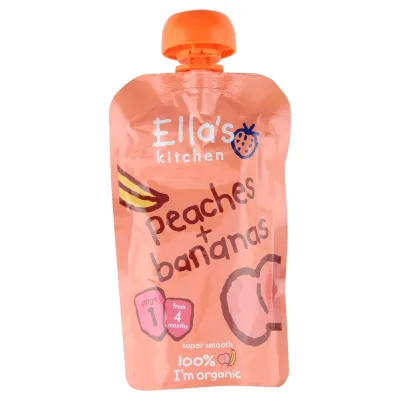
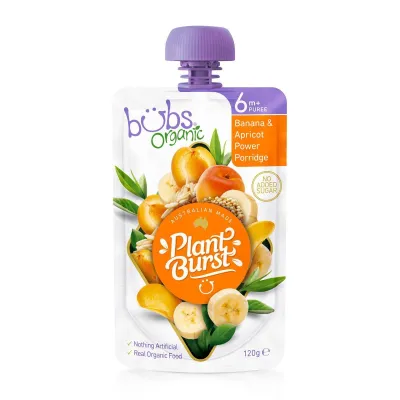
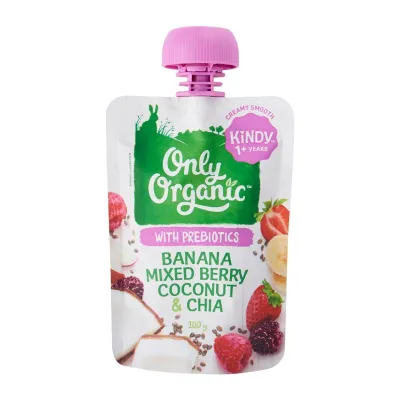
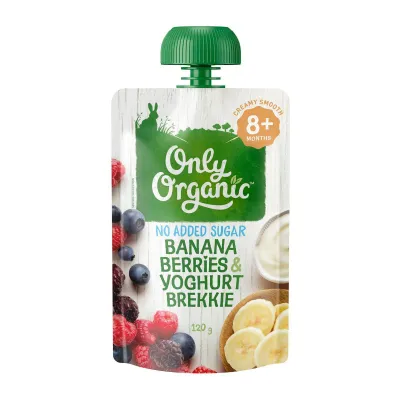
Prices are valid at publication and may change. Please refer to the product page for the latest price.
As your baby grows and develops a pincer grasp—the ability to pick up small objects between the thumb and index finger—they may be ready to transition to self-feeding. This milestone typically occurs between eight and ten months of age. Meltable puffs, crisps, and freeze-dried banana slices are excellent tools for encouraging this fine motor skill. These dry snacks are designed to dissolve rapidly when they come into contact with saliva, reducing the risk of choking while allowing your baby to practice chewing motions. However, caregivers must always verify that the product’s texture is truly quick-melting before offering it to their child.
For older babies who have mastered basic chewing and are transitioning toward family table foods, thicker blends and soft chewable snacks are more suitable. These products often combine organic banana with other fruits, grains, or yogurts, offering a more complex texture that requires active jaw movement. These thicker mixtures help build the oral muscles necessary for speech development and the consumption of solid family meals. Introducing these textures at the right time prevents your baby from becoming overly reliant on smooth purees and encourages a smoother transition to table foods.
While age recommendations on baby food packaging serve as a helpful starting point, they should never replace your own observation of your baby’s physical readiness. Every infant develops at an individual pace, and factors such as head control, the ability to sit upright with minimal support, and the disappearance of the tongue-thrust reflex are far more accurate indicators of readiness than chronological age. Always cross-reference the manufacturer’s guidelines with your baby’s actual motor skills, and consult your pediatrician if you are unsure whether your baby is ready for a specific texture.
How to Evaluate and Compare Organic Banana Baby Food Brands
When comparing different organic banana baby food brands in Singapore, the first step is to verify the organic certifications displayed on the packaging. Terms like “natural,” “pure,” or “wholesome” are marketing buzzwords that lack standardized legal definitions. Instead, look for recognized organic certification logos, such as the USDA Organic seal, the European Union organic leaf, or Australia’s NASAA Certified Organic logo. These certifications guarantee that the bananas were grown without synthetic chemical fertilizers, harmful pesticides, or genetically modified organisms, ensuring a cleaner product for your developing baby.

Another critical factor is the purity of the ingredients. A high-quality organic banana puree for beginners should ideally list only one ingredient: organic banana, perhaps with a splash of organic lemon juice concentrate to regulate acidity and prevent browning. When evaluating brands, check the ingredient list to ensure the banana content has not been diluted with cheaper filler ingredients, such as water, pear juice concentrate, or refined starches. While blended fruit profiles are excellent for older babies, starting with single-ingredient products allows you to identify any potential food sensitivities or allergies more easily.
Brand transparency regarding sourcing and manufacturing is also a key indicator of quality. Reputable baby food manufacturers are open about where their organic bananas are sourced and how they are processed. Some brands utilize high-pressure processing (HPP) or gentle pasteurization to preserve the natural flavors and nutrients of the fruit without relying on high-heat sterilization, which can degrade vitamins. Look for brands that actively share their quality control protocols, heavy metal testing standards, and environmental sustainability practices on their official websites or product documentation.
Finally, consider the practicality of the packaging formats offered by different brands. Glass jars are a traditional choice that is highly inert, recyclable, and easy to portion out with a clean spoon. Squeeze pouches are incredibly popular for their portability and convenience, especially when you are out and about in Singapore’s warm climate. However, pouches can be difficult to recycle and may encourage overconsumption if babies suck directly from the nozzle too frequently. For dry snacks like banana puffs, look for resealable, airtight bags or tubs that protect the contents from humidity, preventing the snacks from becoming soft and stale.
Decoding Nutrition Labels: What to Look For and Avoid
Reading the nutrition facts panel and ingredient list is the most reliable way to ensure an organic banana product meets strict infant nutritional safety standards. Bananas are naturally high in fructose and other simple sugars, which provide energy for your growing baby. However, you must carefully distinguish between these naturally occurring fruit sugars and added sweeteners. Avoid any baby food that lists cane sugar, brown rice syrup, corn syrup, or honey in the ingredients. Added sugars are entirely unnecessary for infants and can contribute to tooth decay and a preference for overly sweet foods later in life.
In addition to avoiding added sugars, parents should scrutinize the label for unnecessary food additives. Thickeners like modified food starch, tapioca starch, or carrageenan are sometimes added to purees to create a thicker consistency using less actual fruit. While these ingredients are generally safe, they dilute the nutritional density of the food. Similarly, artificial flavors, synthetic preservatives, and artificial colorings should be completely absent from high-quality organic baby food. The ingredient list should be short, simple, and easy to understand.
Sodium content is another critical metric to review on the nutrition label. An infant’s kidneys are still developing and cannot efficiently process high amounts of sodium. Naturally occurring sodium in fruits like bananas is extremely low, so the nutrition label should reflect a negligible sodium content. Be cautious of processed banana snacks, such as baked biscuits or wafers, which may contain added salt for flavor or preservation. Ensure that any snack you choose aligns with recommended daily sodium limits for infants, which are exceptionally low.
Lastly, always review the allergen warnings and cross-contamination statements on the packaging. Even if a banana puree or puff is naturally free of common allergens like gluten, dairy, soy, or nuts, it may have been processed on shared equipment or in a facility that handles these ingredients. If your baby has a known food allergy or a strong family history of allergies, look for brands that explicitly state their allergen control protocols or certify their products as allergen-free. This extra step of verification provides peace of mind and protects your baby from accidental exposure.
Building Your Shortlist: Final Checks Before Buying
Before finalizing your purchase of organic banana baby food, consider how the product fits into your household’s daily routine and consumption patterns. Baby food has a limited shelf life once opened, so buying in bulk is only practical if your baby consumes the food regularly. Check the expiration dates on the packaging and estimate whether you will use the product before it expires. For purees, smaller jars or pouches are often more practical during the early stages of weaning when your baby only consumes one or two teaspoons per feeding, minimizing food waste.
To guarantee product authenticity and safety, always purchase your baby food through authorized retail channels in Singapore. Established supermarkets, specialty baby boutiques, and official brand stores on reputable online marketplaces are the safest options. These retailers adhere to strict storage and transport standards, ensuring that the food has not been exposed to excessive heat or humidity, which can accelerate spoilage. Avoid purchasing from unverified third-party sellers on online platforms, as you cannot guarantee how the products were stored or whether they are genuine.
When introducing a new organic banana product to your baby’s diet, plan for a gradual introduction. Offer a small amount on the first day and observe your baby closely over the next 48 hours. Look for any signs of digestive discomfort, such as unusual gassiness, changes in stool consistency, or skin reactions like redness or hives around the mouth. Introducing one new food at a time makes it much easier to pinpoint the cause of any adverse reaction and ensures your baby’s digestive system has time to adapt.
Finally, establish a clear stop-condition for any new food introduction. If your baby shows signs of a severe allergic reaction, such as swelling of the lips or face, difficulty breathing, or persistent vomiting, seek emergency medical attention immediately. For milder signs of discomfort, such as mild skin rashes or digestive upset, stop feeding the product and consult your pediatrician or a qualified healthcare professional. Your pediatrician can help determine whether the reaction was caused by the banana itself, an additive, or an unrelated factor, ensuring your baby’s feeding journey remains safe and positive.
Frequently Asked Questions (FAQ)
Is it safe to give organic banana puffs to a baby just starting solids?
No, organic banana puffs are generally not suitable for babies who are just beginning their solids journey, which typically starts around six months of age. Early eaters lack the oral motor skills and coordination required to manage dry, solid textures, even if the product claims to melt quickly in the mouth. For the first few weeks of weaning, stick to smooth, completely liquidized purees. Before introducing puffs, ensure your baby is at least eight months old, can sit completely upright in a high chair without support, and has developed the pincer grasp to pick up small pieces of food. Always supervise your baby closely during feeding, and stop using the product if your baby struggles to swallow or shows signs of gagging.
How should I store opened organic banana puree pouches?
Once opened, commercial organic banana puree pouches must be stored in the refrigerator and consumed within the timeframe specified by the manufacturer, which is typically 24 to 48 hours. To maintain strict hygiene and prevent bacterial growth, never allow your baby to suck directly from the pouch nozzle if you plan to store the remaining portion for later. Saliva contains bacteria that can travel back into the pouch and multiply rapidly, even under refrigeration. Instead, squeeze the desired portion of puree onto a clean spoon or into a separate feeding bowl, recap the pouch tightly immediately, and place it in the refrigerator right away. If the pouch has been left at room temperature for more than two hours, discard it to ensure food safety.

Community discussion
Share your experience or ask a question. Comments are reviewed before publication.