
Frequent breast pumping can place unique mechanical stress on your skin, making the choice of a nipple cream a critical decision for your comfort. The most effective nipple cream for pump-induced soreness is one that matches your specific skin needs—whether you require a heavy, moisture-locking barrier to heal deep cracks or a lighter, plant-based balm to soothe friction-induced chafing. While highly purified lanolin remains a traditional favorite for its exceptional moisture-retaining properties, plant-based alternatives utilizing natural butters and oils offer excellent relief for those with sensitive skin or lanolin allergies.
To find relief, you must look beyond the product label and understand how different formulations interact with both your skin barrier and your breast pump components. A great cream acts as a protective shield, but it is only one part of a successful pumping routine. By evaluating ingredients, texture, and application methods, you can select a product that supports rapid skin recovery while maintaining the hygiene and efficiency of your daily pumping sessions.
Understanding Breast Pump Soreness and Skin Requirements
Soreness from frequent breast pump use typically stems from two distinct mechanical sources: friction and excess moisture. Friction occurs when the nipple is pulled repeatedly against the hard plastic of the pump flange tunnel during a cycle. If the flange is too small, the nipple rubs against the sides; if it is too large, excess areolar tissue is drawn into the tunnel, causing pinching and bruising. This constant rubbing compromises the stratum corneum, the outermost layer of your skin, leading to raw, tender areas that make subsequent pumping sessions painful.
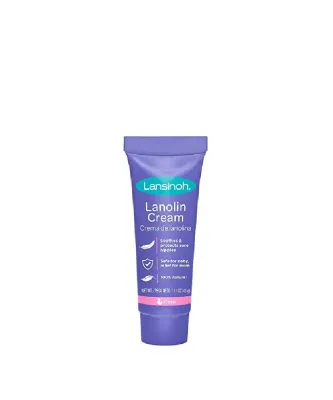
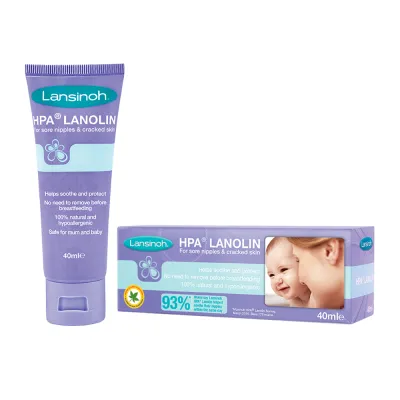
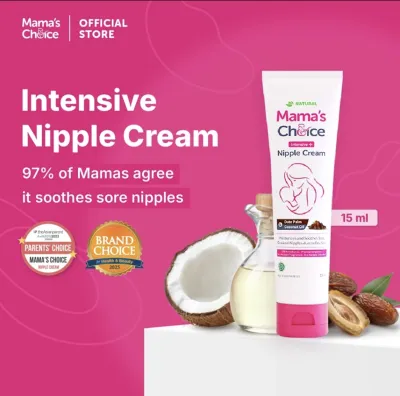
Products mentioned in this guide
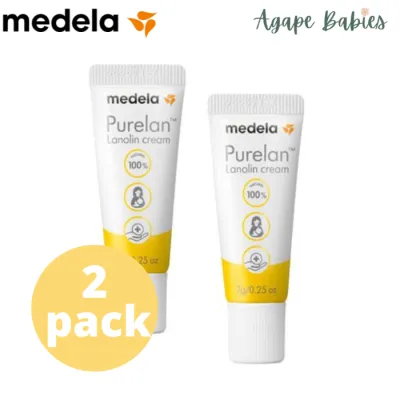
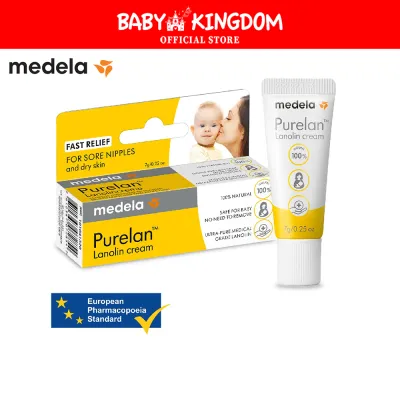
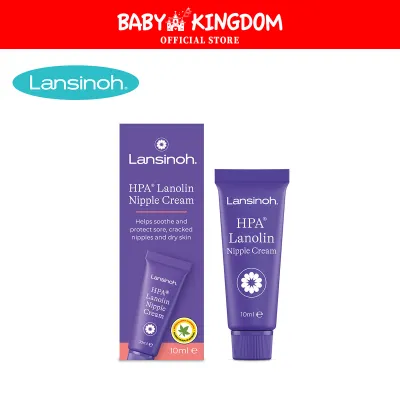
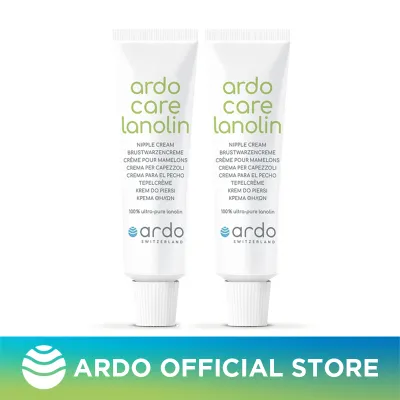
![[2 Sizes] Lansinoh HPA Lanolin Nipple Cream - 10ml / 40ml | lasinoh nipple cream / lanolin nipple cream / lanolin / lanolin cream / nipple care cream / nipple cream](https://img.lazcdn.com/g/p/1b77be14251e4af5cb2df568decf45e9.jpg_400x400q80.jpg_.webp)
Prices are valid at publication and may change. Please refer to the product page for the latest price.
Conversely, moisture-related maceration happens when the skin remains wet for extended periods. During pumping, milk can pool around the nipple inside the flange, and residual moisture can trap sweat and milk against the skin once the session ends. This constant wetness softens and weakens the skin barrier, making it highly susceptible to tearing, peeling, and bacterial or fungal infections. Understanding whether your soreness is primarily dry and chafed or soft and waterlogged helps you choose the right type of topical support.
To heal effectively, your skin barrier requires a balance of occlusion, hydration, and breathable protection. An occlusive barrier prevents transepidermal water loss, keeping the skin’s natural moisture locked within the tissue to facilitate cellular repair. At the same time, the skin must be allowed to breathe; completely sealing off the area with heavy, non-breathable substances can trap bacteria and exacerbate maceration. The ideal topical application supports the skin’s natural healing environment without creating a stagnant, wet chamber.
It is vital to recognize that while a high-quality nipple cream can significantly accelerate skin healing and soothe discomfort, it cannot resolve the underlying mechanical causes of your pain. If your pump flange is sized incorrectly or if you are using excessively high suction settings, the mechanical trauma will continue to damage your skin faster than any cream can repair it. Nipple cream should always be viewed as a supportive therapy alongside proper equipment adjustment and correct pumping techniques.
Key Selection Criteria for Nipple Creams
When shopping for a nipple cream, the ingredient list is your most important guide. The market is broadly divided between purified lanolin formulations and plant-based alternatives, each offering distinct physical properties. Highly purified, medical-grade lanolin is a natural sheep’s wool derivative that closely mimics the lipids found in human skin. It is highly occlusive, creating a thick, long-lasting barrier that protects raw nerve endings from air and clothing friction. However, because it is animal-derived, some users prefer to avoid it, and individuals with wool allergies or highly sensitive skin may experience contact dermatitis.

Plant-based alternatives offer an excellent solution for those seeking vegan options or who have known sensitivities to lanolin. These formulations typically utilize natural plant butters, such as shea butter or cocoa butter, combined with oils like coconut, olive, or sunflower seed oil. Plant-based balms are often easier to spread at room temperature and provide deep hydration along with mild soothing properties. When choosing a plant-based option, it is essential to ensure the ingredients are minimally processed and free from potential allergens that could irritate compromised skin.
Safety for your baby is another paramount consideration, as trace amounts of any cream applied to the breast will inevitably be ingested during subsequent nursing or pumping sessions. You should carefully check manufacturer labels for explicit claims regarding safety during breastfeeding, looking for products that state they do not need to be washed off before feeding. If you are ever uncertain about the safety of a specific ingredient or formulation, consult your pediatrician or a qualified lactation consultant before use.
The texture and absorption rate of the cream dictate how it fits into your daily routine. A thick, viscous ointment provides long-lasting protection and is ideal for application before sleep or during long stretches between pumping sessions. However, these heavy textures can be difficult to apply to already sore skin without causing further discomfort from dragging. Lighter creams and balms absorb more quickly, leaving less residue, which can be advantageous if you need to apply the product shortly before assembling your pump parts.
Finally, you must strictly avoid products containing added fragrances, parabens, alcohols, or artificial colors. Compromised, cracked skin is highly permeable, and exposing it to synthetic chemicals or perfumes can trigger severe allergic reactions, increase inflammation, and delay the healing process. Look for short, transparent ingredient lists where every component serves a clear moisturizing or protective purpose, ensuring that your healing skin is not subjected to unnecessary chemical stress.
Building Your Shortlist: Matching Formulations to Your Needs
To build a practical shortlist of nipple creams, you should match the formulation type to the specific state of your skin and your daily pumping schedule. If you are experiencing severe dryness, deep cracking, or bleeding, your primary need is intense occlusion. For these conditions, look for thick, highly occlusive ointments, such as medical-grade lanolin or heavy castor-seed-oil-based balms. These products form a physical shield that prevents your clothes from sticking to open wounds and keeps the skin supple enough to prevent re-cracking when the skin stretches during your next pump session.
If you have a known sensitivity to wool, suffer from eczema, or prefer a vegan lifestyle, focus your search on plant-based balms. Excellent plant-based options utilize organic coconut oil for its natural emollient properties, combined with soothing botanicals like calendula or marshmallow root. Ensure that any botanical ingredients are specifically formulated for nursing mothers and are free from essential oils or strong scents that might repel your baby or irritate your skin. These balms are typically softer and easier to apply gently to tender tissues.
For parents who pump frequently throughout the day with short intervals between sessions, a fast-absorbing cream or a specialized hydrogel pad may be more practical. Lighter creams soothe the skin quickly without leaving a thick, greasy residue that could interfere with the seal of your pump flange. Alternatively, hydrogel pads can be placed directly over the nipples between sessions to provide an instant cooling sensation and promote moist wound healing. If you use hydrogel pads, always check the manufacturer’s instructions regarding how long they can be worn and whether they need to be paired with a barrier cream.
When finalizing your purchase, perform a few practical pre-purchase checks to ensure convenience and hygiene. Look for packaging that minimizes contamination risks; squeeze tubes or airless pumps are generally more hygienic than open jars, as they prevent you from repeatedly dipping your fingers into the product. Additionally, verify the expiration dates on the packaging, as natural, preservative-free oils can go rancid over time. If you are purchasing in Singapore, ensure the product is readily available from reputable local pharmacies or authorized online distributors to avoid long shipping delays when you need immediate relief.
Safe Application and Pumping Adjustments for Healing
Proper application technique is essential to maximize the benefits of your nipple cream while maintaining skin health. After completing a pumping session, gently pat your skin dry with a clean, soft cloth or allow it to air-dry for a few moments. Apply a pea-sized amount of cream to your clean fingertips and gently pat—rather than rub—it onto the nipple and areola. This patting motion minimizes friction on the tender skin. Allowing the skin to air-dry slightly before applying the cream ensures you do not trap excess moisture directly against the skin barrier, which could lead to maceration.
Some pumping parents find relief by using a tiny amount of nipple cream or a dedicated, pump-safe lubricant directly on the inside of the flange tunnel. This practice can significantly reduce the friction between your skin and the plastic as the nipple moves back and forth. If you choose to try this, apply only a very thin film to the area where the nipple rubs, and always consult your breast pump manufacturer’s guidelines first. Some materials, such as silicone flanges, can degrade or lose their grip if exposed to certain oils or heavy lanolin.
Adjusting your breast pump settings is another critical step in allowing your skin to heal. Many parents mistakenly believe that higher suction levels yield more milk, but excessive suction often causes tissue swelling that actually restricts milk flow while causing severe skin damage. Lower your pump’s suction to the lowest comfortable setting that still allows for effective milk expression. Additionally, try to limit your pumping sessions to a maximum of 15 to 20 minutes per breast; prolonged sessions do not typically yield significantly more milk but greatly increase the cumulative friction on your skin.
Maintaining strict hygiene is paramount when dealing with compromised skin to prevent the introduction of harmful bacteria. Always wash your hands thoroughly with soap and warm water before touching your breasts or applying any cream. Ensure that all breast pump parts that come into contact with your skin or milk are washed, sanitized, and completely air-dried according to the manufacturer’s instructions after every use. If your skin is cracked or bleeding, these open pathways are highly vulnerable to infection, making clean equipment your first line of defense.
When to Stop and Seek Professional Support
While nipple creams are highly effective for managing mild to moderate soreness, they are not a cure-all, and certain symptoms require professional intervention. You should monitor your breasts closely for signs of infection. If you experience spreading redness, localized heat, swelling, pus-like discharge, or if you develop a fever or flu-like symptoms, stop using standard creams and seek immediate medical attention from a healthcare professional. These symptoms can indicate mastitis or a bacterial infection that requires prescription antibiotics.
It is also important to recognize symptoms that do not respond to standard barrier creams, such as vasospasm or thrush. Vasospasm often presents as a sharp, burning, or shooting pain during or after pumping, accompanied by the nipple turning white, blue, or purple due to temporary blood vessel constriction. Thrush, a fungal infection, typically causes a persistent, itchy, or burning pain that continues throughout the day, often accompanied by shiny or flaky skin on the areola. Both conditions require specific medical diagnoses and targeted treatments that standard nipple creams cannot provide.
If you experience persistent pain during or after pumping that does not improve within a few days of adjusting your settings and applying cream, consult a qualified lactation consultant. A professional can evaluate your pumping technique, help you accurately measure your nipples to ensure you are using the correct flange size, and suggest adjustments tailored to your unique anatomy. Investing in professional guidance early can prevent long-term tissue damage and help ensure a comfortable, sustainable pumping experience.
Frequently Asked Questions (FAQ)
Do I need to wipe off nipple cream before using my breast pump?
While many high-quality nipple creams are formulated with food-grade ingredients that are safe for your baby to ingest in trace amounts, leaving a thick layer of cream on your skin during a pumping session can cause mechanical issues. A heavy residue can make the pump flange slippery, causing it to slide out of place or lose the airtight seal necessary to maintain proper suction. To prevent this, gently wipe away any excess, unabsorbed cream with a clean, damp cloth before attaching the flange, leaving only a very thin, absorbed layer on the skin to protect the tissue.
Can I use regular body lotion instead of a specific nipple cream?
You should avoid using standard body lotions, hand creams, or general moisturizers on your nipples while breastfeeding or pumping. Regular cosmetic lotions often contain synthetic fragrances, alcohol, preservatives, and active anti-aging or exfoliating ingredients that are not safe for infant ingestion and can severely irritate compromised, sensitive breast tissue. While pure petroleum jelly can act as a safe, simple occlusive barrier in an emergency, dedicated nipple creams are specifically formulated to be highly effective, hypoallergenic, and completely safe for your baby to ingest in tiny amounts.

Community discussion
Share your experience or ask a question. Comments are reviewed before publication.