
Finding the perfect balance in a diaper bag—often referred to as a mamasan bag—means matching its physical capacity to the actual duration of your outings. Carrying a massive, fully loaded bag for a quick trip to the local clinic or supermarket leads to unnecessary physical strain. Conversely, packing a tiny pouch for an all-day family excursion leaves you stranded without critical spares.
The ideal capacity depends heavily on how long you plan to be away from home and your baby’s current developmental stage. For a quick one-to-two-hour errand, your packing list remains highly streamlined. You generally only need a single diaper change, a travel pack of wipes, a small burp cloth, and your personal essentials like keys and a phone. Because the time window is narrow, the risk of needing multiple outfit changes or complex feeding setups is low, allowing you to travel light.
Once your outing extends past the four-hour mark, your packing requirements expand. A full-day trip demands multiple spare outfits to handle unexpected diaper blowouts or food spills, additional feeding gear, extra snacks, and small toys to keep your child entertained. You must also account for changing weather conditions, which might require packing a light jacket, a stroller cover, or a small umbrella.
Products mentioned in this guide
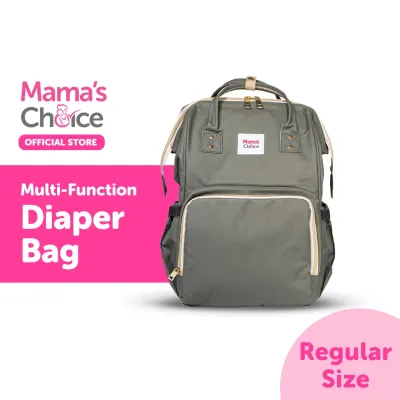
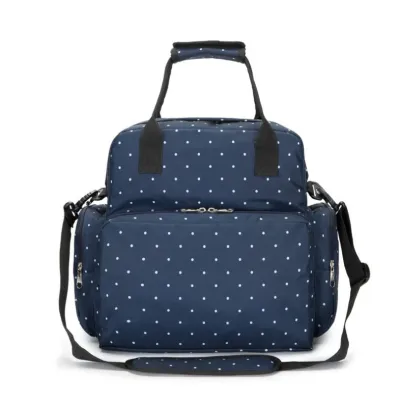
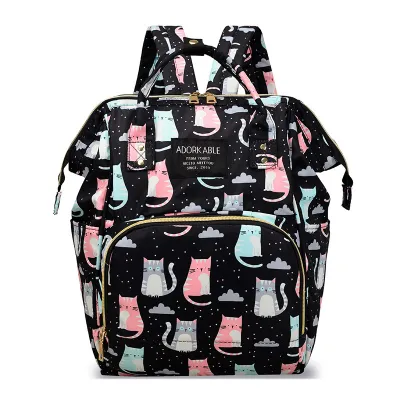
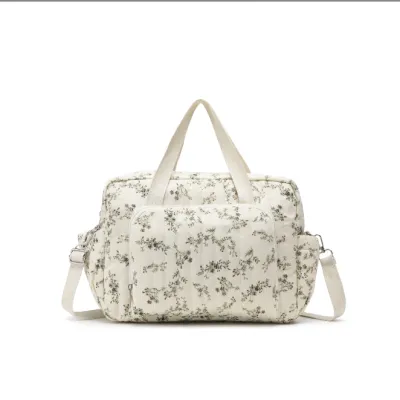
Prices are valid at publication and may change. Please refer to the product page for the latest price.
Your baby’s age and developmental stage also dictate the volume of gear you must carry. Newborns require frequent diaper changes and multiple changes of clothes, alongside specialized feeding equipment like nursing covers, breast pumps, or multiple sterilized bottles. As your baby transitions into a toddler, the diaper count decreases, but the physical size of their items increases, requiring space for bulky snack containers, water bottles, and larger toys.
Capacity Ranges and What They Actually Hold
Diaper bag capacities are typically measured in liters, a metric that can feel abstract when you are trying to visualize baby gear. Understanding how these liter ranges translate into real-world items helps you select a bag that fits your lifestyle without relying on guesswork. By categorizing bags into compact, mid-size, and large ranges, you can easily match your daily routine to the correct volume.
Compact Bags (Under 10L) for Quick Trips
Compact bags under 10 liters are designed specifically for short, focused trips where speed and mobility are your primary goals. These bags are ideal for quick grocery runs, brief visits to the neighborhood clinic, or a fast walk around the local park. Because they are lightweight and unobtrusive, they allow you to move freely without feeling weighed down by excessive baby gear.
A typical loadout for a compact bag includes two diapers, a travel-sized pack of wet wipes, a small tube of diaper cream, a single burp cloth, and a small snack or a single pre-measured bottle. There is usually just enough extra space for your personal items, such as your wallet, phone, and keys. This limited capacity forces you to prioritize only the absolute essentials for the immediate hour ahead.
To avoid overpacking a compact bag, you must practice strict boundary management. Avoid the temptation to pack “just in case” items like bulky toys or multiple spare outfits; instead, keep a secondary backup kit in your car trunk or stroller basket. Regularly audit the bag after each trip to remove empty wrappers, used items, or accumulated clutter that quickly robs you of precious internal space.
Mid-Size Bags (10L–15L) for Half-Day Outings
Mid-size bags ranging from 10 to 15 liters represent the sweet spot of versatility for most parents. These bags are highly suited for half-day outings lasting three to four hours, such as a casual lunch at a cafe, a playdate at an indoor playground, or a morning spent running multiple errands. They offer a balanced compromise, providing enough space for contingencies without becoming overly bulky to carry.
Within this capacity range, you can comfortably pack three to four diapers, a full-sized pack of wipes, a complete change of clothes for your baby, a light swaddle or blanket, and a water bottle. There is also sufficient room to accommodate a formula dispenser with two bottles, or a nursing cover if you are breastfeeding. You can even slip in a small board book or a couple of compact teething toys to keep your little one occupied.
Because a mid-size bag can hold a substantial amount of weight, you must pay close attention to how you distribute the load. Place the heaviest items, such as water bottles and full thermos flasks, close to the center of the bag and near your back to maintain your balance. Utilizing the bag’s internal pockets to keep items upright prevents shifting, which can cause the bag to pull uncomfortably on one side of your body.
Large Bags (15L+) for Full-Day Excursions
Large bags with a capacity of 15 liters or more are built for extended excursions lasting five hours or longer, travel days, or parents managing multiple young children simultaneously. These spacious bags act as mobile base stations, ensuring you have every possible resource on hand for long days out. They are particularly useful for weekend trips, flights, or full-day family gatherings where returning home for supplies is not an option.
A large bag easily accommodates multiple clothing changes for both a baby and a toddler, substantial meal containers, a portable breast pump, thermal food jars, and larger comfort toys. You can also pack specialized items like a portable changing mat, wet bags for soiled clothes, and a comprehensive first-aid kit. The generous volume ensures you do not have to compromise on what you bring.
However, the massive carrying capacity of these bags comes with a significant physical trade-off. It is incredibly easy to overpack a large bag simply because the space is available, leading to a heavy load that causes rapid caregiver fatigue. To protect your back and shoulders, regularly weigh your packed bag and ensure it does not exceed a comfortable carrying limit, especially when you are also lifting or carrying your child.
Key Features That Maximize Usable Space
Total volume is only one part of the equation; how a bag organizes that volume determines its true utility. A poorly designed 15-liter bag can feel smaller and more frustrating to use than a well-organized 10-liter bag. Look for smart structural features that maximize every cubic centimeter of internal space while keeping your gear accessible.

Dedicated compartments play a vital role in preventing wasted space and keeping items hygienic. Insulated bottle pockets keep milk or water at the desired temperature while keeping bottles upright and isolated from dry clothes. Built-in wipe dispensers or dedicated side pockets allow you to pull out a wipe with one hand during an emergency without opening the main compartment.
External pockets are essential for offloading high-frequency items that you need to grab instantly. Keeping your phone, keys, hand sanitizer, and tissues on the outside of the bag saves you from rummaging through the main compartment. Additionally, look for expandable designs or bags with external attachment loops, which allow you to temporarily increase your carrying capacity when you need to tuck away a light jacket or a baby blanket.
Common Capacity Mistakes to Avoid
One of the most common mistakes parents make is purchasing the largest diaper bag available under the assumption that more space is always better. In reality, oversized bags often become a burden, remaining tucked away in a closet while you search for a smaller, more practical alternative for daily use. A bulky bag is difficult to maneuver in tight spaces like crowded cafes or narrow public transport aisles.
Another frequent oversight is ignoring the empty weight of the bag itself before any baby gear is added. Heavy canvas, thick faux leather, and excessive metal hardware can make a bag heavy before you even pack a single diaper. Prioritize lightweight, durable materials like high-density nylon or polyester to ensure the base weight of your gear remains manageable.
Finally, parents often overlook the adjustability and fit of the shoulder straps, particularly if the bag is shared between partners of different heights and builds. A bag that fits comfortably on one parent might cause severe strain on another if the straps cannot be adjusted easily. Ensure the carrying system is highly adjustable, features breathable padding, and can be quickly reconfigured to suit whoever is carrying the load.
Frequently Asked Questions (FAQ)
Can I use a regular backpack instead of a dedicated mamasan bag?
Yes, you can certainly use a standard backpack, but you will likely face challenges with organization and accessibility. Standard backpacks typically feature one large main compartment where small baby items easily get lost at the bottom, forcing you to unpack the entire bag to find a single pacifier. They also lack specialized features like waterproof linings to contain wet clothes, insulated pockets for milk bottles, and integrated stroller straps. However, if you prefer a minimalist packing style and use independent packing cubes to organize your gear, a lightweight standard backpack can serve as a functional alternative.
How do I prevent a fully packed bag from causing shoulder strain?
To prevent physical strain, always evaluate the comfort of your bag while carrying it alongside your baby, as holding a child alters your posture and center of gravity. Opt for bags with wide, heavily padded shoulder straps that distribute weight evenly across your collarbone and upper back, and practice alternating shoulders if you are using a messenger-style bag. If you choose to use stroller hooks to hang your bag and relieve your shoulders, always verify the manufacturer’s weight limits for both the stroller and the hooks. Never hang a heavy bag on the handlebar of a lightweight stroller, as this can cause the stroller to tip backward when you lift your baby out of the seat.

Community discussion
Share your experience or ask a question. Comments are reviewed before publication.