
Potty training is a significant milestone in your child’s early development, marking a transition toward independence that requires patience, consistency, and the right tools. When preparing for this journey, parents often find themselves choosing between two primary options: a standalone floor potty and a toilet seat reducer. Both product types serve distinct roles in a child’s developmental progression, and the right choice depends heavily on your toddler’s physical readiness, emotional comfort, and your household dynamics.
In many homes, particularly in urban environments like Singapore where bathroom space can be compact, selecting the right gear involves balancing physical space with practical usability. A standalone floor potty offers immediate accessibility and a child-sized scale, while a toilet seat reducer helps bridge the gap to using the adult toilet directly. By understanding how each option aligns with your toddler’s current developmental stage, you can create a supportive, low-pressure environment that encourages successful potty training.
Assessing Your Toddler's Readiness and Physical Stage
Before purchasing any potty training equipment, it is essential to evaluate whether your toddler is physically and cognitively ready to begin. Potty training is not merely a matter of age; children develop the necessary bladder control and physical coordination at widely varying times. Forcing the process before a child is ready can lead to resistance, anxiety, and prolonged training periods.
Products mentioned in this guide
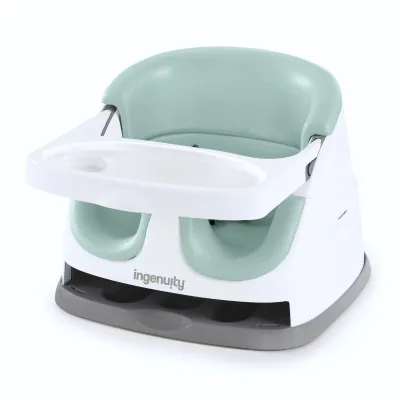
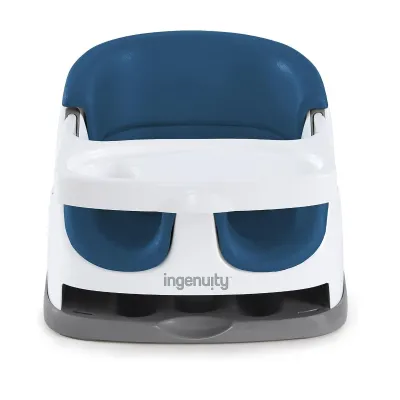
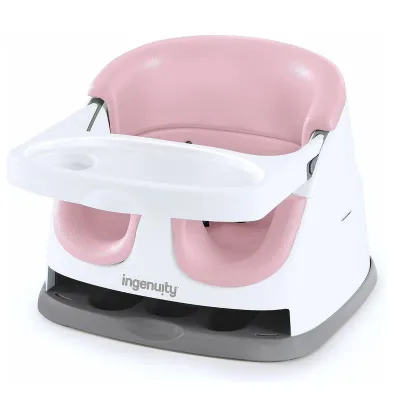
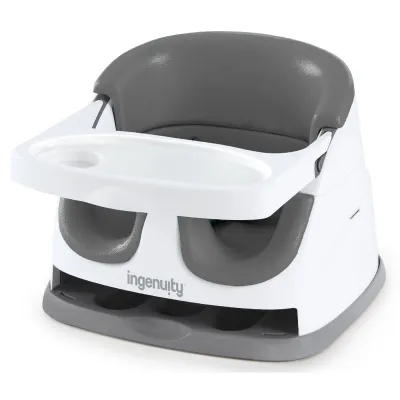
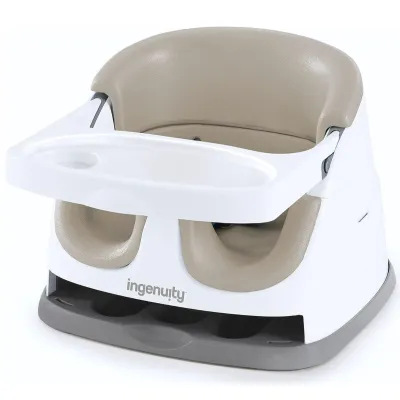
Prices are valid at publication and may change. Please refer to the product page for the latest price.
Observable signs of physical readiness include the ability to stay dry for extended periods, such as waking up dry from a afternoon nap or keeping a diaper dry for two hours or more. This indicates that your child’s bladder capacity is increasing and they are beginning to gain control over their sphincter muscles. Cognitively, your child may start showing interest in the bathroom, watching family members use the toilet, or verbally communicating when they have a wet or dirty diaper. They must also possess the gross motor skills required to walk to the potty, sit down stably, and pull their pants up and down with minimal assistance.
Age and physical stature play a critical role in determining which type of potty is most appropriate. Younger toddlers, typically between 18 and 24 months, often lack the balance and height required to use an adult toilet safely, even with a reducer seat. For these children, a low-profile floor potty is highly beneficial. It allows them to sit with their feet planted firmly on the ground, which provides essential physical stability and helps them feel secure.
Conversely, older toddlers who are taller, more coordinated, and emotionally ready to mimic adult behaviors often transition directly to a toilet seat reducer. If your child expresses a strong desire to use the “big toilet” like their parents or older siblings, a seat reducer can capitalize on this natural motivation. Assessing both physical stability and emotional interest will guide you toward the product that matches your child’s current capabilities.
Ingenuity Standalone Floor Potties: Ideal for Beginners and Early Independence
Standalone floor potties are designed specifically for the earliest stages of potty training. Because they sit directly on the floor, they eliminate the fear of heights that many young children experience when facing an adult toilet. This low-to-the-ground design allows toddlers to sit down and stand up completely independently, fostering a sense of autonomy and control over their own bodies.

From an anatomical perspective, a floor potty naturally encourages a squatting posture, where the child’s knees are positioned slightly higher than their hips. This posture relaxes the pelvic floor muscles and makes bowel movements easier and more comfortable for a developing child. For beginners who are still learning to coordinate these muscles, the physical comfort of a floor potty can significantly reduce the anxiety associated with bowel movements.
When evaluating standalone floor potties, look for key design elements that enhance safety and ease of use. A wide, non-slip rubberized base is crucial to prevent the potty from sliding on smooth bathroom tiles when your child sits down or stands up. A built-in splash guard is highly recommended, particularly for boys, to contain messes. Additionally, a removable inner bowl is an essential feature, allowing parents to easily lift, empty, and clean the container after each use.
Despite their benefits, standalone floor potties do have limitations. They require manual emptying, rinsing, and sanitizing after every single use, which adds to the daily caregiving workload. They also occupy dedicated floor space in your bathroom or living area, which can be a consideration in smaller homes. Finally, because a floor potty is a temporary tool, your child will eventually need to undergo a second transition to learn how to use the standard adult toilet.
Ingenuity Toilet Seat Reducers: Ideal for Transitioning and Older Toddlers
Toilet seat reducers are designed to adapt a standard adult toilet seat to fit a child’s smaller body. These products are ideal for older toddlers who have already developed basic balance and are ready to transition away from a floor potty, or for beginners who are physically larger and show no fear of the adult toilet. By scaling down the opening of the toilet seat, reducers prevent the child from feeling like they might slip into the bowl.
One of the primary advantages of a toilet seat reducer is that it streamlines the waste disposal process. Because the child uses the adult toilet directly, there is no separate bowl to empty or wash; you simply flush the waste away immediately. This setup also helps normalize the adult bathroom environment from the very beginning, making the eventual transition to independent toilet use seamless, as the child is already accustomed to the sights, sounds, and location of the family toilet.
When choosing a toilet seat reducer, stability is the most critical factor. Look for models that feature secure mounting mechanisms, such as adjustable brackets or high-friction rubber rims that prevent the seat from shifting while in use. Integrated handles on the sides of the reducer provide toddlers with a secure place to grip, which helps them stabilize their core and feel safe. It is also important to pair a seat reducer with a sturdy, non-slip step stool so your child can climb up independently and rest their feet comfortably while seated.
However, seat reducers do present certain challenges. The height of the adult toilet can be intimidating for some children, and the loud sound of flushing water nearby can trigger fear or resistance. Additionally, using a reducer requires the child to climb up and turn around, which demands a higher level of motor coordination and balance than using a floor potty. Parents must also ensure the step stool and seat are positioned correctly before each use, which can require more active supervision during the initial learning phase.
Comparing Key Features: Floor Potty vs. Toilet Seat Reducer
To make an informed decision, it is helpful to compare how these two product types perform across daily practical dimensions. Cleaning, space, portability, and safety are all key factors that impact how easily a potty training product integrates into your household routine.
Cleaning effort varies significantly between the two options. A standalone floor potty requires you to carry the soiled bowl to the toilet, empty it, rinse it, and periodically sanitize it to prevent odors and bacterial growth. A toilet seat reducer, on the other hand, requires only regular wiping with a child-safe disinfectant. However, parents must periodically check the underside of the reducer and the rim of the adult toilet to ensure no urine has splashed or collected in hidden crevices.
Space and portability are also major differentiators. Floor potties are highly portable; they can be moved from room to room, kept near your child’s play area during the early days of training, or even packed into the car for outings. However, they do take up floor space in the bathroom. Toilet seat reducers are highly space-efficient because they sit directly on your existing toilet or can be hung on a wall hook when not in use, keeping your bathroom floor completely clear.
Safety and stability depend on the design and your child’s physical abilities. A floor potty is inherently stable due to its low center of gravity and direct contact with the floor. A seat reducer relies on the quality of its fit to your specific toilet bowl shape and the stability of the accompanying step stool. Ensuring that the step stool has a wide, non-slip base is essential to prevent tipping when your child climbs up.
| Feature | Standalone Floor Potty | Toilet Seat Reducer |
|---|---|---|
| Ideal Developmental Stage | Beginners (approx. 18–24 months) | Transitioning toddlers (approx. 2–3+ years) |
| Physical Stability | High (low center of gravity, feet flat on floor) | Moderate (requires step stool for foot support) |
| Cleanup Process | Emptying and washing removable bowl | Wiping down seat, direct flushing of waste |
| Portability | High (easy to move between rooms or travel) | Low to Moderate (designed for home toilet use) |
| Bathroom Space Impact | Occupies floor space | Minimal (can be hung up or left on toilet) |
| Anxiety Factor | Low (non-intimidating, child-sized scale) | Moderate (height and flush sounds may cause fear) |
Setting Up a Successful Potty Training Routine
Once you have selected the appropriate Ingenuity product for your toddler’s stage, integrating it into a consistent, low-pressure daily routine is the next step toward success. The goal is to make the potty a natural, non-threatening part of your child’s daily environment.
If you are using a standalone floor potty, start by placing it in a highly visible and easily accessible location. In the early stages, this might be in the living room or play area where your child spends most of their time, as toddlers often realize they need to use the bathroom at the very last moment. As they become more adept at recognizing their body’s signals, you can gradually move the potty closer to, and eventually inside, the bathroom. If you are using a toilet seat reducer, ensure the bathroom is always accessible, well-lit, and free of hazards, with the step stool positioned securely against the toilet.
Establishing a predictable schedule can help your child develop healthy bathroom habits. Prompt your child to sit on the potty at times when bowel movements are naturally stimulated, such as 20 to 30 minutes after meals, immediately upon waking up in the morning, or right before bath time. Keep these sessions short—usually no more than five to ten minutes—and provide quiet entertainment, such as reading a favorite book together, to help them relax.
It is vital to recognize when to pause the routine. Potty training is rarely a linear process, and regressions or periods of strong resistance are entirely normal. If your child begins refusing to sit on the potty, shows signs of anxiety, or experiences physical discomfort such as constipation, do not force the issue. Forcing a child to sit can create negative associations and power struggles. Instead, calmly pause the training for a few weeks, return to diapers or training pants, and try again when your child seems more receptive.
Frequently Asked Questions (FAQ)
Can I use both a floor potty and a toilet seat reducer at the same time?
Yes, utilizing both products simultaneously is a common and highly effective strategy for many families. You can begin potty training with a standalone floor potty to help your child build confidence and master basic physical coordination. Once they are comfortable with the concept, you can introduce a toilet seat reducer in the main bathroom while keeping the floor potty in another area of the house. This dual setup ensures that a convenient, child-friendly toilet option is always nearby, reducing the likelihood of accidents when your child is playing.
How do I clean and maintain an Ingenuity potty to prevent odors?
To maintain hygiene and prevent odors, empty the removable bowl of a standalone floor potty into the adult toilet immediately after use. Rinse the bowl with warm water and wash it with a mild, child-safe soap or detergent. For toilet seat reducers, wipe the surface regularly with a damp cloth and a mild disinfectant. Pay close attention to the underside of the reducer and the area around the splash guard, as these spots are prone to residue buildup. Always refer to the manufacturer’s care instructions for your specific model to ensure you use compatible cleaning agents that will not degrade the materials.
What should I do if my toddler refuses to use the Ingenuity potty?
If your toddler exhibits strong resistance or fear, the most effective response is to remove all pressure immediately. Take a break from active training for a few weeks and avoid discussing the topic constantly. Ensure that the physical setup is comfortable; check that your child’s feet are supported rather than dangling, as dangling feet can cause pelvic muscle tension and insecurity. If the resistance is accompanied by physical symptoms such as painful bowel movements, hard stools, or withholding, consult your pediatrician to rule out constipation or other physical concerns before resuming training.

Community discussion
Share your experience or ask a question. Comments are reviewed before publication.