
Choosing the right baby cereal is a significant milestone in your child’s developmental journey. While many parents look first at the age recommendations printed on the front of the box, selecting the ideal Gerber cereal variant requires a closer look at your baby’s physical readiness, digestive maturity, and specific nutritional needs. By matching the grain type, texture, and preparation style to your baby’s individual developmental signals, you can establish a safe, nourishing, and positive introduction to solid foods.
Recognizing Your Baby's Readiness for Solid Foods
Before purchasing your first box of baby cereal, it is essential to look for specific physical and developmental milestones rather than relying solely on chronological age. While many infant food packages reference general age ranges, babies develop at highly individualized rates. Starting solids too early can pose choking hazards or strain an underprepared digestive system, while waiting too long may delay the introduction of critical nutrients.
To determine if your baby is ready for cereal, observe their physical control during daily activities. Your baby must exhibit steady head and neck control, holding their head upright without wobbling. They should also be able to sit with minimal support, either in a high chair or with light assistance, which ensures an upright posture necessary for safe swallowing and proper digestion.
Products mentioned in this guide
![Gerber Organic Oatmeal Baby Cereal 227G - From 6 Months [Lids may vary]](https://img.lazcdn.com/g/p/3fb85d6155c54d3f1cad64e6bb90279b.jpg_400x400q80.jpg_.webp)
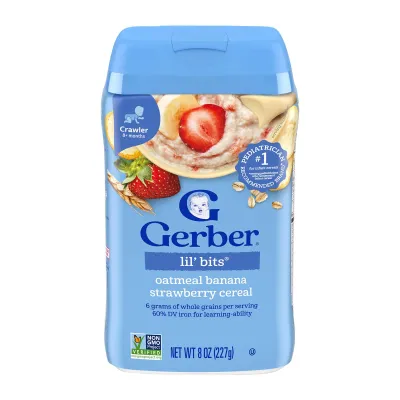
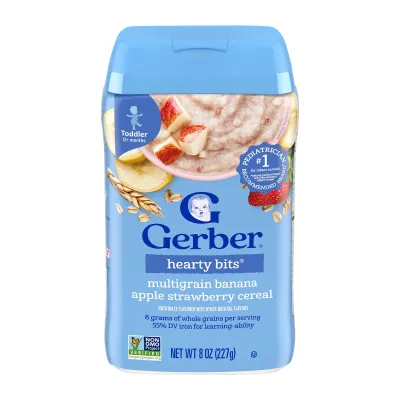
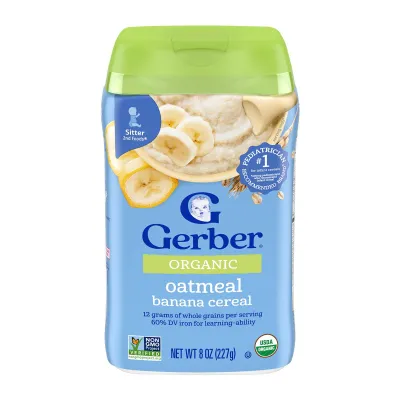



Prices are valid at publication and may change. Please refer to the product page for the latest price.
Another critical milestone is the natural disappearance of the tongue-thrust reflex. This reflex causes infants to automatically push solid objects or spoons out of their mouth with their tongue to prevent choking. If you offer a tiny taste of thin cereal and your baby immediately pushes it out of their mouth, they are likely not yet ready for spoon-feeding.
Always consult your pediatrician before introducing any solid foods to your baby’s diet. A professional medical evaluation ensures that your child’s digestive tract and motor skills are sufficiently mature. Your pediatrician can provide personalized guidance based on your baby’s growth trajectory, health history, and unique developmental pace.
Comparing Gerber Cereal Variants: Rice, Oatmeal, and Multigrain
Once your pediatrician confirms your baby is ready for solids, you can choose from several single-grain and multi-grain options. Understanding the characteristics of each grain type helps you align the cereal with your baby’s digestive tolerance and your family’s dietary preferences.

Rice cereal has traditionally been favored as a starter food because of its mild flavor and easy digestibility. It is highly soluble and mixes into a very smooth consistency, making it an easy transition from breast milk or formula. However, modern pediatric guidance emphasizes the importance of dietary diversity. Parents should check the manufacturer’s packaging for information regarding quality control and heavy metal testing standards, and avoid relying solely on rice cereal for extended periods to ensure a varied diet.
Oatmeal cereal is a popular alternative or step-up option for many families. It offers a slightly heartier texture and a higher fiber content, which can be beneficial for babies prone to mild constipation. Introducing oatmeal also introduces gluten-containing grains to your baby’s diet. This introduction should be done thoughtfully, starting with small amounts and monitoring your baby’s response in accordance with pediatric advice.
Multigrain cereal typically contains a blend of grains such as oats, barley, and wheat. This variant provides complex carbohydrates and a broader spectrum of nutrients, making it an excellent option for older babies. Because it contains multiple grain sources, multigrain cereal is best reserved for babies who have already successfully tried and tolerated single-grain cereals individually without any adverse reactions.
Regardless of the variant you choose, always verify the iron fortification levels and the complete ingredient list on the specific product packaging. Iron is a critical nutrient for infants, especially around the six-month mark when natural iron stores begin to deplete. Because formulation details can vary by region and product line, reading the physical label is the most reliable way to confirm nutritional content.
Matching Cereal Textures and Stages to Developmental Milestones
As your baby grows, their chewing and swallowing abilities will advance, requiring a corresponding shift in food texture. Gerber categorizes its cereals using specific stage indicators on the packaging, such as “Supported Sitter” or “Sitter,” to help parents identify the appropriate texture complexity.
Beginner stages feature a very fine, powdery grind designed to mix into a completely smooth, runny consistency. These starter cereals are formulated to mimic the liquid texture your baby is accustomed to, minimizing the risk of gagging. Later stages introduce slightly coarser textures, small grain flakes, or tiny bits of fruit to challenge advanced eaters and encourage active chewing motions.
When transitioning textures, always prioritize safety and comfort. Start by mixing the cereal to a very thin, liquid-like consistency—almost like slightly thickened milk. As your baby demonstrates excellent swallowing control and comfort over several days, you can gradually decrease the amount of liquid to create a thicker, paste-like texture. This gradual progression helps develop their oral motor skills, teaching them how to move food from the front of the mouth to the back.
Observe your baby closely during every feed. A mild gag reflex is a normal part of learning to eat, as it protects the airway while the baby adjusts to new sensations. However, frequent choking, coughing, or visible distress indicates that the texture is too thick or advanced for their current abilities.
If your baby shows signs of choking, severe distress, or an inability to manage the texture, stop the feed immediately. Clear the airway safely if necessary, and consult a healthcare professional or pediatrician before attempting to feed solids again. Never force a baby to swallow food they are struggling to manage.
Reading the Label: Nutrients, Allergens, and Ingredients
Before purchasing any baby cereal from a local supermarket or online marketplace, take the time to carefully read the product label. The packaging contains essential information regarding nutritional fortification, potential allergens, and preparation safety.
First, check the nutrition facts panel for essential nutrient fortification, particularly iron and zinc. These minerals are critical for rapid infant brain development, cognitive function, and immune system support. Ensure these nutrients are clearly listed in the fortification profile on the specific box you plan to purchase.
Next, identify potential allergens within the ingredient list and allergen statements. Grains like wheat, barley, and oats can trigger allergic reactions in sensitive infants. To manage this risk, follow the single-ingredient introduction rule: introduce only one new grain type at a time and wait several days before introducing another. This systematic approach makes it much easier to isolate the cause of any potential reaction.
Scan the ingredient list to ensure the product contains no added sugars, artificial flavors, or unnecessary preservatives. A baby’s developing palate does not require added sweeteners, and keeping ingredients simple supports healthy eating habits from the very beginning. Look for clean, straightforward ingredient lists where the grain itself is the primary component.
Finally, verify the recommended preparation instructions, serving sizes, and expiration dates. In Singapore’s retail environment, products may be imported from various regions, meaning preparation guidelines or measurements might differ slightly. Checking the specific packaging instructions ensures you prepare the food safely according to the manufacturer’s standards.
Safe Preparation and Introduction Practices
Proper preparation and hygienic handling are vital to protect your baby from foodborne illness and ensure they receive the intended nutritional benefits from their cereal.
Always follow the exact mixing ratios and liquid recommendations provided on the product packaging. Do not guess or eyeball the measurements, especially during the initial weeks of feeding. Using the specified proportions ensures the cereal reaches a safe consistency and prevents nutritional dilution or digestive discomfort.
When introducing a new cereal variant, serve it in small amounts and wait three to five days before introducing any other new food. During this window, monitor your baby closely for any signs of food intolerance or allergic reactions. Watch for symptoms such as sudden skin rashes, hives, vomiting, or persistent diarrhea.
Proper storage of dry cereal is essential, particularly in Singapore’s warm and highly humid climate. Keep dry cereal in a cool, dry place, and ensure the package is tightly sealed after every use to prevent moisture absorption, clumping, or pest contamination. Consider transferring the cereal to a clean, airtight container if the original packaging cannot be sealed securely.
Handle prepared portions with care to prevent bacterial growth. Only prepare the amount of cereal you expect your baby to eat in one sitting. If your baby does not finish the prepared portion, discard the leftovers immediately. Bacteria from your baby’s saliva can transfer to the bowl via the spoon and multiply rapidly in the warm environment, making leftover portions unsafe for later consumption.
If your baby exhibits any adverse symptoms like sudden rashes, vomiting, or persistent diarrhea after consuming a cereal, stop using the product immediately and seek medical advice from a qualified professional.
Frequently Asked Questions (FAQ)
Can I mix Gerber cereal with breast milk or formula?
Yes, mixing baby cereal with breast milk or infant formula is highly recommended, especially for beginners. This practice maintains a familiar taste, which can make the transition to solid foods smoother and more comforting for your baby. It also ensures they continue to receive the vital nutrients present in their primary milk source. Avoid using cow’s milk or plant-based milks (such as soy, almond, or oat milk) as the primary mixing liquid for infants under twelve months, unless explicitly directed and supervised by your pediatrician. Adjust the liquid-to-cereal ratio gradually to achieve the appropriate consistency for your baby’s current developmental stage.
What should I do if my baby refuses the cereal?
If your baby rejects the cereal, do not force the feed. Force-feeding can create negative associations with mealtime and lead to further resistance. First, check the basics: is the texture too thick, is the temperature too warm or cold, or is your baby simply tired or not hungry? Try thinning the consistency with more breast milk or formula to make it easier to swallow. If they still refuse, take a gentle break and try again in a few days. You might also consider trying a different grain variant, such as switching from rice to oatmeal, or mixing the cereal with a familiar liquid to make it more appealing. Patience is key, as it can take multiple attempts for a baby to accept a new taste and texture.

Community discussion
Share your experience or ask a question. Comments are reviewed before publication.