
Taking your baby out for a breath of fresh air or a playdate is a wonderful way to support their physical and cognitive development, but it requires the right gear to keep them comfortable. A reliable foldable mat serves as a clean, familiar boundary between your baby and the ground, whether you are setting up on damp grass in a local park or a hard tiled floor at a friend’s home. Choosing the right option depends on matching the mat’s material properties and physical design to your most frequent outing destinations.
In tropical climates where sudden rain showers and high humidity are common, selecting a mat with the appropriate moisture resistance and quick-drying capabilities becomes even more critical. By focusing on verifiable product specifications, material safety labels, and practical design features, you can select a portable surface that fits your family’s lifestyle and storage space. This guide will help you analyze your outing habits and evaluate mat features to make an informed decision.
Identifying Core Needs for Different Outing Environments
Every outing environment presents unique physical challenges that affect how a mat performs and how comfortable your baby remains during play. For park visits, the primary obstacles are uneven ground, hidden twigs, soil moisture, and dirt. A mat used on grass needs sufficient structural integrity to smooth out minor bumps and a reliable barrier to prevent ground moisture from seeping through to your baby’s clothing. Caregivers should look for options that offer adequate cushioning to protect little hands and knees during active play on rougher terrain, especially when setting up on hard-packed soil.
Products mentioned in this guide
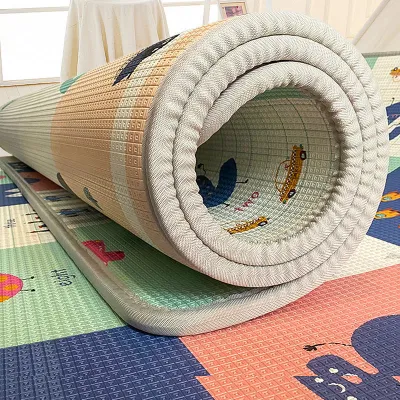
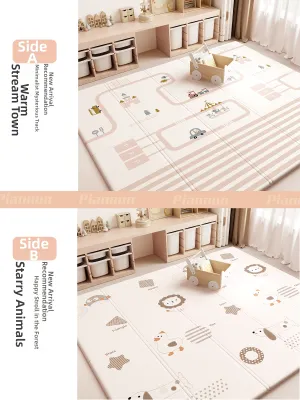
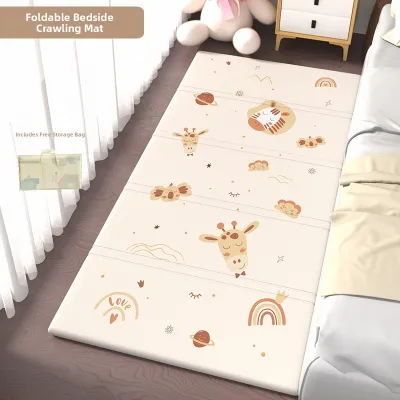
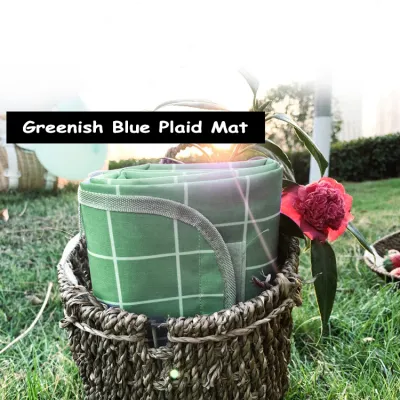
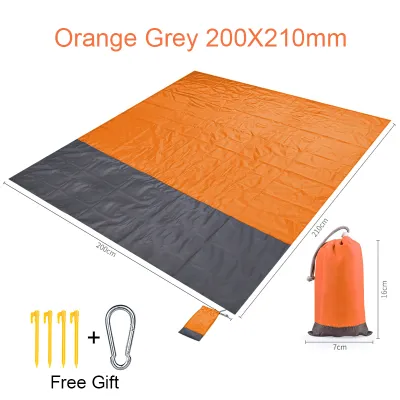
Prices are valid at publication and may change. Please refer to the product page for the latest price.
Beach trips introduce a different set of environmental factors, such as fine sand, wind, and direct exposure to saltwater or intense sunlight. Sand has a tendency to cling to textured surfaces and find its way into folding seams, making easy-shake materials highly desirable. Additionally, because coastal winds can easily lift lightweight fabrics, a beach-friendly option must either have integrated weight pockets or be compatible with ground stakes to stay securely anchored. Without these features, managing a flying mat while supervising an active baby can quickly become overwhelming.
Indoor playdates, whether at a friend’s apartment or a community play space, require a focus on hygiene, slip resistance, and compact storage. Hardwood, laminate, or tiled floors offer no natural impact absorption, meaning the mat must provide its own cushioning to protect against accidental tumbles. Because indoor spaces are often shared and require quick setup, the mat must also feature a non-slip backing to prevent it from sliding on polished surfaces. Furthermore, in urban homes where storage space is at a premium, the mat must fold down compactly enough to fit into typical cupboards or car boots.
Matching Mat Features to Specific Scenarios
To find a mat that stands up to these diverse environments, caregivers must look past aesthetic designs and evaluate specific product labels and manufacturer specifications. The surface coating is your first line of defense against spills and outdoor elements. Rather than assuming a fabric is waterproof based on its appearance, verify the product’s water-resistance rating on the packaging. Wipeable surfaces, such as those treated with water-resistant coatings, allow you to quickly clean up spills, drool, or mud with a simple damp cloth during your outing.

Cushioning and thickness must be carefully balanced against the practicalities of transit. While a thick foam mat provides excellent impact protection for a baby learning to sit or crawl, it also increases the overall bulk of the item when folded. Review the manufacturer’s specified folded dimensions and weight to ensure the mat can be easily carried alongside a stroller, diaper bag, and other baby essentials. For long walks to a park picnic spot, a lighter, slightly thinner mat with high-density foam may offer a better compromise than a heavy, ultra-thick model that takes up the entire stroller basket.
Whether you are looking at budget-friendly options around S$30 or premium models closer to S$100, verifying the material specifications is key to ensuring long-term durability. The folding mechanism and transit features dictate how easily you can manage the mat while supervising a child. Accordion-style folding mats are often easier to deploy and pack away quickly compared to roll-up models, which may curl at the edges during use. Look for robust carrying handles, integrated shoulder straps, or dedicated travel bags that keep the mat securely closed during transport.
Scenario-by-Scenario Selection Checklist
To simplify your decision, use these targeted checklists to evaluate potential mats against the specific demands of your primary outing activities.
Park Outing Checklist
When selecting a mat primarily for botanical gardens, local parks, or grassy fields, verify the following specifications:
- Moisture Barrier: Check the product label for a water-resistant or waterproof bottom layer to block rising ground dampness.
- Puncture Resistance: Look for durable, tightly woven outer fabrics, such as heavy-duty polyester or oxford cloth, that resist tearing from small twigs, dry grass, or pebbles.
- Secure Closures: Ensure the folding straps or zippers are robust enough to keep dirt and grass clippings contained inside the folded mat after use, preventing debris from transferring to your car or home.
- Easy-Clean Underside: Verify that the bottom surface can be easily wiped clean of mud or grass stains before you pack it away.
Beach Outing Checklist
For coastal trips and sandy play areas, prioritize features that handle sun, wind, and sand:
- Sand-Repellent Material: Verify that the surface fabric allows sand to be brushed or shaken off easily without sticking to the fibers or getting trapped in deep textures.
- Anchoring Points: Look for built-in corner loops, peg holes, or sand pockets that allow you to secure the mat against sea breezes.
- UV and Heat Limits: Check the manufacturer's guidelines regarding prolonged sun exposure to ensure the materials will not degrade, fade, or become uncomfortably hot to the touch.
- Quick-Drying Fabric: Choose materials that dry rapidly when exposed to sea spray or wet swimwear, reducing the risk of musty odors during the journey home.
Indoor Playdate Checklist
For indoor environments, community centers, or apartment living, focus on safety, grip, and compact storage:
- Non-Slip Backing: Confirm the underside features a high-friction pattern, silicone dots, or textured material to prevent sliding on smooth tiles or wooden floors.
- Material Safety Standards: Check the product packaging for recognized material safety certifications, ensuring the foam and outer layers are free from restricted chemical substances like phthalates, lead, or BPA.
- Storage Footprint: Verify that the folded dimensions fit comfortably within your home storage cupboards, entryway closets, or car boot without crowding other daily essentials.
- Hypoallergenic Surface: Look for smooth, non-porous surfaces that do not trap dust mites or pet dander, making them easier to sanitize before and after playdates.
Balancing Cross-Scenario Compatibility and Trade-offs
While it is tempting to search for a single mat that excels in every environment, most portable mats require some compromise. A highly cushioned foam mat that is highly suitable for protecting a baby on hard indoor floors will often be too bulky to carry easily on a long walk to a park. Conversely, an ultra-lightweight, compact beach mat might pack down to the size of a water bottle but offer virtually no cushioning against hard ground or uneven grass.
If you frequently transition between indoor playdates and outdoor park visits, consider which environment poses the higher risk to your baby’s comfort and safety. For younger infants who are still developing motor skills and are prone to falling, prioritizing impact cushioning on hard indoor surfaces is often the safest approach, even if it means carrying a slightly bulkier item. For older toddlers who primarily need a clean boundary to sit on while eating snacks at the park, a thin, highly packable, water-resistant mat is often the more practical choice.
Caregivers should also evaluate how a mat’s secondary features can serve multiple purposes without compromising its primary function. For example, a water-resistant park mat can double as a protective cover for indoor sensory play or messy feeding sessions, provided the surface is easy to sanitize. By identifying your most frequent outing scenario first, you can select a mat that meets those primary needs effectively while accepting minor inconveniences during occasional alternative trips.
Frequently Asked Questions (FAQ)
Can I use a standard indoor foldable mat outdoors?
Using a mat designed strictly for indoor use in outdoor settings is generally not recommended unless the manufacturer explicitly states it is suitable for outdoor environments. Indoor mats often lack the necessary water-resistant bottom layers to block ground moisture, and their delicate outer fabrics can easily puncture or tear on rough grass, dirt, or gravel. Additionally, outdoor debris can become trapped in the crevices of indoor folding mechanisms, making them difficult to clean and potentially compromising hygiene when brought back inside the home.
How should I clean and store a foldable mat after outdoor use?
To maintain hygiene and prolong the lifespan of your foldable mat, always follow the manufacturer’s specific care instructions on the label. After an outdoor outing, shake off any loose dirt, sand, or grass before folding the mat. Wipe down both sides with a damp cloth and a mild, baby-safe soap if permitted by the manufacturer, paying close attention to the folding seams where dirt tends to accumulate. Always allow the mat to air-dry completely in a well-ventilated area before folding and storing it to prevent the growth of mold or mildew, especially in humid climates.

Community discussion
Share your experience or ask a question. Comments are reviewed before publication.