
Choosing the right foldable baby mat requires balancing your baby’s developmental needs with the practical realities of your outdoor adventures. Whether you are planning a family picnic, navigating a busy shopping mall, or packing for an overseas flight, the ideal portable mat must provide a clean, cushioned, and secure environment. Because no single mat excels in every setting, understanding how different materials, folding mechanisms, and sizes perform across various environments is key to making a smart choice. By matching specific mat features to your family’s lifestyle, you can ensure your baby has a comfortable space to play, crawl, or rest while you are on the go.
Identifying Scenario Demands: Picnics, Malls, and Travel
Outdoor picnics present unique environmental challenges that demand specific mat characteristics. When setting up on park lawns, such as the grassy fields of the Singapore Botanic Gardens, ground moisture is a constant factor. Even on warm days, soil retains dampness that can easily seep through standard fabrics, leaving your baby cold and wet. For picnics, you need a mat with robust moisture resistance on the bottom layer, a durable outer shell that resists punctures, and a generous surface area that allows your baby to roll and play safely while leaving room for caregivers to sit nearby.
In contrast, mall visits require a highly agile and compact solution. Shopping centres are high-traffic, crowded environments where space is limited. When your baby needs a quick tummy time break or a safe spot to sit in a parent room, you cannot afford to carry a bulky, slow-to-unfold mat. For these urban excursions, the priority shifts to ultra-lightweight designs that fold down to the size of a small book. The mat must deploy in seconds and fit easily into a standard diaper bag or a compact stroller basket without weighing you down as you navigate escalators and busy walkways.
Products mentioned in this guide
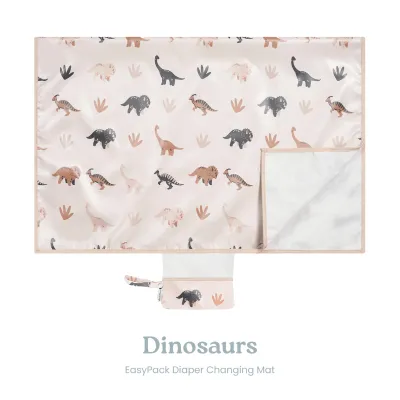
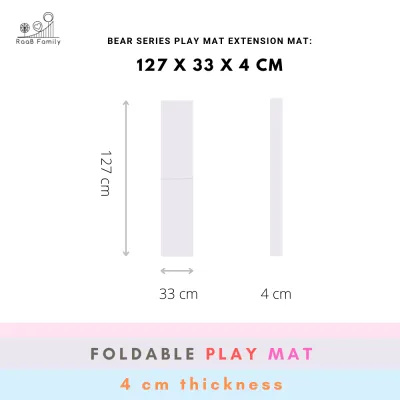
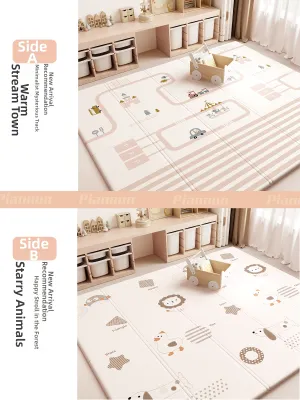
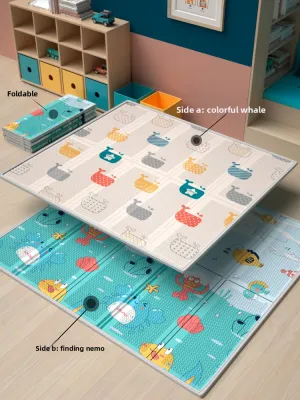
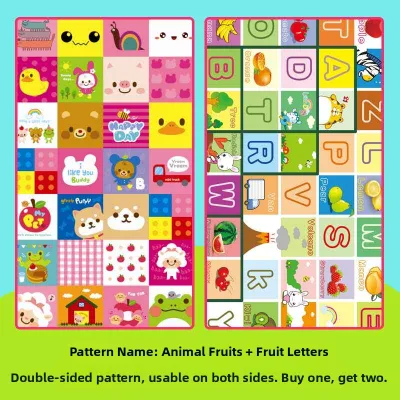
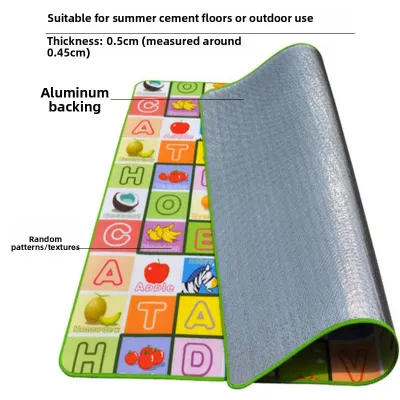
Prices are valid at publication and may change. Please refer to the product page for the latest price.
Travel introduces yet another set of logistical constraints, focusing heavily on luggage space and long-term durability. Whether you are taking a road trip or boarding a flight, every centimetre of packing space matters. A travel mat must withstand being compressed into tight suitcases, tossed into car boots, and laid out on a variety of unfamiliar surfaces, from hotel carpets to airport terminal floors. It needs to be resilient enough to handle frequent packing cycles without losing its structural integrity, while remaining light enough to keep your luggage within airline weight limits.
Matching Mat Features to Your Primary Outdoor Activities
To find the right balance, evaluate key mat specifications against your most frequent activities. Material and thickness directly impact both comfort and carrying convenience. Common materials like cross-linked polyethylene (XPE) offer excellent shock absorption for babies learning to sit or crawl. While a thicker mat (1 cm to 2 cm) provides superb cushioning on hard floors, it takes up significant space when folded. For mall visits or travel, a thinner mat (0.5 cm to 1 cm) strikes a better balance, offering sufficient protection while remaining highly portable.

The folding mechanism also dictates daily usability. Accordion-style mats are popular because they fold flat along pre-embossed creases, allowing for rapid setup and pack-up. This design prevents the mat from curling at the edges, which can be a tripping hazard. Roll-up mats, while seamless, can be awkward to secure and carry, often requiring external straps. Multi-panel fabric mats with internal foam inserts offer a softer feel but may take longer to clean and dry compared to all-foam counterparts.
Surface texture and ease of cleaning are paramount when managing outdoor messes. Look for mats with a textured, non-slip surface pattern that helps your baby grip the floor during tummy time. However, ensure the texture is not so deep that it traps dirt, sand, or spilled milk. A high-quality, non-absorbent outer layer allows you to quickly sanitize the surface with a baby wipe, keeping the play area hygienic even after a messy outdoor snack session.
Evaluating Cross-Scenario Compatibility and Storage Limits
If you prefer to own just one foldable baby mat, you must weigh the compromises of a single-mat strategy. A large, thick mat perfect for the park will feel cumbersome in a crowded mall nursing room. Conversely, a tiny, ultra-thin travel mat offers minimal protection against damp grass during a family picnic. To find a versatile middle ground, look for a medium-sized accordion mat that offers moderate cushioning (around 1 cm thickness) and can be folded in half to fit smaller spaces when necessary.
Before purchasing, measure your stroller’s under-seat storage basket and diaper bag compartment. Compare these measurements against the manufacturer’s listed folded dimensions. A mat that is even slightly too wide or bulky will end up being left at home, forcing you to rely on less hygienic public surfaces. Because carrying extra gear can quickly become tiring during long outings, prioritize lightweight models that do not add unnecessary strain to your shoulders or stroller frame.
Additionally, consider the long-term durability of the folding joints. Frequent folding and unfolding put continuous stress on the creases. Lower-quality materials can crack or split along these lines after only a few weeks of heavy use, allowing moisture to enter the inner foam and create a breeding ground for mold. Inspect the crease construction and choose mats with reinforced seams or high-density foam cores designed to withstand repeated flexing. While basic mats may cost under S$30, highly durable options can range up to S$100, making it important to match your budget with your expected frequency of use.
Safety, Stability, and Maintenance for Outdoor Use
Ensuring your baby’s safety on a portable mat requires regular inspection. Before each use, perform a quick visual check of the surface. Look for signs of peeling laminate, tears, or exposed inner foam. Babies, especially those who are teething, may attempt to bite or pull at damaged sections, creating a serious choking hazard. If you detect any structural damage or loose material, discontinue use immediately and consult the manufacturer’s guidelines for repair or replacement.
Proper cleaning protocols are essential to prevent the growth of mold and bacteria after outdoor use. After returning home, wipe down both sides of the mat with a soft cloth, warm water, and a mild, baby-safe detergent. Avoid using harsh household bleach, alcohol-based sprays, or abrasive scrubbing pads, as these can degrade the protective waterproof coating and irritate your baby’s sensitive skin. Always allow the mat to air-dry completely in a well-ventilated, shaded area before folding it up for storage, as storing a damp mat can lead to mold growth within 24 to 48 hours.
Finally, always assess the stability of the ground before laying down the mat. On smooth indoor surfaces, such as polished mall tiles, verify that the mat’s backing has sufficient slip resistance to prevent it from sliding when your baby moves. On outdoor terrain, clear away any sharp objects, large rocks, or twigs that could puncture the mat or injure your child. Most importantly, never leave your baby unattended on the mat. Active supervision is required to ensure your little one remains safe from nearby hazards, uneven ground, or pedestrian traffic.
Frequently Asked Questions (FAQ)
Can I use a foldable baby mat directly on wet grass? (FAQ)
You should only place a foldable baby mat directly on wet grass if the manufacturer explicitly certifies that the bottom layer is fully waterproof. Many mats are water-resistant but not completely waterproof, meaning prolonged contact with damp ground can allow moisture to seep through the seams. To protect your baby and extend the lifespan of your mat, consider laying down a dedicated waterproof groundsheet or a plastic tarp underneath the mat when using it on damp lawns.
How do I clean a foldable mat after a park picnic? (FAQ)
To clean your mat after a picnic, first shake it thoroughly to remove loose dirt, sand, and grass. Wipe the entire surface with a soft cloth dampened with warm water and a mild, baby-safe soap. Pay close attention to the folding creases, as these areas easily trap crumbs and outdoor debris. Avoid using harsh chemical cleaners or abrasive brushes that can damage the protective outer layer. Let the mat air-dry completely in a shaded, well-ventilated spot before folding it away.
Is a thicker foldable mat always better for travel? (FAQ)
No, a thicker mat is not always the best choice for travel. While a 1.5 cm or 2 cm mat offers excellent cushioning on hard surfaces, it adds significant bulk and weight to your luggage. For travel, a lightweight mat with a thickness of 0.5 cm to 1 cm is usually much more practical, as it balances basic comfort with easy packability. Consider the flooring at your destination; if you will have access to carpeted hotel rooms, a thinner mat will easily meet your needs.

Community discussion
Share your experience or ask a question. Comments are reviewed before publication.