
To secure a Singapore home for a crawling baby or an inquisitive toddler, addressing electrical hazards is a top priority. Standard household outlets in Singapore utilize the Type G configuration, characterized by three rectangular pins and a built-in safety switch. While these sockets inherently feature internal shutters designed to block foreign objects, they are not entirely childproof, as determined toddlers can still find ways to bypass these barriers. Choosing the right electrical outlet cover involves matching the specific physical layout of your home’s sockets with a cover type that suits your daily usage patterns, ensuring both safety and convenience.
Why Baby-Proofing Type G Sockets Requires Specific Covers
Standard Singapore electrical outlets follow the Type G design, which is physically distinct from the round-pin or flat-pin configurations used in other parts of the world. These sockets feature three large, rectangular openings arranged in a triangular pattern, often accompanied by an individual rocker switch for each outlet. Because of this unique shape and size, generic or multi-country outlet covers imported from overseas frequently fail to fit securely. A cover designed for a different socket type may wobble, leave dangerous gaps, or fail to insert deeply enough to stay in place.
When an electrical outlet cover does not fit snugly, it presents two immediate hazards. First, a loose cover can easily be pried off by a persistent child, exposing the live terminal slots underneath. Second, once removed, an ill-fitting plastic cover itself becomes a dangerous choking hazard left lying on the floor.
Products mentioned in this guide
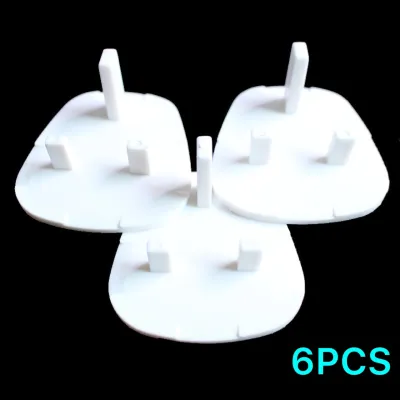
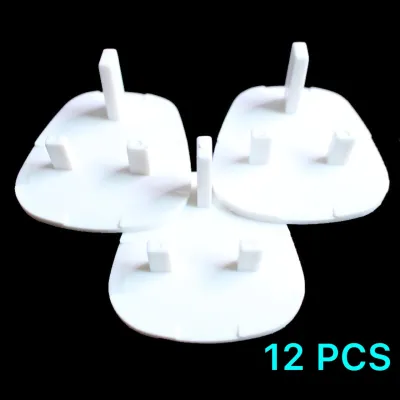
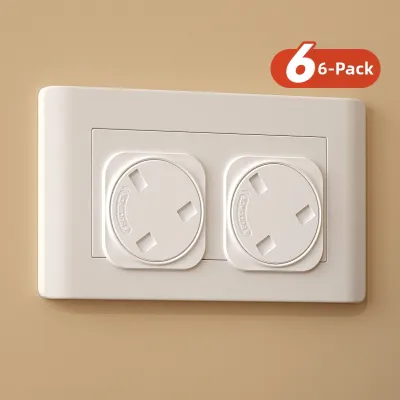
![[SG SELLER] [FREE SHIPPING] Child Baby Safety Socket Cover Plug Cover Protector 🇸🇬SINGAPORE USE🇸🇬](https://img.lazcdn.com/g/p/a1bb8027e643fb1f1a8c9a8404167892.jpg_400x400q80.jpg_.webp)
Prices are valid at publication and may change. Please refer to the product page for the latest price.
Furthermore, Type G sockets rely on a mechanical shutter system where the longer top earth pin opens the lower live and neutral shutters. If a toddler inserts a toy or a tool into the top earth slot, the lower shutters will open, exposing them to high-voltage current. Therefore, any protective cover must completely block access to all three pin entries simultaneously, matching the exact depth and spacing of local electrical standards.
Key Features to Look for in an Electrical Outlet Cover
When shopping for an electrical outlet cover, safety certifications and material integrity should guide your decision rather than aesthetics alone. First, ensure the cover or insert is large enough to pass a standard choke-tube test. Any childproofing accessory that can fit entirely inside a cardboard toilet paper roll or a dedicated choke-testing cylinder is too small and poses a severe risk if a toddler manages to remove it. Look for durable, high-impact plastics such as polycarbonate or thick ABS, which resist cracking even if accidentally kicked or struck by heavy toys.

Usability is another critical factor to evaluate. The ideal cover should require a dual-action release mechanism to remove, such as squeezing two side tabs while pulling, or using a specialized key tool. This design exploits the fact that toddlers lack the fine motor skills and hand strength required to perform two distinct physical actions simultaneously, while remaining manageable for adults.
Additionally, because Singapore sockets almost always feature a physical on/off rocker switch next to the plug entries, the cover must be shaped so that it does not interfere with this switch. A poorly designed cover might accidentally force the switch into the “on” position or prevent you from quickly turning off the power in an emergency. Always check the manufacturer’s packaging for clear age recommendations and verify that the product complies with recognized international safety standards for childproofing devices.
Comparing the 3 Main Types of Outlet Covers
To build an effective childproofing strategy, caregivers should familiarize themselves with the three primary categories of covers available on the market: plug-in inserts, sliding outlet plates, and protective box covers. Each type interacts differently with Type G sockets and serves a distinct purpose depending on the room’s layout and how often the outlet is accessed. By matching the right cover type to the specific demands of each space, you can maintain a functional home while keeping electrical hazards entirely out of reach.
Plug-In Inserts
Plug-in inserts are the most common and straightforward option for securing unused electrical outlets. These simple plastic devices feature three prongs that mimic a standard Type G plug, filling the socket holes completely to create a flush, flat surface.
The primary advantages of plug-in inserts are their low profile, low cost, and ease of installation. They are highly unobtrusive, making them less likely to attract a toddler’s attention in the first place, and they can be purchased in bulk for a very modest budget, often costing under S$10 for a large pack.
However, these inserts carry notable drawbacks. If they do not fit tightly, a determined toddler with developing fingernails or a small toy can sometimes pry them out of the wall. Once removed, they pose an immediate choking hazard if left on the floor. Additionally, when you need to use the outlet, you must remove the insert and store it safely out of the child’s reach, creating an extra step in your daily routine.
Consequently, plug-in inserts are ideal for sockets that are rarely or never used, or those hidden safely behind heavy furniture like wardrobes, television consoles, or heavy bookshelves where daily access is not required.
Sliding Outlet Plates
Sliding outlet plates offer a highly convenient, semi-permanent solution for sockets that are used on a daily basis. These devices replace the existing plastic faceplate of your wall outlet with a specialized cover featuring a spring-loaded sliding mechanism.
To use the outlet, you insert the prongs of your appliance plug into the cover’s slots, slide the mechanism to align with the socket holes, and push the plug all the way in. The moment you unplug the appliance, the spring-loaded cover automatically slides back into place, instantly blocking access to the live terminals. This automatic closing feature eliminates the risk of human error, ensuring the socket is never accidentally left exposed, and because the mechanism is integrated into the faceplate, there are no loose parts to lose or swallow.
The main disadvantage of sliding plates is that they require a basic level of DIY installation. You must unscrew the existing socket faceplate and install the sliding cover, which requires turning off the mains power at your home’s distribution board. Furthermore, these plates may not be compatible with decorative, oversized, or smart switch faceplates commonly found in modern renovated homes.
These covers are best suited for high-traffic areas such as living rooms, kitchens, and hallways, where appliances like vacuum cleaners, iron boxes, or kitchen blenders are frequently plugged in and unplugged.
Box Covers and Cord Shorteners
For outlets that must remain actively in use with appliances plugged in continuously, box covers and cord shorteners provide the highest level of security. These devices consist of a protective plastic dome or box that snaps shut over both the outlet and the inserted plugs, completely enclosing the connection.
The primary benefit of a box cover is that it prevents toddlers from pulling active plugs out of the wall, which could disrupt essential appliances or expose live prongs mid-pull. It also prevents children from chewing on the base of the power cords or tampering with the individual socket switches. Many models also feature integrated cord shorteners or channels to wind up excess cable, keeping loose wires off the floor.
On the downside, box covers are bulky and stick out significantly from the wall, which can interfere with furniture placement. They also have physical limits on the size and shape of the plug adapters they can accommodate, meaning bulky power bricks or angled cables might not fit inside the locked enclosure.
These covers are highly recommended for low-lying wall outlets powering continuous-use appliances, such as floor lamps, air purifiers, fans, or Wi-Fi routers, where the plug must remain connected to the wall indefinitely.
Step-by-Step Safety Checks Before and After Installation
Proper installation and regular verification are just as important as choosing the right type of cover. Before installing any sliding outlet plates or box covers that require mounting, always turn off the main electricity supply at your home’s distribution board. Use a reliable voltage tester or plug in a working lamp to confirm that the socket is completely dead before touching any screws. If you are uncomfortable with basic electrical tasks, hire a licensed electrician to perform the installation safely.
Once the cover is installed, perform a series of physical tests to verify its security. Try to pry the cover or insert loose using only your fingers, mimicking the angle and grip of a curious child. If a plug-in insert can be removed easily without a removal tool or significant adult effort, replace it with a tighter-fitting model. Check that there are no gaps wider than a fingernail between the cover and the wall, as tiny fingers can easily wedge into small spaces to pry devices loose. For sliding plates, test the spring mechanism several times to ensure it snaps back quickly and completely without sticking.
Finally, remember that no childproofing product can replace active adult supervision. Toddlers are remarkably creative and persistent; given enough time alone, many will eventually figure out how to bypass even the most secure covers. Use these physical barriers as secondary layers of defense to buy you valuable reaction time, while maintaining a watchful eye on your child’s activities around electrical points.
When to Replace or Stop Using Your Outlet Covers
Electrical outlet covers are subject to wear and tear from daily use, environmental factors, and physical impacts. Regularly inspect all covers in your home for signs of degradation, such as hairline cracks in the plastic, discoloration, or a loose fit within the socket. In Singapore’s warm and humid climate, plastic components can become brittle over time, and adhesive backings on certain box covers may lose their grip. If you notice any structural weakness, discard the cover immediately and replace it.
Your child’s physical and cognitive development also dictates when to change your safety strategy. As toddlers grow, they develop greater finger dexterity, hand strength, and problem-solving skills. If you observe your child watching you remove a cover or attempting to mimic the release action, it is time to upgrade to a more complex mechanism, such as transitioning from simple plug-in inserts to locked box covers or sliding plates.
If you ever notice signs of electrical damage on the socket itself—such as brown scorch marks around the pin holes, a burning smell, or a faceplate that feels warm to the touch—stop using the outlet immediately. Do not attempt to cover up a damaged socket with a safety plate. Instead, keep the area completely clear of children, switch off the breaker for that circuit, and contact a qualified, licensed electrician to inspect and replace the faulty socket.
Frequently Asked Questions (FAQ)
Can I use outlet covers on sockets with built-in USB ports?
Standard plug-in inserts and sliding plates are generally designed for traditional three-pin configurations and may not fit properly over modern sockets that feature integrated USB-A or USB-C ports. If a cover forces itself over an exposed USB port, it can damage the delicate internal pins of the port or prevent the cover from sitting flush against the wall. For hybrid sockets with active USB ports, look for specialized box covers that enclose the entire faceplate, allowing you to keep USB cables plugged in safely while preventing physical access to the main socket switches and ports.
Are clear outlet covers safer than white ones?
Clear outlet covers offer a distinct practical advantage because they allow caregivers to see the exact state of the socket switch and any plugged-in connections at a glance without removing the cover. However, clear plastics, often made of polycarbonate, can sometimes show scratches more easily and may turn yellow or become brittle over time when exposed to ambient light or warmth. White covers, on the other hand, tend to blend in seamlessly with standard white wall plates, making them less visually interesting to a curious toddler. Whichever color you choose, prioritize the mechanical strength of the plastic over its visual appearance.
What should I do if my toddler swallows a small plug-in insert?
If you suspect or confirm that your child has swallowed a plug-in insert or any small part of an outlet cover, seek emergency medical attention immediately. Do not attempt to perform a blind finger sweep of the child’s mouth, as this can accidentally push the object further down the throat or airway. To prevent such emergencies, always store removed plug-in inserts in a high, locked cabinet immediately after unplugging them from the wall. If your child shows a persistent interest in prying out inserts, transition immediately to sliding plates or locked box covers that cannot be easily detached and swallowed.

Community discussion
Share your experience or ask a question. Comments are reviewed before publication.