
Finding the right electric nail clippers for your baby in Singapore involves balancing safety, ease of use, and age-appropriate features. Traditional manual clippers can feel daunting for parents, especially when dealing with a squirming infant or tiny, delicate fingers. Electric nail trimmers, which use rotating cushioned filing pads rather than sharp blades, offer a gentle alternative that files down soft nails without risking accidental cuts to the surrounding skin. By understanding what features to look for and how to match the device to your child’s developmental stage, you can transform a stressful grooming chore into a calm, predictable routine.
Why Choose Electric Nail Clippers for Babies?
Trimming a newborn’s paper-thin nails is one of the most nerve-wracking tasks for new parents. Traditional metal clippers require precise alignment, and even a tiny slip can nick the sensitive skin of the fingertip. Electric trimmers solve this issue by utilizing a gentle, oscillating or rotating filing pad made of cushioned sandpaper. This mechanism gently grinds down the protruding nail edge while stopping or slipping harmlessly if it makes contact with the softer skin of the finger.
The primary benefit of an electric trimmer is the peace of mind it provides. Because the filing action is gentle and relatively quiet, many parents find they can easily trim their baby’s nails while the infant is asleep. This completely bypasses the struggle of trying to hold a moving hand still. Additionally, electric filing leaves a smooth, rounded edge, which prevents the baby from scratching their own face—a common issue with manual clipping, which often leaves sharp, jagged corners.
Products mentioned in this guide
![[𝐒𝐆 𝐒𝐞𝐥𝐥𝐞𝐫] BabySPA Electric Manicure Set Baby safe Nail Clipper Polisher Manicure Pedicure Clipper Cutter Kids](https://img.lazcdn.com/g/p/4e5b3b94c6d5396c2bd6bfb52a560e95.jpg_400x400q80.jpg_.webp)
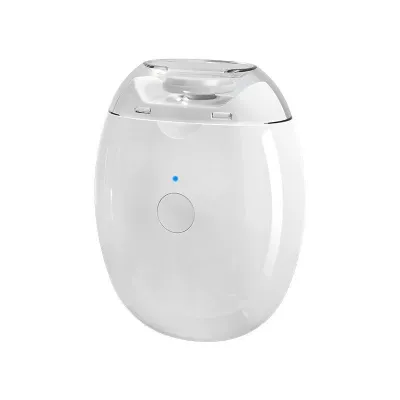
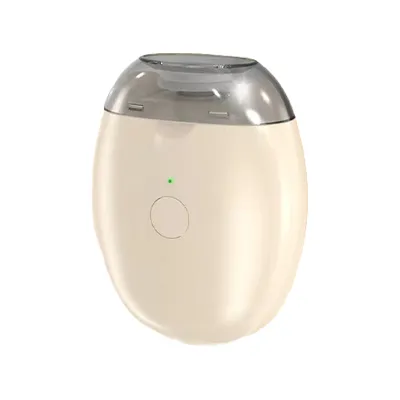
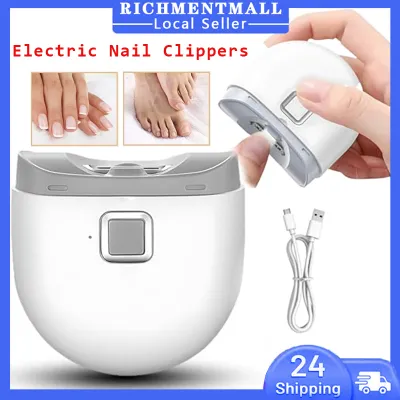
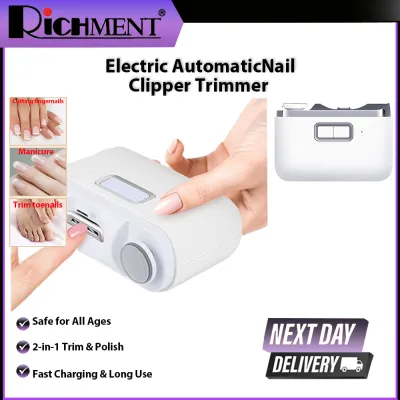
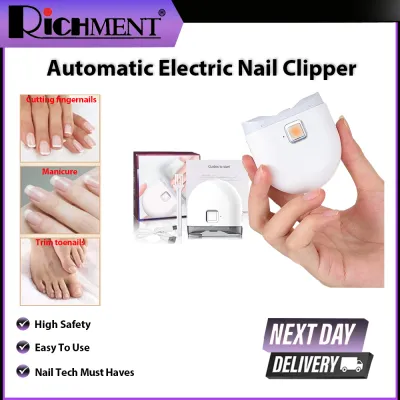
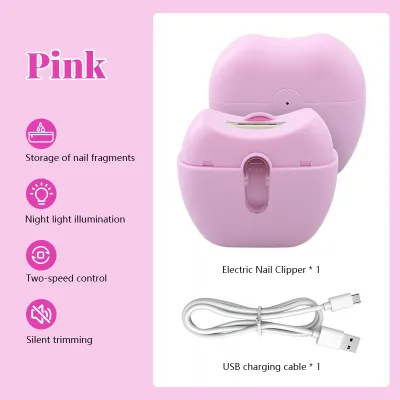
Prices are valid at publication and may change. Please refer to the product page for the latest price.
However, electric trimmers do have a few limitations to keep in mind. The filing process naturally takes slightly longer than a quick snip with manual clippers, requiring a bit more patience from the caregiver. They also rely on power, meaning you must manage battery replacements or keep the device charged. For busy parents in Singapore, keeping spare batteries on hand or choosing a rechargeable model is essential to avoid mid-session power failures.
Key Features to Evaluate When Shopping
When browsing online marketplaces or local baby boutiques in Singapore, you will find a wide variety of electric trimmers. One of the most important features to check is the speed settings. Look for devices that offer at least two speed levels: a low speed for delicate newborn nails and a higher speed for older babies or toddlers with thicker nails. Additionally, dual-rotation directions (clockwise and counterclockwise) are highly beneficial. This feature allows you to change the spin direction depending on which hand you are holding, ensuring the file always moves away from the nail bed rather than pulling against it.

A loud, vibrating motor can easily startle a sleeping or sensitive baby. When evaluating different models, look for specifications regarding motor noise, ideally choosing a device that operates quietly. Low-vibration handles are also crucial, as they prevent your hand from tiring and allow for a steadier, more precise grip during the trimming process.
The physical design of the trimmer handle significantly impacts your control. An ergonomic, curved body with a non-slip grip ensures that the device sits securely in your palm. This is especially important when you are trying to maneuver around tiny fingers while maintaining a gentle touch.
A built-in LED light positioned at the tip of the trimmer is an incredibly useful feature. It illuminates the tiny nail bed, allowing you to work confidently in a dimly lit nursery while your baby sleeps. When comparing price points, which typically range from S$15 to S$40 on local e-commerce platforms, consider the included accessories. A good value kit should come with a durable storage case and a variety of color-coded filing pads tailored to different age groups.
Matching the Trimmer to Your Baby's Age and Nail Type
A baby’s nails change rapidly during their first year of life. For newborns up to three months old, their nails are incredibly soft, pliable, and closely attached to the underlying skin. During this stage, you must use the ultra-fine, softest filing pads, which are usually color-coded for newborns. These pads have a very fine grit that gently smooths the nail without generating excess heat or friction on the highly sensitive nail bed.
As your baby reaches three to six months, their nails begin to harden slightly and grow at a faster rate. At this point, you should transition to the next level of filing pad, which features a slightly more abrasive grit. This allows you to trim the nail efficiently without having to spend an excessive amount of time on each finger, which could cause the baby to become restless.
From six to twelve months and into the toddler years, nails become significantly thicker and tougher. For this stage, firmer, coarser pads are required to effectively file down the nail. Using a pad that is too soft on a toddler’s nail will simply wear out the pad without making much progress, while using a toddler pad on a newborn could easily irritate their delicate skin.
Because color-coding systems and age categories vary widely between different brands, always verify the manufacturer’s specific age recommendations on the product packaging before use. Never assume that a blue or pink pad represents the same age range across different brands.
Safety Checks and Usage Boundaries
Prioritizing safety means establishing a strict routine before every single grooming session. Always inspect the filing pads for signs of wear, tear, or debris buildup before turning the device on. A worn-out pad can expose the hard plastic underneath, which could cause friction burns or uneven filing. If you notice any peeling sandpaper or cracked plastic, replace the attachment immediately.
When operating the trimmer, apply zero to minimal pressure. Let the motor and the rotating pad do the work. Pressing the pad firmly against the nail does not speed up the process; instead, it can cause the motor to stall, generate friction heat, or press the abrasive surface too hard against the surrounding skin. Gently glide the pad across the nail edge in a smooth, continuous motion.
Pay close attention to your baby’s physical cues. Stop the session immediately if your baby shows signs of distress, pulls their hand away, or if you notice the skin surrounding the nail becoming red or warm to the touch. These are clear indicators that the friction is causing discomfort or that the pad is too abrasive for their current skin sensitivity.
It is also important to recognize when home grooming is not appropriate. If your baby’s nails appear unusually thick, discolored, ingrown, or if the surrounding skin shows signs of infection such as swelling, pus, or extreme redness, do not attempt to file or clip them. In these situations, consult a pediatrician or a qualified healthcare professional for proper evaluation and treatment.
A Step-by-Step Routine for Safe Trimming
Establishing a calm routine starts with choosing the right timing. The absolute best time to trim your baby’s nails is during deep sleep, particularly during a nap or shortly after they have fallen asleep for the night. Alternatively, scheduling the session right after a bath is highly effective, as the warm water naturally softens the nails, making them much easier and faster to file down.
To begin, sit in a well-lit area or turn on the trimmer’s built-in LED light. Hold your baby’s hand securely but gently in your palm. Isolate one finger at a time by holding it between your thumb and index finger. Use your thumb to gently push the skin pad of the fingertip downward and away from the nail edge, exposing the entire nail and minimizing any contact between the filing pad and the skin.
Turn the trimmer on to its lowest speed setting first. Hold the device at a slight angle, roughly 50 to 60 degrees relative to the nail. Move the rotating pad gently across the edge of the nail in a single direction rather than sawing back and forth. Keep each contact brief, limiting the filing to a few seconds per nail to prevent friction heat from building up. Once the nail is short and the corners are rounded, move on to the next finger, ensuring you maintain a firm grip throughout.
Cleaning and Maintaining Your Electric Trimmer
Proper maintenance ensures the longevity of your device and prevents the buildup of bacteria. After every trimming session, a small amount of fine nail dust will accumulate on the filing pad and around the rotating head of the device. Use a small, soft-bristled brush—which is often included in the kit—to gently sweep away this dust. Never tap the device hard against a surface to clear the dust, as this can damage the delicate internal motor.
To clean the handle and body of the trimmer, wipe it down with a slightly damp, soft cloth. Avoid using harsh chemical cleaners, alcohol wipes, or submerging the device in water, as these units are rarely waterproof and moisture can easily ruin the internal electronics. Always refer to the manufacturer’s specific cleaning instructions for your particular model.
Singapore’s humid climate makes proper storage particularly important. Always store the trimmer, its attachments, and spare batteries in a dry, clean, and sealed case. This prevents moisture buildup, which can lead to battery corrosion or mold growth on the cushioned filing pads. Keep the storage case out of reach of children to ensure the small attachment heads do not become choking hazards.
Frequently Asked Questions (FAQ)
Can I use an electric nail clipper on a newborn?
Yes, you can use an electric nail trimmer on a newborn, provided you follow the manufacturer’s guidelines carefully. Always check the minimum age labels on the product packaging before your first use. It is absolutely necessary to use the specific ultra-soft newborn filing pad, which is designed to be exceptionally gentle on paper-thin nails and highly sensitive skin. Never use standard infant or toddler pads on a newborn, as their coarser grit can easily cause irritation.
How often should I file my baby's nails?
A baby’s nails grow surprisingly fast, but there is no rigid calendar schedule you must follow. Generally, fingernails grow much quicker than toenails and may require filing once or twice a week to prevent accidental scratching. Toenails grow at a slower rate and typically only need attention once or twice a month. Instead of sticking to a strict timeline, observe the actual length and sharpness of the nails, and file them whenever you notice they are starting to curve or feel sharp.
What should I do if the trimmer stops working mid-session?
If your electric trimmer stops working mid-session, remain calm so you do not startle your baby. First, check the battery levels or ensure the charging cable is properly connected if it is a rechargeable model. Next, verify that the attachment pad is clicked securely into the rotating spindle, as a loose pad can trigger a safety auto-stop mechanism. Avoid trying to manually scrape or file the nail with an unpowered pad, as this can cause uneven edges or pull on the nail. If you cannot resolve the issue immediately, only switch to manual clippers if you are completely confident and your baby remains calm; otherwise, it is best to pause and finish the session later once the device is working.

Community discussion
Share your experience or ask a question. Comments are reviewed before publication.