
Securing drawers in Singapore homes requires matching the lock type to your specific furniture material, local humidity levels, and your child’s developmental stage. Because Singapore’s tropical climate brings high relative humidity, adhesives can degrade faster than in drier environments, making the choice between adhesive strap locks, magnetic locks, and screw-mounted latches a critical decision for parents. To baby-proof effectively, you must evaluate whether your built-in kitchen cabinets or bedroom drawers can handle screw installations, or if you need high-performance adhesives that resist moisture. The ideal solution is rarely a single lock type for the entire home; instead, it involves a strategic mix of magnetic locks for aesthetic areas, strap locks for appliances or curved corners, and hardware-mounted locks for heavy-duty storage.
Key Factors to Consider When Choosing Drawer Locks
Adhesive-mounted locks offer a tool-free setup that appeals to renters and homeowners who want to preserve their furniture’s finish. However, their holding power depends heavily on the surface preparation and the ambient humidity. In Singapore’s warm, humid climate, standard adhesives can soften over time, especially on laminate or veneer surfaces commonly found in modern built-in kitchen cabinets.
Screw-mounted locks provide a permanent, mechanical hold that does not degrade with moisture or heat. They are highly reliable for heavy drawers containing heavy items like pots, pans, or tools. The trade-off is permanent damage to the inside of the cabinet frame or drawer front, which may not be acceptable for rented properties or high-end solid wood furniture.
Products mentioned in this guide
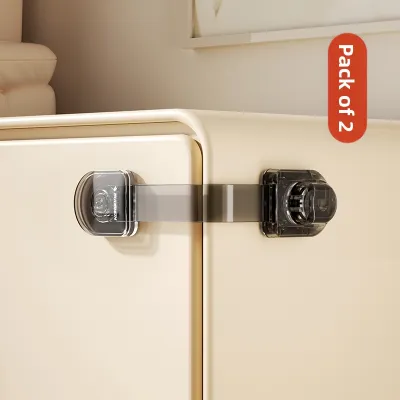
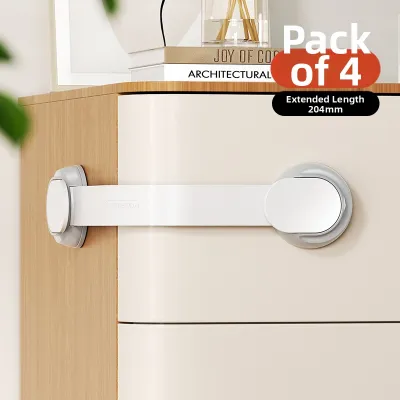
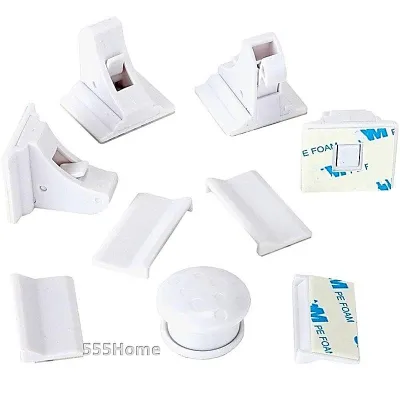
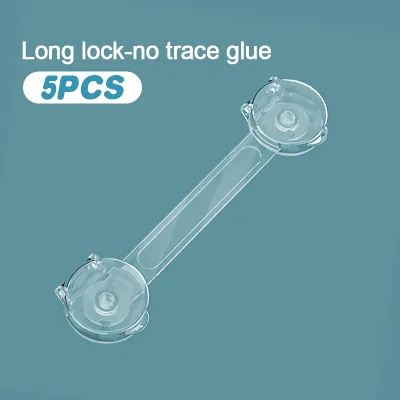
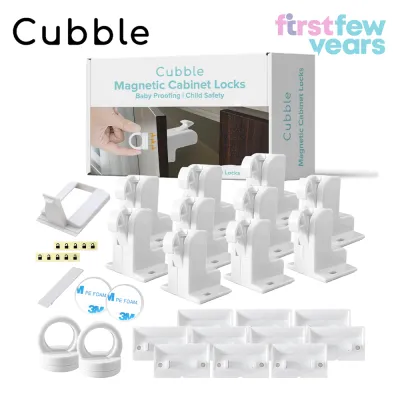
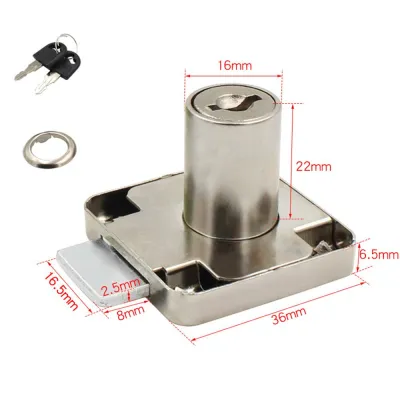
Prices are valid at publication and may change. Please refer to the product page for the latest price.
Magnetic locks remain completely hidden inside the drawer, preserving the clean lines of your furniture. They require a magnetic key to open, which keeps curious toddlers from figuring out the mechanism, but it also means adults must carry or locate the key every time they need access.
Latch locks, often featuring a spring-loaded hook, allow the drawer to open slightly before catching. The adult must press down on the latch through the gap to release it. While convenient, this gap can sometimes allow small fingers to get pinched if the child pulls the drawer open forcefully before the latch catches.
Strap locks are highly versatile and can bend around corners, making them suitable for curved drawers, cabinets, or even appliances like refrigerators and microwaves. They are visible on the exterior, which some parents find less aesthetically pleasing, but they provide an immediate visual confirmation of whether the drawer is locked.
Before purchasing any lock, check the manufacturer’s specifications for the maximum drawer thickness it can accommodate. This is particularly crucial for magnetic locks, as the magnetic force must be strong enough to penetrate the drawer front to release the internal latch. Look for locks made from robust, non-toxic plastics like ABS, which can withstand repeated pulling forces without snapping. Verify the recommended weight limits or pull-force ratings if provided by the manufacturer to ensure the lock can resist the strength of an active toddler.
Types of Drawer Locks and Their Best Use Cases
Understanding the structural differences between magnetic, adhesive, and mechanical locks is the first step toward creating a secure home environment. Each type serves a distinct purpose, and matching them to the correct furniture style ensures both safety and convenience.

Magnetic Locks
Magnetic locks are ideal for standard wooden drawers and cabinets where you want to maintain a clean, uncluttered exterior. Because they install entirely on the inside of the drawer, they are invisible from the outside, preventing children from being attracted to the lock itself.
These locks work best on flat, non-magnetic surfaces such as solid wood, MDF, or plywood. Avoid installing them on drawers with internal metal frames, metal drawer slides, or steel reinforcement, as the metal can interfere with the magnetic field and prevent the lock from releasing.
A key operational consideration is the management of the magnetic key. You must store the key on a high surface, such as a magnetic wall mount or the top of the refrigerator, completely out of your child’s reach. It is highly recommended to verify if the manufacturer offers backup keys or a manual bypass mode that allows you to temporarily disable the locking function when the child is not around.
Adhesive Strap and Latch Locks
Adhesive strap and latch locks are the go-to solution for quick installation and versatile placement. They are particularly useful for securing drawers with unusual shapes, curved edges, or double-door configurations where internal locks cannot be mounted. Because they do not require drilling, they are highly popular among families living in rented apartments.
For these locks to bond effectively, the mounting surface must be completely smooth, clean, and non-porous. Glass, metal, polished plastic, and sealed laminates are excellent candidates for adhesive bonding, whereas unfinished wood, textured wallpaper, or peeling paint will not support the adhesive under tension.
While they eliminate the need for drilling, parents must weigh the convenience against the eventual removal process. High-strength adhesives can leave a stubborn residue or, in some cases, lift the veneer or paint off low-quality laminate furniture when removed.
Screw-Mounted and Sliding Locks
Screw-mounted and sliding locks are designed for maximum physical security and long-term durability. They are best suited for heavy-duty drawers, utility cabinets, or workshops where heavy or sharp objects are stored and adhesive locks might fail under sudden force.
Installing these locks requires basic tools, such as a drill and screwdriver, and a steady hand to ensure precise alignment between the latch and the catch. You must carefully measure the internal clearance of the drawer to ensure the mounted hardware does not obstruct the drawer’s sliding tracks or catch on the items stored inside.
Sliding locks, which typically wrap around double cabinet knobs or D-shaped handles on the exterior, require no permanent installation at all. They are highly effective but are limited strictly to adjacent pairs of handles and must be manually removed and replaced every time you access the cabinet.
Installation and Furniture Compatibility Checks
Before purchasing or installing any drawer locks, conduct a thorough audit of your furniture materials. Solid wood, wood veneer, glass, metal, and laminate all react differently to adhesives and hardware installation.
For adhesive locks, surface preparation is the single most critical factor determining success, especially in Singapore’s humid environment. Clean the target area thoroughly with rubbing alcohol to remove grease, dust, and fingerprint oils, then allow it to dry completely. Avoid using household glass cleaners or multi-surface sprays, as they often leave a thin residue that prevents the adhesive from bonding fully.
Once the adhesive is applied, press and hold the lock firmly against the surface for the duration recommended by the manufacturer, typically at least 30 seconds. Most high-strength adhesives require a curing period of 24 hours before they reach full strength; do not test or pull on the lock during this window, and keep drawers empty or supervised until the cure is complete.
For screw-mounted locks, always pre-drill pilot holes to prevent the wood or laminate from splitting. Check the thickness of the drawer frame carefully to ensure the screws provided by the manufacturer will not pierce through to the exterior face of the furniture.
Define clear stop conditions: if your furniture is an antique, features a delicate veneer, is made of tempered glass, or has an explicit manufacturer care label warning against adhesives or drilling, halt the installation immediately. In such cases, consult the furniture manufacturer or seek alternative baby-proofing solutions, such as external sliding locks or freestanding safety barriers, to avoid permanent damage.
Building Your Baby-Proofing Shortlist
When searching for drawer locks on online marketplaces or at local baby specialty stores in Singapore, establish a clear filtering framework to narrow down your options. Start by measuring your drawer fronts, frame clearance, and handle spacing to ensure physical compatibility with the locks you are considering.
Consider the frequency of adult access required for each drawer. For high-traffic areas like kitchen cutlery drawers or daily-use changing tables, look for locks that feature a convenient one-handed operation or a temporary “off” switch. This allows you to disable the lock during heavy cooking sessions and re-engage it easily afterward, balancing child safety with adult convenience.
Verify the manufacturer’s stated age and developmental stage recommendations on the product packaging. Some basic latches are easily bypassed by older toddlers who have developed advanced fine motor skills, whereas magnetic or dual-button strap locks typically offer longer-lasting security.
Check the product listings to ensure all necessary installation accessories are included in the package. A complete kit should ideally feature alignment templates for internal locks, spare adhesive pads for relocation, and a sufficient number of magnetic keys if you choose a magnetic system.
Maintenance and Safety Checks
Baby-proofing is not a one-time task; it requires ongoing vigilance to ensure the safety devices remain functional as your child grows and becomes stronger. Establish a routine monthly schedule to inspect every installed drawer lock in your home.
Perform a visual and physical check on all adhesive locks to look for signs of peeling, lifting edges, or cracking plastic. In Singapore’s humid climate, adhesives can gradually lose their grip, especially on drawers that are opened frequently or exposed to kitchen steam. Give each lock a firm tug to verify that the bond remains secure and can withstand a child’s pulling force.
For hardware-mounted locks, check that the mounting screws remain tight and have not stripped the wood fibers inside the pilot holes. Loose screws can cause the latch to misalign, preventing it from catching properly when the drawer is closed.
Clean the lock mechanisms regularly to prevent dust, lint, or kitchen grease from accumulating in the moving parts. Use a dry or slightly damp microfiber cloth to wipe down the latches, avoiding harsh chemical cleaners that could degrade the plastic or weaken the adhesive backing.
Define immediate replacement triggers: if a latch becomes stiff, a strap shows signs of fraying or stretching, or a magnetic mechanism fails to spring back into the locked position, replace the unit immediately. Most importantly, if you observe your child successfully bypassing or opening a locked drawer, stop using that specific lock type and upgrade to a more complex mechanism immediately.
Frequently Asked Questions (FAQ)
Can drawer locks be removed without damaging the furniture?
Yes, drawer locks can generally be removed without permanent damage, but the method depends entirely on the lock type. For adhesive locks, applying gentle heat from a hair dryer can soften the adhesive backing, allowing you to slowly peel the lock away from the surface. Use a plastic scraper or an old credit card to lift the edges, and clean any remaining sticky residue with a mild adhesive remover or vegetable oil, checking your furniture manufacturer’s care guidelines first to ensure the cleaner will not strip the finish. For screw-mounted locks, removal will leave small screw holes; these can be filled with color-matched wood putty or wax sticks to minimize their appearance on wooden cabinet frames.
Are magnetic drawer locks safe for babies?
Magnetic drawer locks are highly safe for babies because the entire locking mechanism is installed completely inside the drawer, leaving no exposed parts for little fingers to pinch or pull. However, the safety of a magnetic lock system depends entirely on proper key management. The magnetic keys themselves are small and can pose a serious choking hazard if left within a child’s reach. Always store the magnetic keys on a high, secure surface, such as a magnetic mount placed well above adult shoulder height, and ensure that older siblings understand the keys are safety tools, not toys.

Community discussion
Share your experience or ask a question. Comments are reviewed before publication.