
Finding the right disposable waterproof sheet for your changing table is a matter of matching precise physical dimensions with the specific design of your changing station. A secure fit prevents the sheet from sliding, bunching, or leaving gaps that expose the underlying pad to moisture and soil. By measuring your setup accurately and verifying product labels for material safety, you can ensure a clean, stable, and comfortable surface for every diaper change.
Measure Your Changing Table and Identify the Design Type
Before purchasing any disposable waterproof sheets, you must obtain the exact measurements of your changing surface. Using a flexible measuring tape, measure the length and width of the flat area where your baby lies. If your changing table features a safety frame or raised wooden barriers, measure the interior dimensions of the frame rather than the exterior edges to ensure the sheet fits flat within the space. For changing pads with curved or contoured profiles, you must measure up and over the curved edges to determine the total surface area that requires coverage.
Identifying the specific design type of your changing table is the next crucial step. Standard flat changing tables typically feature a simple, rectangular surface that accommodates a flat mattress or pad. Contoured changing tables, on the other hand, utilize pads with raised sides—often two or three elevated edges—designed to help keep your baby centered during changes. Portable or foldable travel tables often have compact, lightweight frames with fabric surfaces that may sag slightly under weight. Each of these designs interacts differently with disposable liners, making design identification essential for a secure fit.
Products mentioned in this guide
![[SG Seller]Disposable Sheet Waterproof/baby changing pad/Underpads/maternity pad/diaper changing pad/Pet pad/diaper chan](https://img.lazcdn.com/g/p/98b6308018da96ec0e340934b88f4b41.png_400x400q80.png_.webp)
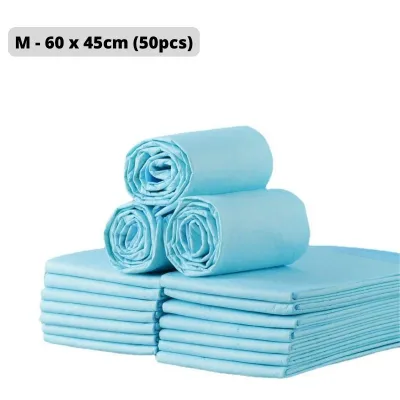

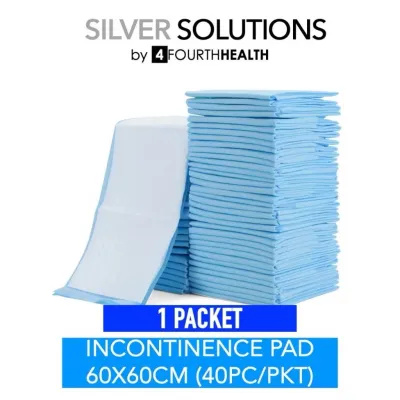
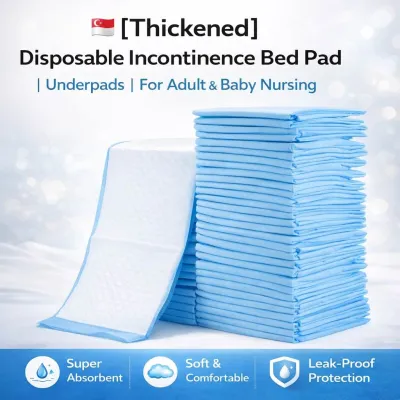
Prices are valid at publication and may change. Please refer to the product page for the latest price.
Always consult your changing table manufacturer’s user manual or official specifications before selecting a liner. Many manufacturers provide recommended dimensions for compatible pads and sheets, along with specific safety warnings regarding maximum pad thickness or the use of third-party accessories. Using a sheet that is too large can drape over the sides of the table, potentially interfering with safety straps or creating a pulling hazard if caught on nearby objects. Conversely, a sheet that is too small will leave vulnerable areas of the changing pad exposed to stains and moisture.
Match Sheet Features to Your Changing Table Design
Once you have identified your changing table’s design and dimensions, you can begin matching these specifications to the physical features of various disposable waterproof sheets.

Standard Flat and Portable Folding Tables
For standard flat surfaces and portable folding tables, preventing the disposable sheet from sliding is your primary challenge. Because flat surfaces lack raised edges to corral a loose liner, any movement from an active infant can cause a standard sheet to bunch up or slide out of place. This sliding not only exposes the changing pad to potential messes but can also startle your baby or create an unstable surface during a diaper change.
To mitigate this issue, check the product packaging of disposable sheets for non-slip backing indicators or adhesive strip features. Many high-quality disposable liners are equipped with small adhesive tabs on the underside corners, allowing you to secure the sheet directly to the flat changing pad. Alternatively, look for sheets that feature a textured, high-friction backing material designed to grip smooth vinyl or fabric surfaces without sliding.
If you frequently use a portable folding table or change your baby on the go, consider compact, travel-sized disposable options. These sheets are specifically folded and packaged to fit easily into diaper bags, and they are often sized slightly smaller to match the compact dimensions of travel changing mats. Using a full-sized household sheet on a small portable table often leads to excessive overhang, which can easily catch on clothing or diaper bag straps.
Contoured Tables with Raised Edges
Contoured changing pads present a unique fit challenge because of their sloped, three-dimensional surfaces. If you place a stiff, standard flat disposable sheet over a contoured pad, the sheet will bridge the gap between the raised edges, leaving an empty pocket of air underneath. When you place your baby down, their weight will force the sheet into the contour, causing the material to pull, slide, or even tear at the edges.
To avoid this, look for disposable waterproof sheets that are specifically labeled for use with contoured pads, or select sheets that offer extra width and material flexibility. The sheet must be pliable enough to conform naturally to the sloped sides of the pad without lifting at the corners or creating tight, suspended sections.
When evaluating these sheets, verify that the material is soft and elastic enough to stretch slightly without compromising the integrity of the waterproof backing. If a sheet is stretched too tightly over a contoured edge, the thin plastic or polymer backing can develop micro-tears. These tiny ruptures are often invisible to the naked eye but will allow liquids to seep through directly onto your changing pad, defeating the purpose of the waterproof barrier.
Evaluate Material, Absorbency, and Safety Labels
Because disposable waterproof sheets come into direct contact with your baby’s delicate skin, evaluating the material composition and safety labels on the packaging is a critical step in the selection process.
Start by reading the packaging to understand the construction of the sheet’s layers. A reliable disposable sheet typically consists of three distinct layers: a soft, hydrophilic top sheet that draws moisture away from the skin; an absorbent middle core made of wood fluff pulp or superabsorbent polymers; and a liquid-proof outer backing. Look for packaging diagrams or specifications that detail these layers, ensuring the backing is made of a durable, leak-proof material such as polyethylene or a similar waterproof polymer.
Next, carefully examine the product label for skin safety certifications and testing marks. Because infant skin is highly sensitive and prone to irritation, look for labels indicating that the product is dermatologically tested, hypoallergenic, or pediatrician-approved. Keep in mind that these terms are not universally standardized, so they should be treated as helpful indicators to verify rather than absolute guarantees of safety. If your baby has known skin sensitivities or conditions like eczema, consult a qualified healthcare professional for specific material recommendations.
Additionally, prioritize sheets that are explicitly labeled as fragrance-free, dye-free, and chlorine-free. Added fragrances and chemical dyes are common culprits for skin irritation and allergic reactions in the diaper area, where moisture and friction can exacerbate sensitivity. Checking the ingredient list or product specifications on the packaging ensures you are not introducing unnecessary chemicals to your baby’s changing environment.
Build Your Purchase Shortlist and Verify the Fit
With your measurements and material preferences in hand, you can begin building a shortlist of potential products and verifying their performance in your home.
When searching for disposable waterproof sheets on online marketplaces, e-commerce platforms, or local baby specialty stores, use your measured dimensions as strict search filters. Avoid relying solely on generic product titles like “one-size-fits-all” or “universal changing pad liners,” as these terms rarely account for the wide variety of changing table designs. Instead, look for the exact length and width specifications listed in the product descriptions to ensure a precise match.
Once you have filtered for size, compare pack sizes and calculate the cost-per-sheet to manage your household budget. A newborn may require up to ten or twelve diaper changes a day, meaning your sheet consumption can accumulate rapidly. Calculating the cost-per-sheet helps you determine whether purchasing bulk packs is more economical than buying smaller, trial-sized packages, especially when planning your monthly baby care expenses in S$.
Before fully relying on a new brand of disposable sheets, perform a first-use checklist to verify the fit and safety of the product:
- Place the sheet on your changing table and check that it covers the entire usable surface without overhanging the edges.
- Press down on the sheet and slide your hand across it to ensure it does not slip or bunch up easily.
- Verify that the sheet does not block access to the changing table's safety straps or harness.
- Pour a small amount of water onto a sample sheet to observe its absorbency rate and confirm that no moisture seeps through the waterproof backing.
If you observe any slipping hazards, persistent bunching, or skin redness after using a specific sheet, stop using it immediately. If fit issues continue to occur despite using correctly sized sheets, consult your changing table manufacturer to ask for recommended liner brands or alternative changing pad configurations that ensure a secure, stable setup.
Frequently Asked Questions (FAQ)
Can I use a disposable waterproof sheet on a wooden changing table without a pad?
It is not recommended to place a disposable waterproof sheet directly on a bare wooden changing table surface. First, check the backing material of the disposable sheet; some textured plastic backings can scratch, scuff, or wear down the protective finish of wooden furniture over time.
More importantly, a bare wooden surface lacks the necessary cushioning and support required for your baby’s comfort and safety. A dedicated, wipeable changing pad should always be placed on the wooden table first, with the disposable sheet used as an additional protective layer on top of the pad.
Furthermore, smooth wooden surfaces offer very little traction, which significantly increases the risk of the disposable sheet slipping or sliding during a diaper change. Using a proper changing pad underneath provides a high-friction surface that helps keep the disposable sheet securely in place.
How do I know when it is time to change the disposable sheet during a diaper change?
You should replace the disposable waterproof sheet immediately if you observe any visual or tactile signs of saturation. Look for visible wet spots, pooling liquid, or discoloration on the top layer of the sheet, and feel the surface to check if the absorbent core has become damp or heavy.
As a general hygiene rule, always replace the disposable sheet immediately after any bowel movement, significant wetness, or if the sheet becomes soiled with diaper creams or ointments. Even if the sheet appears mostly dry, a soiled liner can harbor bacteria and moisture that can irritate your baby’s skin during subsequent changes.
When disposing of a used sheet, fold the soiled sides inward to contain any mess, roll the sheet up tightly, and place it in a designated household waste bin. Never attempt to flush disposable waterproof sheets down the toilet, as the waterproof backing material is non-biodegradable and will cause severe blockages in your home’s plumbing system.

Community discussion
Share your experience or ask a question. Comments are reviewed before publication.