
Selecting a suitable diaper changing bag depends heavily on the duration of your outing and how much gear your baby requires. A quick trip to the local supermarket or a nearby playground demands speed, lightweight mobility, and instant access to essentials. In contrast, a full-day family excursion requires maximum storage capacity, structured organization, and ergonomic support to prevent physical strain over hours of carrying. Balancing these needs does not necessarily mean buying multiple expensive bags; instead, it involves understanding which features serve specific travel scenarios and learning how to adapt your gear to different routines.
Essential Diaper Changing Bag Features for Quick Errands
For short trips lasting under two hours, carrying a bulky, fully loaded backpack is often more of a hindrance than a help. When you are popping out for a quick doctor’s appointment or running a brief errand at a nearby mall, your primary goal is agility. Lightweight, compact bag styles like crossbody bags, compact diaper clutches, or small totes keep your hands free and your movement unrestricted. These smaller profiles prevent you from overpacking unnecessary items that only add physical weight.
Quick-access exterior pockets are critical during short outings. When a sudden mess occurs, you do not want to rummage through a deep, dark main compartment to find a single wipe. Look for bags that feature dedicated external slip pockets or magnetic-closure compartments designed specifically for high-frequency items. Having wet wipes, hand sanitizer, and a couple of spare diapers within arm’s reach allows you to handle quick changes efficiently without disrupting your momentum.
Products mentioned in this guide
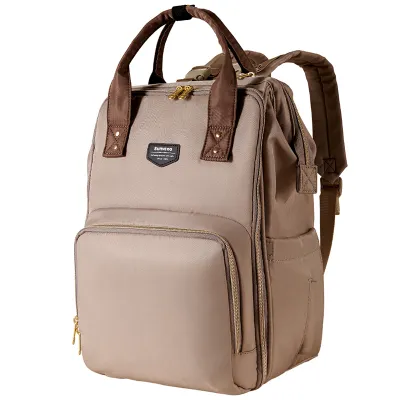
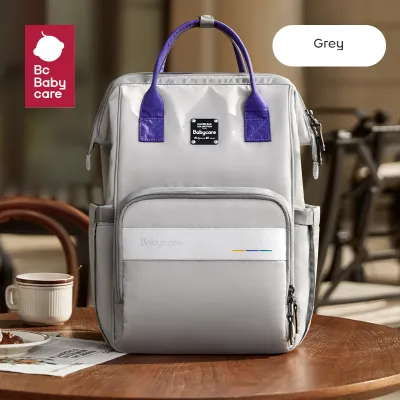
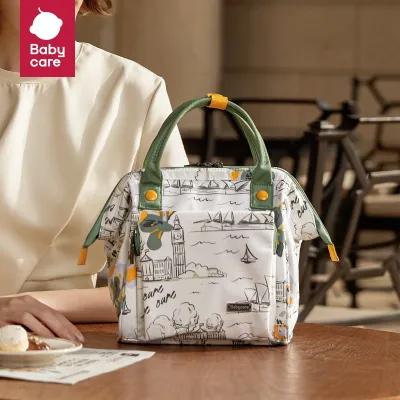
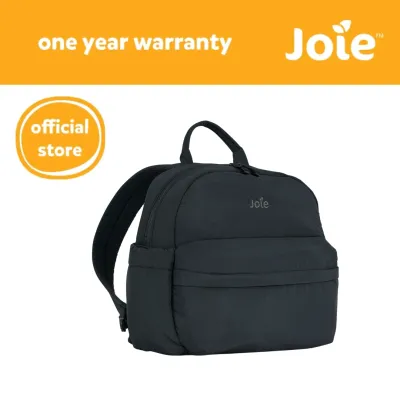
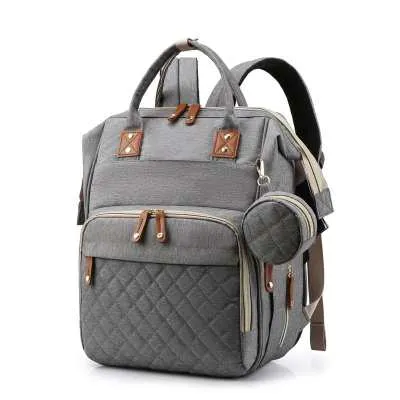
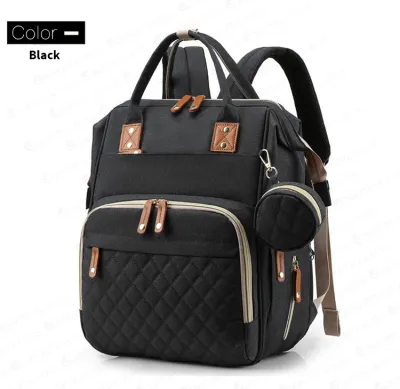
Prices are valid at publication and may change. Please refer to the product page for the latest price.
Strap comfort and closure mechanisms also play a distinct role in short-duration trips. Since you will not be wearing the bag for extended periods, you can prioritize quick-release buckles, simple hook-and-loop fasteners, or magnetic snaps over complex, heavy-duty harness systems. A simple, adjustable shoulder strap or a wristlet strap is often sufficient. However, it is still wise to check that the strap materials do not chafe against your skin or slide off your shoulder easily when you are lifting your baby.
Must-Have Features for Full-Day Family Outings
Spending an entire day away from home, whether exploring a nature park or visiting family across town, requires a completely different approach to packing. A high-capacity diaper changing bag must support several hours of supplies while keeping you physically comfortable. Ergonomic carrying styles, particularly padded backpacks with wide, contoured shoulder straps, are highly recommended for extended wear. Backpacks distribute the total weight evenly across your shoulders and back, reducing the risk of localized muscle fatigue and posture strain.

Temperature control and hygiene management become paramount during long outings. Look for bags equipped with dedicated, insulated compartments to keep milk, formula, or baby food at appropriate temperatures. Because moisture and spills are inevitable over a long day, verify that the bag includes separate, water-resistant zones or wet bags to isolate soiled clothing and damp bibs from clean items. This separation prevents cross-contamination and keeps the rest of your gear dry and odor-free.
A reliable full-day bag must also feature integrated or easily accessible storage for a portable changing pad. When public changing stations are unavailable or do not meet your cleanliness standards, having a clean, padded surface ready to unfold is essential. Additionally, inspect the bag’s main closures and base materials. Secure zippers prevent items from spilling out during transit, while a durable, water-resistant, and easily wipeable base protects the bag when placed on damp grass, park benches, or restroom floors.
Matching Organization and Insulation to Your Trip Duration
The internal layout of your diaper changing bag should directly align with your feeding routine and the complexity of your gear. For short trips, a minimal, open-concept layout with one or two large sections works well because you only need to locate a few items quickly. However, for full-day trips or when managing multiple children, a multi-compartment design is indispensable. Dedicated pockets for diapers, creams, spare clothes, toys, and personal items like keys and wallets keep the interior structured, saving you from frustrating search sessions.
Insulation needs vary significantly based on your baby’s feeding method and how long you plan to be away. If you are formula-feeding or using expressed breast milk, insulated pockets help maintain temperature stability during transit. Always consult the manufacturer’s care labels for specific material limits, as some insulated linings cannot tolerate high temperatures or harsh cleaning agents. For longer trips, you may need to supplement the bag’s built-in insulation with reusable ice packs, ensuring they fit securely within the designated compartments without crowding other essentials.
Rather than relying on a single, rigid internal layout, plan flexible packing strategies that adapt to your schedule. You can use color-coded pouches or small organizing bags to group items by function, such as a ‘changing kit’ and a ‘feeding kit’. This modular approach allows you to slide entire sections out of the bag depending on the immediate need, making it simple to transition from a quick diaper change in a cramped space to a full feeding session at a restaurant table.
Can One Diaper Changing Bag Handle Both Scenarios?
You do not necessarily need to purchase two separate diaper bags to cover both quick errands and full-day trips. Many parents successfully use a single, versatile bag or a modular system to handle both scenarios. One effective strategy is utilizing modular inserts, packing cubes, or detachable pouches. By packing your essentials into distinct, removable organizers, you can easily scale your bag’s capacity up or down. For a quick errand, you can simply grab the diaper clutch insert; for a full day out, slide the entire set of cubes into your main backpack.
Convertible strap designs offer another excellent way to achieve dual-purpose utility. Some modern diaper changing bags feature adjustable strap configurations that allow you to switch seamlessly between a classic tote, a crossbody bag, and a fully supportive backpack. This flexibility means you can configure the bag as a lightweight shoulder tote for a quick trip to a nearby cafe, and then convert it into a balanced backpack when you need to carry a heavier load for a day-long family outing.
Alternatively, you can adopt a base packing approach using a single high-capacity bag. Under this strategy, you keep the large bag partially filled with only the absolute essentials for short trips, which keeps the overall weight and bulk to a minimum. When a full-day outing is planned, you simply fill the remaining empty space with extra clothing, additional bottles, and toys. This method eliminates the need to constantly transfer items between different bags, reducing the risk of accidentally leaving crucial supplies behind.
Frequently Asked Questions (FAQ)
How should I clean and maintain the interior of a diaper changing bag?
To maintain the hygiene and longevity of your diaper changing bag, always check the manufacturer’s label for specific washing and care instructions. Most bags feature water-resistant interior linings that can be spot-cleaned using a soft cloth, warm water, and a mild, baby-safe detergent. Avoid harsh chemical cleaners or bleach, which can degrade the protective coatings and irritate sensitive skin. After cleaning, open all compartments fully and allow the bag to air dry completely in a well-ventilated area away from direct sunlight to prevent mold, mildew, and persistent odors.
Do I need a bag with a built-in changing pad for every outing?
A built-in changing pad is highly convenient but not strictly necessary for every trip. If you are running a quick errand to a location with well-equipped, clean public baby care rooms, you might choose to leave the pad behind to save space. However, for outdoor excursions or destinations with unpredictable facilities, carrying a portable, standalone changing pad is highly recommended. Before purchasing a separate pad, check your diaper bag’s internal dimensions to ensure the pad can lie flat or fold compactly inside without taking up excessive storage space.

Community discussion
Share your experience or ask a question. Comments are reviewed before publication.