
In Singapore’s hot and humid climate, managing household waste requires careful planning, especially when welcoming a new baby. A dedicated diaper bin is designed specifically to isolate and neutralize the strong odors associated with soiled diapers, preventing unpleasant smells from escaping into your living space. Unlike standard household trash cans, these specialized systems utilize advanced sealing mechanisms, airtight gaskets, and specialized liners to trap volatile organic compounds and moisture. Choosing the right diaper bin for your home involves balancing the initial cost of the unit against ongoing refill expenses, while also considering the physical layout of your nursery.
For parents living in compact HDB flats or condominiums, a diaper bin is not just a convenience but a necessity for maintaining indoor air quality. Because tropical heat accelerates the decomposition of organic waste, standard bins can quickly become a source of persistent odors that drift into nearby bedrooms and living areas. By understanding how different sealing technologies work and how they perform under local environmental conditions, you can select a system that keeps your nursery fresh and hygienic without requiring multiple daily trips to the central rubbish chute.
How Different Diaper Bins Trap and Neutralize Odors
To choose an effective diaper bin, it is helpful to understand the mechanical and chemical barriers used to contain odors. The most common defense is a combination of mechanical seals and airtight lids. High-quality bins often feature heavy-duty rubber gaskets along the rim of the lid, which compress when closed to create an airtight barrier. Some designs employ spring-loaded clamp systems or step-and-close mechanisms that automatically seal the inner compartment the moment you release the foot pedal, ensuring that odor-laden air is not pushed back into the room during subsequent uses.
Products mentioned in this guide
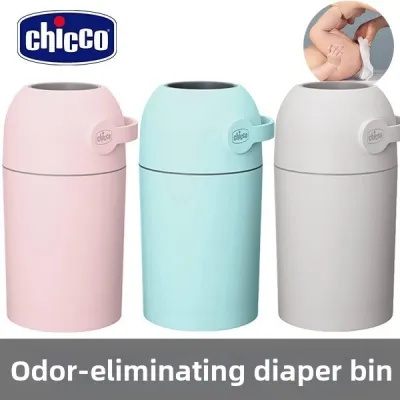
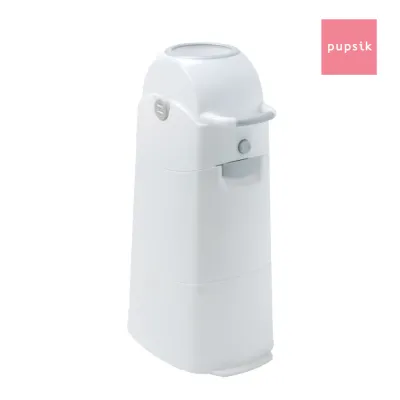
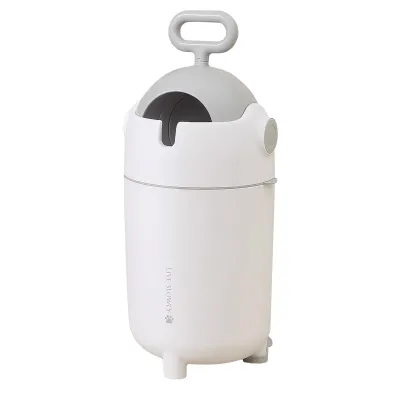
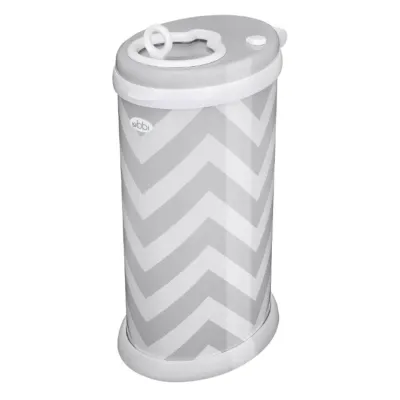
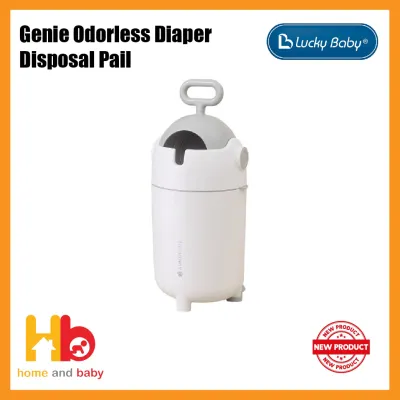
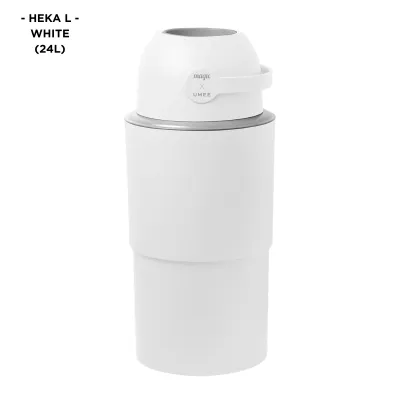
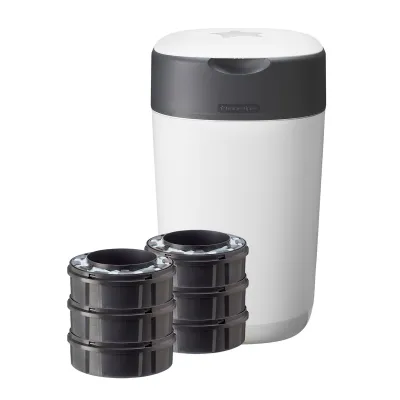
Prices are valid at publication and may change. Please refer to the product page for the latest price.
Another critical layer of defense is the integration of activated carbon filters. These filters contain highly porous carbon material that adsorbs airborne particles and volatile organic compounds (VOCs) responsible for foul smells. Unlike simple scented covers that merely mask odors, activated carbon chemically binds the odor molecules to its massive internal surface area, neutralizing them before they can seep through the seals. This filtration is particularly valuable in closed, air-conditioned nurseries where air circulation may be limited.
Physical isolation is also achieved through water-seal or trap-door designs. These systems utilize a double-door mechanism: when you drop a diaper into the top opening, it rests on a trap door; pressing a lever or closing the outer lid opens the trap door, allowing the diaper to fall into the main collection bag below. Because the top opening is never directly exposed to the main waste compartment at the same time, the rush of smelly air that typically escapes when opening a standard bin is physically blocked from entering the room.
Finally, the choice of bag system plays a major role in long-term odor containment. Continuous bag systems use a long, tubular plastic liner that you tie off at the bottom; when the bin is full, you cut the bag using a built-in safety blade, tie a new knot, and continue using the roll. Individual-wrap sealing systems, on the other hand, use a mechanism that twists the liner after each diaper is inserted, wrapping each soiled diaper in its own airtight plastic pocket. While individual wrapping offers superior isolation by preventing diapers from touching one another, it generally consumes more plastic and requires more frequent cartridge replacements.
Matching Bin Features to Your Nursery Space and Routine
When selecting a diaper bin for a Singapore home, physical space is often a primary constraint. Nursery rooms are frequently multi-functional, meaning a bin with a large footprint can quickly make a room feel cluttered. You must balance the bin’s physical dimensions with its holding capacity. A slim, tall bin can fit neatly between a changing table and a wardrobe, holding up to thirty diapers before needing to be emptied, which minimizes daily trips to the building’s shared disposal chute while preserving valuable floor space.

Singapore’s high relative humidity, which frequently exceeds 80 percent, introduces unique challenges for waste storage. High humidity accelerates the growth of mold, mildew, and bacteria on organic matter, which can cause odors to intensify rapidly. When evaluating diaper bins, look for materials that resist moisture absorption and are easy to sanitize. High-density plastics treated with antimicrobial additives or powder-coated steel are excellent choices, as they do not absorb odors over time and can withstand regular wiping down without rusting or degrading in the humid air.
Hygiene during diaper changes is another critical factor, making hands-free operation highly desirable. When you are managing a wriggling infant on a changing mat, you need to keep at least one hand on your baby for safety. Bins equipped with robust foot pedals or motion-activated sensors allow you to dispose of soiled diapers without touching the bin’s exterior. This hands-free functionality minimizes the risk of cross-contamination and keeps the outer surfaces of the bin cleaner for longer periods.
Before committing to a specific model, it is essential to calculate the long-term refill economics. Many highly effective diaper bins require proprietary film cassettes or cartridges, which can cost anywhere from S$10 to S$25 per refill depending on the brand and pack size. Over the course of a baby’s first two years, these recurring costs can easily surpass the initial price of the bin itself. Parents should compare the local availability and pricing of these proprietary refills against bins designed to accept standard, inexpensive grocery bags or generic trash liners, keeping in mind that standard bags may offer slightly less odor protection.
Which Diaper Bin System Fits Your Daily Routine?
To help you decide which setup aligns best with your lifestyle, it is helpful to categorize diaper bins into three primary systems. Each system offers distinct advantages depending on your budget, space constraints, and how often you prefer to empty the trash.
High-capacity continuous bag systems are ideal for busy households or families with multiple children in diapers. These systems allow you to maximize the storage capacity of the bin, holding dozens of diapers before requiring a bag change. Because you only cut and tie the bag when the bin is completely full, you reduce plastic waste compared to individual-wrap systems. This setup is highly convenient for those who want to minimize their trips to the condominium bin room or HDB rubbish chute, though the accumulated waste can become heavy over time.
Compact individual-wrap systems are best suited for smaller nurseries or for parents who are highly sensitive to odors. By twisting and sealing each diaper individually in a multi-layer, odor-barrier film, these bins ensure that no smell escapes even when the lid is opened. This system is particularly useful during the newborn stage when diaper changes are frequent, or in homes where the nursery is located close to the dining or living areas. However, the specialized cartridges can be more expensive and may require more frequent purchasing from local baby stores or online marketplaces.
Standard lidded bins equipped with carbon filters offer a practical, budget-friendly alternative. These bins do not require expensive proprietary refills, allowing you to use standard local grocery bags or biodegradable trash liners. They rely on tight rubber seals and a replaceable carbon filter mounted inside the lid to manage odors. While highly economical, these systems generally require more frequent emptying—ideally daily—to prevent odors from building up and escaping when the lid is opened, making them a great choice for disciplined routines.
| Bin Category | Capacity | Refill Type | Primary Odor-Control Method | Space Requirements |
|---|---|---|---|---|
| Continuous Bag System | High (approx. 30–40 diapers) | Proprietary continuous liner | Double-seal trap door and thick, scented film | Moderate footprint, taller profile |
| Individual-Wrap System | Medium (approx. 20–25 diapers) | Proprietary twist cassettes | Individual twisting and sealing of each diaper | Compact footprint, fits under changing tables |
| Lidded Bin with Carbon Filter | Low to Medium (approx. 15–30 diapers) | Standard trash bags or generic liners | Rubber gaskets and activated carbon adsorption | Versatile, slim or wide options available |
Keeping Your Diaper Bin Clean and Odor-Free
Maintaining a diaper bin requires a consistent cleaning routine to prevent lingering odors from bonding to the interior surfaces. It is recommended to perform a deep clean of the bin at least once a week. Start by emptying the bin completely and washing both the interior and exterior with warm water and a mild, baby-safe dish soap or a diluted white vinegar solution. Avoid using harsh chemical bleach or abrasive scrubbing pads, as these can degrade the rubber seals, scratch plastic surfaces, and strip away protective coatings, making the material more porous and susceptible to absorbing odors.
If your diaper bin utilizes an activated carbon filter, keeping track of its lifespan is essential for continuous odor control. Many manufacturers include a visual indicator, such as a color-changing strip, to show when the filter is saturated. In Singapore’s humid climate, carbon filters may saturate faster than the standard manufacturer estimate because they adsorb ambient moisture alongside odor molecules. If you notice a faint, persistent smell even when the bin is empty, it is likely time to replace the filter, following the specific replacement steps outlined in your product manual.
Over time, you may encounter minor operational issues such as jammed bag mechanisms, lingering smells, or pedal stiffness. If the bag cutting mechanism jams, check for plastic residue or debris that may be blocking the blade, and clean it carefully with a dry cloth. For stiff pedals, inspect the base of the bin to ensure no small objects or dust have accumulated in the hinge mechanism. If a plastic bin has absorbed odors that do not wash away, placing the empty bin in a well-ventilated area or under direct sunlight for a few hours can help neutralize the smell naturally.
Always prioritize safety by keeping the diaper bin out of reach of toddlers who are beginning to pull themselves up or walk. The heavy lids, mechanical parts, and plastic liners pose potential safety hazards if played with unsupervised. If you notice structural damage, such as a cracked outer casing, a torn rubber gasket, or a broken latch that prevents the lid from sealing tightly, stop using the bin immediately. In such cases, consult the manufacturer’s customer service department to check for available replacement parts or to make a warranty claim if the product is still covered.
Frequently Asked Questions (FAQ)
Can You Use Regular Trash Bags in a Proprietary Diaper Bin?
Whether you can use regular trash bags depends entirely on the design of your specific diaper bin. Some proprietary bins are engineered with flexible rim clamps that allow you to secure standard grocery bags or generic trash liners, offering a cost-effective alternative to branded refills. However, other models rely strictly on the rigid plastic ring of their proprietary cassettes to hold the bag open and maintain the airtight seal. Attempting to bypass these proprietary systems with standard bags can compromise the seal integrity, increase the risk of tears or wet waste leakage, and may void the manufacturer’s warranty if the mechanism is damaged during use.
How Do You Know When to Replace the Carbon Filter?
Because environmental factors like humidity and the volume of diapers processed affect filter life, you should rely on a combination of manufacturer guidelines and sensory cues rather than a strict calendar schedule. Many bins feature a built-in indicator dial or a color-changing strip on the filter housing to remind you when a replacement is due. If your bin does not have an indicator, a reliable olfactory cue is the presence of a faint, musty odor immediately after emptying the bin. In Singapore’s highly humid conditions, you may need to replace the carbon filter slightly more frequently than the standard interval recommended by the manufacturer.
Do You Need a Dedicated Diaper Bin if You Empty It Daily?
If you are highly disciplined and empty your nursery trash daily directly into your building’s main rubbish chute, a standard lidded bin may suffice. However, a dedicated diaper bin offers significant advantages in terms of convenience and immediate odor containment. Standard bins lack the specialized rubber gaskets, double-door trap systems, and carbon filtration necessary to block odors during the hours between disposal. Furthermore, dedicated bins provide hands-free operation, which is highly beneficial for maintaining hygiene and safety during active diaper changes, preventing you from having to touch a dirty bin lid while holding your baby.

Community discussion
Share your experience or ask a question. Comments are reviewed before publication.