
Choosing the right children cup is a significant milestone in your child’s weaning journey. While store shelves are filled with colorful options labeled with specific age ranges, the transition from bottle or breast to a cup is not a one-size-fits-all process. Every child develops at their own pace, and their physical readiness should guide your choice of cup type. Selecting the appropriate cup—whether a spout cup, straw cup, or 360-degree cup—helps support your child’s oral motor development, hand-eye coordination, and independent feeding skills.
In Singapore’s warm, tropical climate, keeping your little one hydrated is a daily priority, especially as they begin to explore solid foods. Introducing a cup at the right developmental moment ensures they receive adequate fluids while learning essential swallowing and sipping mechanics. By focusing on your child’s physical cues rather than relying solely on the age guidelines printed on packaging, you can make a more informed decision that aligns with their unique growth timeline.
Recognizing Your Child's Drinking Milestones
Before purchasing a new children cup, it is essential to observe your child’s physical capabilities. Chronological age is a helpful reference point, but developmental readiness is a far more reliable indicator for a successful transition. Introducing a cup too early can lead to frustration, refusal, or unnecessary spills, while waiting too long might miss a key window for oral motor skill development.
Products mentioned in this guide
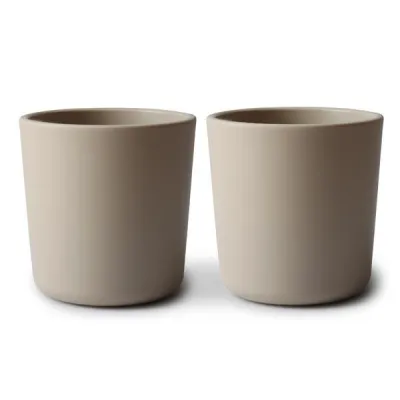

Prices are valid at publication and may change. Please refer to the product page for the latest price.
To determine if your child is ready to start using a cup, look for key physical milestones. Your child should be able to sit up independently with good head and neck control, which is crucial for safe swallowing and preventing choking. They should also demonstrate the ability to grasp objects and bring them to their mouth consistently. Another important sign is the gradual disappearance of the tongue-thrust reflex, which naturally pushes solid objects and unfamiliar liquids out of the mouth.
If your child shows interest in what you are drinking or reaches for your cup during family meals, they are likely ready to begin their transition. However, if they struggle to coordinate swallowing, cough frequently during attempts, or show intense resistance, it is best to pause the process. Forcing the transition can create negative associations with drinking. If difficulties persist or if you notice ongoing choking risks, consult a pediatrician, speech therapist, or lactation consultant to evaluate their swallowing mechanics and receive personalized guidance.
Spout Cups: Navigating the First Transition
Spout cups are often the first step parents consider when moving away from bottles. These cups typically feature a raised, shaped spout that fits easily into a child’s mouth, acting as a familiar bridge between the sucking motion of a bottle and the sipping motion required for an open cup. Most manufacturers design these cups for infants starting around six months of age, but you should always verify the specific age guidelines on the product packaging before use.

When evaluating spout cups, you will find options with either soft silicone spouts or hard plastic spouts. Soft silicone spouts are highly recommended for beginners because they mimic the flexible texture of a bottle nipple, making the initial transition less jarring for sensitive gums. Hard plastic spouts are more durable and can withstand biting from teething infants, but they require a bit more control. Whichever material you choose, ensure the cup features easy-to-grip handles that allow your child to practice their hand-to-mouth coordination.
While spout cups are convenient, pediatric dentists and speech-language pathologists generally recommend using them as a short-term transitional tool rather than a long-term solution. Prolonged use of a spout cup can impact oral development and dental alignment, as it encourages a tongue position similar to bottle feeding. Additionally, it is important to evaluate the flow rate of the spout. A flow rate that is too fast can cause choking, while a flow rate that is too slow may frustrate your child, causing them to reject the cup entirely.
Straw Cups: Supporting Oral Motor Skills
Straw cups are an excellent alternative to spout cups and are highly favored by developmental experts. Transitioning to a straw cup can begin as soon as your child shows the ability to squeeze liquid from a pouch or demonstrates a strong lip seal. Unlike spout cups, which rely on a tilting motion, straw cups require your child to keep the cup upright while drawing liquid upward, which helps develop different muscle groups in the mouth.
Drinking from a straw actively supports oral motor skills, lip seal strength, and tongue retraction. These physical movements are closely linked to speech development, as they strengthen the muscles used to produce speech sounds. When shopping for a straw cup, you will encounter valve-controlled straws and open, free-flowing straws. Valve-controlled designs are excellent for preventing spills, as they require the child to bite down slightly to release the liquid, making them ideal for active toddlers on the go.
However, some children find valve-controlled straws difficult to use initially. If your child struggles to extract liquid, a free-flowing straw may be a better starting point, though it requires closer supervision to manage spills. Another critical factor to consider is the ease of cleaning. Straws can easily trap moisture and liquid residue, creating a breeding ground for mold. Always check product labels to ensure the straw components can be fully disassembled and cleaned with a specialized straw brush.
360-Degree Cups: Bridging to Open-Cup Drinking
The 360-degree cup is an innovative design that has gained popularity as a bridge to standard open-cup drinking. These cups feature a circular lip with a silicone valve in the center. When your child places their lips on the edge and tilts the cup, the pressure of their lips releases the seal, allowing liquid to flow from any point along the rim. Once they stop drinking, the valve automatically seals shut, minimizing spills and messes.
This design offers significant benefits for dental health and natural swallowing patterns. Because the child drinks from the rim, it encourages the same lip and tongue movements used when drinking from a regular open cup. This helps prevent the dental alignment issues sometimes associated with prolonged spout cup use. It also teaches your child how to tilt a cup to control the flow of liquid, which is a key skill needed for independent drinking.
You can look for signs of readiness for a 360-degree cup when your child can hold a cup with two hands and understands the concept of tilting to drink. While these cups are highly effective at preventing major spills, they are not entirely leak-proof if dropped from a high chair onto a hard floor. It is important to supervise early use and regularly inspect the silicone valve for wear, tears, or stretching, as a damaged valve will compromise the spill-resistant seal.
Safety, Materials, and Usability Checklist
When selecting a children cup, safety and usability should be your top priorities. With numerous options available in Singapore retail stores and online marketplaces, having a clear evaluation framework will help you choose a high-quality, durable product. Always read the manufacturer’s specifications and product labels carefully rather than relying on visual appeal alone.
First, verify the material safety of the cup. Look for clear labels indicating that the product is BPA-free, phthalate-free, and made from food-grade silicone or high-quality, impact-resistant plastics. If you prefer to avoid plastics, stainless steel and glass options with protective silicone sleeves are also available, offering excellent durability and temperature retention.
Second, assess the ease of cleaning and sterilization. In Singapore’s humid climate, mold can develop quickly in hidden crevices, valves, and straw mechanisms. Check the manufacturer’s care instructions to confirm if the cup is dishwasher safe and whether it can withstand boiling water, steam, or UV sterilization. Avoid cups with complex, non-removable parts that cannot be thoroughly scrubbed and dried.
Finally, evaluate the cup’s mechanical design and usability. Check leak-proof claims against user feedback, keeping in mind that no valve is completely indestructible. Inspect the cup for small detachable parts, such as loose seals or small valves, which could pose a choking hazard if they degrade or become loose over time. A well-designed cup should be easy to assemble, disassemble, and comfortable for small hands to hold.
Frequently Asked Questions (FAQ)
When should I stop using a spout cup?
It is generally recommended to transition away from a spout cup by the time your child reaches twelve to eighteen months of age. Prolonged use of a spout cup can interfere with natural tongue positioning, potentially leading to dental alignment issues or speech delays. If your child shows a strong lip seal, can hold objects steadily, or expresses interest in your own cup, it is an ideal time to transition to a straw or 360-degree cup. If your child strongly resists moving away from a spout cup, try introducing the new cup gradually during relaxed meal times, and consult a pediatrician or speech therapist if you experience persistent difficulties.
How do I properly clean and maintain children's cups?
To prevent mold and bacteria buildup, you must fully disassemble all parts of the cup, including silicone valves, straws, and seals, after every use. Wash each component thoroughly with warm, soapy water, using a specialized straw brush to clean hard-to-reach areas. Always check the manufacturer’s instructions to verify if the parts are compatible with dishwashers, boiling water, or sterilizers. After washing, lay all components out separately in a well-ventilated area to air-dry completely before reassembling. Discard and replace any parts that show signs of wear, discoloration, tearing, or persistent odor to ensure your child’s safety.

Community discussion
Share your experience or ask a question. Comments are reviewed before publication.