
Choosing the right childproof edge guards in Singapore depends on matching the material—such as high-density foam, clear silicone, or flexible rubber—to the specific furniture surface, room climate, and your child’s developmental stage. Low coffee tables require thick, impact-absorbing foam to protect toddlers learning to walk, while high-moisture kitchen counters demand waterproof, heat-resistant silicone that withstands frequent cleaning. By evaluating the material density, adhesive compatibility, and furniture geometry, parents can create a secure environment that effectively minimizes bump risks without damaging delicate household finishes.
Quick Guide to Assessing Edge Risks in Your Home
As infants transition from crawling to pulling themselves up, their center of gravity remains unstable, making low-lying furniture edges a primary source of household bumps and bruises. In typical Singapore apartments, where compact layouts often place dining sets, TV consoles, and coffee tables in close proximity, creating a safe physical environment is essential. Identifying the specific height of your child’s forehead and temples relative to these sharp corners helps determine where protection is most urgently needed.
When browsing local baby specialty stores or online marketplaces, you will primarily encounter three material categories: closed-cell foam, silicone, and thermoplastic rubber. Foam guards offer excellent cushioning and are highly cost-effective, though they can be bulky and tempting for teething children to bite. Silicone options provide a sleeker, often transparent profile that blends with modern decor while offering firm resistance. Rubber guards strike a balance, delivering high durability and moderate impact dispersion for high-traffic areas.
Products mentioned in this guide
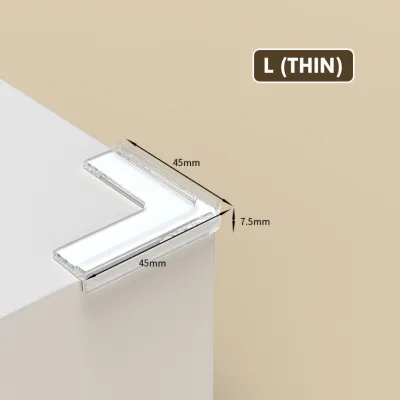
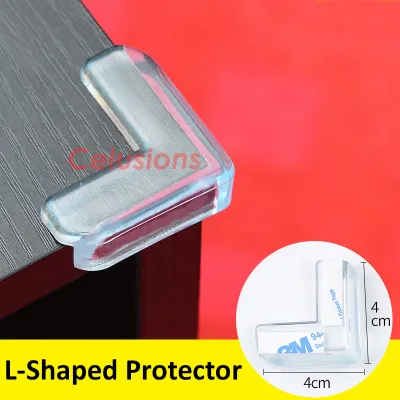
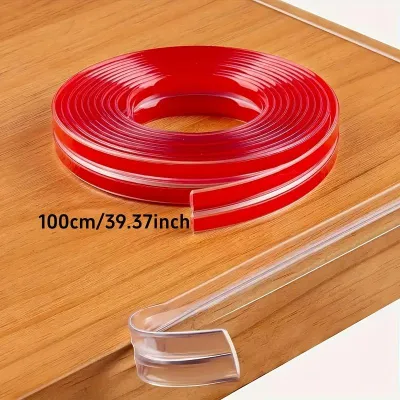
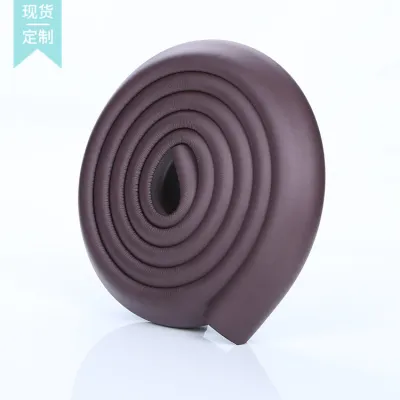
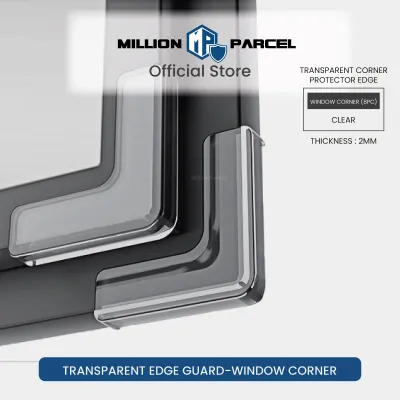
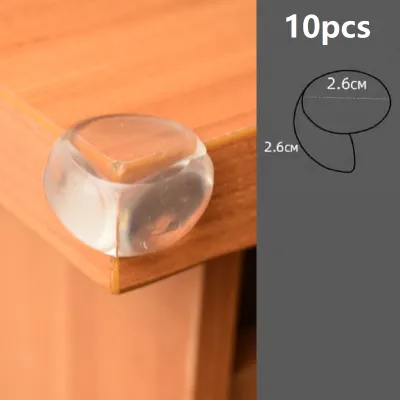
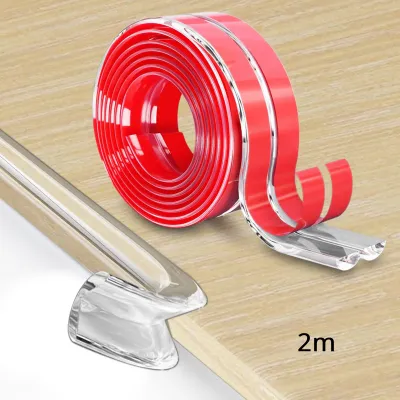
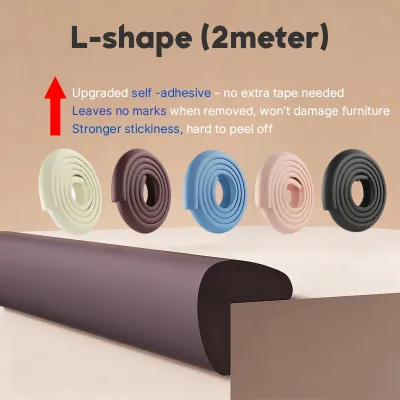
Prices are valid at publication and may change. Please refer to the product page for the latest price.
Selecting the right guard involves more than just picking a soft material; the adhesive backing must be compatible with the furniture’s surface. A strong adhesive that works perfectly on sealed glass might peel away from raw, oiled wood or lift the delicate veneer off a laminated console. Additionally, Singapore’s high relative humidity can affect how adhesives cure and hold over time, making it crucial to match the guard profile and adhesive type to both the furniture material and the room’s microclimate.
What to Look for When Buying Edge Guards
When evaluating childproofing supplies, material density is a critical factor that directly influences shock absorption. High-density materials do not bottom out under sudden pressure, meaning they absorb and distribute the force of an impact rather than letting the child’s head make contact with the hard edge underneath. When testing a guard, press it firmly between your thumb and forefinger; if you can easily feel your fingers meeting through the material, it may not provide sufficient protection against high-velocity impacts.

Adhesive quality is equally vital, as a guard that peels off easily is both ineffective and a potential choking hazard. Look for products that specify double-sided acrylic tape, which generally offers a secure bond on non-porous surfaces while allowing for cleaner removal later. Keep in mind that most high-strength adhesives require a specific curing time—often up to 24 hours—to reach full bonding strength before they can withstand being pulled or tugged by curious hands.
The physical profile of the guard must match the shape of the edge you intend to cover. L-shaped profiles are designed for standard 90-degree table edges, covering both the top and side surfaces. U-shaped profiles wrap around thin glass or metal shelves, protecting both the upper and lower edges simultaneously. For isolated sharp points, pre-molded corner balls or rounded corner guards provide targeted protection without the need to cut and join continuous rolls of edging.
Safety standards and chemical compositions are critical considerations for items that will inevitably be touched, crawled on, or even chewed. Because young children explore their environment with their mouths, parents should verify that the products are free from harmful chemicals such as bisphenol A (BPA), phthalates, heavy metals, and toxic flame retardants. Look for packaging or manufacturer documentation that references compliance with international toy safety standards, such as the European EN 71 standard or the American ASTM F963, to ensure the materials are non-toxic and safe for close contact.
How to Match Edge Guards to Your Furniture
A common mistake in childproofing is purchasing a single, large roll of foam edging and attempting to apply it uniformly across every surface in the home. Different furniture pieces present unique physical profiles, surface finishes, and exposure to environmental factors that affect how well a guard performs. A one-size-fits-all approach often results in guards peeling off prematurely, failing to absorb impacts adequately, or causing permanent damage to expensive furniture finishes.
Furthermore, the specific function and environment of each room dictate which materials will remain secure and hygienic over time. High-humidity zones like kitchens require materials that resist moisture and mold, while living areas demand high-impact protection that can withstand daily wear and tear. By analyzing the specific characteristics of each furniture type, you can select a targeted solution that balances safety, durability, and home aesthetics.
Coffee Tables and Low Tables
Coffee tables and low side tables sit directly at head-height for toddlers who are learning to crawl, stand, and take their first steps. Because these tables are often positioned in the center of living rooms where active play occurs, they represent a high-frequency impact zone. For these low tables, thick foam guards or wide, heavy-duty silicone strips are highly recommended because they provide the maximum depth of cushioning to absorb the momentum of a falling child.
The material of the table surface determines the preparation and adhesive strategy required for a secure bond. Glass coffee tables are non-porous and provide an excellent surface for acrylic adhesives, but they also show bubbles and residue clearly, making transparent silicone U-shaped guards an ideal choice for both safety and appearance. Conversely, raw, oiled, or highly textured wood tables are porous, which prevents adhesives from bonding fully; these surfaces require thorough cleaning and sometimes a specialized wood-safe adhesive to prevent the guard from sliding off.
Parents must also account for the physical behavior of their children, particularly during active teething phases. Soft foam guards can be easily bitten into, creating small pieces that present a serious choking hazard. If your child is prone to chewing on surfaces, opt for dense, food-grade silicone guards that resist tearing, and regularly inspect the edges for any signs of material degradation or loose adhesive backing.
Kitchen Counters and Dining Tables
Kitchen counters and dining tables are high-traffic areas where edge guards are exposed to unique challenges, including moisture, heat, food spills, and frequent cleaning. Standard foam guards are highly porous and can absorb liquids, grease, and food particles, quickly becoming a breeding ground for bacteria and mold in Singapore’s warm climate. For these surfaces, non-porous, waterproof, and heat-tolerant materials like high-grade silicone or smooth thermoplastic rubber are essential.
The adhesive used in these areas must be resilient enough to withstand daily wiping with damp cloths and mild kitchen cleaning agents. Water-resistant acrylic adhesives are preferred, as they prevent moisture from seeping under the guard and weakening the bond over time. Ensure that the edges of the guard are sealed tightly against the counter surface so that liquids cannot pool underneath, which would eventually degrade the adhesive and compromise hygiene.
Because dining tables and kitchen counters are central to daily household activities, choosing low-profile or transparent designs is highly practical. Clear silicone guards protect sharp corners without interfering with food preparation, dining comfort, or the overall aesthetic of your kitchen. These low-profile designs are also less likely to catch on clothing or aprons as family members move around the busy kitchen space.
Bed Frames, Dressers, and TV Consoles
Bed frames, dressers, and TV consoles present a mix of horizontal edges and sharp vertical corners that pose risks during active play, climbing, or running. For these heavier, immovable furniture pieces, you must decide between installing discrete corner guards or continuous edge strips. If the primary risk is a child bumping into the sharp corners of a dresser or bed frame while navigating a room, individual corner guards are often sufficient and less visually intrusive than full-length strips.
However, if the furniture has long, sharp edges at toddler height—such as the front edge of a low TV console or the wooden side rails of a bed frame—continuous edge strips are necessary to provide complete protection. When applying guards to painted, laminated, or veneered wood surfaces, extra care must be taken. Strong adhesives can bond so intensely to these finishes that removing them later may pull up paint or tear the delicate wood veneer, so look for adhesives labeled as furniture-safe or plan to use gentle removal techniques.
Because heavy furniture pieces do not move or give when collided with, the impact force of a child running into them can be significant. Ensure that the selected guards are thick and dense enough to fully absorb these higher-energy impacts. Testing the guard’s resilience by applying firm pressure will help confirm that it won’t compress completely under force, ensuring that the hard wood or metal edge underneath remains safely cushioned.
How to Install, Maintain, and Safely Remove Edge Guards
Proper installation is the single most important factor in ensuring that childproof edge guards remain securely in place and function as intended. Before applying any adhesive, the furniture surface must be meticulously prepared to remove all traces of dust, oil, wax, and moisture. Clean the area thoroughly with a mixture of mild dish soap and water, or use rubbing alcohol on compatible, non-delicate surfaces, and allow it to dry completely. Any remaining surface residue will prevent the adhesive from forming a strong bond, leading to premature peeling.
Once the surface is clean and dry, measure and cut the edge guard to the exact length required, using sharp scissors or a utility knife to ensure clean, straight edges. Apply the double-sided adhesive tape to the inside of the guard first, pressing it down firmly to eliminate air bubbles. When applying the guard to the furniture, press and hold it firmly along its entire length for at least 30 seconds, paying close attention to the ends and corners where peeling is most likely to start.
After installation, it is crucial to allow the adhesive to cure fully before subjecting it to any stress. Most manufacturers recommend a curing period of 24 hours, during which the child should be kept away from the area to prevent them from pulling or shifting the newly installed guard. This waiting period allows the adhesive to flow into the microscopic textures of the surface, creating a maximum-strength bond that is far more difficult for a toddler to dislodge.
Ongoing maintenance is essential to ensure the continued safety of your childproofing setup. Establish a regular inspection routine—ideally once a week—to check all installed edge guards for signs of wear, peeling edges, or loose adhesive. Pay close attention to any bite marks or torn sections on foam guards, as these damaged areas can quickly become choking hazards if a child manages to tear off a small piece. If any guard shows signs of significant wear or loose adhesion, remove and replace it immediately.
When the time comes to remove the edge guards—either because your child has outgrown the need for them or because you are moving furniture—doing so safely prevents damage to your household finishes. The most effective method is to use a hairdryer on a low or medium heat setting to gently warm the adhesive backing. Direct the warm air at the edge of the guard for a few minutes to soften the glue, then slowly and steadily peel the guard away from the surface at a shallow angle. Avoid pulling straight up, as this increases the risk of lifting paint, varnish, or wood veneer. Any remaining adhesive residue can usually be rolled off with your fingers or cleaned with a mild, furniture-safe adhesive remover, which should always be tested on an inconspicuous area first.
Frequently Asked Questions (FAQ)
Are silicone edge guards safer than foam ones?
Neither material is universally safer, as each serves a different purpose depending on your child’s developmental stage and the furniture type. High-density foam guards offer superior shock absorption for high-impact zones, making them excellent for toddlers who are still unstable on their feet and prone to heavy falls. However, foam is easily damaged by chewing and can pose a choking hazard if torn. Silicone guards are highly durable, bite-resistant, and easier to clean, making them a safer choice for teething children, though they are firmer and offer slightly less impact cushioning than thick foam.
How do I remove edge guard adhesive without damaging wood?
To remove strong adhesive from wood surfaces without causing damage, use a hairdryer on a low heat setting to gently warm and soften the glue before attempting to peel it off. Work slowly, peeling the tape back flat against itself rather than pulling upward, which helps protect delicate wood veneers and painted finishes. If adhesive residue remains, apply a small amount of vegetable oil or a specialized, furniture-safe adhesive remover to a microfiber cloth, test it first on a hidden area of the wood, and gently rub the residue away before wiping the surface clean.

Community discussion
Share your experience or ask a question. Comments are reviewed before publication.