
Selecting the right baby cereal variant is a pivotal step in your child’s weaning journey. In Singapore, where parents often balance busy professional schedules with the exciting milestone of introducing solid foods, finding the ideal starting point requires a clear understanding of both age guidelines and developmental readiness. While product packaging offers convenient age-based stages, every infant develops at their own unique pace. Choosing the correct variant involves matching your baby’s current physical capabilities—such as head control and swallowing coordination—with the appropriate texture, while gradually introducing diverse grains and flavors to support their growing nutritional needs.
Understanding Cereal Stages and Age Guidelines
Baby food manufacturers typically categorize their infant cereals into distinct stages, often marked by age indicators such as 6 months, 8 months, or 12 months and beyond. These stages are designed to guide caregivers through a logical progression of textures and ingredients, moving from highly refined, single-grain smooth purees to complex, multi-grain blends with small, chewable pieces. For instance, early-stage cereals are formulated to dissolve easily into a completely smooth, semi-liquid consistency that mimics the familiar texture of milk, making it easier for a beginner to swallow. As the stages advance, the texture becomes progressively thicker and grainier to encourage the development of jaw movements and chewing skills.
However, chronological age should only serve as a baseline reference rather than an absolute rule. A baby who has reached six months of age may not necessarily be physically ready for the texture of a stage-one cereal, while another baby might show signs of readiness slightly earlier or later. It is essential to combine the age recommendations on the packaging with a close observation of your child’s individual physical milestones. Before purchasing any variant, caregivers must carefully inspect the product packaging to verify the recommended age bracket, check the ingredient list for potential allergens, and ensure the formulation aligns with their pediatrician’s feeding recommendations.
Products mentioned in this guide
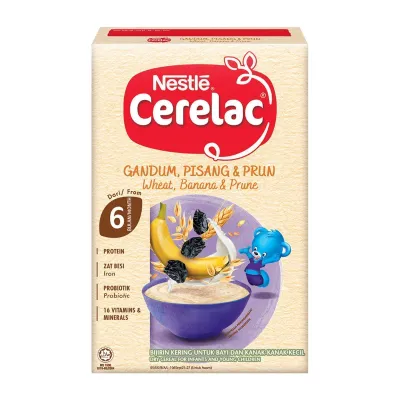
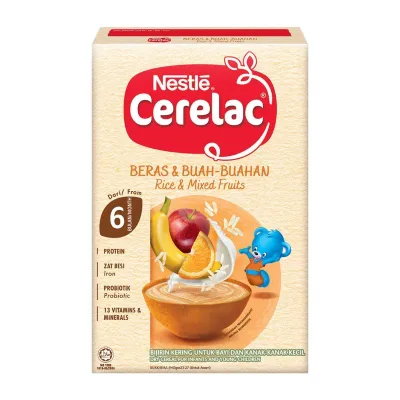
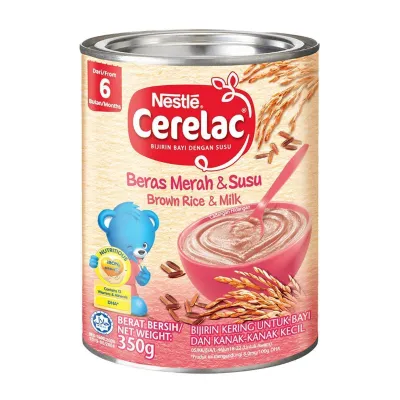
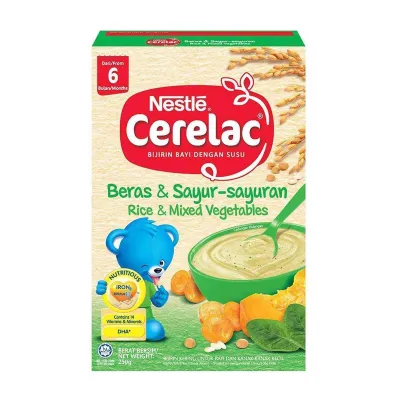
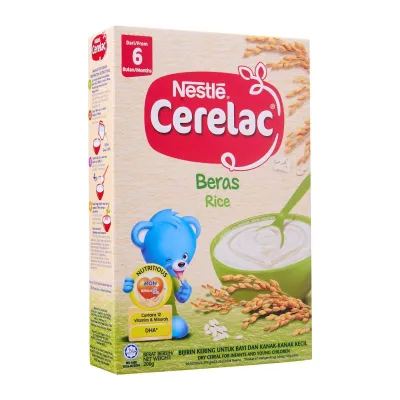
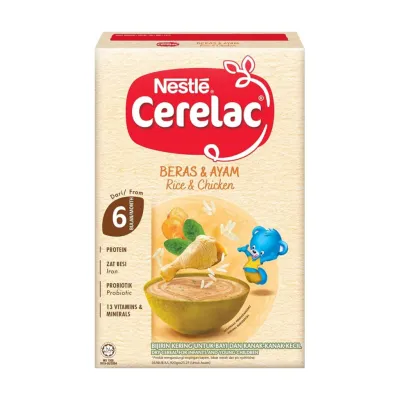
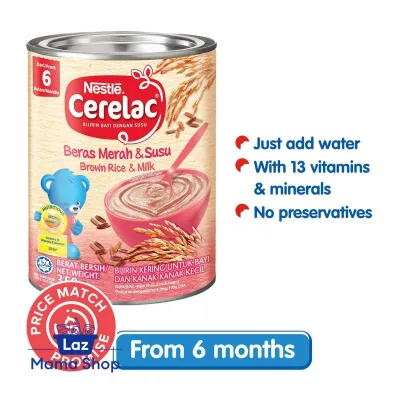
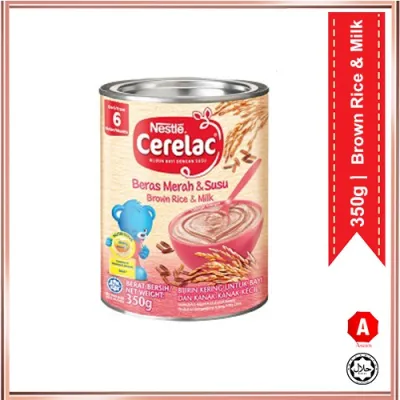
Prices are valid at publication and may change. Please refer to the product page for the latest price.
Key Developmental Signs Your Baby is Ready for Cereal
Before introducing any infant cereal, it is crucial to look for specific physiological and motor milestones that indicate your baby’s digestive system and oral motor skills are mature enough for solid foods. One of the primary indicators is strong head and neck control; your baby should be able to hold their head steady and upright without assistance. Additionally, they should be able to sit upright with minimal support, either in a high chair or on your lap. Another critical milestone is the disappearance of the extrusion reflex, also known as the tongue-thrust reflex, which naturally causes young infants to push solid objects out of their mouth with their tongue to prevent choking.

As these physical capabilities mature, your baby’s chewing and swallowing coordination will begin to align with the transition from fine purees to thicker textures. You will notice them showing curiosity during family mealtimes, reaching out for food, or mimicking chewing motions when they watch you eat. These behaviors suggest that their oral motor skills are preparing for more complex textures than breast milk or formula. However, the transition must be gradual; forcing a baby to swallow textures they are not ready for can lead to negative associations with feeding.
If your baby shows signs of distress, persistent gagging, or significant digestive discomfort such as unusual bloating, excessive gas, or sudden changes in bowel movements after trying a cereal, it is important to pause the introduction immediately. Gagging is a normal protective reflex as babies learn to navigate new textures, but frequent choking or distress indicates that the texture may be too advanced or that their digestive system needs more time to mature. In such cases, revert to exclusive milk feeding and consult a qualified pediatrician or healthcare professional to assess your baby’s developmental readiness before attempting solids again.
Matching Nutritional Needs to Cereal Variants
As babies reach approximately six months of age, their natural reserves of essential nutrients, particularly iron and zinc, begin to deplete. While breast milk or infant formula continues to provide the primary source of nutrition and hydration, it must be supplemented with nutrient-dense solid foods to meet their rapidly growing physiological demands. Iron is especially critical during this stage of rapid brain and physical development, making iron-fortified infant cereals a common choice for a baby’s first solid food. Selecting a variant that is appropriately fortified helps bridge this nutritional gap during the crucial weaning phase.
When evaluating different cereal variants, caregivers should become adept at reading nutrition labels on the back of the packaging. Look for products that specify the level of iron and zinc fortification per serving, and pay close attention to the presence of added sugars, sodium, or artificial preservatives. Ideally, early infant cereals should contain minimal to no added sugars to help your baby develop a preference for the natural flavors of grains, fruits, and vegetables. Additionally, check the label for potential allergens such as wheat, soy, or dairy, especially if there is a family history of food allergies or if your baby has shown sensitivity to other foods.
The safest and most effective way to introduce infant cereal is to follow a systematic progression from single-grain formulations to mixed-grain or fruit-and-vegetable blends. Starting with a single grain, such as white rice or brown rice, allows you to isolate a single ingredient and monitor your baby’s tolerance. Once your baby has successfully digested single-grain cereals without any adverse reactions, you can gradually introduce multi-grain variants containing oats, barley, or wheat, followed by blends that incorporate fruit or vegetable flakes. This step-by-step progression helps expand your baby’s palate while minimizing the risk of overwhelming their developing digestive system.
How to Read the Label and Verify Safety Standards
Navigating the baby food aisle requires a methodical approach to reading product labels to ensure the safety and suitability of each cereal variant. Always begin by verifying the manufacturer’s recommended age range printed clearly on the front or side of the package. This age indicator is not merely a marketing suggestion; it reflects the texture, grain complexity, and nutritional composition tailored to that specific stage of infancy. Furthermore, carefully read the precise mixing ratios and preparation instructions provided by the manufacturer. Using the correct ratio of liquid to cereal ensures the final mixture is at a safe, manageable consistency for your baby’s current swallowing ability.
In addition to preparation instructions, caregivers must establish a routine of checking the physical integrity of the packaging and the expiration date before purchase and before each use. Do not purchase or use any product with dented, torn, or compromised packaging, as this can expose the dry cereal to moisture, humidity, and potential bacterial contamination—a particularly important consideration in Singapore’s warm, humid climate. It is also highly recommended to periodically check official food safety authority websites for any active product recalls or safety alerts concerning infant food brands to ensure the products in your pantry remain safe for consumption.
When introducing any new cereal variant or flavor blend, always adhere to the standard practice of introducing only one new ingredient at a time. Feed your baby the new variant for three to five consecutive days without introducing any other new foods. This isolation period makes it significantly easier to identify the exact source of any potential allergic reaction, such as skin rashes, hives, vomiting, diarrhea, or respiratory issues. If you observe any of these symptoms, stop feeding the cereal immediately and seek medical attention from a qualified healthcare professional.
Transitioning Between Variants as Your Baby Grows
Transitioning your baby to more advanced cereal variants is an exciting progression that should be guided by their chewing progress and overall acceptance of food. Once your baby has mastered smooth, single-grain cereals and can swallow them effortlessly, you can begin upgrading to mixed-ingredient variants that offer slightly thicker textures and more diverse flavor profiles. This transition typically involves moving from simple rice or oat cereals to blends that incorporate finely ground fruits, vegetables, or multiple grains. Introducing these varied textures helps stimulate your baby’s oral motor development, encouraging them to use their tongue and gums to manipulate food in their mouth.
During this transition phase, maintain a detailed checklist of your baby’s physical responses to monitor how well they are adapting to the new food. Observe their eagerness to eat, how easily they swallow the thicker consistency, and any changes in their stool patterns. It is entirely normal for a baby’s stool to change in color, consistency, and frequency when new grains or ingredients are introduced. However, if you notice persistent watery stools, mucus, blood, or signs of abdominal pain and excessive fussiness, it may indicate that their digestive system is not yet ready for the complexity of the new variant, requiring you to temporarily scale back to simpler textures.
Throughout the entire weaning process, it is vital to remember that solid foods are intended to complement, rather than replace, breast milk or infant formula. During the first year of life, milk remains the primary source of essential nutrients, hydration, and calories. Infant cereal should be viewed as a developmental tool to teach chewing and swallowing, introduce new flavors, and provide supplemental iron. Caregivers should balance daily feedings to ensure that solid food portions do not displace the necessary volume of milk feeds, maintaining a balanced nutritional intake that supports healthy growth and development.
Frequently Asked Questions (FAQ)
Can I mix the cereal with breast milk or formula instead of water?
Yes, you can prepare infant cereal using expressed breast milk or your baby’s regular infant formula instead of water, provided the product instructions allow for it. Mixing cereal with breast milk or formula can make the transition to solids smoother, as the familiar taste and aroma can comfort your baby and encourage acceptance. When using breast milk, be aware that natural enzymes in the milk may break down the starches in the cereal, causing the mixture to become watery or runny shortly after mixing; this is normal and safe, though you may need to feed it promptly. Always follow the manufacturer’s specific preparation guidelines regarding liquid temperatures to preserve the nutritional value of the milk.
What should I do if my baby refuses a specific variant?
Food refusal is a common and entirely normal part of the weaning process, often stemming from a dislike of a new texture, a lack of hunger, or simply fatigue. If your baby refuses a specific cereal variant, do not force them to eat, as pressuring a child can create negative associations with mealtime. Instead, remain patient and try offering a very small amount again in a few days when your baby is alert and relaxed. It can take multiple exposures—sometimes up to ten or more attempts—for an infant to accept a new flavor or texture. You can also try adjusting the consistency by adding more liquid to make it smoother, or temporarily revert to a previously accepted variant before trying again.
Is it safe to add extra sugar or salt to improve the taste?
No, you should never add extra sugar, salt, honey, or other seasonings to your baby’s cereal. An infant’s kidneys are still developing and cannot safely process excess sodium, while added sugars can contribute to tooth decay and establish early preferences for overly sweet foods, potentially leading to unhealthy eating habits later in life. Additionally, honey must never be given to infants under twelve months of age due to the serious risk of infant botulism, a rare but severe form of food poisoning. Infant cereals are formulated to provide appropriate nutrition without the need for added flavor enhancers, allowing your baby to appreciate the natural taste of wholesome grains.

Community discussion
Share your experience or ask a question. Comments are reviewed before publication.