
Selecting the right Cerelac variant for your baby involves matching the cereal’s texture, grain complexity, and nutritional profile to your child’s specific developmental milestones and dietary requirements. By carefully reading the packaging for age-stage indicators, allergen declarations, and preparation instructions, you can confidently introduce solid foods that support your baby’s growth. The transition from a simple single-grain cereal to more complex multi-grain and fruit-infused options should always be guided by your baby’s physical readiness and individual tolerance.
Understanding Your Baby's Developmental Stages and Cereal Textures
Introducing solid foods is a major milestone that typically begins around six months of age, when an infant’s digestive system is mature enough to handle foods other than breast milk or formula. At this initial stage, babies require an extremely smooth, fine texture that easily slides down the throat without requiring any chewing. Single-grain infant cereals, when mixed with breast milk, formula, or warm water according to the manufacturer’s instructions, provide a watery, lump-free consistency that helps infants learn how to swallow solid food.
As your baby grows and gains experience with swallowing, their oral motor skills will naturally progress. You may notice your baby making chewing motions with their jaws, moving food from side to side in their mouth, or showing a keen interest in the textured foods on your own plate. These physical cues suggest that your child may be ready to transition from completely smooth purees to slightly thicker, more textured cereal variants.
Products mentioned in this guide
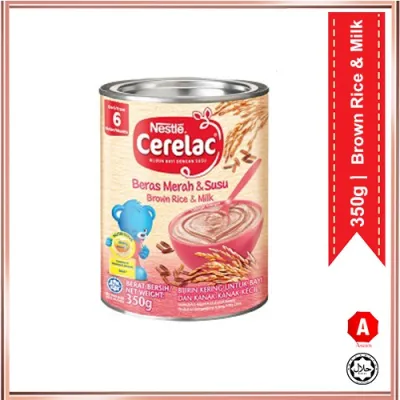
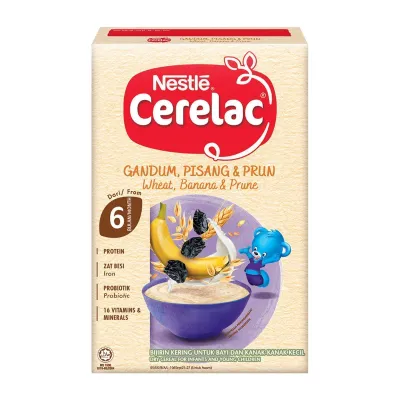
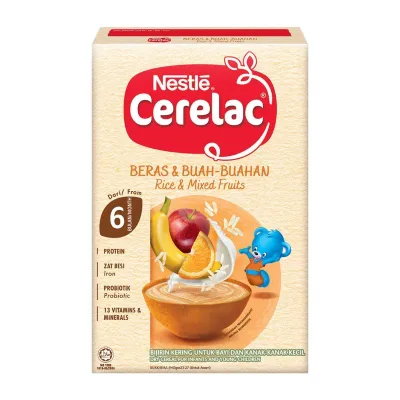
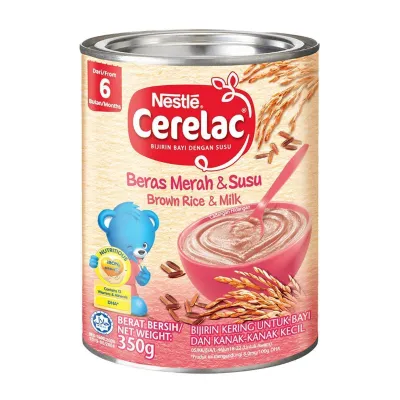
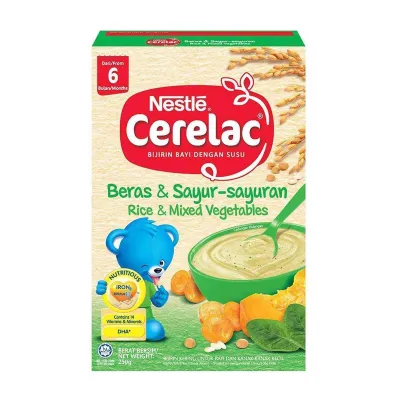
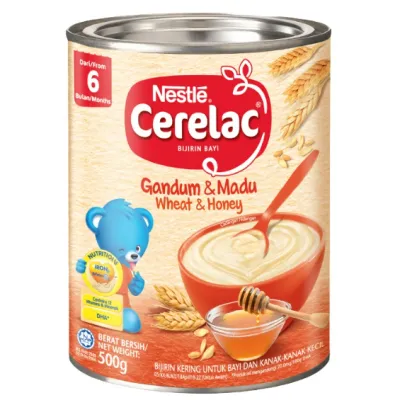
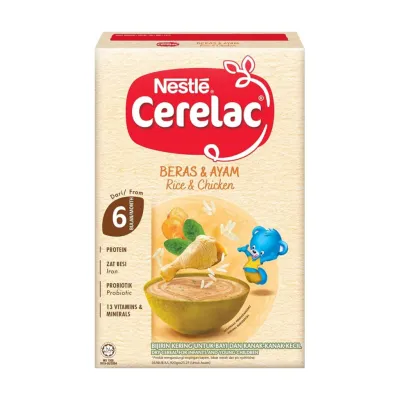
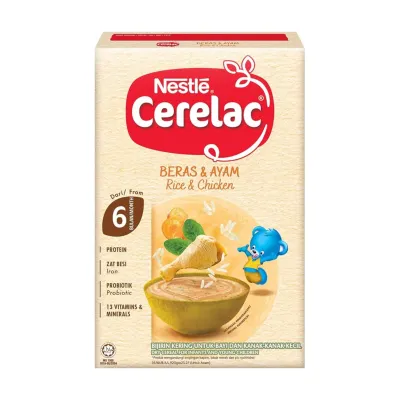
Prices are valid at publication and may change. Please refer to the product page for the latest price.
Manufacturers design infant cereals with specific age-stage indicators on the packaging, often categorizing them by months or developmental milestones such as “sitting” or “crawling.” However, because every baby develops at an individual pace, these age labels should serve as a general guideline rather than an absolute rule. It is essential to observe your baby’s actual chewing and swallowing abilities, and to inspect the dry cereal flakes to ensure the prepared texture aligns with what your baby can safely manage.
When moving to thicker variants, always monitor how your baby handles the new consistency during the first few feeds. If you observe your baby gagging, spitting out the food, or struggling to swallow, it is best to return to a smoother preparation or a simpler variant for a few more weeks. Gradually increasing the thickness of the cereal allows your baby’s oral muscles to strengthen safely and comfortably.
Matching Nutritional Needs to Cereal Ingredients
The choice of grain base in an infant cereal plays a significant role in how easily your baby digests their meal and how much sustained energy they receive. Single-grain options, such as rice-based cereals, are highly recommended for beginners because they are gentle on a developing stomach and carry a lower risk of triggering food sensitivities. As your baby’s digestive system matures, transitioning to multi-grain bases like wheat, oat, or barley introduces complex carbohydrates that provide longer-lasting energy to support their increasing physical activity.

Cereal variants that incorporate dried fruit flakes, vegetable powders, or protein sources offer an excellent way to expand your baby’s palate and introduce new flavor profiles. These additions not only make the meal more appealing to older infants but also help them get accustomed to the natural tastes of apples, bananas, cherries, or spinach. When selecting these flavored variants, look for options that use real fruit and vegetable ingredients rather than artificial flavorings to ensure a wholesome dietary experience.
Fortification is another critical factor to evaluate when choosing an infant cereal, as babies rapidly deplete their natural iron stores by around six months of age. You should carefully examine the nutritional information panel on the back of the packaging to verify the levels of iron, zinc, calcium, and essential vitamins. Comparing these values across different variants helps you select a product that directly addresses common dietary gaps, ensuring your baby receives adequate micronutrients for healthy cognitive and physical development.
While fortified cereals are an excellent dietary tool, they should complement a balanced diet of breast milk, formula, and other whole foods. If you have specific concerns about your baby’s iron levels or overall growth, consult a pediatrician or a qualified healthcare professional in Singapore to tailor a feeding plan. Relying on verified nutritional panels rather than front-of-pack marketing claims ensures you make informed decisions based on actual nutrient content.
Reading the Label: Key Checks Before You Buy
Before purchasing any infant cereal, a thorough inspection of the product label is necessary to help ensure safety and suitability. Start by verifying the manufacturer’s recommended age range printed on the front or side of the box, and read the preparation instructions carefully. Different variants may require different ratios of liquid to powder, or may specify whether they should be mixed with water, breast milk, or infant formula to achieve the correct, safe consistency.
Scanning the allergen declaration is a vital step, particularly if your family has a history of food allergies or if your baby has shown signs of skin sensitivity. Many infant cereals are processed in facilities that handle common allergens, or they may contain ingredients like milk solids, wheat gluten, or soy derivatives. Checking the “contains” or “may contain” statements on the packaging helps you avoid accidental exposure to ingredients that could trigger an adverse reaction.
It is equally important to check the ingredient list for any added sugars, salt, or artificial preservatives, which are not recommended for infants under twelve months of age. Look for terms like sucrose, glucose, maltodextrin, or fruit juice concentrates, as these can unnecessarily sweeten the cereal and influence your baby’s long-term taste preferences. Choosing variants with minimal added ingredients helps establish healthy eating habits from the very beginning of their solid food journey.
Keep in mind that product formulations can change without prior notice, so making it a habit to read the label during every shopping trip is highly recommended. Even if you are purchasing a familiar variant, a quick check of the ingredients and allergen warnings ensures that the product remains safe for your baby’s current dietary needs. Taking these few extra moments at the grocery store or when browsing an online marketplace provides peace of mind.
Transitioning and Introducing New Variants Safely
Introducing a new cereal variant or flavor to your baby should always be a gradual and monitored process to ensure their digestive system tolerates the change. The standard pediatric recommendation is to introduce only one new ingredient at a time and wait three to five days before offering another new food. This waiting period allows you to isolate the cause of any potential reaction, making it much easier to identify which specific grain or fruit your baby might be sensitive to.
During this transition phase, closely observe your baby for any signs of an allergic reaction or digestive discomfort after they eat. Common indicators of intolerance include hives, sudden skin rashes, swelling around the mouth or eyes, vomiting, unusual diarrhea, or excessive gas and fussiness. If you notice any of these symptoms, you should immediately stop feeding that particular variant and monitor your baby closely.
If your baby exhibits mild symptoms like a mild rash or slight changes in bowel movements, pause the introduction of the new cereal and consult a pediatrician or qualified healthcare professional. In the rare event of severe symptoms, such as difficulty breathing, wheezing, or lethargy, seek immediate medical attention. Prioritizing safety and proceeding slowly ensures that expanding your baby’s menu remains a positive and healthy experience.
Frequently Asked Questions (FAQ)
Can I mix different Cerelac variants together?
Yes, you can mix different variants together, provided that your baby has already been successfully introduced to each individual variant beforehand. Mixing a familiar, single-grain cereal with a small amount of a newer, multi-grain or fruit-flavored variant can be a helpful way to transition your baby to new tastes and textures. However, you must ensure that both variants are appropriate for your baby’s current age and physical development, and avoid mixing them if doing so introduces multiple new ingredients or potential allergens at the same time.
How do I know if my baby is ready for a thicker cereal texture?
Your baby may be ready for a thicker cereal texture when they demonstrate key physical milestones, such as sitting up unassisted in a high chair and holding their head steady. Other positive signs include showing a strong interest in the food you are eating, making chewing motions with their mouth, and successfully swallowing smooth purees without pushing them back out with their tongue. If your baby easily swallows thin cereal and seems eager for more substantial bites, you can gradually increase the thickness of the mixture to match their developing chewing skills.
What should I do if my baby refuses a new Cerelac flavor?
If your baby refuses a new flavor, it is important to remain patient and avoid forcing them to eat, as food rejection is a normal part of introducing solids. You can pause and try offering the same flavor again after a few days, as infants often require multiple exposures to a new taste before they accept it. Alternatively, you can try adjusting the consistency to make it slightly thinner, or mix a very small amount of the new flavor into a familiar, well-accepted variant to help them get used to the new taste gradually.

Community discussion
Share your experience or ask a question. Comments are reviewed before publication.