
Returning to professional life after maternity leave is a significant transition for working mothers in Singapore. Balancing office responsibilities with a pumping schedule requires careful planning, efficiency, and the right gear. Navigating the daily commute on crowded MRT trains or buses while carrying a breast pump, accessories, and expressed milk can be physically demanding and stressful. A dedicated breast pump pouch serves as an essential tool to streamline this process, keeping delicate equipment secure, organized, and highly discreet. Selecting a suitable pouch involves evaluating your specific pump model, your daily transit routine, and the thermal demands of Singapore’s tropical climate. By focusing on practical design elements, material durability, and hygiene maintenance, you can find a solution that fits seamlessly into your professional routine.
Essential Features for Office Pumping
Pumping in a professional environment requires equipment that supports both efficiency and discretion. Many mothers find themselves pumping at their office desks, in shared nursing rooms, or even in multi-purpose utility spaces. A functional breast pump pouch should feature dense, multi-layered structural padding that helps muffle the low-frequency hum of a pump motor, allowing you to maintain privacy. Look for exterior materials like high-denier nylon, polyester, or oxford cloth, which do not rustle loudly when handled and resist stains during your daily commute.
Portability is another critical factor, especially when navigating public transport during peak hours. Wide, padded shoulder straps or convertible backpack straps distribute the weight of the pump, accessories, and ice packs evenly across your shoulders and back, reducing physical strain. For added comfort in Singapore’s humid climate, look for straps and back panels featuring breathable mesh lining, which helps prevent sweat patches on professional attire. Adjustable chest straps can also stabilize the load during active walking between transit stations and your office.
Products mentioned in this guide
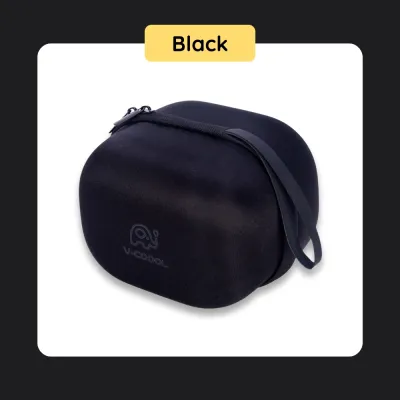
Prices are valid at publication and may change. Please refer to the product page for the latest price.
Time is often limited during office breaks, making quick accessibility and a smart compartment layout essential. A pouch with a wide-mouth opening or dual-zipper access allows you to retrieve the pump motor quickly without unpacking the entire bag. Dedicated compartments for flanges, tubing, and bottles prevent clean parts from coming into contact with external surfaces or dirty power cords. Having separate, designated zones for wet and dry items ensures that your electronic pump motor remains completely protected from moisture throughout the day.
Matching the Pouch to Your Specific Pump Model
Breast pump motors vary significantly in size, weight, and shape, ranging from compact wearable units to larger double-electric hospital-grade models. Before purchasing a pouch, it is vital to measure your pump motor’s physical dimensions—height, width, and depth—and compare them against the pouch’s internal compartment specifications. Ensure there is at least a two-centimeter clearance around the motor when it is placed inside. This clearance prevents excessive pressure on the power button, touchscreen, or tubing ports, which could cause accidental activation or structural damage during transit.

Always refer to the manufacturer’s documentation for your specific pump model to verify its recommended operating conditions and transit warnings before packing it into any pouch. Internal securing mechanisms are crucial for keeping the pump motor stable while you are on the move. A loose motor sliding around inside a bag can suffer internal calibration issues or physical scratches. Look for pouches equipped with adjustable elastic bands, hook-and-loop straps, or padded dividers that hold the motor firmly in place. Some specialized bags feature custom foam inserts or dedicated pockets designed to match the contours of popular pump shapes, providing added shock absorption.
Cord and tubing management is another area where compatibility must be verified. Power adapters, charging cables, and silicone tubing require careful organization to avoid kinking, stretching, or tearing. Pouches with integrated mesh pockets, cable ties, or zippered side pockets keep these accessories organized and separated from wet components. Proper cord management not only extends the lifespan of your equipment but also speeds up the assembly and disassembly process during your limited pumping sessions at work.
Insulation, Materials, and Hygiene Maintenance
Singapore’s high ambient temperatures and humidity make thermal control a primary consideration for preserving expressed breast milk safely. While many breast pump pouches feature built-in foil or closed-cell foam insulation, these materials only slow down heat transfer; they do not actively cool the contents. To maintain a safe temperature of under 4 degrees Celsius during your commute, you must use dedicated gel ice packs alongside your milk storage bottles. Always consult guidelines from local healthcare institutions or lactation professionals regarding safe milk storage durations and temperature thresholds.
Spills of breast milk or condensation from ice packs are common occurrences when pumping on the go. To manage these incidents easily, choose a pouch with a heat-sealed, leak-proof interior lining made of food-grade materials like PEVA or TPU. These surfaces do not absorb liquids or odors and can be wiped clean instantly with a damp cloth or a baby-safe sanitizing wipe. Avoid bags with fabric linings in the wet compartments, as they can trap moisture and lead to bacterial growth or persistent sour odors.
Establishing a consistent cleaning routine is essential for maintaining hygiene and ensuring the longevity of your pouch. Always check the manufacturer’s care label to determine if the pouch is machine washable or spot-clean only, as machine washing can sometimes delaminate waterproof backings or degrade insulation layers. After each workday, open all compartments fully, wipe down the interior, and allow the pouch to air-dry completely in a well-ventilated space away from direct sunlight. This practice prevents mold development and keeps the bag fresh for daily use.
Condition-Based Selection: Matching Pouch Types to Your Routine
Every working mother’s pumping routine is unique, and selecting the right pouch style depends heavily on your daily schedule and volume needs. For high-volume or multi-session pumpers who need to pump three or more times during a long workday, a larger capacity bag is highly beneficial. Look for dual-compartment designs that separate the dry pump motor on top from a wet, insulated cooler section at the bottom. This setup allows you to store multiple 150ml or 250ml bottles, breast shields, and several ice packs securely without compromising the safety of your electronic equipment.
Minimalist or single-session pumpers who use compact wearable pumps or only need to pump once during a short shift may prefer a lightweight sling or a compact bag insert. These minimalist pouches protect the pump motor and fit easily inside an existing handbag, tote, or professional backpack. This approach minimizes the number of separate bags you need to carry on your commute while still providing dedicated protection and organization for your delicate pumping gear.
Multi-purpose users who prefer to carry a single bag for all their daily essentials should consider convertible breast pump bags. These versatile designs feature dedicated, hidden compartments for your pumping equipment alongside padded sleeves for a laptop, pockets for work documents, and space for personal items. This integration allows you to transition seamlessly from a professional client meeting to a nursing room without carrying multiple bags, maintaining a streamlined and professional appearance.
Purchasing Checklist and Verification Steps
Before finalizing your purchase on any online marketplace or e-commerce platform, it is important to verify several key details to ensure you receive a reliable, durable product. First, verify the seller’s status and purchase from authorized retailers or official brand stores whenever possible. This step protects you from counterfeit accessories that may use sub-standard, non-food-grade materials or have poor structural stitching. It also ensures you have access to valid manufacturer warranties, which typically cover zipper failures or strap defects.
Because breast pump accessories are classified as personal hygiene items, return policies can be strict. Carefully read the return terms on your chosen e-commerce platform before buying. Some sellers do not accept returns once the outer packaging has been opened, while others may charge restocking fees, which can range from S$5 to S$20. Ensure you understand these conditions, especially if you are ordering a pouch and are unsure if your specific pump model will fit comfortably inside.
Finally, take the time to review user feedback specifically from other working mothers who use the pouch in similar daily commuting scenarios. Pay close attention to comments regarding zipper durability under tension, as zippers are often the first component to fail on heavily packed bags. Look for feedback on the long-term comfort of the shoulder straps when the bag is fully loaded with a pump, bottles, and frozen ice packs, as well as how well the insulation performs during a typical outdoor commute.
Frequently Asked Questions (FAQ)
Can I use a standard laptop bag instead of a dedicated breast pump pouch?
While a standard laptop bag can physically hold a breast pump, it lacks the specialized structural support, organization, and hygiene features of a dedicated pouch. Laptop bags rarely feature water-resistant, wipeable compartments, leaving your expensive electronics vulnerable to milk spills or condensation from ice packs. Additionally, generic bags do not have insulated sections, meaning you would need to carry a separate cooler bag to keep expressed milk safe, increasing the bulk of your daily carry and making your commute more cumbersome.
How do I clean a breast pump pouch if milk spills inside?
If a milk spill occurs, immediately wipe up the excess liquid with a clean, dry cloth or paper towel. Clean the affected area using a soft sponge dampened with warm water and a mild, baby-safe detergent; avoid harsh chemical cleaners or bleach, which can degrade the water-resistant lining. Rinse the area by wiping it with a clean, damp cloth to remove any soap residue, then prop all compartments open in a well-ventilated, shaded area to air-dry completely before your next use to prevent mold and odors.
Do I need a specialized cooler insert if my pouch is already insulated?
Yes, an insulated pouch alone is not sufficient to keep breast milk safe for extended periods, especially in warm climates. Built-in insulation only acts as a passive barrier to slow down temperature changes. To actively lower and maintain the temperature of your expressed milk, you must place frozen gel ice packs directly alongside the milk storage bottles inside the insulated compartment, ensuring the milk remains at a safe temperature until you can transfer it to a refrigerator.

Community discussion
Share your experience or ask a question. Comments are reviewed before publication.