
Weaning your toddler off a baby bottle is a major developmental milestone. The ideal choice depends on your child’s motor skills, oral coordination, and comfort level. While spout cups offer a familiar transition, straw cups and open cups are highly recommended to support long-term oral health, speech development, and mature swallowing patterns. Finding the right fit involves observing how your child handles different flow rates and gradually introducing new vessels that build their confidence.
Assessing Your Toddler's Readiness to Transition
Transitioning away from the baby bottle is less about reaching a specific calendar age and more about observing key developmental milestones. You can begin looking for physical signs of readiness around the time your child sits independently and shows interest in family mealtimes. Fine motor skills are a primary indicator; notice whether your toddler can grasp objects with both hands, bring them reliably to their mouth, and attempt to tilt a container. These actions demonstrate the grip strength and hand-eye coordination required to manage a cup.
Swallowing coordination is also critical. Unlike the continuous sucking motion used with a baby bottle, drinking from a cup requires a child to control the flow of liquid and swallow without coughing. If your toddler can swallow purees smoothly and manage small sips of water from a spoon, their oral motor skills are likely mature enough to handle different liquid flow rates.
Products mentioned in this guide
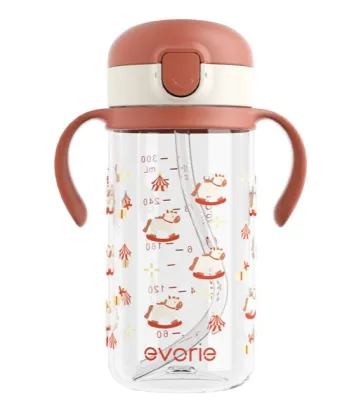
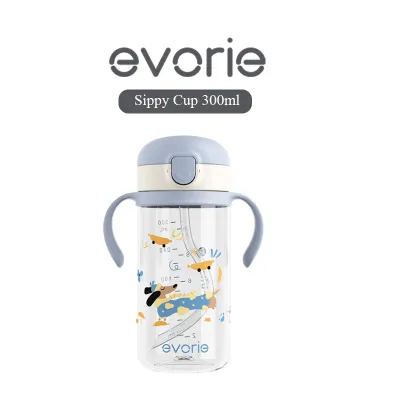
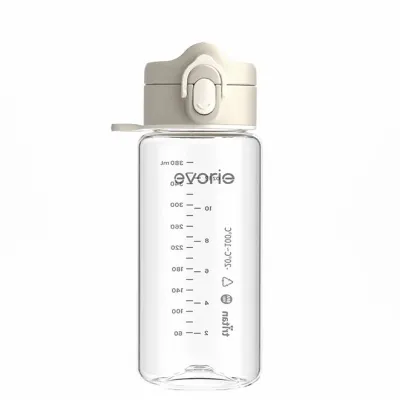
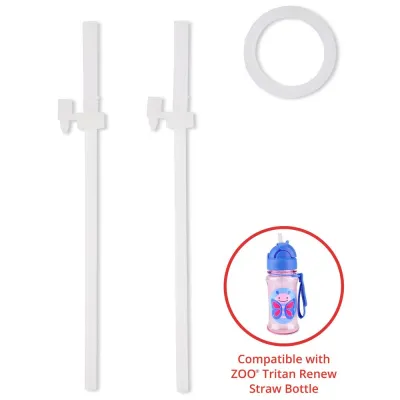
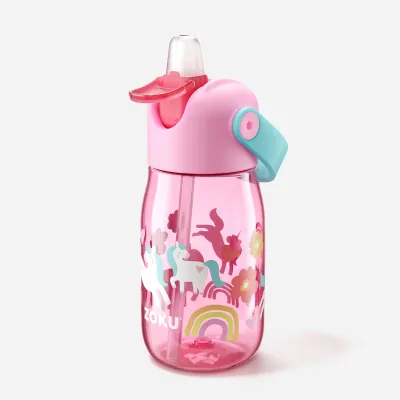
![[Free Carrier Bag] Kids Water Bottle 570ml Straw and DIrect Drink BPA-Free Tritan Children Bottle Leakproof Space Theme Upstyle by 8miles](https://img.lazcdn.com/g/p/18b6548e9d6d0d48d936e50027febc07.jpg_400x400q80.jpg_.webp)
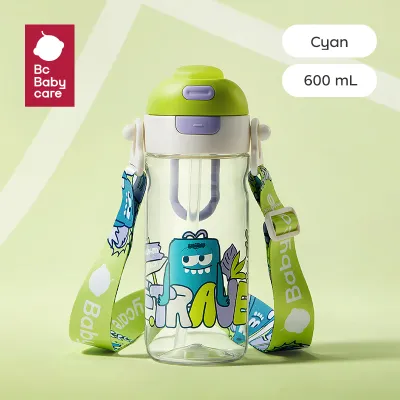
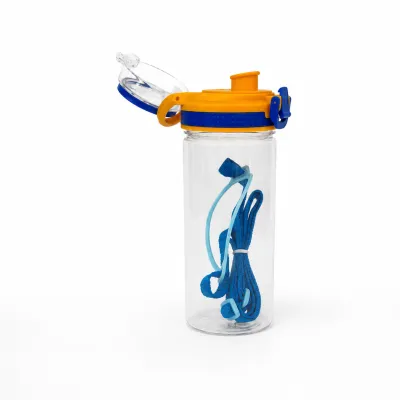
Prices are valid at publication and may change. Please refer to the product page for the latest price.
Behavioral cues also play a role. Some toddlers show a strong emotional attachment to their baby bottle, viewing it as a source of comfort. Others might reach for your glass or show curiosity about open containers. Recognizing these cues helps you gauge whether to proceed with a gradual transition or if your child is eager to explore new drinking vessels immediately.
Understanding the Main Transition Cup Options
Spout Cups (Hard and Soft Spouts)
Spout cups are often the first alternative parents consider because they bridge the gap between a bottle and a cup. These cups typically feature a shaped spout that limits spills, making them highly convenient for active toddlers and on-the-go use. The flow rate is generally controlled by a valve, which prevents large spills but requires the child to apply suction to release the liquid.

When choosing a spout cup, the material of the spout matters. Soft silicone spouts closely mimic the texture of a baby bottle nipple, which can ease the initial transition for a hesitant toddler. However, they still encourage a similar sucking pattern. Hard plastic spouts require a slightly different oral posture, helping the child move away from the infantile suckle.
While spout cups are convenient, prolonged use can impact oral development. Because they require a similar tongue-thrust motion to a baby bottle, relying on them for too long may affect dental alignment and the natural development of mature swallowing. It is best to view spout cups as a temporary stepping stone rather than a long-term solution.
Straw Cups
Straw cups serve as an excellent mid-stage transition tool that actively promotes advanced oral motor skills. Drinking through a straw requires a toddler to develop a strong lip seal and retract their tongue, which are essential movements for speech development and jaw stability. This mechanism helps transition the child away from the forward-and-backward tongue movement used during bottle feeding.
These cups come with various design features, including spill-proof valves and free-flow straws. Spill-proof valves are excellent for preventing messes in the living room or stroller, but they require more suction effort from the child. Free-flow straws allow liquid to flow easily with minimal effort, which is closer to natural drinking but may result in occasional drips if the cup is tipped over.
Maintaining hygiene is a crucial consideration when using straw cups. The internal straw components, valves, and crevices can easily trap moisture, making them susceptible to mold and bacterial growth. Caregivers must commit to disassembling all parts daily and using specialized small brushes to clean inside the straws, ensuring the cup remains safe for daily use.
Open Cups
Open cups represent the ultimate weaning goal, supporting the most natural swallowing patterns and optimal dental health. Drinking from an open rim forces the toddler to elevate the tip of their tongue and use their lower jaw for stability. This action strengthens the facial muscles used in speech and prevents the dental alignment issues sometimes associated with prolonged bottle or spout cup use.
Introducing an open cup requires a shift in expectations, as spills are an inevitable part of the learning process. Active caregiver supervision is necessary to help the child guide the cup to their mouth, control the tilt, and set it down safely. Using a small amount of liquid at a time can help minimize the mess while your toddler refines their control.
To set your toddler up for success, look for open cups specifically designed for small hands. Lightweight materials, non-slip silicone grips, and dual handles make it much easier for a child to lift and tilt the cup independently. A small diameter is also beneficial, as it fits comfortably against a toddler’s small mouth without spilling over the cheeks.
Matching the Cup Type to Your Child's Current Stage
Selecting the right cup is not a one-size-fits-all decision; it depends on matching the vessel to your child’s current developmental stage. During the early transition phase, when your child is first moving away from the bottle, a soft spout cup or a weighted straw cup is often ideal. The weighted straw allows the child to drink from any angle, even if they instinctively tilt the cup backward like a bottle, building initial confidence without frustration.
As your child enters the active weaning phase, you can shift toward free-flow straws or small open cups. At this stage, the goal is to reduce the reliance on suction and encourage mature swallowing. You can offer an open cup during structured mealtimes at the high chair, where spills are easy to clean, while using a straw cup for hydration throughout the day.
In the final weaning phase, the open cup becomes the primary vessel for all meals and snacks. By this point, your toddler should have the motor skills to lift, drink, and place the cup down with minimal assistance. Straw cups can still be used for travel or outdoor activities, but the daily routine should center around open-rim drinking to complete the weaning process.
Throughout this journey, it is important to monitor your child’s reactions. If you notice signs of frustration, frequent coughing, fatigue, or a sudden refusal to drink, the flow rate may be too fast or the cup design too complex. Do not hesitate to take a temporary step back to a familiar cup type for a few days before trying again, ensuring the transition remains a positive experience.
Practical Strategies for a Successful Weaning Journey
A smooth transition relies heavily on timing and consistency. Introduce the new cup during low-stress, alert periods of the day, such as mid-morning snack time, rather than during the evening when your toddler is tired or overly hungry. A child who is relaxed and well-rested will be much more receptive to exploring a new object and learning a new skill.
A gradual replacement strategy is highly effective for reducing emotional resistance. Instead of removing all baby bottles overnight, replace one bottle feed at a time with the new cup. Start with the midday feed, which is typically the least emotionally significant to a toddler. Once your child accepts the cup at lunchtime, gradually replace the morning feed, and finally, the bedtime bottle, which is often the hardest to let go.
Hygiene must remain a top priority throughout the weaning process. Because transition cups have multiple parts, you should establish a strict cleaning routine. Always disassemble valves, straws, and lids completely before washing. Check the manufacturer’s instructions to see if the parts are dishwasher-safe, or wash them in warm, soapy water, allowing them to air dry completely to prevent mold from developing in hidden crevices.
While most children transition smoothly, some situations may require professional guidance. If your child consistently chokes, coughs, or struggles to swallow while using a cup, or if they show extreme distress and refuse all liquids, it is important to pause the transition. Consult your pediatrician or a pediatric speech-language pathologist to ensure there are no underlying swallowing difficulties and to receive personalized guidance.
Frequently Asked Questions (FAQ)
Is it safe to skip the spout cup and go straight to a straw or open cup?
Yes, it is entirely safe and often recommended to skip the spout cup altogether. Many pediatric dentists and speech therapists suggest moving directly from the breast or baby bottle to a straw or open cup, as this avoids the intermediate sucking habit associated with spouts. To do this safely, ensure your child can sit upright independently and start with a weighted straw cup or a tiny open cup containing only a few sips of water to prevent choking.
How do I know if my toddler is drinking enough water from their new cup?
During the transition, your child’s liquid intake might temporarily decrease as they learn to navigate the new vessel. You can monitor their hydration levels by checking for regular wet diapers throughout the day and ensuring they maintain their usual energy levels. To encourage them to drink more without reverting to the bottle, offer small, frequent sips of water throughout the day and model the behavior by drinking from your own cup in front of them.

Community discussion
Share your experience or ask a question. Comments are reviewed before publication.