
Yes, the material of your baby bottle directly influences how you should select and use a bottle cleaner liquid. While many general cleaning products claim universal compatibility, different materials have distinct physical properties—such as scratch resistance, porosity, and oil retention—that dictate how they interact with cleaning agents. Choosing an incompatible formulation or cleaning method can lead to micro-scratches, cloudiness, persistent odors, or material degradation over time.
To maintain the integrity of your feeding equipment, it is essential to match the chemical properties of your bottle cleaner liquid to the specific vulnerabilities of the bottle material. This guide outlines how glass, plastics, PPSU, and silicone interact with cleaning agents, what to look for on product labels, and how to perform routine safety checks.
How Baby Bottle Materials Interact With Cleaner Ingredients
Every baby bottle material possesses a unique surface profile that reacts differently to chemical exposure and physical friction. Glass is scratch-resistant and non-porous, making it resilient against strong cleaning agents but prone to mineral buildup. In contrast, plastics like polypropylene (PP) and high-performance polymers like polyphenylsulfone (PPSU) are lightweight and shatterproof but have softer surfaces that scratch easily. Silicone, widely used for flexible bottles and nipples, is heat-resistant but has a hydrophobic, slightly porous structure that naturally attracts and retains milk fats and strong fragrances.
Products mentioned in this guide
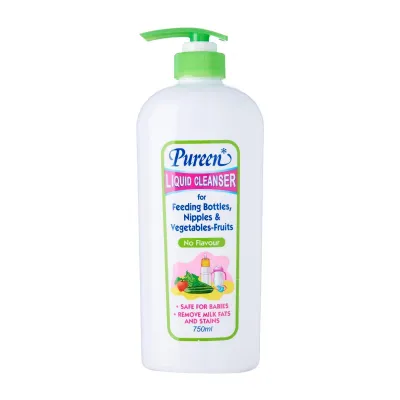
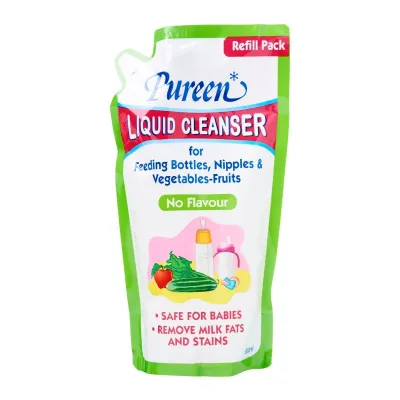
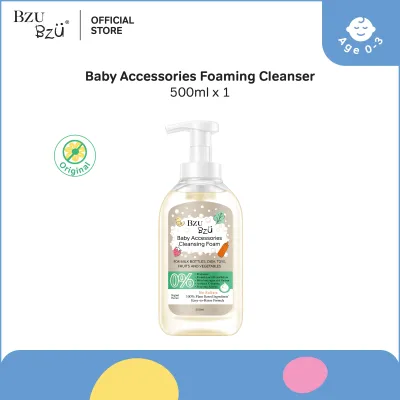
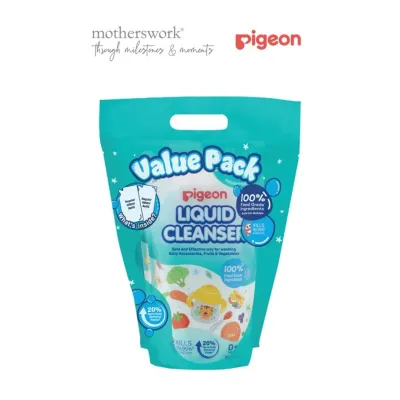
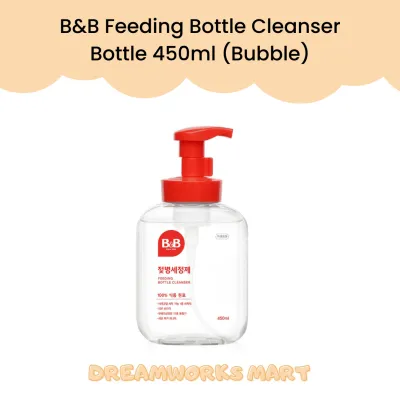
Prices are valid at publication and may change. Please refer to the product page for the latest price.
Using harsh chemicals, highly alkaline detergents, or abrasive cleaning agents can rapidly degrade these materials. For softer polymers and silicone, abrasive ingredients or stiff brushes can create micro-scratches on the inner walls. These microscopic grooves are more than just a cosmetic issue; they act as harborages where milk proteins, fats, and bacteria can accumulate, making subsequent washing and sterilization cycles less effective. Over time, chemical incompatibility can also cause plastics to become brittle, cloudy, or prone to cracking.
Before selecting any bottle cleaner liquid, always consult the specific manufacturer care instructions for your feeding items. Bottle brands provide detailed guidelines regarding chemical exposure limits, temperature thresholds, and approved cleaning methods. Verifying these instructions ensures you do not inadvertently void product warranties or compromise the structural integrity of the bottles.
Matching Bottle Cleaner Liquids to Specific Bottle Materials
Selecting the right cleaning approach requires understanding the specific vulnerabilities of each material. By adjusting your bottle cleaner liquid and washing technique to match the bottle’s composition, you can extend the lifespan of your feeding gear and ensure thorough hygiene.

Glass Bottles
Glass bottles are compatible with a wide range of bottle cleaner liquids due to their non-porous, chemically inert surfaces. They do not scratch easily under normal brush use and do not absorb odors or fats from breast milk or formula. This durability allows caregivers more flexibility when choosing a cleaning formulation.
However, glass is susceptible to hard water stains and mineral buildup, especially in areas with mineral-heavy tap water. When selecting a bottle cleaner liquid for glass, look for formulas that rinse away completely without leaving a cloudy mineral film or soapy residue. A clean glass bottle should remain transparent after drying.
To verify compatibility, inspect the dry glass under direct light. If you notice a persistent, hazy film or water spots, it may indicate that the cleaner is interacting with local water minerals or that the rinsing process needs to be more thorough. Adjusting the water temperature or switching to a cleaner with chelating agents can help resolve this issue.
Plastic and PPSU Bottles
Plastic (PP) and PPSU bottles require a gentle cleaning approach. Because these polymers are softer than glass, they are vulnerable to micro-scratches from abrasive cleaning agents, stiff-bristled brushes, or harsh chemical formulations. Once the surface is scratched, the bottle becomes significantly harder to clean effectively.
When choosing a bottle cleaner liquid for plastic or PPSU, avoid any formulations containing abrasive scrubbing particles, strong synthetic acids, or harsh industrial solvents. Check the manufacturer’s label to ensure the liquid is explicitly rated safe for high-performance polymers and will not cause premature clouding or material degradation.
Regularly observe the bottle surface for physical changes after repeated cleaning cycles. If you notice changes in texture, a sticky feel, localized discoloration, or persistent cloudiness that does not wash away, the polymer may be degrading. In such cases, discontinue using the bottle and re-evaluate your choice of cleaning agent.
Silicone Bottles and Components
Silicone is widely used for flexible bottles, nipples, and pump parts, but its hydrophobic surface naturally attracts and holds onto milk lipids. This lipid retention often leaves a greasy, slippery film on the inner walls that standard water rinsing cannot remove, creating a breeding ground for bacteria.
To clean silicone effectively, select a bottle cleaner liquid formulated with surfactants capable of breaking down stubborn milk fats and proteins. Because silicone is prone to absorbing ambient scents, it is critical to choose fragrance-free formulations. Added perfumes or essential oils in the cleaner can transfer to the silicone, altering the taste of subsequent feeds and potentially causing feeding aversion.
Monitor silicone components closely for signs of chemical wear or degradation. If a silicone nipple or bottle becomes swollen, permanently sticky, or retains a strong sour odor despite thorough washing, it indicates that the material has degraded. Discontinue using the affected component immediately and replace it to ensure feeding safety.
What to Verify on a Bottle Cleaner Liquid Label
When shopping for a bottle cleaner liquid, the ingredient list and manufacturer claims are your primary tools for ensuring compatibility and safety. Caregivers should look beyond marketing buzzwords and perform a systematic check of the product label.
First, identify the active cleaning agents. Look for formulas utilizing plant-based or enzyme-based surfactants (such as those derived from coconut, corn, or potatoes) rather than harsh synthetic detergents. Enzymes, such as amylase and protease, are effective at targeting and breaking down complex milk proteins and fats without requiring aggressive scrubbing or harsh chemical action.
Second, verify “fragrance-free” and “dye-free” claims by cross-referencing the actual ingredient list on the back of the bottle. Front-label terms like “natural” or “gentle” are not standardized, and products carrying these labels may still contain synthetic fragrances, essential oils, or artificial colorants that can cling to silicone and plastic parts. Ensure the ingredient list is free from added perfumes and dyes.
Third, look for explicit manufacturer statements indicating that the liquid is formulated specifically for baby feeding items, toys, and breast pump accessories. These formulations are typically designed to rinse away cleanly, minimizing the risk of chemical residue.
Finally, check for clear rinsing instructions, recommended dilution ratios, and any age-appropriate safety markers. A quality bottle cleaner liquid should provide precise guidance on how much product to use per liter of water. Following these dilution ratios prevents excess residue buildup and ensures the product performs as intended across different bottle materials.
Observable Checks and Stopping Conditions for Safe Cleaning
Regardless of how safe or “rinse-free” a bottle cleaner liquid claims to be, thorough rinsing with clean, running water is an indispensable step in the cleaning process. Residual cleaner left on feeding equipment can mix with milk, potentially causing digestive discomfort or accelerated material degradation.
Perform regular visual and tactile checks after washing and drying your baby’s bottles. Run a clean finger along the inside of the dry bottle and nipple; the surface should feel clean, with no greasy film, soapy residue, cloudiness, or lingering chemical or sour milk odors. If any residue is detected, rinse the bottle again with warm water.
Establish clear stopping conditions for your cleaning routine. Discontinue using a specific bottle cleaner liquid immediately if you notice material warping, persistent stickiness, unexplained clouding of plastics, or if your baby shows signs of skin irritation around the mouth or feeding aversion. These signs suggest that the cleaner is either too harsh for the material or is leaving a residue that is affecting your baby.
If you observe rapid material degradation or have concerns about the safety of your feeding equipment, stop using the items and consult the bottle manufacturer or a pediatric healthcare professional. Regularly inspecting your bottles and verifying your cleaning products ensures a safe, hygienic feeding experience for your baby.
Frequently Asked Questions (FAQ)
Can I use regular dish soap instead of a dedicated bottle cleaner liquid?
Standard household dish soaps are often formulated to strip heavy grease from ceramic and metal cookware, frequently utilizing strong synthetic surfactants, artificial fragrances, and dyes. These ingredients can be difficult to rinse completely from porous silicone and soft plastics, leaving behind residues and strong scents. Dedicated bottle cleaner liquids are typically formulated to target milk proteins specifically and rinse away cleanly from baby-specific materials.
Do I need a different bottle cleaner liquid for nipples and accessories?
You generally do not need a separate liquid cleaner for nipples and accessories, provided your primary bottle cleaner liquid is fragrance-free and effective at breaking down milk fats. Because nipples and pump valves are almost exclusively made of silicone or latex, they are susceptible to absorbing odors and retaining grease. Ensure the cleaner you use is thoroughly rinsed from these delicate parts, and inspect them frequently for wear, stretching, or stickiness.

Community discussion
Share your experience or ask a question. Comments are reviewed before publication.