
To keep your baby’s feeding equipment hygienic and intact, the choice of bottle brush must align with the specific material of the bottle—whether it is resilient glass, flexible silicone, or lightweight polyphenylsulfone (PPSU). Using an incompatible brush can lead to micro-scratches that harbor bacteria or even cause physical damage to the bottle itself. By matching the texture and design of your cleaning tools to the hardness of your bottles, you can ensure a thorough clean while extending the lifespan of your feeding essentials.
Every bottle material has unique physical properties that dictate how it should be cleaned. While some materials withstand vigorous scrubbing, others require a gentler touch to prevent surface degradation. Taking a moment to understand these differences helps you establish a safe, effective, and stress-free cleaning routine.
Understanding Bottle Materials and Brush Compatibility
Selecting the right cleaning tool is not just about removing milk residue; it is about preserving the structural integrity of the bottle. Softer materials like plastic and PPSU are highly susceptible to micro-scratches. These tiny, often invisible grooves on the inner walls of the bottle create ideal breeding grounds for bacteria and milk fat buildup, which can be difficult to sterilize effectively.
Products mentioned in this guide
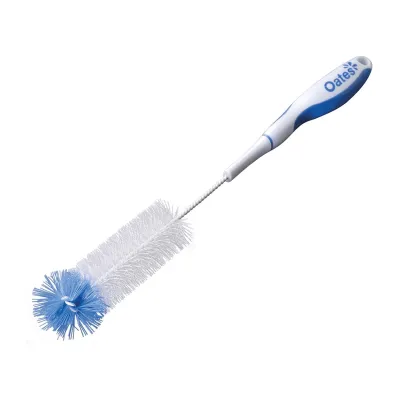
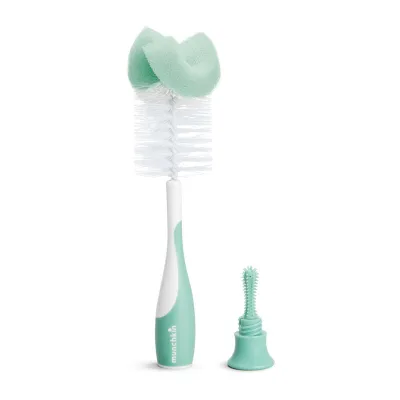
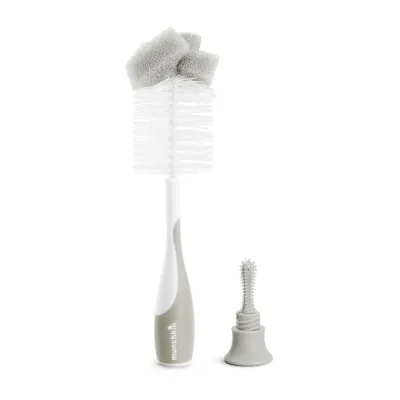
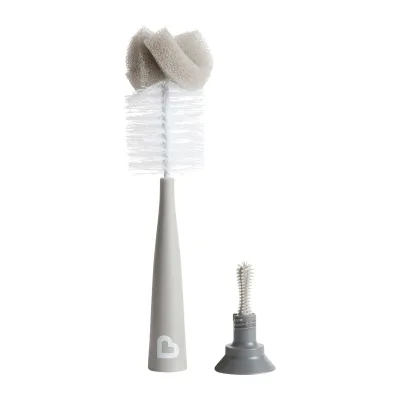

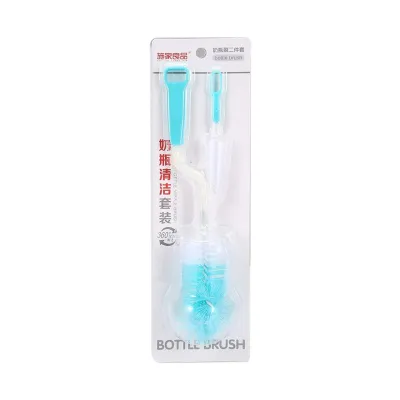
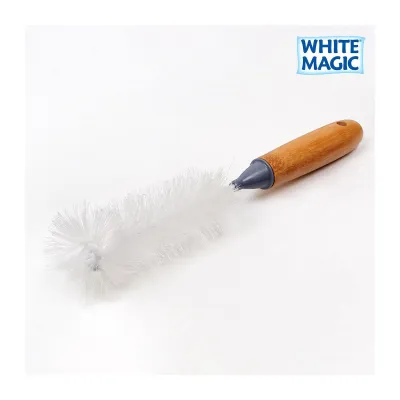
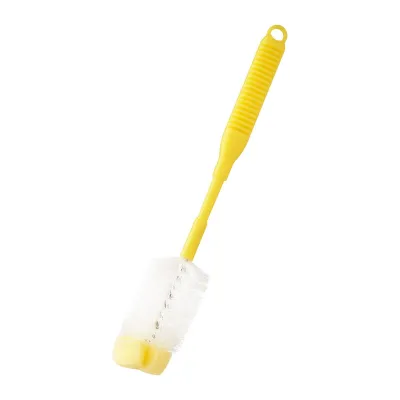
Prices are valid at publication and may change. Please refer to the product page for the latest price.
In contrast, glass is highly scratch-resistant, making it easier to keep hygienically clean over long periods. However, glass is inherently fragile and prone to chipping, cracking, or shattering under sudden impact. Using a brush with an exposed metal core or applying excessive force during cleaning can compromise the safety of a glass bottle.
Before purchasing any cleaning tool, always check the baby bottle manufacturer’s care instructions. Many brands outline recommended or restricted cleaning tools specifically designed to protect their products. Because different brush materials interact uniquely with bottle surfaces, verifying compatibility beforehand is essential to avoid accidental damage.
Matching Bottle Brushes to Specific Bottle Materials
The optimal brush texture and design depend heavily on the hardness and flexibility of the bottle material. A brush that works perfectly on a rigid glass surface might easily damage a softer plastic or silicone bottle.

To help you make the right choice, the following sections break down the specific selection criteria and handling precautions for each major bottle material.
Glass Baby Bottles
Glass baby bottles are favored for their durability and resistance to scratching, but they require careful handling to prevent breakage. When cleaning glass, look for brushes that feature soft bristles or sponge heads that can effectively sweep away residue without requiring excessive force.
A critical safety feature to look for is a protective silicone tip or a fully plastic-coated shaft on the brush handle. Uncoated metal wires or sharp plastic edges on the brush core can easily chip the delicate rim of a glass bottle or cause micro-fractures inside. Over time, these minor impacts can lead to sudden shattering during sterilization or feeding.
When washing, insert and remove the brush gently. Avoid striking the bottom of the bottle with the tip of the brush, and maintain a steady, controlled grip to prevent the bottle from slipping out of soapy hands.
Silicone Baby Bottles
Silicone baby bottles are soft, flexible, and often designed to mimic natural feeding. Because the material is pliable, it requires a cleaning tool that can conform to its shape without tearing, snagging, or degrading the surface.
Before cleaning, verify if your specific bottle brand recommends particular brush textures. Many silicone bottle manufacturers advise using soft silicone brushes or gentle, non-abrasive sponges. Stiff nylon bristles can sometimes create micro-tears in the soft silicone, especially around the collar or the base.
Flexibility is key when choosing a brush for silicone bottles. The brush head should easily bend and compress to reach all the unique contours, crevices, and corners of collapsible or uniquely shaped bottles, ensuring no milk fat remains trapped in the folds.
PPSU and Plastic Baby Bottles
Polyphenylsulfone (PPSU) and standard plastics like polypropylene (PP) are lightweight and highly durable, but they are particularly vulnerable to surface scratching. To maintain their clarity and hygiene, you must avoid using abrasive brushes, stiff bristles, or harsh scouring pads.
When shopping for cleaning tools, check the product packaging for explicit “scratch-free” or “soft bristle” claims. Cross-reference these claims with your bottle manufacturer’s guidelines to ensure the brush is safe for daily use on plastic surfaces. Soft sponge brushes or fine-bristled silicone brushes are generally excellent options for these materials.
Make it a habit to inspect the interior of your plastic and PPSU bottles regularly under bright light. If you notice persistent cloudiness, fine lines, or visible scratches, this indicates that your cleaning tool is too abrasive. Scratched plastic bottles should be replaced to ensure bacteria cannot accumulate in the damaged areas.
Key Features to Evaluate in a Bottle Brush
Beyond matching the brush material to your bottle type, evaluating specific design features will make your daily cleaning routine much more efficient. The right combination of brush head material, handle design, and accessories ensures a thorough clean with minimal effort.
Brush head materials generally fall into three categories, each with distinct characteristics:
- Sponge heads excel at creating a rich lather and wiping away stubborn milk film, but they dry slowly. In humid climates like Singapore, slow drying can encourage bacterial growth, so sponge brushes require careful maintenance.
- Silicone heads are highly hygienic, dry rapidly, and are exceptionally durable. However, they do not lather as easily as sponges and may require a bit more effort to clean thick formula residue.
- Nylon or soft polyester bristles offer excellent scrubbing power and easily reach tight corners, but you must verify their softness to prevent scratching plastic bottles.
Handle ergonomics play a significant role in how easily you can clean. Brushes with a 360-degree rotating handle allow you to clean the bottom and sides of the bottle with a simple spinning motion, reducing wrist strain. Angled necks are also highly beneficial for navigating the shoulders and curved profiles of wide-neck bottles.
Finally, always check if the bottle brush includes a dedicated, smaller nipple brush. The delicate silicone teat of a baby bottle has narrow openings and sensitive valves that can easily be damaged by a large bottle brush. A small, specially shaped nipple brush allows you to clean these parts gently and thoroughly without stretching or tearing the silicone.
Caring for and Replacing Your Bottle Brush
A bottle brush can only keep your baby’s bottles clean if the brush itself is kept hygienic. Establishing a simple maintenance routine prevents the brush from becoming a source of contamination.
After every cleaning session, rinse the brush thoroughly under warm running water to remove all traces of soap and milk residue. Shake off excess water and check the manufacturer’s packaging to see if the brush is compatible with sanitizing methods, such as boiling or steam sterilization. Never sterilize a brush unless the packaging explicitly states it is safe to do so, as high heat can melt plastic glues or warp bristles.
Proper storage is crucial for preventing mold and bacterial growth. Store your brush upright in a clean, dry, and well-ventilated area, ideally away from the immediate sink splash zone. Avoid leaving brushes lying flat on wet countertops or trapped inside closed cupboards where moisture cannot escape.
Keep a close eye on the physical condition of your brush. Replace it immediately if you observe signs of wear, such as fraying or falling bristles, tearing sponge pieces, discoloration, or lingering odors. Using a worn-out brush compromises your ability to clean effectively and can increase the risk of scratching your baby’s bottles.
Frequently Asked Questions (FAQ)
Can I use the same bottle brush for both glass and plastic bottles?
While you can use a single brush for multiple bottle types, it requires caution. A brush that has been used vigorously on glass bottles may develop worn bristles or exposed metal parts over time. If you then use this same worn brush on softer plastic or PPSU bottles, you run a high risk of causing micro-scratches. If you prefer to use one brush, ensure it is a soft, scratch-free variety, and inspect its condition regularly to protect your softer bottles.
How often should I replace my baby bottle brush?
There is no fixed calendar timeline for replacing a bottle brush, as its lifespan depends on how often it is used and how well it is maintained. Instead, monitor the brush for physical signs of degradation. You should replace the brush as soon as you notice bent or shedding bristles, crumbling sponge material, persistent odors, or any signs of mold. As a general guide, sponge-based brushes typically need more frequent replacement than durable silicone brushes due to their tendency to retain moisture.

Community discussion
Share your experience or ask a question. Comments are reviewed before publication.