
Finding the most suitable bathroom stool for potty training in Singapore requires balancing your child’s physical development with the unique layout and environmental conditions of your home. Because every child grows at a different pace and bathroom spaces vary significantly, there is no single option that works for everyone. Instead, the ideal stool is one that matches your toilet’s height, fits securely within your available floor space, and features robust anti-slip properties to handle humid tropical conditions.
Transitioning from diapers to using an adult toilet is a major milestone for a toddler. A reliable bathroom stool provides the necessary height and stability, allowing your child to climb up independently and sit with their feet flat and secure. This physical support is crucial for building confidence and ensuring a comfortable, natural posture during elimination.
Key Factors for Choosing a Potty Training Stool
Matching the stool height to the specific toilet seat or sink rim in your bathroom is the first step in your selection process. Standard toilet bowls in Singapore typically range from 38 to 43 centimeters in height from the floor. To determine the ideal stool height, measure your toilet bowl and compare it to your child’s leg length while they are seated. Your child’s feet should rest flat on the stool surface, allowing their knees to be positioned slightly above their hips. This squat-like posture relaxes the pelvic floor muscles, making bowel movements easier and preventing straining.
Products mentioned in this guide
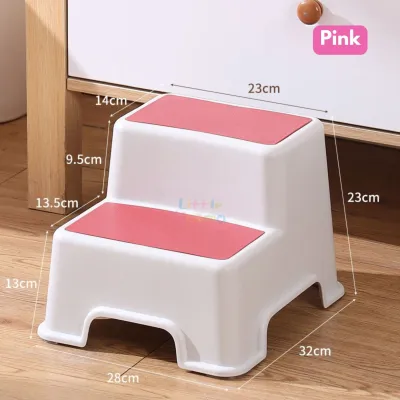
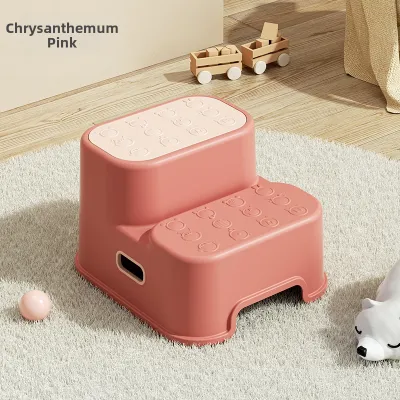
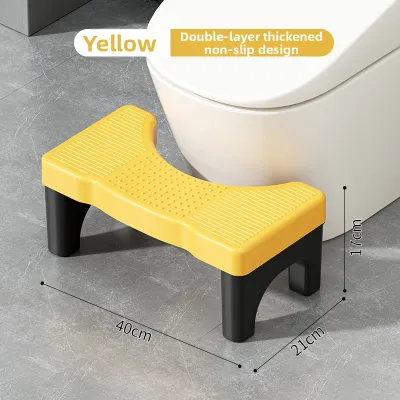
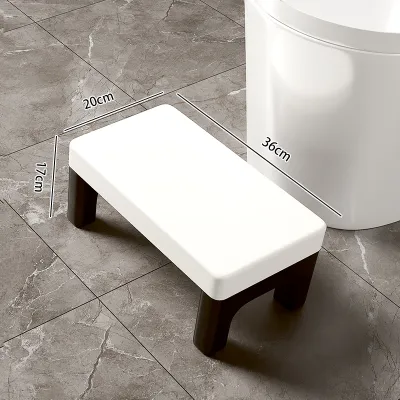
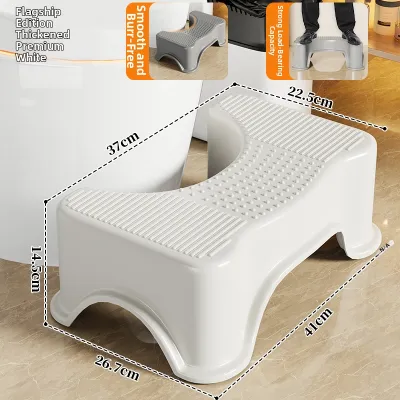
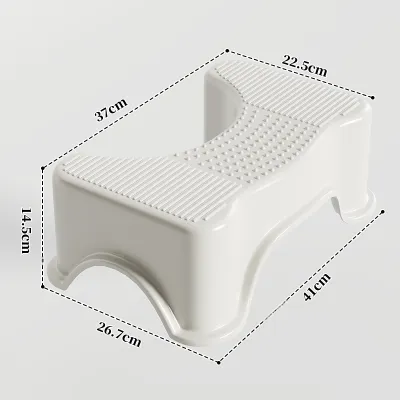
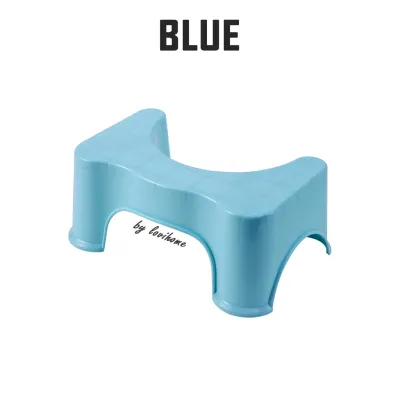
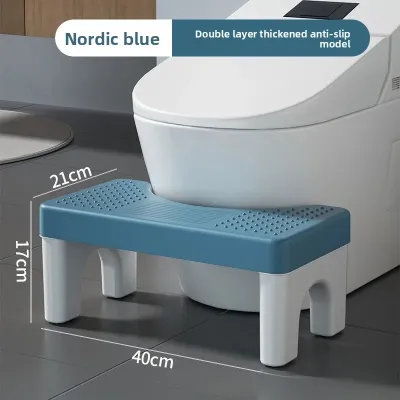
Prices are valid at publication and may change. Please refer to the product page for the latest price.
Evaluating the weight capacity and base footprint of the stool is essential to ensure stability during use. Always check the manufacturer’s specified weight limit on the product packaging or label before purchase. While most toddler stools are designed to support average toddler weights, verifying this limit ensures the structure can handle the dynamic forces of a child stepping up, turning around, and sitting down. The base footprint refers to the total floor area the stool occupies; a wider base provides a lower center of gravity and reduces the risk of tipping, but it requires more physical floor space.
Considering your bathroom layout and available floor space is particularly important in Singapore, where many homes feature compact HDB or condominium bathrooms. You must evaluate where the stool will sit when it is not in use. A stool that is too large may block the bathroom door, obstruct the shower screen, or create a tripping hazard for other family members. If your bathroom is shared, look for a design that can be easily moved aside or tucked under the curve of the toilet bowl.
Environmental factors like humidity and wet zones also play a role in your decision. Singapore’s tropical climate means bathrooms often experience high humidity, especially in homes without separate wet and dry toilet layouts. The stool you choose must be constructed from moisture-resistant materials that do not warp, degrade, or harbor mold and mildew over time. Plastic stools are generally easier to sanitize and dry, while wooden stools must be treated with a high-quality, water-resistant sealant to withstand damp conditions.
Common Types of Toddler Bathroom Stools
Single-step stools are simple, single-level platforms that typically range from 10 to 15 centimeters in height. These are best suited for older or taller toddlers who only need a slight boost to reach the toilet seat or to wash their hands at the sink. Because they are compact and lightweight, toddlers can often carry them independently between the toilet and the vanity. However, they may not provide enough height for younger or shorter children who are just beginning their potty training journey.

Two-step stools feature two distinct levels, providing a gradual climb for younger or shorter children. The lower step acts as a stepping stone, while the higher step brings the child to the correct height for the toilet or sink. This design is highly versatile and accommodates your child’s growth over several years, making it a practical long-term investment. The primary trade-off is their larger physical footprint, which can make them cumbersome in smaller bathroom layouts.
Foldable or lightweight stools are designed specifically for tight spaces, shared family bathrooms, or travel. These stools can be collapsed flat when not in use and stored behind a door, next to the vanity, or hung on a wall hook. While highly convenient for space-saving, caregivers must carefully inspect the folding hinges and locking mechanisms. It is vital to ensure the stool locks securely into its open position to prevent accidental collapsing or pinching of small fingers during use.
Essential Safety Features to Verify Before Purchase
Checking for non-slip treads on the steps and anti-slip pads on the base is a critical safety step. Wet bathroom tiles are a common hazard, and soap residue can make floors exceptionally slick. Look for a stool with a textured, rubberized, or patterned surface on the steps to provide traction for bare feet or socks. The base of the stool should feature rubber feet or a continuous non-slip ring that grips the floor securely, preventing the stool from sliding away when your child steps onto it.
Verifying anti-tip designs and sturdy construction materials helps prevent falls. A safe toddler stool should have a flared base, meaning the bottom of the stool is wider than the top step. This design distributes the child’s weight evenly and prevents the stool from tipping over if they stand near the edge. Avoid stools made of thin, flexible plastic that bends under weight; instead, opt for thick, heavy-duty plastic or solid, sealed wood that feels rigid and stable.
Ensuring smooth, rounded edges and the absence of pinch points is necessary to prevent minor injuries. Run your hands over the entire surface of the stool before introducing it to your child. There should be no sharp plastic seams, rough wooden splinters, or exposed screws. For multi-step or foldable designs, check that the joints and hinges do not have gaps where small fingers or toes could get caught.
Caregivers should also look for safety certifications or standards on the product packaging, though these must be verified directly with the manufacturer’s documentation. Standards such as EN or ASTM compliance indicate that the product has undergone physical and mechanical safety testing. Always read the manufacturer’s warnings regarding age limits, weight capacities, and intended usage environments before making your final decision.
Safe Setup and Daily Maintenance
Positioning the stool securely is the first step in establishing a safe potty training routine. Always place the stool on a flat, level section of the bathroom floor, avoiding uneven tile grout lines or bathroom mats. When positioned next to the toilet, push the stool flush against the base of the toilet bowl to eliminate any gaps where a foot could slip. Ensure the stool does not block the natural walking path of other family members to avoid tripping hazards, especially during nighttime bathroom visits.
Establishing clear rules for supervised use is essential for your child’s safety. Teach your child how to use the stool properly: they should step up facing the toilet or sink, stand firmly in the center of the step, and hold onto a secure support, such as your hand or a wall-mounted grab bar. Instruct them never to jump off the stool or use it as a toy. Active caregiver supervision is required at all times during this developmental stage, regardless of the child’s climbing ability.
Knowing when to stop using the stool or when to adjust its position is an important part of ongoing safety. As your child grows and gains height, monitor their posture on the toilet. If you notice their knees are bent too high or if they can easily reach the floor with their feet while seated, it may be time to transition to a lower stool or remove it entirely. If your child shows signs of instability, or if the stool begins to crack or slide, stop use immediately and consult the manufacturer’s guidelines.
Implementing regular cleaning routines is crucial to prevent mold, mildew, and slippery residue in humid bathroom environments. Wipe down the stool weekly with a mild, child-safe disinfectant or warm, soapy water to remove dust, urine splashes, and soap residue. Pay close attention to the underside of the stool and the rubber feet, as these areas can easily accumulate grime. Ensure the stool is completely dry before placing it back on the bathroom floor, as a wet base can compromise its slip resistance.
Frequently Asked Questions (FAQ)
At what age should a toddler start using a bathroom stool?
Most toddlers are physically ready to use a bathroom stool between 18 months and 3 years of age, which typically aligns with the window for potty training. However, readiness is determined by physical milestones rather than age alone. Your child should be able to walk steadily, balance on one foot momentarily, and climb low steps independently before using a stool. Regardless of their physical ability, active caregiver supervision is essential during this developmental stage to prevent falls and ensure safe usage.
Can a regular household step stool be used for potty training?
Using a regular household step stool designed for adults is generally not recommended for potty training. Adult utility stools often have a higher center of gravity, narrower steps, and lack the specialized anti-slip surfaces needed for small, bare feet. They also typically lack the flared, anti-tip base designs that prevent tipping when a child’s weight shifts unevenly. Investing in a stool specifically designed for toddlers ensures the height, stability, and safety features are tailored to a child’s proportions and developmental needs.

Community discussion
Share your experience or ask a question. Comments are reviewed before publication.