
Securing your home for a growing toddler is a milestone that requires balancing daily convenience with robust protection. In Singapore, where built-in carpentry, laminated surfaces, and high tropical humidity are standard in most HDB flats and condominiums, choosing the right baby proof drawer locks involves more than picking a popular brand off the shelf. The effectiveness of any drawer lock depends heavily on matching its specific mechanism to the drawer’s material, weight, and location. By understanding how different locking systems interact with your furniture and household habits, you can establish a secure environment without damaging your home’s interior.
Key Criteria for Evaluating Baby Proof Drawer Lock Brands
When evaluating different baby proof drawer lock brands, understanding the core features and specifications of each locking mechanism is essential for making an informed decision. The three most common types of locks available on the market are magnetic locks, adhesive strap locks, and internal latches. Each mechanism offers distinct advantages and trade-offs depending on your household’s specific needs and the developmental stage of your child.
Magnetic locks are highly favored for their aesthetic appeal because they are installed entirely inside the drawer, leaving the exterior of your furniture untouched. They operate using a powerful magnetic key held against the outside of the drawer to release an internal latch. While they are highly effective at keeping drawers completely closed and out of sight, they do require you to keep track of a physical key, which must be stored safely out of your child’s reach but remain easily accessible to adults.
Products mentioned in this guide
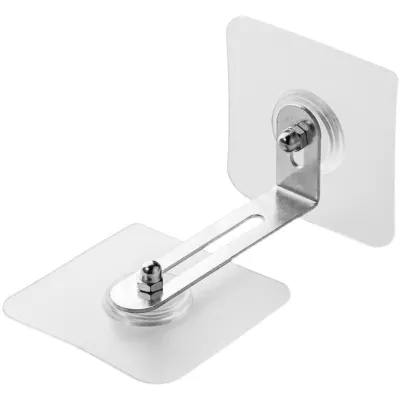
Prices are valid at publication and may change. Please refer to the product page for the latest price.
Adhesive strap locks are highly versatile and can be applied to almost any drawer configuration, including those that wrap around corners. They consist of a flexible plastic strap that anchors to the outer frame of the furniture. While they are easy to install and highly visible—which can serve as a visual reminder for adults to keep them latched—their external placement means they are exposed to direct pulling forces from curious toddlers who may eventually learn how to mimic the release mechanism.
Internal latches are a classic choice that allows the drawer to open slightly before a plastic hook catches on the frame. To open the drawer fully, an adult must reach through the small gap and press down on the latch. While this system is keyless and simple, it does create a small opening where tiny fingers could potentially get pinched if a child attempts to slam the drawer shut while the latch is engaged. Caregivers should verify the clearance specifications of these latches to ensure they do not pose a pinching hazard.
Singapore’s tropical climate, characterized by high year-round humidity and warm temperatures, presents a unique challenge for adhesive-based baby proofing products. Standard adhesives can soften, lose their grip, or slide under constant tension, especially when applied to heavy drawers. When evaluating brands, look for those specifying high-performance, moisture-resistant acrylic adhesives. Some premium brands utilize heavy-duty double-sided tapes engineered to withstand tropical climates, while others offer screw-in options for maximum mechanical security.
A lock is only effective if it is consistently used. If a locking mechanism is too frustrating for adults to operate during daily chores, caregivers may end up leaving it disengaged. Look for brands that offer a “one-handed operation” or a temporary “off” switch for times when children are not present. At the same time, the release mechanism must require a level of finger strength, coordination, or dual-action movement that exceeds the developmental capabilities of infants and toddlers.
Matching Lock Mechanisms to Specific Drawer Types
Selecting the right lock requires analyzing the physical structure of your furniture. Heavy drawers containing cookware or tools exert significant outward force when pulled, requiring robust mechanical latches or high-tensile magnetic locks. Conversely, lightweight drawers in a nursery might only require simple strap locks. The surface material—whether it is raw timber, high-gloss laminate, or painted MDF—also dictates whether you should use a drill-free adhesive or a hardware-mounted screw lock.

Kitchen Cabinets and Drawers
Kitchens are high-risk zones containing heavy pots, sharp utensils, and cleaning agents. Because kitchen drawers are accessed dozens of times a day, they require highly durable locking systems. Magnetic locks or heavy-duty internal latches are generally preferred here because they can withstand the repetitive force of being pulled. These systems are concealed inside the drawer, preventing toddlers from pulling on the lock itself or attempting to peel off external straps.
When installing locks on kitchen surfaces, pay close attention to the finish. High-gloss laminates, acrylic panels, and textured wood-look laminates common in Singaporean kitchens react differently to adhesives. Glossy surfaces require thorough degreasing to ensure a proper bond, while highly textured surfaces may not provide enough flat surface area for adhesive pads to grip securely. In such cases, hardware-mounted locks that screw into the interior cabinet frame offer a more reliable, permanent solution.
Additionally, modern kitchens often feature soft-close drawer runners or integrated dampening hinges. It is essential to verify that your chosen lock does not interfere with these mechanisms. If a lock prevents a soft-close drawer from retracting fully, the drawer may remain slightly ajar, rendering the lock useless and potentially damaging the runner mechanism over time.
Bedroom Dressers and Nightstands
Bedroom furniture often consists of free-standing wooden dressers, nightstands, and wardrobes where preserving the aesthetic finish is a priority. For high-quality timber or delicate wood veneers, drilling holes is often undesirable. Invisible magnetic locks are an excellent choice here because they mount entirely on the inside of the drawer frame, keeping the exterior pristine. Alternatively, high-quality adjustable strap locks can be used, provided they feature damage-free adhesive removal properties.
If you are living in a rented property or plan to resell your furniture, adhesive residue is a major concern. Before purchasing a brand, check the manufacturer’s instructions regarding safe removal. Reliable brands typically outline a removal process involving a hairdryer to soften the adhesive, followed by gently peeling the strap away and using a mild adhesive remover or vegetable oil to clean the residue without stripping the wood stain or lacquer.
The weight of the drawer’s contents also dictates lock placement and tension. A heavy bottom drawer filled with winter wear or bed linens requires a lock positioned where the pulling force is distributed evenly. For wide drawers, installing two locks—one on each side—can prevent the drawer from twisting or opening slightly on one side, which could allow a child to reach inside or pinch their fingers.
Bathroom Vanities and Low Storage
Bathrooms present the most challenging environment for baby proofing due to constant exposure to steam, water splashes, and high humidity. Securing low vanity drawers is critical, as they often house toiletries, electrical styling tools, or cleaning chemicals. For these areas, prioritize locks made from water-resistant plastics and rust-proof internal components. Avoid locks that rely on exposed metal springs, which can corrode quickly in damp bathroom air and cause the locking mechanism to jam.
Adhesive performance on bathroom surfaces requires careful verification. Tiles, glass, and laminated vanity units are highly non-porous but can easily trap a microscopic layer of moisture or soap residue. Before applying any adhesive lock, the surface must be meticulously cleaned, sanitized, and allowed to dry completely. If the vanity surface is tiled, avoid placing adhesives directly over grout lines, as the uneven texture and porous nature of grout will compromise the adhesive bond.
Because bathroom emergencies require immediate access to items like first-aid supplies or towels, look for locks that feature a quick-release or temporary bypass mode. This allows adults to disable the lock temporarily during bath time or cleaning sessions, then re-engage it easily once the child is back in the room.
Installation Best Practices and Safety Boundaries
Proper installation is just as important as choosing a high-quality brand. The most common cause of baby proofing failure is hasty installation. Begin by preparing the surface thoroughly. Clean the application area with isopropyl alcohol to remove dust, grease, and household oils. Avoid using standard multi-purpose spray cleaners, as they often leave behind a thin, slick residue that prevents adhesives from bonding correctly. Allow the surface to dry completely before proceeding.
Once the adhesive lock is positioned, apply firm, even pressure for at least 30 seconds to activate the pressure-sensitive adhesive. The most critical step is honoring the manufacturer’s specified curing time. Most high-performance adhesives require a full 24 hours to cure and reach their maximum bonding strength. During this curing period, do not pull on the lock or allow children to interact with the drawer. Attempting to test or use the lock too early will permanently weaken the bond, leading to premature failure.
Caregivers must also recognize when to stop and re-evaluate. If a locking mechanism does not align correctly with your drawer’s structural design, or if installing it requires forcing the drawer frame out of alignment, halt the installation immediately. Forcing a mismatched lock can damage your furniture’s runners or cause the lock to fail unexpectedly under pressure. In such cases, consult the manufacturer’s customer support or explore alternative lock styles that are better suited to your furniture’s unique geometry.
How to Filter Reliable Brands on E-commerce Platforms
When shopping on online marketplaces or e-commerce platforms, navigating the vast array of baby proofing products can be overwhelming. To filter out unreliable options, start by examining verified buyer feedback. Look specifically for reviews from users living in tropical or humid climates, as they will provide the most accurate assessment of adhesive longevity. Pay attention to recurring complaints about adhesive failure, brittle plastic, or mechanisms that jam after a few weeks of use.
Reliable brands will always provide clear, detailed product listings that include precise dimensions, material specifications, and comprehensive installation instructions. Look for listings that offer clear customer support channels or warranty information. A manufacturer that stands behind its product with a warranty or responsive customer service is far more likely to deliver a reliable safety solution than an unbranded, generic multi-pack.
Avoid purchasing unbranded items that lack clear safety testing details or material compositions. Baby proofing products should be made from non-toxic, BPA-free plastics, especially since toddlers may occasionally touch or attempt to chew on accessible parts. Investing a bit more—typically ranging from S$15 to S$40 for a comprehensive multi-pack from a reputable brand—ensures you receive products that have undergone quality control and will perform reliably when your child’s safety is on the line.
Frequently Asked Questions (FAQ)
Can I reuse adhesive baby proof drawer locks on new furniture?
Generally, manufacturers design adhesive baby proof locks for single-use application. Once an adhesive pad is peeled off a surface, its structural integrity and bonding strength are permanently compromised. Attempting to reuse a lock by applying standard double-sided tape or household glue is highly discouraged, especially on heavy drawers or those containing hazardous items. If you need to relocate a lock, purchase official replacement adhesive pads recommended by the manufacturer to ensure the lock remains secure.
Do magnetic locks work on drawers with metal handles or frames?
Magnetic locking mechanisms rely on a strong magnetic field to pull the internal latch downward when the key is placed on the outside of the drawer. If your drawer has heavy metal handles, iron frames, or magnetic metal components near the locking zone, it can interfere with the magnetic field. This interference may prevent the lock from engaging or releasing properly. If your furniture features significant metal components, verify compatibility with the manufacturer’s specifications or opt for alternative mechanical latches or strap locks.

Community discussion
Share your experience or ask a question. Comments are reviewed before publication.