
Caring for a newborn’s tiny, paper-thin nails can be one of the most nerve-wracking tasks for new parents in Singapore. While these nails are incredibly soft and pliable, they also grow surprisingly fast and can develop sharp, jagged edges that lead to accidental facial scratches. Because a newborn’s fingers are exceptionally delicate, using the wrong grooming tools can easily result in painful nicks and skin infections.
This guide establishes a practical framework for evaluating infant nail care tools, understanding essential safety features, and mastering gentle trimming techniques. By focusing on parental comfort levels and the specific developmental needs of your baby, you can transform a stressful chore into a safe, routine grooming habit.
Why Standard Clippers Are Unsafe for Newborns
Standard adult nail clippers are engineered for thick, rigid adult nails and rely on a heavy lever mechanism that snaps shut with considerable force. The cutting blades of adult clippers are typically straight or aggressively curved to match adult finger proportions, making them far too large and clumsy for a newborn’s tiny fingertips. Attempting to use these oversized tools on an infant significantly increases the risk of accidentally catching the delicate skin of the nail bed or pinching the surrounding fingertip.
Products mentioned in this guide
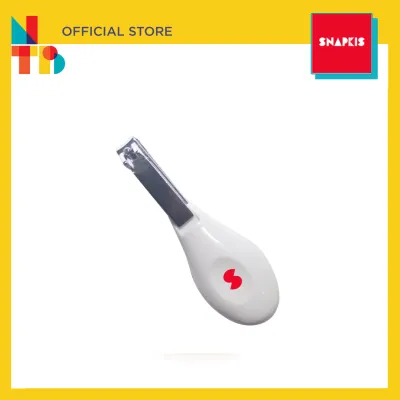
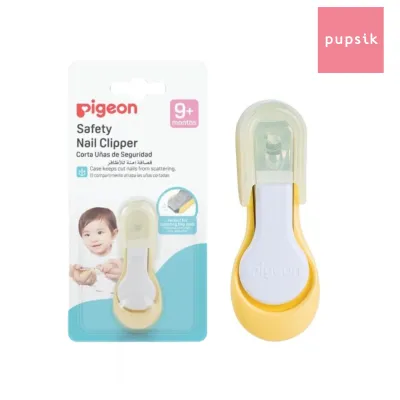
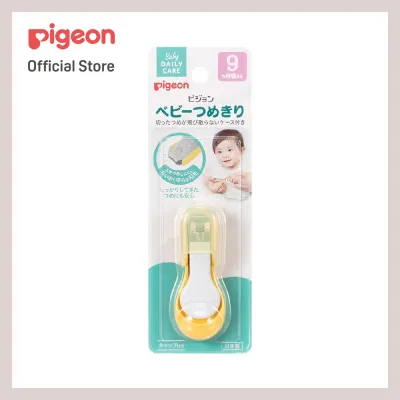
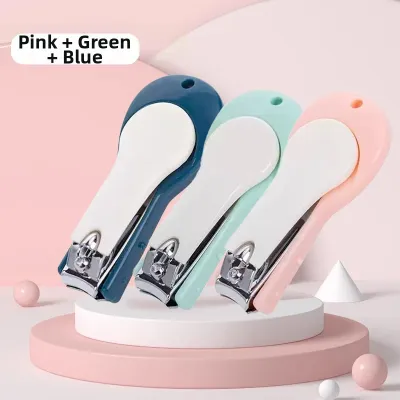

Prices are valid at publication and may change. Please refer to the product page for the latest price.
Furthermore, a newborn’s nails are structurally different from adult nails. They are extremely soft, flexible, and closely fused to the underlying skin of the nail bed. Because the boundary between the nail edge and the active nail bed is highly indistinct during the first few weeks of life, standard clippers can easily tear the nail rather than cutting it cleanly. This tearing can expose the sensitive nail bed to bacteria, increasing the risk of localized infections such as paronychia.
To prevent these injuries, parents require grooming tools specifically engineered for infant proportions. These specialized tools feature micro-sized cutting jaws, safety guards, and highly controlled tension mechanisms. Using instruments designed specifically for babies ensures that you can trim close to the nail edge without applying excessive pressure or risking accidental skin contact.
Manual Baby Scissors and Clippers: Precision and Control
For parents who prefer direct, tactile control over the trimming process, manual baby scissors and specialized infant clippers remain highly reliable options. Baby grooming scissors feature long, comfortable finger loops designed for adult hands, paired with incredibly short, curved blades. The tips of these blades are rounded and blunt, ensuring that even if your baby makes a sudden movement, the tool will not puncture or scratch their delicate skin.

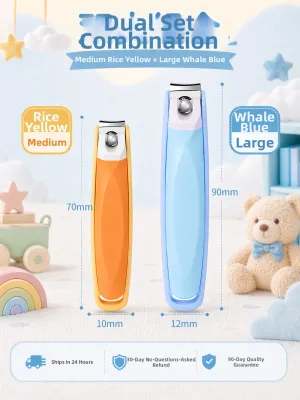
Manual baby clippers, on the other hand, are scaled-down versions of traditional clippers but are equipped with a physical safety guard or a viewing hole. This design allows you to see exactly how much of the nail is positioned between the blades before you apply any pressure. The curved cutting edge matches the natural contour of a tiny fingernail, allowing for a clean, single-stroke cut that minimizes the risk of tearing the nail plate.
Operating these manual tools successfully requires excellent lighting, a steady hand, and proper finger positioning. Parents must learn to hold the baby’s finger securely while using their own thumb to gently pull the fleshy pad of the infant’s fingertip downward and away from the nail edge. While manual tools require a bit of practice to master, they offer the distinct advantage of quick, silent, and highly precise cuts, making them ideal for trimming nails when your baby is calm, distracted, or feeding.
Electric Nail Files: Safety and Convenience for Sleeping Babies
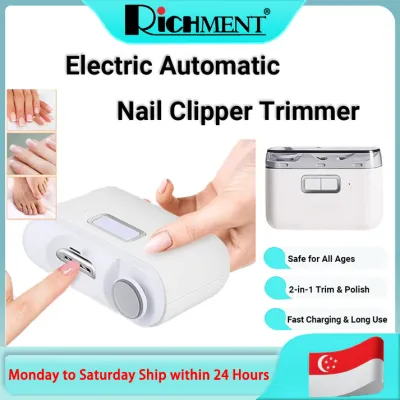
Electric baby nail files, also known as electric nail trimmers, have become increasingly popular among parents seeking a stress-free alternative to traditional cutting blades. These battery-operated devices utilize rotating, cushioned filing pads to gently grind down the nail edge through friction rather than cutting. Because the filing pads are designed to be soft and forgiving, they will generally stop rotating or slip harmlessly if they make contact with the surrounding skin, virtually eliminating the risk of cuts and bleeding.
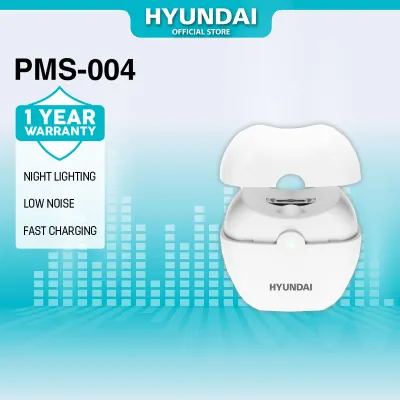
One of the primary benefits of an electric nail file is its quiet operation, which allows parents to groom their baby’s nails while they are asleep. Many models feature whisper-quiet motors and integrated LED lights that illuminate the fingernail, making it easy to trim nails in a dimly lit nursery without waking the infant. This eliminates the struggle of trying to hold a squirming, awake baby still during grooming sessions.
When evaluating electric nail files, it is important to perform several operational checks. Look for models that offer adjustable speed settings (low and high) and dual rotation directions (clockwise and counter-clockwise), which allow you to file from different angles without pulling on the nail. Additionally, verify the availability and cost of replacement filing pads, as these pads are color-coded by age group and grit level, and must be replaced periodically as your baby grows and their nails become firmer.
Key Safety Features to Check Before You Buy
Before purchasing any baby nail care tool, parents should carefully evaluate the physical and functional attributes of the product to ensure maximum safety and ease of use. High visibility is crucial when working with tiny newborn fingers, so look for tools that incorporate built-in LED lights or magnifying glass attachments. These features help illuminate and enlarge the tiny nail bed, allowing you to clearly distinguish between the nail edge and the skin.
Ergonomics play a vital role in preventing accidental slips during grooming. Choose tools that feature wide, non-slip handles made from textured plastic or silicone grips. In Singapore’s warm and humid climate, hands can easily become sweaty, making a secure, ergonomic grip even more essential for maintaining precise control over the cutting or filing instrument.
Material safety and hygiene are equally important considerations. Ensure that all metal components are made from high-quality, rust-resistant stainless steel, which can withstand frequent sanitization with isopropyl alcohol without degrading. Any plastic parts should be verified as BPA-free and non-toxic. Finally, always check the manufacturer’s packaging for clear age-appropriate sizing recommendations and safety warnings regarding proper caregiver supervision.
How to Safely Trim Your Newborn's Nails
Establishing a calm, structured workflow for nail trimming can significantly reduce anxiety for both you and your baby. The first step is selecting the optimal time for grooming. Many experienced parents find that trimming nails immediately after a bath is highly effective, as the warm water softens the nails, making them easier to cut. Alternatively, choosing a window during your baby’s deep sleep cycle or during a quiet feeding session can minimize sudden movements and startle reflexes.
Ensure you are working in a well-lit area, utilizing a direct overhead light or a targeted lamp to eliminate shadows. Position your baby securely in your lap or on a flat, stable surface. If your baby is awake and active, you can use the swaddle method, wrapping their body snugly in a swaddle blanket while leaving only one arm free at a time to limit overall movement.
When you are ready to trim, hold the baby’s hand firmly but gently. Isolate a single finger, and use your thumb to press the fleshy pad of the baby’s fingertip downward, pulling the skin away from the nail. If you are using manual clippers or scissors, cut the fingernails along their natural curve to prevent sharp corners. For toenails, always cut straight across to reduce the risk of painful ingrown nails. If you are using an electric file, gently move the rotating pad across the nail edge from one side to the other, keeping the device in constant motion to avoid heat buildup.
After trimming, run your own fingertip gently over the baby’s nails to check for any remaining rough or sharp edges. If you detect any snag points, use a fine-grit baby emery board to smooth them out. Once the grooming session is complete, sanitize the tool with an alcohol wipe and store it securely in a clean, dry protective case, completely out of reach of children.
Smart Purchasing Checks for Local and Online Retailers
When shopping for baby nail clippers in Singapore, whether through local physical baby boutiques or online marketplaces, it is essential to verify product authenticity and manage your expectations. Always review the product listings carefully to confirm that the manufacturer provides clear specifications, precise age recommendations, and detailed instructions regarding use and maintenance.
Take the time to read through genuine user reviews, paying close attention to feedback regarding motor noise, blade sharpness, and overall durability. For electric models, look for comments mentioning whether the motor bogs down under light pressure or if the battery compartment is secure. For manual tools, check if users report that the blades remain aligned and sharp over several months of use.
Understanding typical price ranges can help you identify high-quality products and avoid unsafe counterfeits. In the local market, high-quality manual baby clippers and safety scissors generally range from S$5 to S$15. Reliable electric nail trimmers typically range from S$15 to S$40, depending on the included accessories and features. Be cautious of suspiciously cheap electric models priced under S$10, as they may feature harsh motors, poor build quality, or abrasive pads that are unsafe for newborn skin.
Lastly, consider the long-term availability of replacement parts before committing to a specific brand or model. This is particularly important for electric nail files, which require specific, brand-compatible replacement filing pads as the original pads wear down or as your baby transitions to firmer grit levels. Ensuring that these replacement pads are readily available from local retailers or reliable online distributors will save you from having to purchase an entirely new device in the future.
Frequently Asked Questions (FAQ)
When should I start trimming my newborn's nails?
Newborn nails are often incredibly soft, paper-thin, and closely adhered to the underlying skin at birth. For the first two to three weeks of life, it is generally best to avoid using clippers or scissors altogether, as the risk of cutting the fused skin is highly elevated. If your baby’s nails are exceptionally long or sharp and are causing facial scratches during this initial period, use a soft, fine-grit baby emery board to gently file down the sharp edges. Once the nails begin to grow past the fingertip and harden slightly—typically around three to four weeks of age—you can safely transition to using specialized baby scissors, clippers, or an electric nail file.
What should I do if I accidentally nick my baby's skin?
Accidentally nicking a baby’s skin is a common occurrence that happens to almost every parent at some point, so it is vital to remain calm. Immediately apply gentle, continuous pressure to the cut using a clean, damp cloth or a piece of sterile gauze until the bleeding stops completely, which usually takes a minute or two. Do not apply adhesive plasters, liquid bandages, or adult antiseptic creams to the wound, as newborns frequently put their hands in their mouths and can easily ingest these chemical substances or choke on a loose plaster. If the bleeding does not stop after several minutes of direct pressure, or if you observe signs of localized infection such as persistent redness, swelling, warmth, or pus in the following days, consult a pediatrician immediately.

Community discussion
Share your experience or ask a question. Comments are reviewed before publication.