
Selecting the right baby edge protector in Singapore requires balancing your child’s safety with the specific materials and designs of your home furniture. Because local homes often feature a mix of modern glass dining tables, engineered wood TV consoles, and metal-framed shelving, a single type of edge guard rarely fits every scenario. Furthermore, Singapore’s year-round high humidity can significantly impact how adhesives cure and hold over time, making material and adhesive selection critical.
To find the best option, you must evaluate your furniture’s physical profiles, identify the surface finishes, and match them with compatible protector materials and adhesive technologies. This guide provides a practical framework to help you audit your living space, compare protector specifications, and choose the safest, most durable solutions for your family.
Identify Your Furniture Edge Shapes and Materials
Before purchasing any safety guards, conduct a thorough audit of the furniture in your active living areas. Babies transitioning from crawling to pulling themselves up will encounter different hazards depending on the height and shape of your furniture.
Products mentioned in this guide
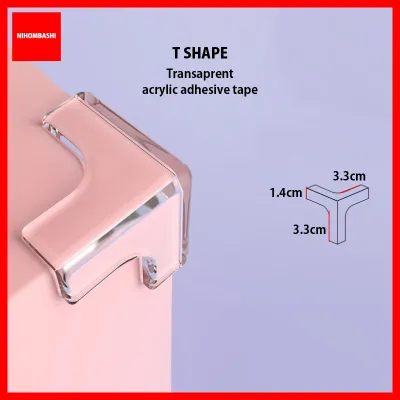
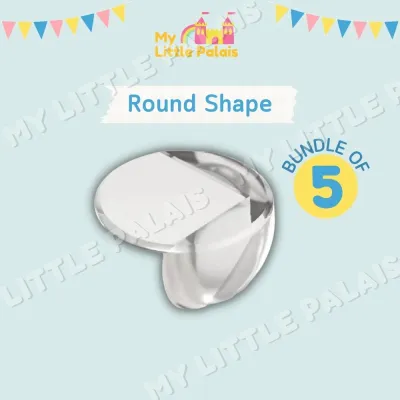
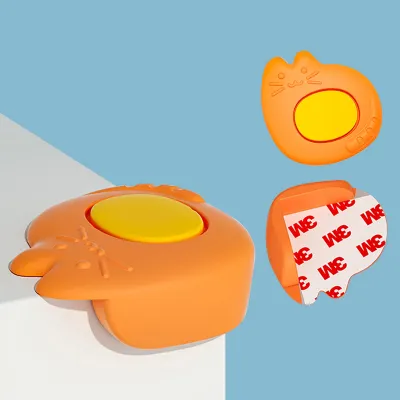
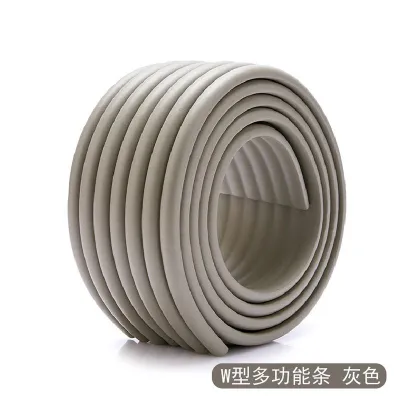
Prices are valid at publication and may change. Please refer to the product page for the latest price.
Begin by categorizing the edge shapes in your home. Sharp 90-degree corners, commonly found on wooden coffee tables, low TV consoles, and bedside tables, present the highest impact risk and require dedicated corner cushions. Rounded edges or bevelled profiles on dining tables may not seem sharp, but they can still cause injury during a fall and require flexible, wrap-around guards. Thin or irregular profiles, such as those on metal shelving units, glass table edges, or minimalist steel frames, require specialized protectors that can grip narrow surfaces securely.
Next, identify the surface materials of your furniture, as this directly determines which adhesives will bond successfully. Non-porous surfaces like tempered glass, polished metal, and sealed high-gloss laminates provide excellent adhesion but can show unsightly residue or suffer discoloration if the wrong adhesive is used. Porous surfaces, including unfinished or rustic wood, absorb adhesives differently and may require stronger bonds, though they are also more prone to splintering during removal. Delicate surfaces such as genuine leather, thin wood veneers, and antique paper-wrapped finishes require extreme caution, as strong adhesives can easily tear or strip these materials.
Finally, always check the manufacturer’s furniture care labels or warranty documentation before applying any adhesive-backed safety products. Some high-end furniture brands explicitly warn against using double-sided tapes, and applying them could void your warranty or permanently ruin a delicate lacquer finish.
Compare Baby Edge Protector Materials and Profiles
Once you have mapped out your furniture types, you can compare the physical properties of different edge protector materials and cross-sectional profiles. The two most common materials are high-density foam and clear silicone or PVC, each offering distinct advantages.

High-density foam, typically made from Nitrile Butadiene Rubber (NBR), offers outstanding impact absorption. Its thick, spongy texture cushions severe bumps, making it ideal for low-lying wooden coffee tables and TV consoles where toddlers are most likely to lose their balance. However, foam is highly visible, can be easily bitten or torn by teething babies, and may not blend well with minimalist home decor.
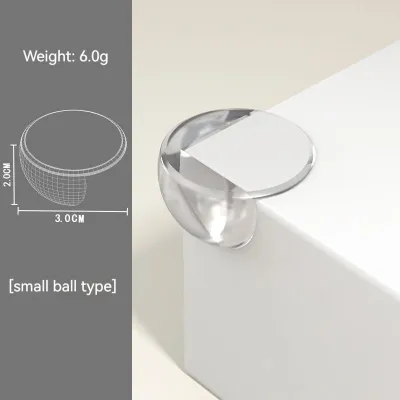
In contrast, clear silicone or PVC protectors offer aesthetic discretion. They are virtually invisible on glass tables and modern acrylic furniture, preserving the look of your living space. Silicone is also highly durable, bite-resistant, and easy to wipe clean. The trade-off is that silicone is generally firmer than high-density foam, providing slightly less impact absorption during high-velocity collisions, though it still successfully prevents lacerations from sharp edges.
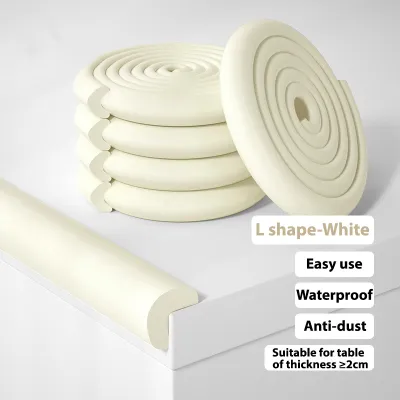
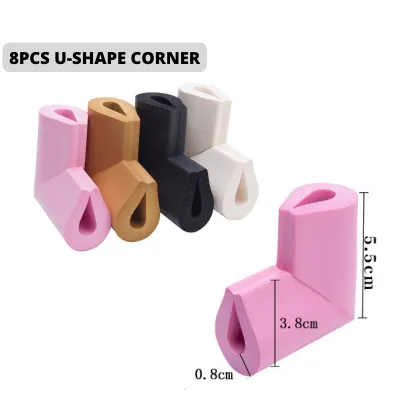
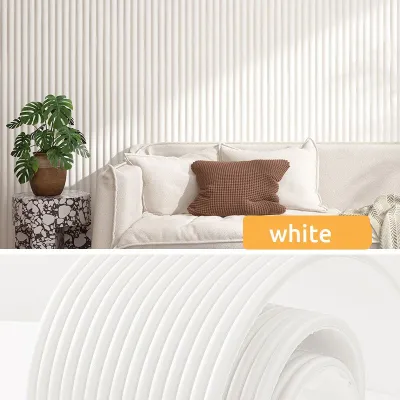
You must also match the protector’s profile to the specific edge shape. L-shaped protectors are designed for standard 90-degree edges, covering both the top and side surfaces of a table. U-shaped protectors are ideal for wrapping around thin glass tabletops or metal frames, shielding both the top, bottom, and outer edge simultaneously. For wider, irregular, or curved surfaces, look for flexible W-shaped rolls or flat, trimmable sheets that can be customized to fit complex angles.
Before buying, verify the thickness and density specifications listed on the product packaging. Ensure the cushioning is appropriate for your baby’s current developmental stage; crawling infants who are learning to stand require thicker, softer foam, while older toddlers may only need low-profile silicone guards to prevent scrapes.
Evaluate Brand Adhesive Technologies and Safety Features
The effectiveness of any edge protector relies heavily on its adhesive. In Singapore’s warm, humid climate, standard adhesives can soften, slide, or lose their grip entirely, leading to premature peeling.
When comparing brands, look closely at the adhesive types supplied. Double-sided acrylic tapes, such as those developed by reputable industrial tape manufacturers, offer exceptionally strong, long-term bonds on non-porous surfaces like glass and metal. They resist humidity well but can be difficult to remove and may damage delicate wood veneers. Alternatively, silicone-based adhesives or specialized removable tapes are designed for easier, residue-free removal, making them highly suitable for rental properties or expensive furniture, though they may require more frequent replacement if subjected to constant pulling.
Safety design features extend beyond the adhesive itself. Teething babies often attempt to chew on edge guards, making tear-resistance a vital safety feature. High-quality NBR foam should feature an integrated rip-stop grid or high-density structure to prevent small pieces from being bitten off, which poses a severe choking hazard. Additionally, look for corner pieces that are molded as a single, solid unit rather than folded from a strip, as single-unit corners are much harder for curious toddlers to peel away.
Always verify non-toxic material claims directly on the product label or official brand documentation. Look for clear indications that the materials are free from BPA, phthalates, heavy metals, and flame retardants. Because babies come into direct skin and oral contact with these protectors, verifying these safety standards is a crucial step in your selection process.
Decision Framework: Matching Protectors to Furniture Types
To simplify your selection, use this conditional framework to match the right protector profile, material, and adhesive to the specific furniture pieces in your home.
For glass and acrylic tables, prioritize optical clarity and surface protection. Choose brands that offer clear silicone U-shaped profiles. These slide over the glass edge and are secured with gentle, UV-resistant adhesives that will not discolor under sunlight or leave permanent stains on the glass surface.
For heavy wooden and metal furniture, such as dining tables, bed frames, and cabinets, prioritize maximum impact protection. Select high-density NBR foam in L-shaped profiles. These should be paired with industrial-strength, furniture-safe acrylic tape to withstand the heavy downward force of a falling child and resist the constant tugging of a curious toddler.
For thin metal frames, wire shelving, or irregular decorative edges, opt for highly flexible, easily trimmable PVC or thin-profile foam. These materials can be cut to exact lengths and bent around tight radiuses without buckling, ensuring a continuous protective barrier.
| Furniture Type | Recommended Protector Profile | Material Type | Adhesive Requirement |
|---|---|---|---|
| Glass Dining & Coffee Tables | U-Shaped | Clear Silicone / PVC | Gentle, UV-Resistant Acrylic |
| Heavy Wood TV Consoles & Cabinets | L-Shaped | High-Density NBR Foam | Industrial-Strength Acrylic Tape |
| Metal Shelving & Thin Frames | Flexible / Trimmable | Thin PVC or Foam | High-Tack, Flexible Adhesive |
| Delicate Veneer or Lacquered Tables | Low-Profile L-Shaped | Soft Foam or Silicone | Removable, Low-Residue Tape |
Installation, Maintenance, and Safe Removal
Proper installation is essential to ensure the edge protector remains secure and performs as intended when an impact occurs.
Begin by preparing the furniture surface thoroughly. Clean the area with isopropyl alcohol or a mild soap solution to remove all dust, grease, and finger oils, which can severely compromise adhesive performance. Allow the surface to dry completely before proceeding. In Singapore’s humid environment, even a tiny amount of trapped moisture can prevent the adhesive from bonding correctly.
Once the surface is dry, apply the adhesive tape to the protector first, pressing firmly along the entire length to eliminate air bubbles. Align the protector carefully with the furniture edge and press it down with consistent, firm pressure for at least 30 seconds.
After installation, respect the manufacturer’s specified curing time. Most high-quality adhesives require 24 hours to reach full bonding strength. Keep your baby away from the newly installed protectors during this curing window to prevent them from pulling the guards loose before the bond has fully set.
When it is eventually time to remove the protectors, do so carefully to avoid damaging your furniture’s finish. Apply mild heat using a hairdryer on a low setting to soften the adhesive. Gently peel the protector back from one end, applying heat continuously as you go. If you notice the furniture finish or veneer starting to lift, stop immediately. Apply a dedicated adhesive remover or a small amount of vegetable oil to dissolve the remaining residue before attempting to peel it further.
Frequently Asked Questions (FAQ)
When should I remove baby edge protectors from my furniture?
You should consider removing edge protectors when your child reaches a developmental stage where they exhibit consistent spatial awareness, stable balance, and a significantly reduced risk of falling. This transition typically occurs between two and three years of age, though it varies for every child. Additionally, monitor the physical condition of the protectors; if the foam begins to crumble or the adhesive degrades, remove or replace them immediately to prevent choking hazards or permanent adhesive buildup on your furniture.
How can I test if a brand's adhesive will damage my furniture finish?
To protect your furniture, always perform a spot test before installing edge protectors across highly visible areas. Apply a small piece of the supplied adhesive tape to an inconspicuous part of the furniture, such as the underside of a table or the back of a leg. Leave the test piece in place for at least 48 to 72 hours. Carefully peel it off and inspect the area for any signs of discoloration, bubbling, peeling lacquer, or wood splintering to verify compatibility.

Community discussion
Share your experience or ask a question. Comments are reviewed before publication.