
Selecting the ideal b box bottle for a weaning baby in Singapore depends on matching the child’s specific developmental stage, motor skills, and oral coordination with the appropriate drinking mechanism. As infants transition from breast or traditional bottle feeding to independent cup drinking, their needs shift from simple sucking to more complex swallowing patterns. Rather than looking for a single universal option, parents should evaluate how different transition cups, spouts, and weighted straws support their baby’s growing independence at each phase of the weaning journey.
Identifying Your Baby's Weaning Stage and Needs
Before purchasing any transition cup, it is essential to assess your baby’s physical readiness. Introducing a cup too early can lead to frustration, while waiting too long might miss a key developmental window. Caregivers should look for specific physical milestones that indicate a baby is ready to begin the transition.
One of the most critical milestones is the ability to sit upright unassisted. This posture ensures that the baby can swallow safely and reduces the risk of choking when handling a faster liquid flow. Additionally, look at their hand-eye coordination and grasp strength. If your baby can easily bring toys to their mouth and hold objects with both hands, they likely possess the motor skills needed to manage a double-handled cup.
Products mentioned in this guide
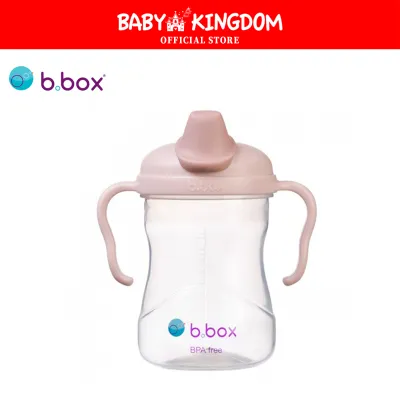
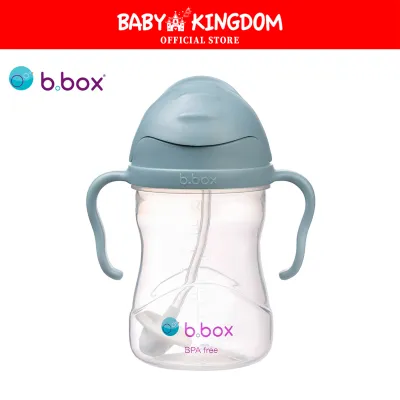
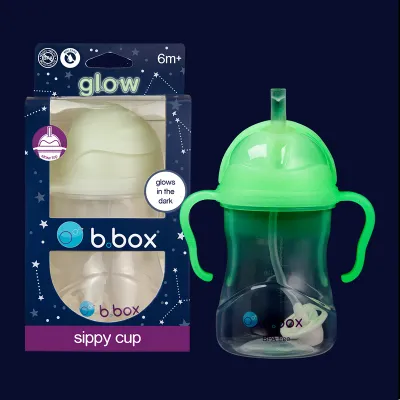
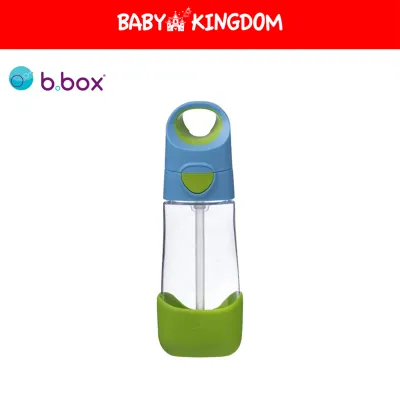
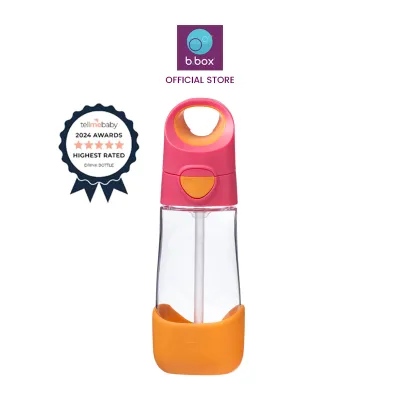
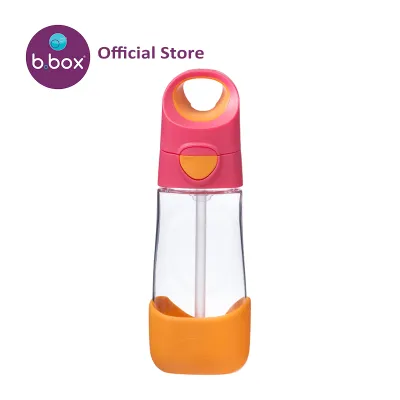
Prices are valid at publication and may change. Please refer to the product page for the latest price.
Your baby’s current feeding method also plays a significant role in how they adapt to a new cup. Breastfed infants are accustomed to a wide latch and active jaw movement, which can make soft, flexible silicone spouts feel more natural. Bottle-fed infants, on the other hand, are used to a specific flow rate and nipple shape, meaning they might initially prefer a firmer spout that mimics their familiar bottle teat.
Observing daily behaviors can provide clear signals of readiness. If your baby begins chewing on their bottle nipple instead of sucking, or if they show intense curiosity during family meals by reaching for your water glass, they are demonstrating an interest in mature drinking habits. Recognizing these cues allows you to introduce a transition cup at a time when they are most receptive to learning.
Core Features to Evaluate in a Weaning Bottle
When evaluating transition bottles, the drinking mechanism is the most important feature to consider. The market offers several options, including spouts, straws, 360-degree rims, and open cups. Each of these designs requires different oral motor movements, and matching them to your baby’s current abilities will make the transition much smoother.

Handle design and ergonomics are equally vital for encouraging independent drinking. Look for cups with wide, easy-grip handles that are integrated into the lid or base. These handles should allow for a comfortable palmar grasp, enabling small hands to lift and tilt the cup without straining. The overall weight of the bottle when filled must also be manageable, as a cup that is too heavy will quickly discourage a learning baby.
Spill-proof valves are a major convenience, but they must be balanced with ease of cleaning. In Singapore’s warm and humid climate, moisture trapped in small parts can rapidly lead to mold growth. Parents should look for cups that can be completely disassembled, allowing access to every valve, seal, and straw crevice. Always check the product packaging for material safety declarations, verifying that the plastics and silicones are free from BPA and phthalates.
Matching B.Box Bottle Variants to Weaning Stages
The B.Box transition system is designed to support babies through various stages of oral development. By offering interchangeable lids and different drinking mechanisms, these cups can adapt as your child’s skills progress. To find the right match, parents should cross-reference the manufacturer’s age recommendations with their baby’s actual abilities, verifying current product availability and specifications through authorized local retailers in Singapore.
Early Transition: Spout and Sippy Options
For infants who are just beginning to move away from traditional bottles, typically around four to six months of age, spout-based cups offer a gentle introduction. Soft silicone spouts are designed to feel familiar to a baby used to a bottle teat, yet their wider shape encourages a different lip placement. This helps the baby learn to sip rather than suck, facilitating a gradual transition.
Before introducing a spout cup, always check the manufacturer’s minimum age and weight guidelines on the packaging. Because early weaning involves rapid physical changes, ensuring the cup matches your baby’s developmental stage is crucial for safety. Caregivers must provide close supervision during these early attempts to ensure the baby is swallowing comfortably and not gulping too quickly.
While spout cups are excellent training tools, they are generally intended as a temporary bridge. Pediatric experts often recommend limiting prolonged use of spout cups, as they can sometimes affect tongue posture and dental development if used for too long. Planning to transition your baby to a straw or open cup within a few months supports healthy oral motor progression.
Independent Drinking: Weighted Straw Cups
As babies reach mid-weaning, usually between six and nine months, they become more active and curious. Weighted straw cups are highly effective for this stage because they feature a weighted ball at the bottom of the straw that moves with the liquid. This allows the baby to drink successfully from any angle, whether they are sitting upright or tilting the cup back.
When choosing a weighted straw cup, inspect the valve design inside the straw. A high-quality, bite-resistant valve helps prevent leaks when the cup is dropped or shaken, which is a common occurrence during independent feeding. Ensure that the entire straw assembly, including the weighted base and the internal tubing, can be completely detached for thorough cleaning and sanitization.
Parents should monitor their baby’s suction strength when first introducing a straw cup. Drinking through a straw requires different muscle coordination than sucking on a teat. If your baby struggles to draw liquid, they may need a bit more time to develop their oral strength, or you may need to gently squeeze the straw valve before first use to ensure the seal is open.
Advanced Skills: 360-Degree and Open Cup Options
For older toddlers approaching late weaning, typically around twelve months and beyond, the goal is to master mature drinking skills. 360-degree cups feature a silicone lip-activated valve that allows the child to drink from any side of the rim, mimicking an adult cup while preventing major spills if the cup is tipped over.
This rim-drinking design is highly beneficial because it encourages the tongue to retract and the lips to seal directly against the edge, promoting natural jaw alignment. As your child’s confidence grows, transitioning to a completely open cup becomes the final goal. When choosing an open cup, look for options with a weighted base to prevent tipping and a rim thickness that comfortably fits a small mouth.
Keep in mind that 360-degree valves contain multiple silicone layers and sealing rings that require meticulous cleaning. In Singapore’s humid environment, moisture trapped between these layers can easily harbor bacteria. Always disassemble the valve completely after every use, wash it with mild detergent, and allow it to air-dry fully in a well-ventilated space before reassembling.
Practical Tips for a Smooth Bottle-to-Cup Transition
Introducing a transition cup requires patience and strategy. To minimize frustration, choose a relaxed time of day for the introduction, such as a mid-morning snack or a weekend lunch. Avoid trying to introduce a new cup when your baby is overly tired, cranky, or extremely hungry, as they will likely reject the unfamiliar object in favor of their usual bottle.
Children learn by watching their caregivers, so modeling the drinking action is incredibly effective. Sit with your baby and drink from your own cup, showing them how you lift it to your mouth and swallow. For their initial practice sessions, fill the transition cup with a small amount of water rather than breast milk or formula. This keeps cleanup simple and reduces the stress of spilling precious milk while they learn.
Expect a learning curve and manage your expectations accordingly. It is completely normal for babies to drop, shake, or reject the new cup initially. If your baby shows strong resistance or becomes distressed, do not force the issue. Simply put the cup away and try again in a few days. Patience and a pressure-free environment are key to helping them build confidence.
Cleaning, Maintenance, and Safety Checks
Maintaining strict hygiene is essential for protecting your baby’s health. Fully disassemble every part of the b box bottle after each use, including the lid, handles, silicone valves, straws, and sealing rings. Even a tiny amount of milk residue left in a hidden crevice can quickly become a breeding ground for mold and bacteria, especially in Singapore’s warm climate.
Always refer to the manufacturer’s specific sterilization and dishwasher safety guidelines printed on the product packaging. Some plastics and silicone components may deform or degrade if exposed to extreme heat in steam sterilizers or UV sterilizers. Verifying these limits ensures the structural integrity of the bottle remains intact and prevents premature wear of the seals.
Establish a weekly routine to inspect all silicone parts, such as teats, straws, and bite valves, for any signs of wear, tearing, or thinning. Babies who are teething may chew on these parts, which can lead to small tears that pose a choking hazard or cause the cup to leak. Replace any damaged or worn components immediately using official replacement parts, which are widely available at local baby specialty stores in Singapore for around S$10 to S$15 depending on the specific pack.
Frequently Asked Questions (FAQ)
Can I put hot liquids in a B.Box weaning bottle?
No, you should avoid putting hot or warm liquids into sealed, spill-proof transition bottles. Always check the specific heat tolerance limits printed on your product’s packaging or user manual. Pouring hot liquids into a sealed cup creates steam and air pressure buildup inside the container. When the flip lid is opened or the baby bites down on the straw, the pressure can cause hot liquid to spray out suddenly, posing a risk of burns or messy spills. Stick to cool or room-temperature liquids for safety.
How do I stop the B.Box straw cup from leaking?
Leaking is usually caused by improper assembly or pressure imbalances. To prevent leaks, ensure that the silicone straw and sealing ring are correctly aligned and firmly seated into the lid collar during reassembly. If the straw is pulled too tight or is twisted, the valve may remain slightly open. Additionally, temperature changes or shaking can build up internal air pressure; opening the flip lid briefly can release this pressure and restore the cup’s spill-proof seal.
When should I completely stop using a spout cup?
Most pediatric dentists and speech-language pathologists recommend phasing out spout cups by around twelve months of age. Transitioning to a straw cup or an open cup helps support the natural development of oral muscles, tongue posture, and speech clarity. If you notice your baby is chewing excessively on the spout rather than drinking, or if you have concerns about their oral motor development, consult your pediatrician or a child health professional for personalized guidance.

Community discussion
Share your experience or ask a question. Comments are reviewed before publication.