
Quick Answer: Finding the Right XXXL Diaper for Your Toddler
Finding the right XXXL diaper for your toddler in Singapore is not about finding a single, universally perfect brand. Instead, the ideal choice depends entirely on your child’s unique body shape, daily activity levels, and skin sensitivity. Parents often face a direct trade-off between maximum overnight absorbency and ultra-thin, breathable daytime comfort.
Because toddlers at the XXXL stage—typically weighing 18kg and above—are highly active and have distinct physical builds, relying on brand reputation alone is rarely enough. Securing a leak-free and comfortable fit requires a close inspection of specific structural features, such as the elasticity of the waistband, the design of the leg cuffs, and the breathability of the outer cover. By matching these physical attributes to your toddler’s daily routine, you can find a diaper that prevents leaks and keeps skin dry.
Key Criteria for Evaluating XXXL Diapers
As toddlers grow into the XXXL size, their physical movements become more robust, and their urine volume increases significantly. To evaluate leak protection, you must look closely at the structural design of the diaper rather than just the marketing claims. The first line of defense against leaks is the leg cuff. High-quality XXXL diapers feature double-layered leg gathers that stand upright to form a physical barrier against moisture.
Products mentioned in this guide
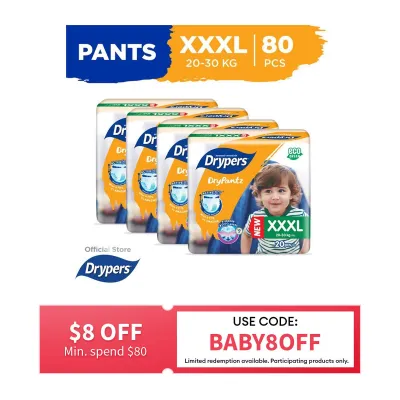
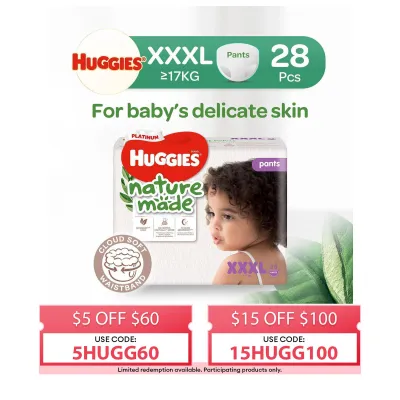
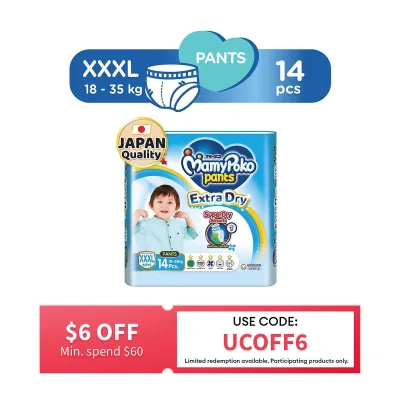
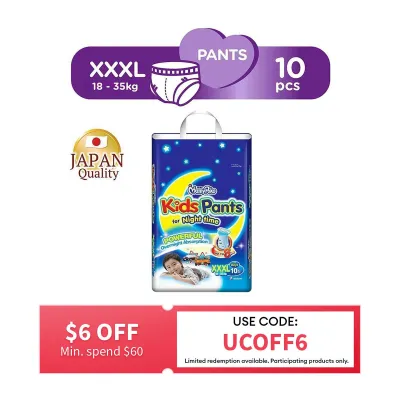
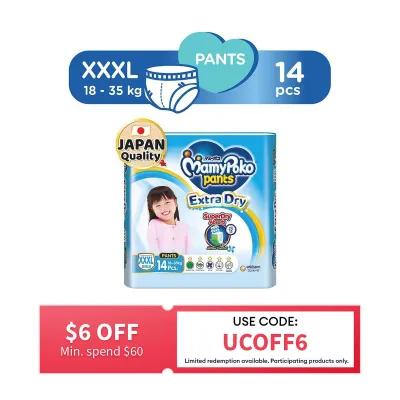
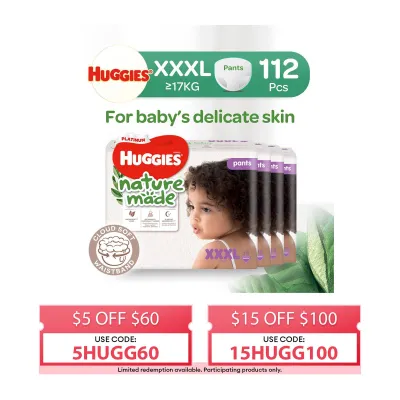
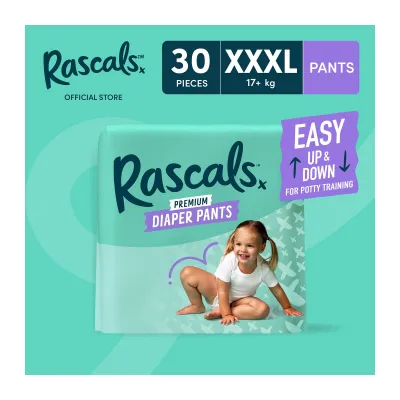
Prices are valid at publication and may change. Please refer to the product page for the latest price.

You should also examine the waistband elasticity; a high-quality diaper must stretch comfortably to accommodate a toddler’s rounded tummy while maintaining enough tension to prevent sagging when the diaper is full. Additionally, check the packaging for claims regarding core absorption speed, which indicates how quickly the material draws wetness away from the skin to prevent lateral leaks during sudden movements.
Comfort is equally critical, especially in Singapore’s warm and humid tropical climate. High humidity levels can trap heat and moisture inside a diaper, leading to discomfort and skin irritation. When evaluating comfort, feel the inner lining for material softness; it should feel gentle against delicate skin. Look for diapers that highlight breathable outer sheets or micro-pores that allow hot air to escape while keeping wetness contained.
Another factor is the overall bulkiness of the diaper. An ultra-thick diaper might offer high capacity, but it can restrict movement and cause chafing during active play. Balancing thickness with absorption efficiency is key to keeping your toddler comfortable throughout the day.
Finally, verifying the fit is a crucial step that goes beyond the weight guidelines printed on the packaging. While XXXL diapers are generally designed for toddlers weighing 18kg to 35kg, every child’s distribution of weight is different. A toddler with chunky thighs may experience tight red marks from a diaper that technically fits their weight class, while a taller, leaner toddler might experience gaps around the waist.
To prevent leaks, compare the manufacturer’s weight recommendations against your toddler’s actual thigh and waist measurements. If you notice persistent red marks or frequent gaps, it is a clear sign that the current cut or size is not matching your child’s physical profile.
Comparing Core Features Across Leading Brands
When comparing the XXXL diaper options available in Singapore, understanding the underlying technology and design variations will help you make an informed choice. The absorbent core is the engine of the diaper, and manufacturers use different configurations to target specific needs. Some diapers utilize a thick pulp-and-polymer blend designed for heavy overnight capacity, which can hold a large volume of liquid over twelve hours.
Others employ advanced channel technology or ultra-thin absorbent cores that distribute liquid evenly to prevent sagging, making them highly suitable for active daytime wear. When reading product labels, look for terms like “absorbent channels” or “overnight dry” to identify which core technology aligns with your immediate needs.
The design of the waistband and leg gathers also varies significantly across different product lines. For active toddlers, a 360-degree stretchy waistband is highly beneficial as it mimics regular underwear and adapts to constant movement. Look for wide, soft waistbands that distribute pressure evenly across the abdomen to prevent friction and red marks.
The leg gathers should be made of soft, non-woven materials that flex with your child’s legs. If your toddler has particularly chunky thighs, prioritize brands that emphasize high-stretch leg bands with flat, seamless edges to minimize chafing during outdoor play or sports.
Practical design features on the product label can greatly simplify daily diaper management. A wetness indicator—typically a line that changes color when wet—is incredibly useful for quickly checking if a change is needed without pulling at the diaper. Additionally, secure fastening systems on tape diapers or easy-tear sides on pull-up pants are essential for quick, hassle-free changes.
To help you compare these structural differences, the table below outlines the typical features of the primary diaper designs you will encounter in the market.
| Diaper Design Type | Primary Core Technology | Waistband & Leg Gather Style | Best Suited For | Key Verification Check |
|---|---|---|---|---|
| High-Capacity Overnight | Thick pulp-polymer blend for maximum volume | High-rise, snug elastic waistband with deep double leg cuffs | Long sleep stretches and heavy wetters | Check for bulkiness and heat retention in warm rooms |
| Ultra-Thin Daytime | Advanced channel core for rapid, even distribution | Highly breathable, lightweight 360-degree stretch band | Active daytime play and humid outdoor environments | Verify that the thin core can handle sudden, large volumes |
| Double-Barrier Active | Reinforced center core with quick-dry top sheet | Extra-wide leg gathers with flat, friction-reducing seams | Toddlers with chunky thighs who are constantly moving | Check for red marks around the thighs after active play |
Assessing Value and Cost Per Diaper
Managing the household budget is a key consideration for parents in Singapore, especially since XXXL diapers represent the largest size and typically carry the highest cost per piece. To determine the true value of a diaper brand, you must calculate the cost per piece rather than comparing the price of the pack. You can find this by dividing the total price of the pack by the number of diapers inside. For example, a pack priced at S$24.00 containing 30 diapers results in a cost of S$0.80 per piece. Comparing this unit price across standard packs, jumbo packs, and bulk carton options will help you identify the most economical purchasing path.
However, the upfront cost per piece is only one part of the value equation; you must also factor in change frequency. A cheaper diaper that leaks easily or has lower absorbency may require changing every two hours, leading to higher overall consumption. Conversely, a slightly more expensive diaper with a high-capacity core might keep your toddler dry for four to six hours during the day, meaning you use fewer diapers overall.
In many cases, investing in a higher-quality diaper for overnight use and a more economical, breathable option for frequent daytime changes offers the best balance of performance and budget.
To find the best deals and promotions, regularly check official brand stores on major e-commerce platforms, local supermarkets, and pharmacy chains. Buying in bulk cartons or subscribing to delivery services often unlocks significant discounts and free shipping, reducing your overall monthly expenditure. Always compare the promotional price against the standard cost per piece to ensure you are receiving a genuine discount.
Decision Framework: Matching the Diaper to Your Toddler's Needs
To finalize your choice, use this conditional framework to match a diaper’s structural features to your toddler’s daily profile and physical traits:
- For Heavy Wetters and Overnight Use: Choose designs that feature a high-capacity pulp-polymer core, deep double leg gathers, and a high-rise waistband. These features ensure that liquid is contained even when your toddler rolls over or sleeps in unusual positions.
- For Active Toddlers and Warm Weather: Choose ultra-thin, highly breathable designs with a 360-degree stretchy waistband. This configuration minimizes bulk, reduces heat retention in Singapore's humid climate, and allows your child to move freely without chafing.
- For Sensitive Skin and Allergies: Prioritize diapers that explicitly list their materials on the packaging and are free from added fragrances, chlorine, and latex. Always verify the ingredient list on the box, and consider purchasing a single trial pack to test on your toddler's skin before committing to a bulk carton.
- When to Seek Professional Advice: If your toddler experiences persistent diaper rash, severe chafing, or unusual skin reactions that do not improve with frequent changes and barrier creams, stop using the diaper immediately. Consult a pediatrician or qualified healthcare professional to rule out contact dermatitis or underlying skin conditions.
Frequently Asked Questions (FAQ)
When should I transition my toddler from XXL to XXXL diapers?
You should transition your toddler to XXXL diapers when you notice physical signs that the XXL size is no longer adequate. Common indicators include persistent red marks or deep indentations around your toddler’s thighs and waist, suggesting the elastic is too tight. Additionally, if the waistband sits significantly below the belly button, or if you experience frequent leaks despite proper application, your toddler has likely outgrown the volume capacity and physical dimensions of the smaller size.
Are XXXL pull-up pants better than tape diapers for active toddlers?
For most active toddlers in the XXXL size range, pull-up pants offer significant advantages over traditional tape diapers. Pull-up pants feature a 360-degree stretchy waistband that moves naturally with an active child, reducing the risk of gaps and leaks during play. They also make diaper changes much easier, as they can be slipped on while the toddler is standing up. However, tape diapers remain highly useful for overnight wear or for toddlers with very slim waists, as they allow you to customize the tightness of the fit around the midsection.

Community discussion
Share your experience or ask a question. Comments are reviewed before publication.